
Historical Dessert Builder
Recreate History: What Desserts Could Enslaved People Make?
Enslaved people made desserts from the few ingredients they had access to. Select what ingredients were available to see which historic desserts could be made.
Available Ingredients
Select the ingredients that were commonly available to enslaved people in the American South
What You Can Make
Recipe: Sweet Potato Pone
A simple dessert made from sweet potatoes, molasses, and cornmeal—no eggs, flour, or oven needed. This was one of the most common desserts made by enslaved people.
Ingredients
- 2 large sweet potatoes
- 2 tablespoons molasses
- 1/4 cup cornmeal
- Pinch of nutmeg (if available)
- Pork fat for greasing (if available)
Instructions
- Peel and boil 2 large sweet potatoes until soft
- Mash them with 2 tablespoons of molasses and a pinch of nutmeg
- Stir in 1/4 cup of cornmeal until thick
- Grease a cast-iron skillet with pork fat or oil
- Pour in the mixture and bake at 350°F for 40 minutes, or until the top is crusty
"We didn't have no sugar," she said. "But we had what the earth gave us. And we made it sweet anyway." — Former enslaved person, interviewed in the 1930s
When you think of dessert, you might picture cupcakes, ice cream, or apple pie. But for enslaved people in the American South, dessert wasn’t about indulgence-it was about survival, memory, and small acts of resistance. What they ate was shaped by scarcity, forced labor, and the crops they were made to grow. Yet, even under brutal conditions, they created sweets that became the roots of American dessert culture.
What Was Available to Enslaved People?
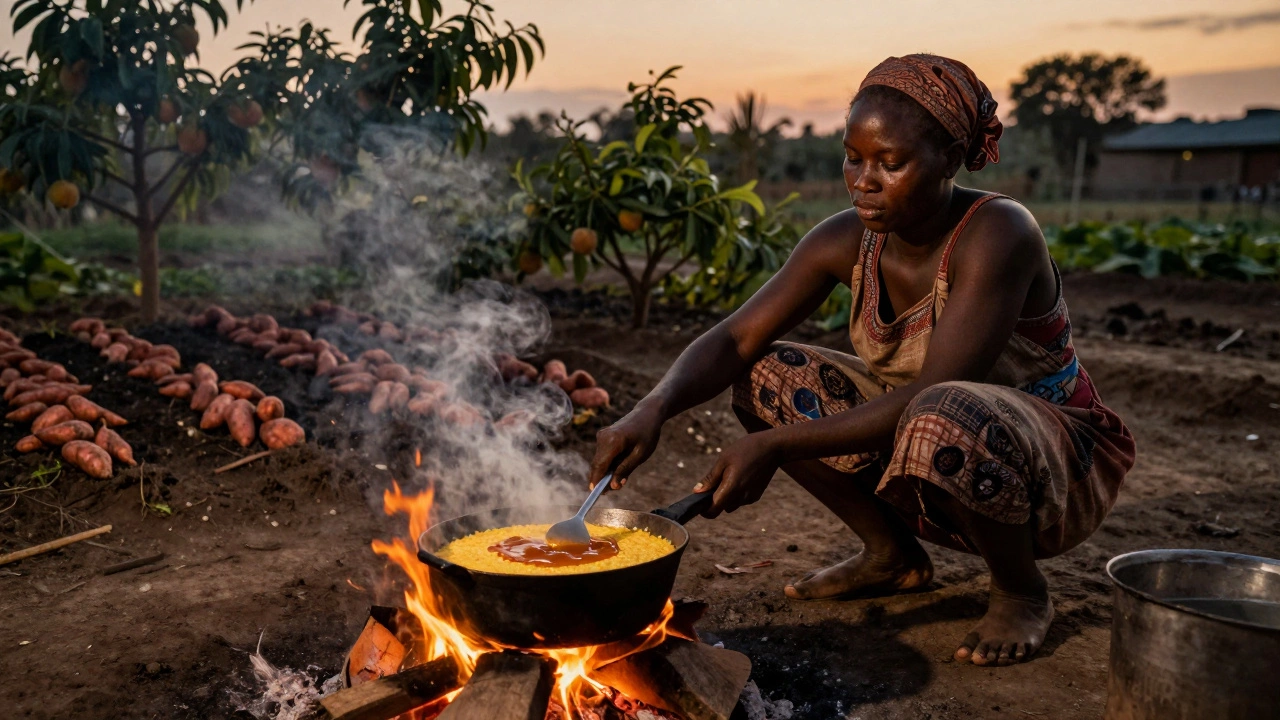
Enslaved people rarely got sugar, butter, or flour from their enslavers. These were luxury items meant for the plantation house. What they did get were scraps: molasses, cornmeal, sweet potatoes, peaches, apples, and sometimes leftover pork fat. Their desserts weren’t made in ovens-they were cooked over open fires, in cast-iron pots, or baked in ashes.
Molasses was the most common sweetener. It was cheap, thick, and sticky-a byproduct of sugar refining. Enslaved people used it to sweeten cornbread, drizzle over roasted sweet potatoes, or mix with water to make a simple syrup. Some even saved molasses for weeks to make a single batch of dessert.
Sweet Potatoes: The Original Dessert Staple
Sweet potatoes were one of the few crops enslaved people were allowed to grow in their own small garden plots. They were nutritious, stored well, and could be roasted, boiled, or mashed. When baked in hot ashes, they caramelized naturally, turning into something close to a dessert.
Some accounts from former enslaved people describe sweet potatoes mashed with a little molasses and butter (if they could sneak it), then formed into patties and fried in pork fat. This became known as sweet potato pone-a dense, slightly sweet cake that’s still made today in the South. It had no eggs, no flour, no oven. Just earth, fire, and ingenuity.
Cornmeal-Based Sweets: Beyond Cornbread
Cornmeal was a daily staple. But enslaved cooks turned it into something more. One recipe passed down orally was cornmeal pudding. It mixed cornmeal with water, a splash of molasses, and a pinch of cinnamon if they could get it. The mixture was poured into a greased pot and slow-cooked over embers for hours until it thickened into a custard-like dessert.
Another version, called hoecake pudding, added a bit of buttermilk or milk from a cow they might have been allowed to care for. It was served warm, sometimes with a dollop of cream if they had access to one. These weren’t fancy, but they were comforting-and rare moments of sweetness in a life full of hardship.
Fruit Desserts: Nature’s Gift
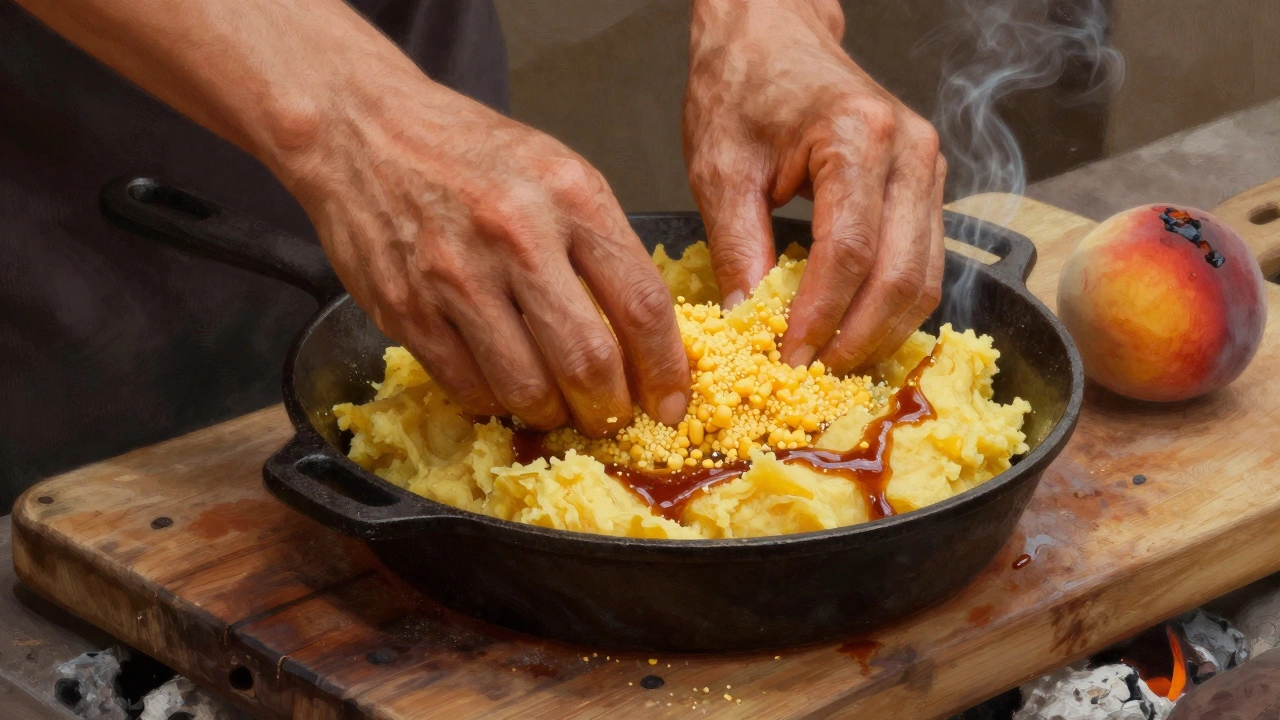
When seasonal fruits ripened, enslaved people gathered them. Blackberries, wild grapes, persimmons, and peaches were common. They’d cook them down with molasses into thick, jam-like sauces. Some lined hollowed-out gourds with leaves and baked the fruit inside, creating a natural steamer.
Peach cobbler, now a Southern classic, started as a simple dish of stewed peaches topped with a thin layer of cornmeal batter. It wasn’t called cobbler then-it was just “peaches with dough.” The name came later, when white cooks copied the recipe and gave it a fancy title.
The Role of Memory and Culture
Many dessert recipes carried African roots. The technique of frying dough in fat came from West African fufu and akara. The use of molasses instead of sugar mirrored practices in the Caribbean. Enslaved people didn’t just make food-they preserved culture. A dessert wasn’t just a treat; it was a connection to home, to ancestors, to identity.
One former enslaved person, interviewed in the 1930s by the Federal Writers’ Project, recalled making a dessert from sorghum syrup and crushed peanuts. “We didn’t have no sugar,” she said. “But we had what the earth gave us. And we made it sweet anyway.”
How These Desserts Shaped American Cuisine
These humble sweets didn’t disappear. They evolved. Enslaved cooks worked in plantation kitchens, teaching white families how to make these dishes. Over time, the recipes were taken, renamed, and sold as Southern “tradition.”
Today’s banana pudding? It started as a version made with plantains and molasses. Red velvet cake? Its deep color came from cocoa and vinegar, ingredients enslaved cooks used to brighten bland cornbread. Even the word “cobbler” likely comes from the African word for “to patch” or “to make do.”
These aren’t just old recipes. They’re acts of resilience. They’re the reason you can buy sweet potato pie at a grocery store in 2026.
Recreating One: Sweet Potato Pone
If you want to taste history, try this simple version:
- Peel and boil 2 large sweet potatoes until soft.
- Mash them with 2 tablespoons of molasses and a pinch of nutmeg.
- Stir in 1/4 cup of cornmeal until thick.
- Grease a cast-iron skillet with pork fat or oil.
- Pour in the mixture and bake at 350°F for 40 minutes, or until the top is crusty.
No eggs. No flour. No sugar. Just earth, fire, and a will to make something sweet out of nothing.
Why This Matters Today
When we eat dessert, we often forget its history. But the sweets we love today were born from pain, creativity, and survival. Recognizing this doesn’t take away from their deliciousness-it deepens it.
These recipes aren’t relics. They’re living traditions. Black cooks still make sweet potato pone, cornmeal pudding, and fruit cobblers. They’re served at Juneteenth feasts, family reunions, and church potlucks. They carry stories.
Every bite of these desserts is a reminder: even in the darkest times, people found ways to create joy, to hold onto culture, and to pass down something sweet to the next generation.
Did enslaved people have access to sugar?
Rarely. Sugar was expensive and reserved for the enslavers’ table. Enslaved people used molasses, sorghum syrup, or honey as substitutes-anything sweet they could get from scraps or grow themselves.
What’s the difference between slave desserts and modern Southern desserts?
Modern versions often use refined sugar, butter, eggs, and flour-ingredients enslaved people rarely had. The originals were made with cornmeal, sweet potatoes, molasses, and whatever else was available. The flavors are similar, but the ingredients and methods are rooted in survival, not luxury.
Are any of these recipes still made today?
Yes. Sweet potato pie, cornmeal pudding, and fruit cobblers are still cooked in Black households across the South. They’re often served during Juneteenth, Thanksgiving, and family gatherings. These aren’t just recipes-they’re heirlooms.
Why don’t we hear more about these desserts in history books?
Because for a long time, the contributions of enslaved people were erased or credited to white cooks. Their food was called “Southern” without acknowledging its African roots or the labor behind it. Only recently have historians and chefs begun to reclaim these stories.
Can I make these desserts without traditional ingredients like molasses?
You can substitute maple syrup or dark brown sugar, but you’ll lose some of the historical flavor. Molasses has a deep, smoky bitterness that’s hard to replicate. If you want to honor the original, try finding unsulphured blackstrap molasses-it’s the closest thing to what they used.