
Cooking Time Comparison Tool
Ever set your crockpot in the morning, only to find dinner still hours away by the time you get home? You’re not alone. Slow cookers are great for hands-off cooking, but they’re not fast. If you’re juggling work, kids, or just plain tired, waiting six to eight hours for a meal doesn’t cut it anymore. So what actually cooks faster than a Crockpot? The answer isn’t just one thing - it’s a whole bunch of tools and tricks that turn dinner prep from a marathon into a sprint.
Pressure Cookers and Instant Pots Are the Real Game-Changers
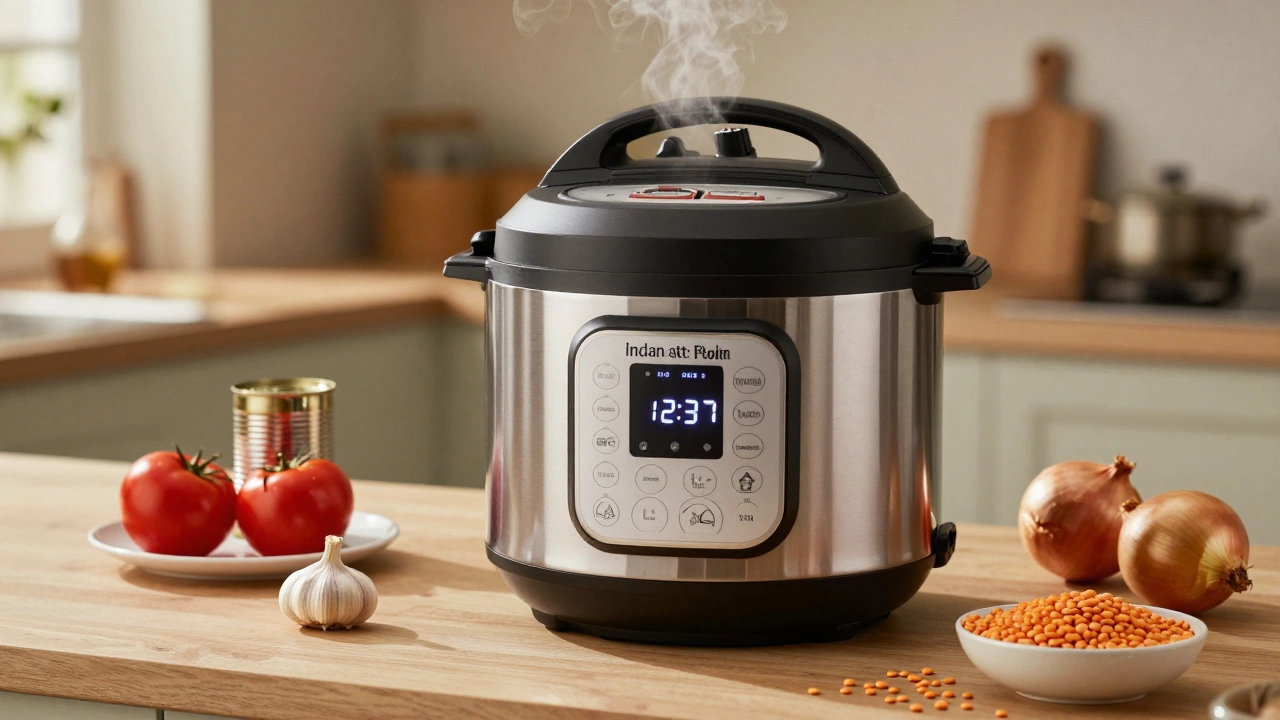
The biggest upgrade from a Crockpot isn’t another slow cooker - it’s a pressure cooker. Specifically, the Instant Pot is a multi-cooker that combines pressure cooking, slow cooking, steaming, and sautéing in one device. It was first released in 2010 and has since become a staple in over 12 million Australian households.
Here’s the math: a beef stew that takes 8 hours in a Crockpot? It’s done in 35 minutes in an Instant Pot. Chicken thighs? 15 minutes instead of 6 hours. Even dried beans, which take forever in a slow cooker, are tender in 25 minutes with no soaking. That’s because pressure cooking raises the boiling point of water, cooking food faster by trapping steam and increasing internal pressure. It’s science, not magic.
And you don’t need to be a pro. Most Instant Pots have one-touch presets for rice, soup, meat, and even yogurt. Just add ingredients, hit the button, and walk away. No babysitting. No guesswork.
One-Pot Meals: Less Cleanup, Less Time
Another way to beat the Crockpot’s slow pace? Cut down on the number of pots you use. One-pot meals cut prep and cleanup time in half. Think sheet pan dinners, skillet suppers, or pots where everything cooks together.
Try this: toss chicken thighs, chopped potatoes, carrots, and rosemary into a large oven-safe skillet. Drizzle with olive oil, salt, and pepper. Roast at 200°C for 35 minutes. Done. No stirring. No monitoring. Just one pan to wash.
Or go stovetop: brown ground beef in a deep pot, add canned tomatoes, garlic, onions, and a splash of broth. Let it simmer for 20 minutes. Serve over pasta. You’ve got a full meal in under 30 minutes. No slow cooker needed.
Sheet Pan Dinners: Oven-Powered Speed
If you’ve got an oven, you’ve got a secret weapon. Sheet pan dinners are the fastest way to cook protein and veggies at the same time. No need to juggle multiple pots. Just spread everything on one tray, pop it in the oven, and forget it.
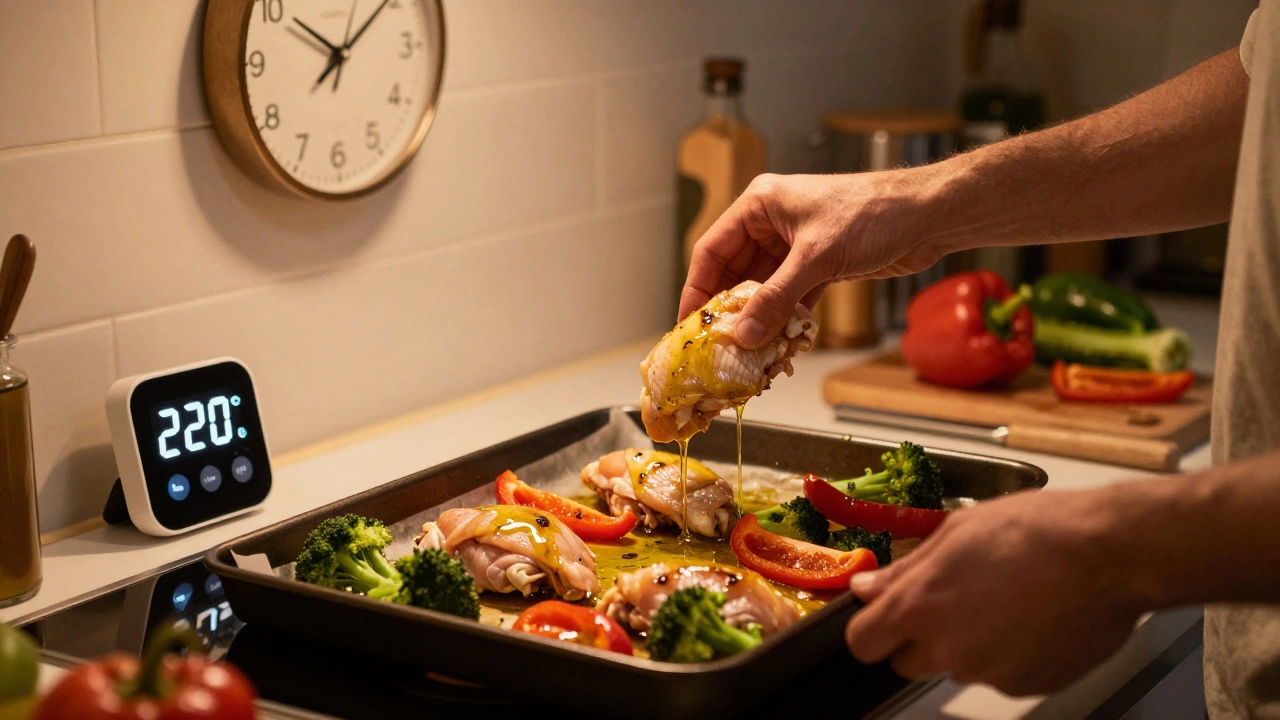
For example: chicken breasts, broccoli, bell peppers, and zucchini tossed in olive oil and Italian seasoning. Bake at 220°C for 20-25 minutes. Add a side of pre-cooked quinoa or microwave rice, and you’ve got a balanced meal in under 30 minutes. That’s faster than most slow cooker recipes even start cooking.
Pro tip: Use parchment paper. Cleanup takes 10 seconds. No scrubbing.
Stovetop Simmering: The Forgotten Fast Option
People forget that a regular stovetop isn’t slow. It’s actually the fastest way to cook most things - if you know how to use it.
Take a simple pasta sauce: heat olive oil in a saucepan, add minced garlic and crushed tomatoes. Let it bubble gently for 15 minutes. Stir in fresh basil and a pinch of sugar. That’s a sauce richer than anything from a Crockpot - and done before the kettle boils.
Or try a one-pot lentil stew: sauté onions and celery, add rinsed red lentils, vegetable broth, cumin, and paprika. Bring to a boil, then simmer for 20 minutes. Lentils cook fast because they’re already split. No soaking. No waiting. You’ve got protein, fiber, and flavor in less time than it takes to set your Crockpot.
Why the Crockpot Still Has Its Place - But Not for Every Night
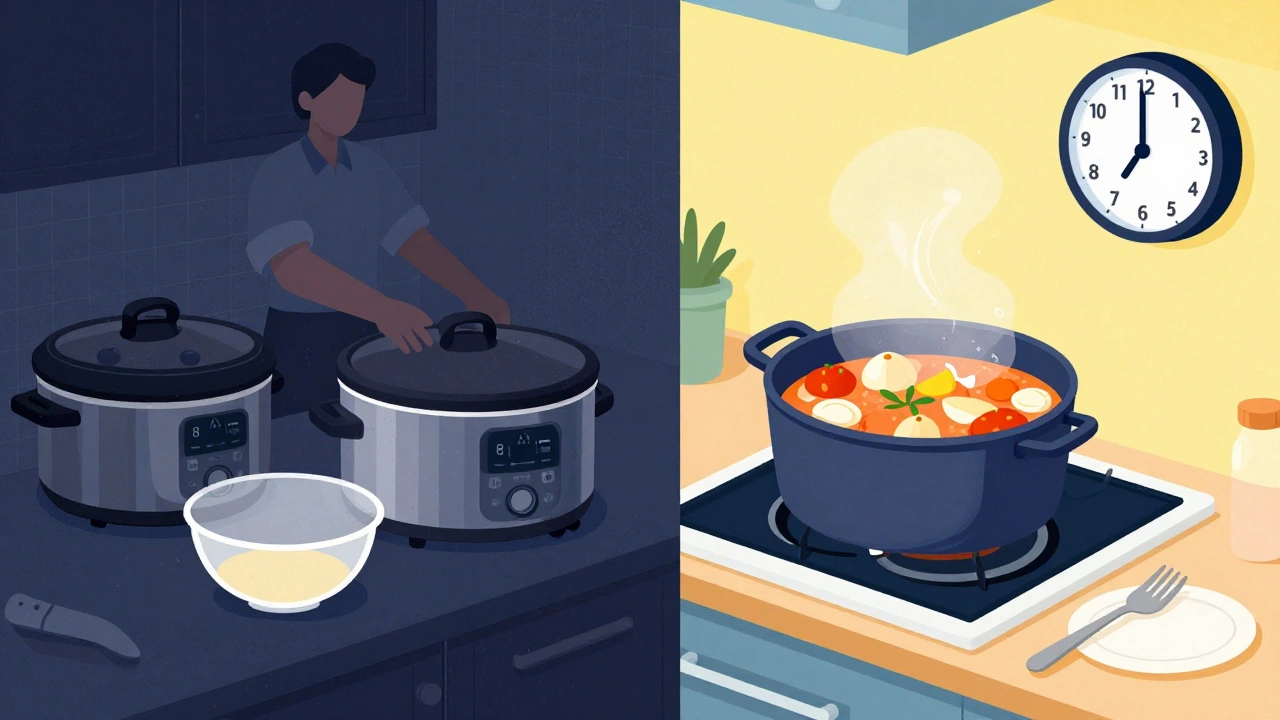
Don’t get me wrong - Crockpots are still great. They’re perfect for holidays, meal prep days, or when you’re leaving the house for 10 hours. But if you’re cooking dinner on a Tuesday night after work, waiting 6 hours isn’t practical. It’s like using a horse and cart to get to the supermarket when you’ve got a car in the garage.
Most people who swear by their Crockpot don’t realize they’re using it as a time-saver - but it’s actually a time-sink. You still need to prep ingredients in the morning. You still need to check if it’s done. And if you forget to turn it on? You’ve got zero dinner.
Pressure cookers, sheet pans, and stovetop meals don’t ask for morning prep. You can start cooking at 5:30 p.m. and eat by 6:15. That’s the real advantage.
Real-Life Comparison: Crockpot vs. Faster Alternatives
| Meal | Crockpot (Low) | Instant Pot | Sheet Pan (Oven) | Stovetop One-Pot |
|---|---|---|---|---|
| Beef Stew | 8 hours | 35 minutes | 45 minutes | 40 minutes |
| Chicken Thighs | 6 hours | 15 minutes | 25 minutes | 20 minutes |
| Black Beans | 7 hours (with soak) | 25 minutes | N/A | 30 minutes |
| Chili | 6 hours | 25 minutes | 35 minutes | 30 minutes |
| Pasta Sauce | 4 hours | 12 minutes | N/A | 15 minutes |
The pattern is clear: if you’re using a Crockpot for everyday meals, you’re spending way more time than you need to. The alternatives aren’t just faster - they’re often more flavorful. High heat caramelizes. Searing builds depth. Baking crisps edges. Slow cooking is gentle - but gentle doesn’t always mean better.
What to Do Next
If you’re ready to stop waiting for dinner, start here:
- Try one Instant Pot recipe this week - even if it’s just rice or chicken.
- Use one sheet pan for dinner tomorrow. Protein + veggies + oil + salt. That’s it.
- Swap one Crockpot meal for a stovetop one-pot. Try lentils or a quick tomato sauce.
- Keep your Crockpot for weekends or when you’re out all day. Don’t use it as your default.
You don’t need to throw out your Crockpot. You just need to stop letting it run the show. The fastest meals aren’t fancy. They’re simple. And they’re ready before the kids even ask, "Are we eating yet?"
Can I use a Crockpot for meals that normally take 30 minutes?
Technically yes, but you shouldn’t. Crockpots are designed for long, low-heat cooking. Using them for short meals means you’ll overcook ingredients, lose texture, and waste energy. For meals under an hour, use a stovetop, oven, or pressure cooker instead.
Is an Instant Pot worth the investment?
If you cook at home more than three times a week, yes. A basic Instant Pot costs between $80 and $120 in Australia and replaces a slow cooker, rice cooker, steamer, and pressure cooker. It saves time, reduces cleanup, and makes tough cuts of meat tender in minutes. Most users say it pays for itself in saved takeout bills within a month.
What’s the fastest way to cook chicken for dinner?
Boneless, skinless chicken thighs cooked on a sheet pan at 220°C take 20-25 minutes. In an Instant Pot, they’re done in 15 minutes with a quick release. On the stovetop, sear them in a skillet for 5 minutes per side. All three are faster than a Crockpot’s 6-hour cook time.
Do I need special ingredients for these faster methods?
No. The fastest meals use the same ingredients as Crockpot recipes - chicken, beans, tomatoes, onions, garlic, spices. The difference is how you cook them. High heat, shorter time, and fewer steps make the meal better, not more complicated.
Can I make vegetarian meals faster than a Crockpot?
Absolutely. Lentils, chickpeas, and tofu all cook faster with direct heat. A lentil stew takes 20 minutes on the stovetop. Roasted vegetables with quinoa take 25 minutes in the oven. Even tofu scrambles can be ready in 10 minutes. Slow cookers are slow for plant-based meals too.