
Sick-Day Recovery Planner
Select the foods that match your current symptoms to build a gentle meal plan.
Chicken Broth
Hydrates & Heals Gut
Rice / Congee
Gentle Energy Source
Bananas
Potassium Boost
Ginger Tea
Nausea Relief
Your Recommended Sick-Day Menu
You wake up with a sore throat, a stuffy nose, and zero energy. The last thing you want to do is cook a five-course meal. But skipping meals entirely leaves your body without the fuel it needs to fight off that bug. So, what are the four foods to eat when sick? It’s not about fancy ingredients or complex techniques. It’s about picking items that hydrate, soothe, and provide gentle energy. If you’re looking for comfort food recipes that actually help you recover, start here.
The Core Principle: Hydration and Gentle Fuel
When you’re ill, your digestive system slows down. Your body diverts energy toward your immune system, meaning heavy, greasy, or highly processed foods can sit in your stomach like bricks. You need foods that are easy to break down but nutrient-dense enough to keep your blood sugar stable. Think of it as giving your body a soft landing pad rather than a rocky road.
In Melbourne, where flu season often hits during our unpredictable autumn weather, I’ve learned that simplicity wins. You don’t need exotic superfoods. You need staples that are kind to your gut and supportive of your recovery. The goal isn’t just to stop hunger; it’s to reduce inflammation and replenish electrolytes lost through fever or sweating.
Food One: Chicken Broth (The Ultimate Healer)
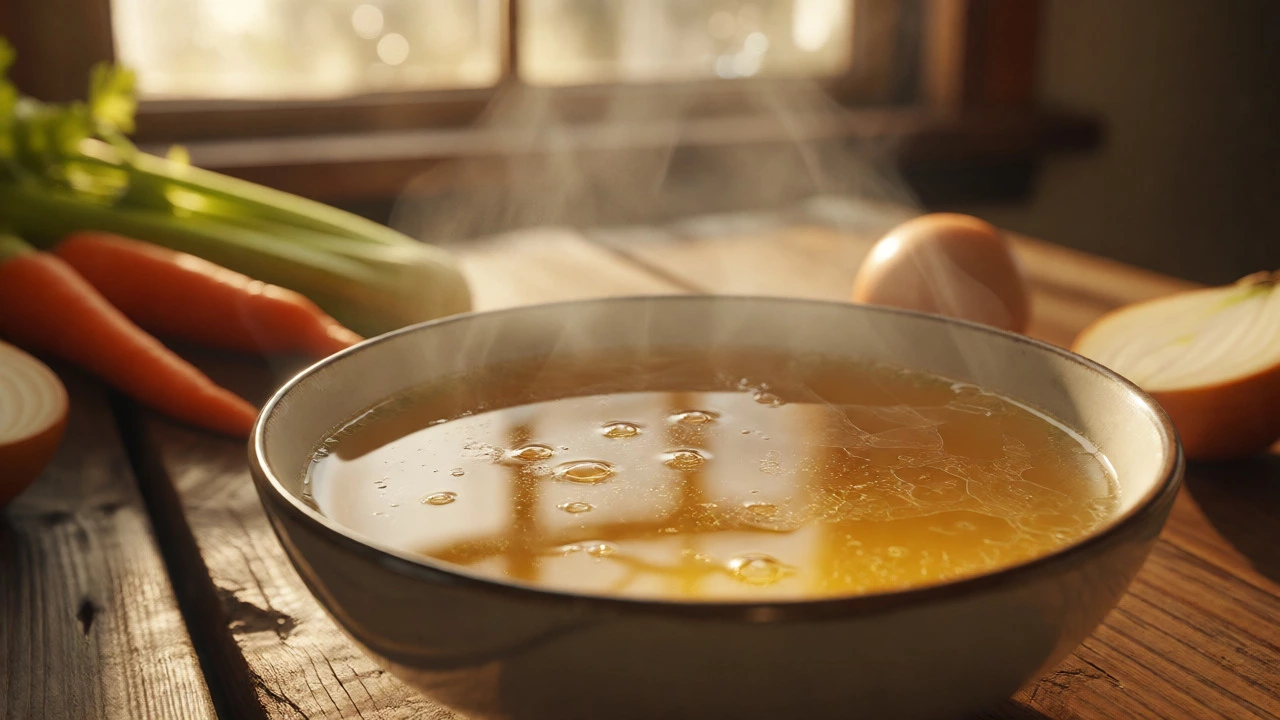
If there is one item on this list that stands above the rest, it’s Chicken Broth. While technically a liquid, it acts as a foundational food source when you can barely chew. A clear, simmered stock made from chicken bones, vegetables, and herbs, it provides essential electrolytes like sodium and potassium, which are crucial if you have a fever or diarrhea.
Why does it work so well? The collagen released from the bones during slow cooking helps heal the gut lining. Plus, the steam clears nasal passages. If you don’t have time to make it from scratch, high-quality store-bought versions work, but watch out for excessive salt or artificial additives. For best results, add a pinch of black pepper and turmeric-both known for their anti-inflammatory properties.
- Preparation Tip: Simmer chicken carcasses with carrots, celery, and onions for at least 4 hours.
- Serving Suggestion: Sip warm, not boiling hot, to avoid irritating a sore throat.
Food Two: Plain White Rice or Congee
Next up is Rice, specifically white rice or its softer cousin, Congee. A bland, easily digestible carbohydrate that provides quick energy without taxing the digestive system. Brown rice, while healthier normally, has too much fiber for a sensitive stomach. Stick to white.
Congee, also known as rice porridge, is particularly effective because it’s already partially broken down by prolonged cooking. It’s a staple in many Asian cultures for exactly this reason. In Australia, we often overlook it, but it’s arguably better than toast when you’re nauseous. It coats the stomach lining gently and keeps you hydrated due to its high water content.
| Food Item | Digestibility | Hydration Level | Best For |
|---|---|---|---|
| White Rice | High | Moderate | Nausea, low energy |
| Congee | Very High | High | Stomach upset, dehydration |
| Brown Rice | Moderate | Low | Recovery phase only |
| Whole Wheat Toast | Moderate | Low | Sore throat (if soft) |
Food Three: Bananas
When you’re vomiting or dealing with diarrhea, you lose potassium rapidly. Low potassium leads to muscle weakness and fatigue, making you feel worse than you already do. Enter Bananas. A soft, sweet fruit rich in potassium and easy-to-digest carbohydrates.
Bananas are part of the famous BRAT diet (Bananas, Rice, Applesauce, Toast), though modern medicine suggests we shouldn’t stick to it exclusively. However, bananas remain a top-tier choice because they require no cooking, no chewing effort, and provide immediate caloric intake. Choose ripe bananas with brown spots-they’re sweeter and easier to digest than green ones.
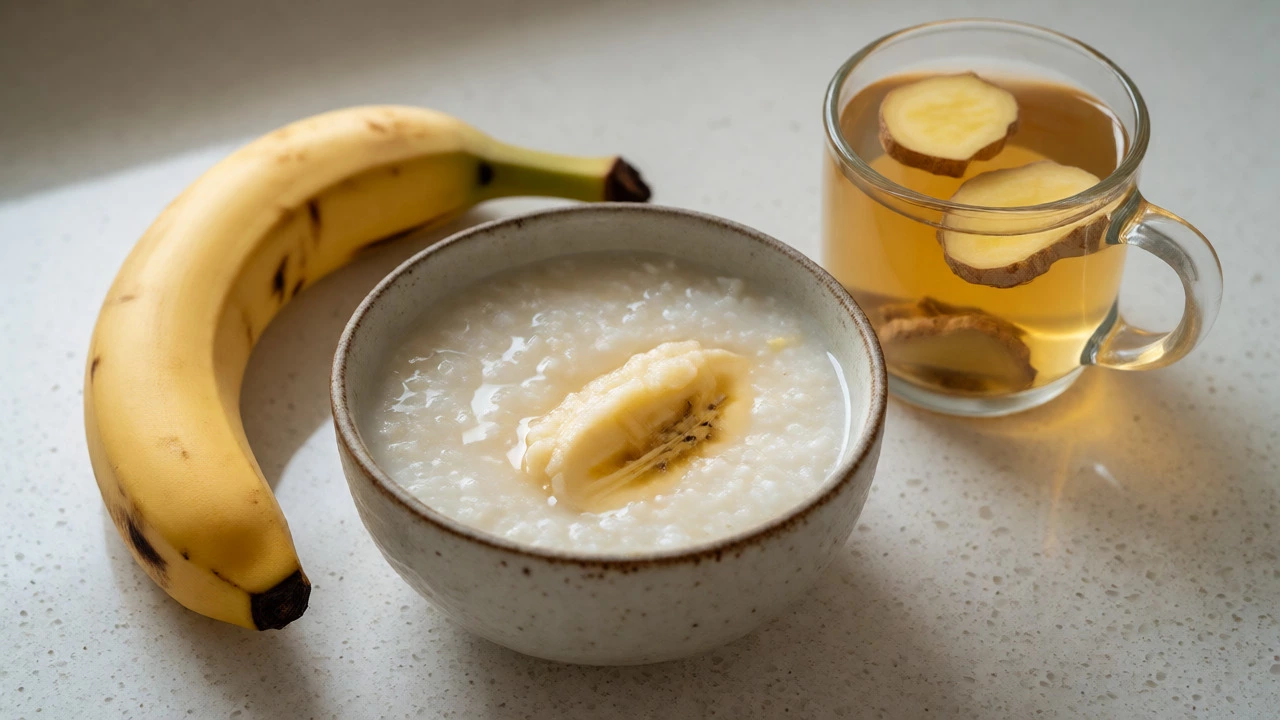
Pro tip: If your throat is raw, mash the banana into your congee or oatmeal. This adds sweetness without needing added sugar, which can sometimes worsen inflammation.
Food Four: Ginger Tea or Candied Ginger
Finally, you need something to tackle nausea directly. Ginger is a powerful natural remedy. A rhizome containing gingerol, a compound proven to reduce nausea and inflammation. Whether you brew fresh slices into tea or suck on candied ginger, it works quickly.
I keep a piece of fresh ginger in my freezer for these exact moments. Grating a small amount into hot water creates an instant soothing drink. If you find the taste too spicy, mix it with honey and lemon. Honey also has mild antibacterial properties, adding another layer of benefit. Avoid commercial ginger ales loaded with corn syrup; they often do more harm than good.

Putting It Together: A Simple Sick-Day Menu
You don’t need to eat all four foods at once. Spread them out over the day. Here’s how a typical recovery day might look:
- Morning: Start with warm ginger tea and half a mashed banana. This wakes up your digestion gently.
- Lunch: A bowl of chicken broth with a few spoonfuls of cooked white rice mixed in. The broth provides hydration, the rice provides substance.
- Afternoon Snack: Another banana or a few sips of broth if you’re still queasy.
- Dinner: More broth-based soup with soft vegetables, or plain congee with a little salt.
This approach ensures you’re getting calories, fluids, and electrolytes without overwhelming your system. As your appetite returns, you can gradually introduce other foods like steamed chicken breast or applesauce.
What to Avoid
Just as important as knowing what to eat is knowing what to skip. Dairy products can increase mucus production in some people, making congestion worse. Sugary treats feed inflammation and can cause energy crashes. Fatty or fried foods delay gastric emptying, leading to bloating and discomfort. Alcohol dehydrates you further, so steer clear until you’re fully recovered.
Final Thoughts on Recovery
Eating right when you’re sick isn’t about gourmet dining. It’s about strategic fueling. By focusing on chicken broth, rice, bananas, and ginger, you give your body the tools it needs to repair itself. These four foods are accessible, affordable, and effective. They respect your limited energy levels while providing maximum nutritional return. Next time you catch a cold in Melbourne’s damp chill, skip the takeout menu and reach for these simple staples instead.
Is the BRAT diet still recommended?
The BRAT diet (Bananas, Rice, Applesauce, Toast) was traditionally recommended for gastrointestinal issues. However, recent medical guidelines suggest it lacks sufficient protein and fat for optimal recovery. It’s fine for short-term use to settle the stomach, but you should aim to incorporate broth and other nutrients as soon as possible.
Can I eat spicy food when I’m sick?
Generally, no. Spicy foods can irritate a sore throat or upset an already sensitive stomach. Ginger is an exception because it’s anti-nausea rather than purely capsaicin-driven heat. Stick to mild flavors until your symptoms subside.
How much fluid should I drink when sick?
Aim for at least 2-3 liters of fluid per day, including broths and teas. Monitor your urine color; pale yellow indicates good hydration. Dark yellow means you need to drink more.
Are probiotics helpful when sick?
Yes, especially if you’re taking antibiotics or have had stomach issues. Yogurt with live cultures or kefir can help restore gut health. Choose unsweetened varieties to avoid excess sugar.
Should I force myself to eat?
Listen to your body. If you have no appetite, focus on fluids like broth and herbal teas first. Once nausea passes, try small amounts of bland foods like bananas or rice. Don’t force large meals.