
Vegetarian Sweets Scanner
Select a candy type or ingredient from the list below to see its vegetarian status and learn about safe alternatives.
Common Items
- Gummy Bears/Worms High Risk
- Marshmallows High Risk
- Dark Chocolate Check Label
- Milk Chocolate Lacto-Veg
- Hard Boiled Sweets Check Coating
- Licorice Varies
- Fruit Sorbet Usually Safe
- Baklava Check Fats
Select an item on the left to view details.
Item Name
Status-
-
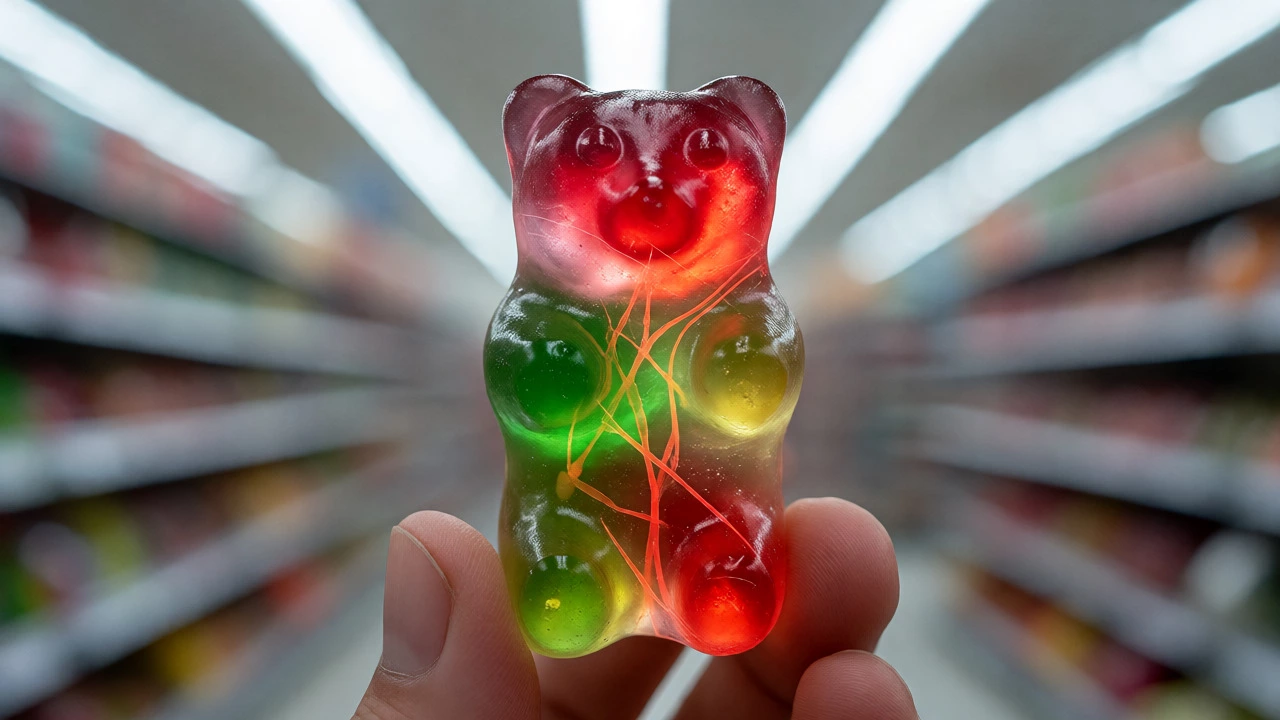
You’re standing in the supermarket aisle, staring at a bag of gummy bears. They look innocent enough-sugar, flavoring, color. But for vegetarians, that chewy texture often hides a secret ingredient derived from animal bones and skin: gelatin. It’s one of the most common pitfalls in vegetarian sweets, but it’s far from the only one. If you’ve ever felt betrayed by a "fruit" jelly or a creamy chocolate bar, you know the frustration of realizing your treat wasn’t actually meat-free.
The confusion stems from how food labeling works. In many countries, including Australia where I live, manufacturers aren’t always required to explicitly state if a product contains non-vegetarian additives like certain red dyes or animal-derived fats. This means reading labels isn’t just a suggestion; it’s a necessary skill. But don’t panic. You don’t have to give up cake, chocolate, or candy. You just need to know what to look for and which alternatives actually taste good.
The Hidden Ingredients That Make Sweets Non-Vegetarian
Before we list what you can eat, let’s talk about what you can’t. Most people know about gelatin, but there are other sneaky culprits lurking in pantry staples. Understanding these helps you navigate any shelf, not just the candy aisle.
Gelatin is the big one. It’s a protein obtained by boiling skin, tendons, ligaments, and/or bones with water. It gives gummies, marshmallows, and some yogurts their wobble. If you see it on the label, put it back unless you’re okay with eating cow or pig parts.
Then there’s Carmine (also known as Cochineal or E120). This is a bright red dye made from crushed cochineal insects. It’s used in strawberry-flavored candies, red velvet cakes, and even some fruit juices. It’s technically vegetarian? No, it’s definitely not. If you want red without the bug crunch, look for beet juice or paprika extract instead.
Don’t forget L-cysteine. This dough conditioner makes breads and pastries soft and fluffy. While it can be synthetic, it’s frequently sourced from duck feathers or hog hair. If you’re buying pre-made cookie dough or commercial buns, check for this additive.
Finally, keep an eye out for Rennet in cheese-based desserts. Traditional rennet comes from the stomach lining of calves. Vegetarian cheeses use microbial or plant-based enzymes, but they cost more, so cheaper brands often skip them. Always check cheesecake or quiche fillings specifically.
Candy Aisle Survival Guide
Walking into a confectionery store can feel like navigating a minefield. Here is a quick breakdown of common candies and their vegetarian status. Note that brands change recipes, so always double-check the specific packet you’re holding.
| Candy Type | Typical Animal Ingredient | Vegetarian Alternative | Status |
|---|---|---|---|
| Gummy Bears/Worms | Gelatin | Pectin, Agar-Agar | Usually Not Veg |
| Marshmallows | Gelatin | Tapioca Starch, Aquafaba | Mostly Not Veg |
| Milk Chocolate | Milk (Dairy) | Dairy is OK for Lacto-Vegans | Yes (Lacto) |
| Dark Chocolate | Whey/Milk Solids | Check Label for Milk Powder | Often Yes |
| Hard Boiled Sweets | Beeswax (coating) | Shellac (sometimes insect-derived) | Check Coating |
| Licorice | Beeswax/Gelatin | Starch-based licorice | Varies |
Notice that dark chocolate is often safer than milk chocolate for vegans, but for lacto-vegetarians, both are fine. The real trap is the "natural flavors" line. Sometimes, natural vanilla flavoring is extracted using alcohol, which is fine, but sometimes it’s mixed with glycerin derived from animals. It’s rare, but it happens.
Baking Without Eggs and Gelatin
If you bake, you know eggs are structural heroes. They bind ingredients and provide moisture. But you can make incredible cakes without cracking a single shell. The key is understanding what each egg does and replacing that function.
For binding, try Flax Eggs. Mix one tablespoon of ground flaxseed meal with three tablespoons of warm water. Let it sit for five minutes until it gets gloopy. It works wonders in muffins, pancakes, and dense brownies. It adds a slight nutty flavor, which pairs well with chocolate or spices.
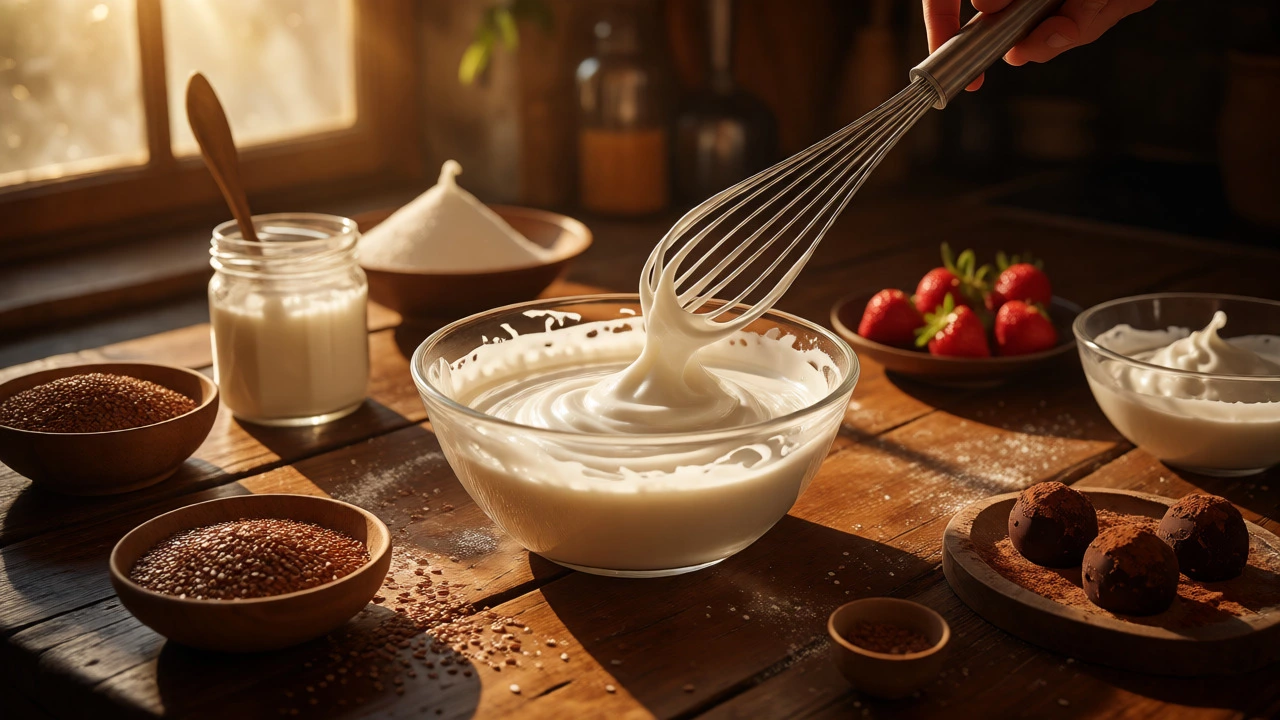
For lightness and leavening, use Aquafaba. This is the liquid left over from cooking chickpeas. Whip it up, and it foams exactly like egg whites. You can make meringues, macarons, and mousse using nothing but aquafaba and sugar. It’s cheap, effective, and tastes neutral.
For moisture, applesauce or mashed banana works great. One quarter cup of unsweetened applesauce replaces one egg. Just remember, this makes baked goods denser. If you’re making a sponge cake that needs airiness, stick to aquafaba or commercial egg replacers based on potato starch.
Dessert Ideas That Pass the Test
Let’s move from theory to practice. Here are some dessert categories that are naturally friendly to vegetarians, provided you check the dairy source.
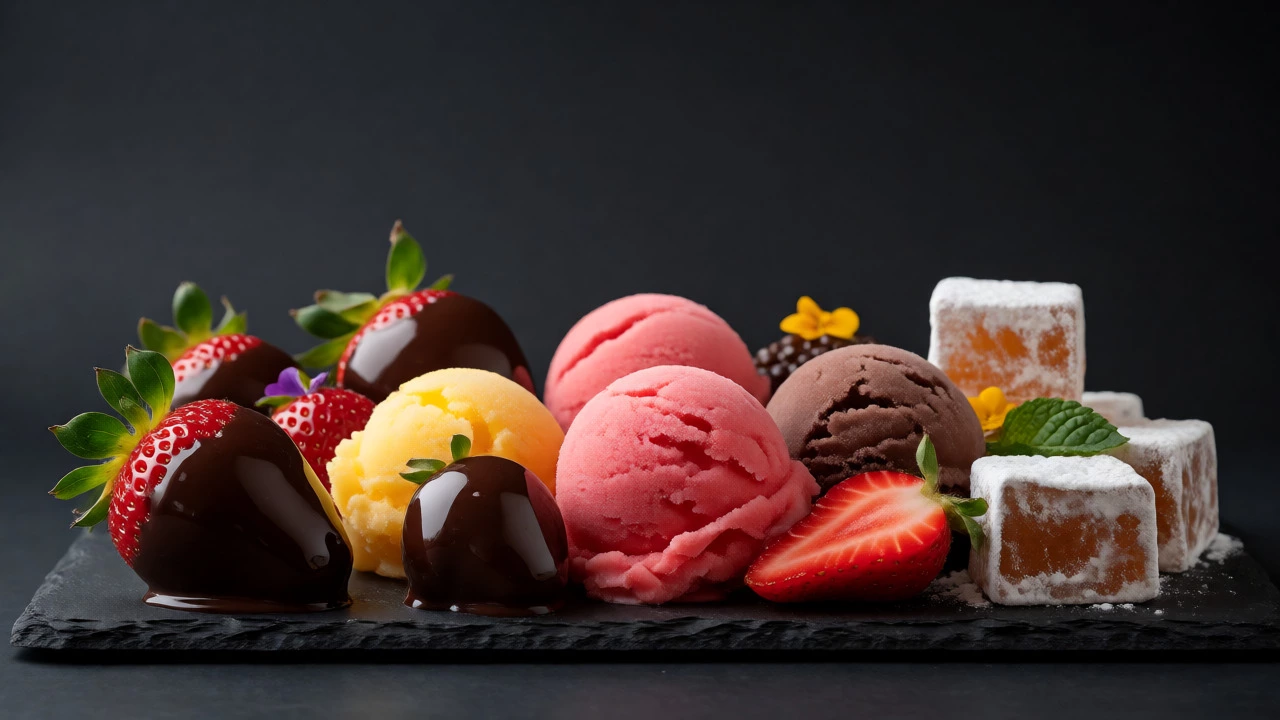
- Fruit Sorbet: Made from fruit puree, sugar, and water. No cream, no eggs, no gelatin. Just ensure it doesn’t contain carmine if it’s red-colored.
- Dark Chocolate Truffles: Use coconut cream instead of heavy cream for a vegan option, or standard dairy cream if you’re lacto-vegetarian. Roll them in cocoa powder or chopped nuts.
- Chia Seed Pudding: Soak chia seeds in almond or oat milk overnight. The seeds swell up and create a tapioca-like texture. Top with fresh berries and honey (if you eat honey) or maple syrup.
- Homemade Ice Cream: Many store-bought ice creams use stabilizers like carrageenan (seaweed, safe) or guar gum (plant, safe), but some use whey powder. Making your own with full-fat coconut milk and condensed milk ensures you control every ingredient.
One of my go-to treats in Melbourne is a simple pavlova. Traditionally, it uses egg whites. But you can make a stunning version using aquafaba. Bake it low and slow, and you get that crisp outside and marshmallow-y inside. Serve it with passionfruit pulp and whipped coconut cream. Nobody will guess it’s egg-free.
Reading Labels Like a Pro
Labels are tricky because regulations vary. In Australia, allergens must be declared, but non-allergen animal products like gelatin might not stand out. Look for the "Suitable for Vegetarians" logo. Organizations like the Vegetarian Society certify products, which takes the guesswork out.
If there’s no logo, scan the ingredient list for these keywords:
- E-number E441: This is gelatin.
- E120: This is cochineal/carmine.
- E904: Shellac. Often used as a glaze on chocolates and candies. It’s resin from lac bugs. Some vegetarians avoid it, others don’t. Decide your stance.
- Isinglass: Used in filtering beer and wine. If you’re pairing dessert with a drink, check this too.
When in doubt, call the manufacturer. Companies like Cadbury or Haribo often have customer service lines that can confirm if a specific batch uses pork or beef gelatin. It sounds tedious, but once you build a mental database of safe brands, shopping becomes fast again.
Localizing Your Sweet Tooth
Where you live affects your options. In the UK, strict labeling laws mean most products clearly state "suitable for vegetarians." In the US, the FDA doesn’t define "vegetarian," so you rely on voluntary certifications. In Australia, we have clear guidelines, but imported goods might follow different rules.
For example, British liquorice often contains wheat flour, which is fine, but American versions might use different stabilizers. Always read the local packaging. Also, consider cultural sweets. Turkish delight is traditionally made with cornstarch and sugar, making it inherently vegetarian. However, modern mass-produced versions sometimes add gelatin for chewiness. Authentic shops usually sell the traditional, gelatin-free kind.
Another tip: explore ethnic grocery stores. Middle Eastern baklava uses phyllo dough, nuts, and syrup. Phyllo is typically just flour, water, oil, and salt. Check the butter content-some use clarified butter (ghee), which is vegetarian, while others might mix in animal fats. Halal certification doesn’t guarantee vegetarian, but Kosher certification often avoids mixing meat and dairy, though it doesn’t strictly exclude gelatin.
FAQ: Common Questions About Vegetarian Sweets
Are all chocolates vegetarian?
No. While dark chocolate is often vegetarian, many brands add milk solids or whey powder to improve texture. Milk chocolate is vegetarian for lacto-vegetarians but not vegans. White chocolate almost always contains dairy. Always check the label for "milk" or "whey" if you are avoiding all animal products.
Why are gummy bears not vegetarian?
Traditional gummy bears use gelatin as a gelling agent. Gelatin is derived from collagen found in animal bones, skin, and connective tissues, usually from pigs or cows. To find vegetarian gummies, look for those made with pectin (from fruit) or agar-agar (from seaweed).
Is honey considered vegetarian?
This depends on the type of vegetarianism. Lacto-ovo vegetarians generally consume honey because they do not avoid animal by-products that don't involve killing the animal. However, vegans and some strict vegetarians avoid honey because it involves exploiting bees. If you are unsure, ask the person or check if the recipe specifies "vegan" or "vegetarian."
What is a good substitute for gelatin in desserts?
Agar-agar is the most common plant-based substitute. It is derived from red algae and sets firmly. Pectin is another option, especially for jams and jellies, derived from fruits. Carrageenan, from seaweed, is also used in dairy alternatives. For a softer set, you can use konjac root or xanthan gum, though they work differently than gelatin.
Can vegetarians eat marshmallows?
Standard marshmallows are not vegetarian because they contain gelatin. However, you can buy vegan marshmallows made from tapioca syrup and potato starch. Brands like Dandies and Trader Joe's offer these. Alternatively, you can make homemade marshmallows using aquafaba.
Do all red candies contain insects?
Not all, but many do. Red dyes like Carmine (E120) are made from cochineal insects. However, many brands now use artificial red dyes (like Red 40) or plant-based colors like beetroot, radish, or paprika extract. Always check the ingredient list for "Carmine," "Cochineal," or "E120" to be sure.
Next Steps for Your Sweet Tooth
Start small. Next time you shop, pick one new brand of gummy candy labeled "pectin-based" or "agar-based." Try a dark chocolate bar with 70% cacao and no milk solids. Bake a batch of muffins using flax eggs. These small experiments build confidence.
If you’re hosting guests, serve fruit sorbet or dark chocolate-dipped strawberries. Both are universally loved and rarely contain hidden animal derivatives. Keep a cheat sheet on your fridge door with the bad ingredients (Gelatin, Carmine, Rennet) so you can glance at it while cooking or shopping.
Remember, being vegetarian doesn’t mean missing out on joy. It just means paying a little more attention. Once you learn the codes and the substitutes, you’ll realize the world of vegetarian sweets is surprisingly vast and delicious.