
High-Protein Vegetarian Snack Finder
Your Daily Protein Target:
0g
Per day
| Snack Item | Protein | Fiber | Best For |
|---|
You hit 3 PM. Your energy crashes, your stomach growls, and you’re staring into the pantry like it owes you money. You want something that won’t spike your blood sugar or leave you hungry an hour later. But here’s the catch: you don’t eat meat. So, what snack is high in protein? If you think you’re limited to sad celery sticks or plain rice cakes, you’re missing out on some seriously satisfying options.
Getting enough protein is crucial for muscle repair, satiety, and steady energy levels, especially when following a vegetarian diet. The good news? Plants are packed with it. From crunchy legumes to creamy seeds, there’s a whole world of high-protein bites that taste amazing and keep you full. Let’s break down the best options so you can stop guessing and start snacking smart.
The Powerhouse Legumes: More Than Just Hummus
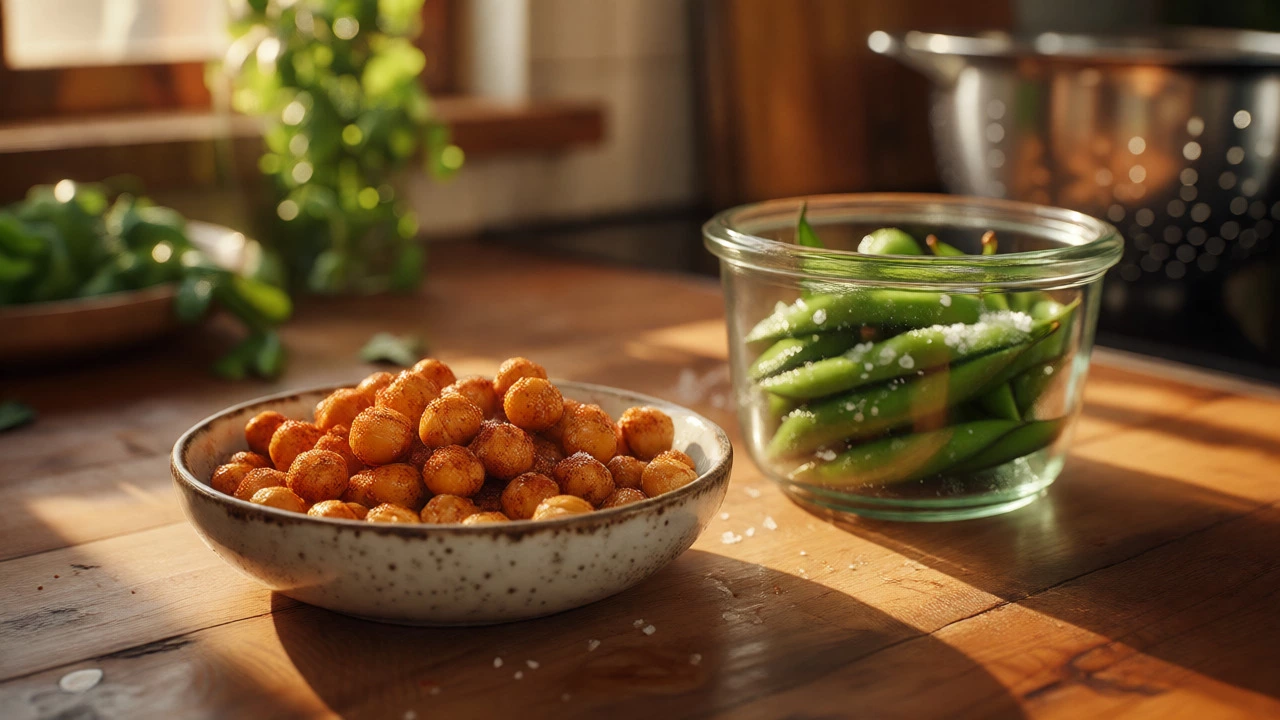
When people hear "vegetarian protein," they often think of tofu first. But legumes are one of the most accessible and affordable sources of plant-based protein available, and they make incredible snacks. Roasted chickpeas are probably the MVP here. They’re crunchy, salty, and surprisingly filling. A half-cup serving packs about 7 grams of protein and 6 grams of fiber. That combo is magic for keeping hunger at bay.
Don’t just buy them pre-roasted with generic seasoning. Make your own. Toss canned chickpeas (rinsed and dried thoroughly) with olive oil, smoked paprika, garlic powder, and a pinch of cayenne. Roast at 200°C until crispy. It takes 40 minutes, but you get a week’s worth of snacks for pennies. Edamame is another winner. These young soybeans are tender, slightly sweet, and loaded with complete protein-meaning they have all nine essential amino acids. Steamed edamame with sea salt is a classic for a reason. One cup gives you 17 grams of protein. Keep bags of frozen edamame in the freezer; microwave them for two minutes, sprinkle with flaky salt, and you’ve got a hot, healthy snack ready before you finish checking your emails.
Dairy and Dairy Alternatives: Creamy and Convenient
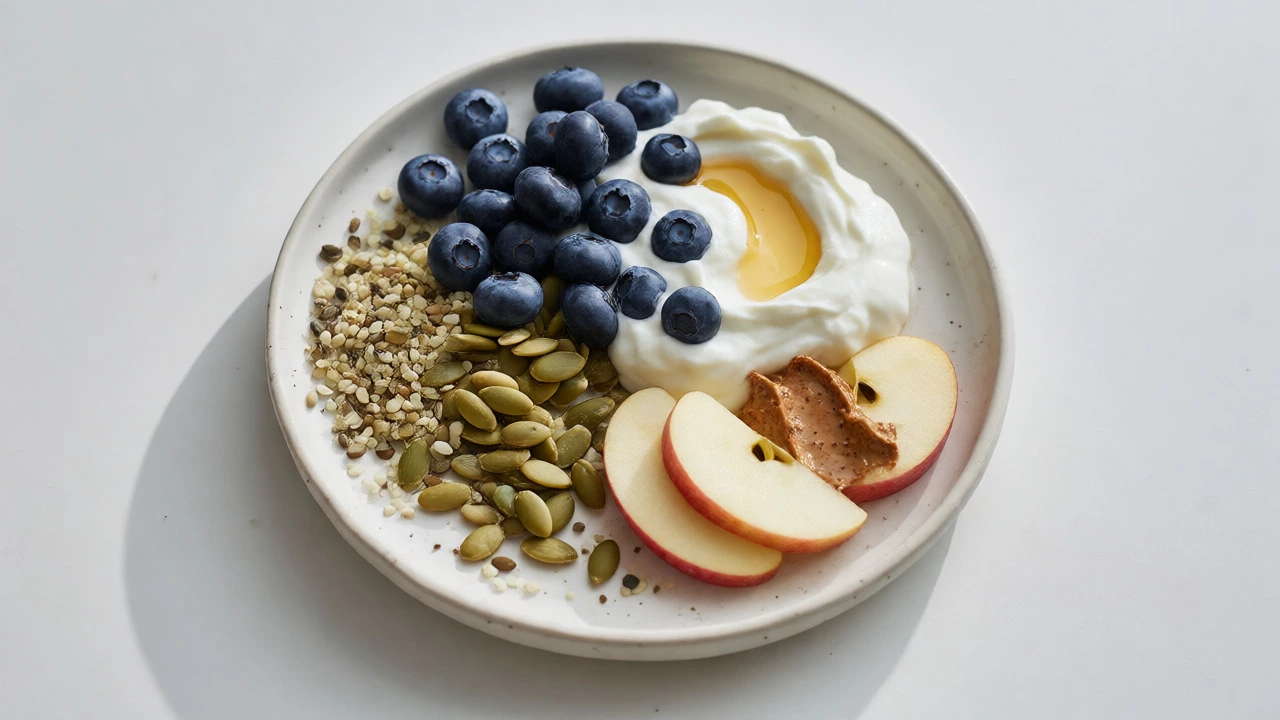
If you eat dairy, you have easy wins. Greek yogurt is strained to remove whey, resulting in a thicker texture and nearly double the protein content of regular yogurt. A standard 170g tub can contain anywhere from 15 to 20 grams of protein depending on the brand. Look for plain varieties to avoid added sugars, then add your own toppings. Berries, a drizzle of honey, or a spoonful of nut butter turn it into a dessert-like treat without the crash.
For those avoiding dairy, cottage cheese is an underrated snack option that provides casein protein, which digests slowly and keeps you full longer. It’s also rich in calcium. Pair it with pineapple chunks or savory options like cherry tomatoes and black pepper. If you’re vegan, look for high-protein plant yogurts made from soy or pea protein. Coconut yogurt tastes great but has almost no protein, so check labels carefully. Soy yogurt is usually the closest nutritional match to Greek yogurt among plant-based options.
Nuts, Seeds, and Nut Butters: Calorie-Dense Fuel
Nuts and seeds are calorie-dense, so portion control matters, but their protein-to-fat ratio makes them excellent for sustained energy. Pumpkin seeds (pepitas) are one of the highest-protein seeds, offering around 9 grams per ounce along with magnesium and zinc. They’re great raw, roasted, or sprinkled over salads. Hemp seeds are another secret weapon. They have a mild, nutty flavor and provide 10 grams of protein per three tablespoons. Sprinkle them on avocado toast or blend them into smoothies. You won’t even notice they’re there, but your muscles will thank you.
Almonds are widely available and offer 6 grams of protein per ounce, plus healthy monounsaturated fats. They’re perfect for desk drawers. Peanut butter is a staple, but watch out for brands with added sugar and palm oil. Natural peanut butter, where the oil separates, is cleaner. Two tablespoons give you 8 grams of protein. Pair it with apple slices or celery for a classic crunch-and-creamy combo. Almond butter offers a similar profile with more vitamin E.
Soy Products: Beyond the Block
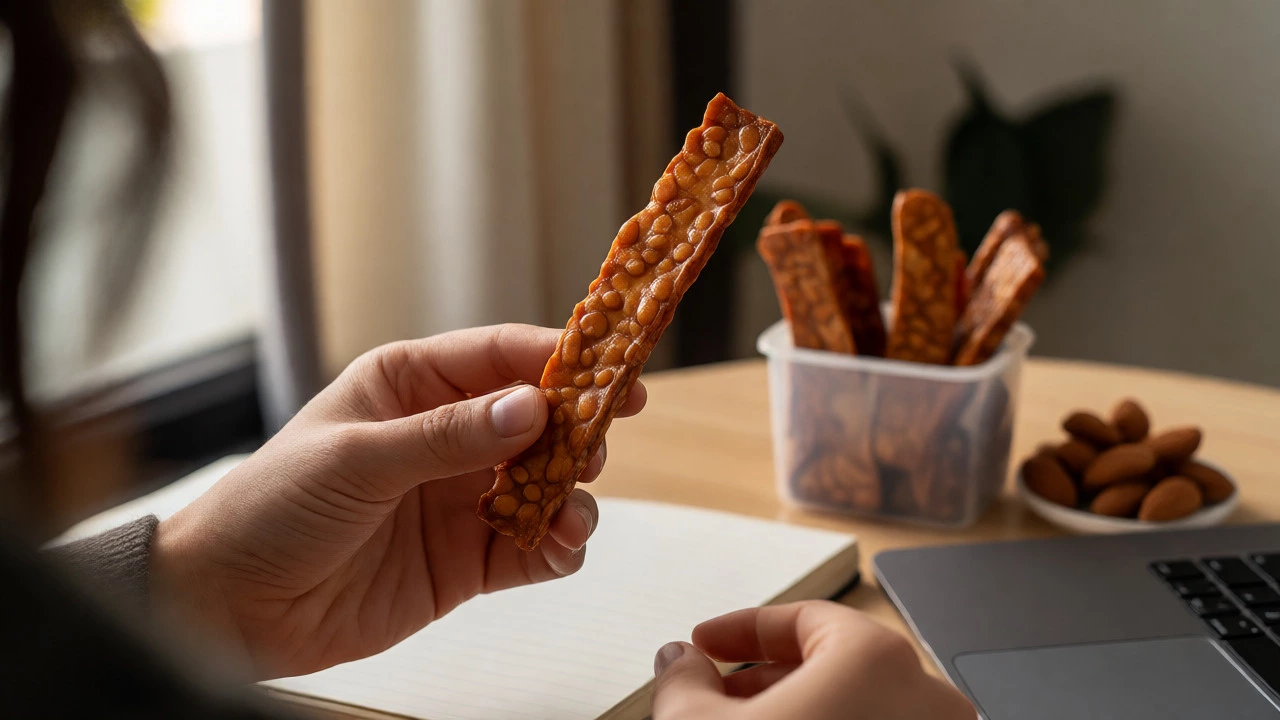
Tofu isn’t just for stir-fries. Tempeh is a fermented soy product with a firm texture and earthy flavor, containing more protein and probiotics than tofu. You can marinate thin slices of tempeh in tamari and maple syrup, then bake them until chewy and caramelized. These "tempeh jerky" strips are fantastic for hiking or office snacking. One cup of tempeh delivers a massive 31 grams of protein.
Edamame, mentioned earlier, falls under this category too, but let’s talk about tofu skin also known as yuba, which is the film formed on the surface of boiling soy milk, extremely high in protein and low in carbs. It’s often sold dried and rehydrates quickly. Use it to wrap veggies or fry it for a crispy chip alternative. Seitan, or wheat gluten, is another heavyweight. While not suitable for gluten-free diets, seitan has 25 grams of protein per 100 grams. Small cubes of seasoned seitan can be eaten cold or heated up as a savory bite.
Convenience Foods: Bars, Jerky, and Puffs
Sometimes you need grab-and-go options. Not all protein bars are created equal. Many are essentially candy bars with extra steps. Look for bars with less than 10 grams of sugar and at least 10 grams of protein. Brands using pea protein, brown rice protein, or nuts tend to be cleaner. Avoid bars filled with chicory root fiber if you have a sensitive stomach-it can cause bloating.
Vegan jerky is gaining traction. Made from mushrooms, soy, or pea protein, these snacks satisfy the craving for something chewy and salty. Mushroom jerky, particularly made from shiitake or king oyster mushrooms, has a umami depth that mimics beef jerky surprisingly well. Pea protein puffs are another trend. They’re light, airy, and come in flavors like cheddar or spicy ranch. Check the label, though; some are mostly air and starch. Aim for ones where protein is listed in the top three ingredients.
Comparison of Top High-Protein Vegetarian Snacks
| Snack Item | Protein (per typical serving) | Fiber | Best For |
|---|---|---|---|
| Roasted Chickpeas (½ cup) | 7g | 6g | Crunchy cravings, budget-friendly |
| Greek Yogurt (170g tub) | 15-20g | 0g | Quick energy, gut health |
| Edamame (1 cup, podded) | 17g | 8g | Satiety, complete protein |
| Pumpkin Seeds (1 oz) | 9g | 2g | Magnesium boost, portable |
| Cottage Cheese (½ cup) | 14g | 0g | Slow-release energy, calcium |
| Hemp Seeds (3 tbsp) | 10g | 3g | Smoothie topping, omega-3s |
How to Build a Balanced Snack Plate
Protein alone isn’t always enough. To stay truly satisfied, pair protein with fiber and healthy fats. This trifecta slows digestion and stabilizes blood glucose. For example, don’t just eat an apple. Eat an apple with almond butter. Don’t just drink a smoothie. Add hemp seeds and spinach to it. Don’t just eat hummus. Dip carrot sticks or whole-grain crackers into it.
A simple rule of thumb: aim for 10-15 grams of protein per snack. This amount is significant enough to curb hunger without requiring a full meal’s worth of calories. If you’re active or trying to build muscle, lean toward the higher end. If you’re sedentary, stick to 10 grams. Listen to your body. Some days you’ll need a handful of almonds; other days, you’ll need a bowl of lentil soup cooled down for sipping. There’s no shame in eating more if you’re genuinely hungry.
Common Pitfalls to Avoid
Beware of "health halo" foods. Granola looks healthy but is often loaded with sugar and low in protein. Trail mix is great, but many store-bought versions are half chocolate and half raisins. Make your own trail mix with nuts, seeds, and a small amount of dark chocolate chips. Also, watch out for processed mock meats. While convenient, some veggie burgers or sausages are highly processed and may contain fillers. Whole food sources like beans, nuts, and seeds should form the backbone of your snacking strategy.
Another mistake is ignoring hydration. Sometimes thirst masquerades as hunger. Drink a glass of water before reaching for a snack. If you’re still hungry after ten minutes, go ahead and eat. Often, you’ll find the urge passes.
What is the easiest high-protein vegetarian snack to prepare?
Hard-boiled eggs are arguably the easiest if you eat eggs. Boil a batch on Sunday, peel them, and store them in the fridge for quick grabs. For a strictly plant-based option, steamed edamame requires zero prep beyond microwaving frozen pods for two minutes. Both require no cooking skills and minimal cleanup.
Are nuts high in calories despite being high in protein?
Yes, nuts are calorie-dense because they are high in healthy fats. However, studies suggest that our bodies don't absorb all the calories from whole nuts due to their fibrous structure. Portion control is key. Stick to a small handful (about 1 ounce or 28 grams) to enjoy the benefits without excessive calorie intake.
Can I get enough protein from snacks alone?
It depends on your total daily needs. Most adults need 0.8g of protein per kg of body weight, while athletes may need 1.2-2.0g. Snacks help bridge gaps between meals, but relying solely on snacks might lead to frequent eating. It's best to combine protein-rich snacks with balanced main meals containing grains, vegetables, and legumes.
What are the best high-protein snacks for weight loss?
Focus on high-volume, high-fiber, high-protein options that keep you full for fewer calories. Examples include roasted chickpeas, cottage cheese with berries, and edamame. These foods promote satiety through fiber and protein content, reducing overall calorie intake by preventing overeating later in the day.
Is tofu a good snack option?
Tofu itself is bland, but it becomes an excellent snack when prepared correctly. Crispy baked tofu cubes marinated in soy sauce, ginger, and sesame oil are delicious and portable. Silken tofu can also be blended into pudding-like desserts with cocoa powder and sweetener, providing a creamy, high-protein treat.