
Comfort Food Flavor Architect
Build your "yummiest" meal by selecting one element from each flavor category. The tool will analyze your combination based on the Bliss Point and Umami principles mentioned in the article.
1. The Base (Starch/Satiety)
2. The Umami (Depth/Savor)
3. The Contrast (Bright/Fresh)
4. The Texture (The Crunch)
Your Flavor Analysis:
Select items to begin.
Before we dive into the global heavy-hitters, let's get the basics straight. We aren't talking about Michelin-star foam or tiny portions on giant plates. We're talking about soul-satisfying meals. To understand what makes something truly delicious, we have to look at the science of taste. Most of the world's most loved dishes rely on "umami," that fifth taste that feels savory and deep. It's what makes a slow-cooked stew or a piece of aged cheese feel like a hug for your stomach.
The Heavy Hitters of Global Comfort
If we look at global popularity and flavor density, a few dishes consistently top the charts. These aren't just meals; they're cultural icons that satisfy a primal craving for richness.
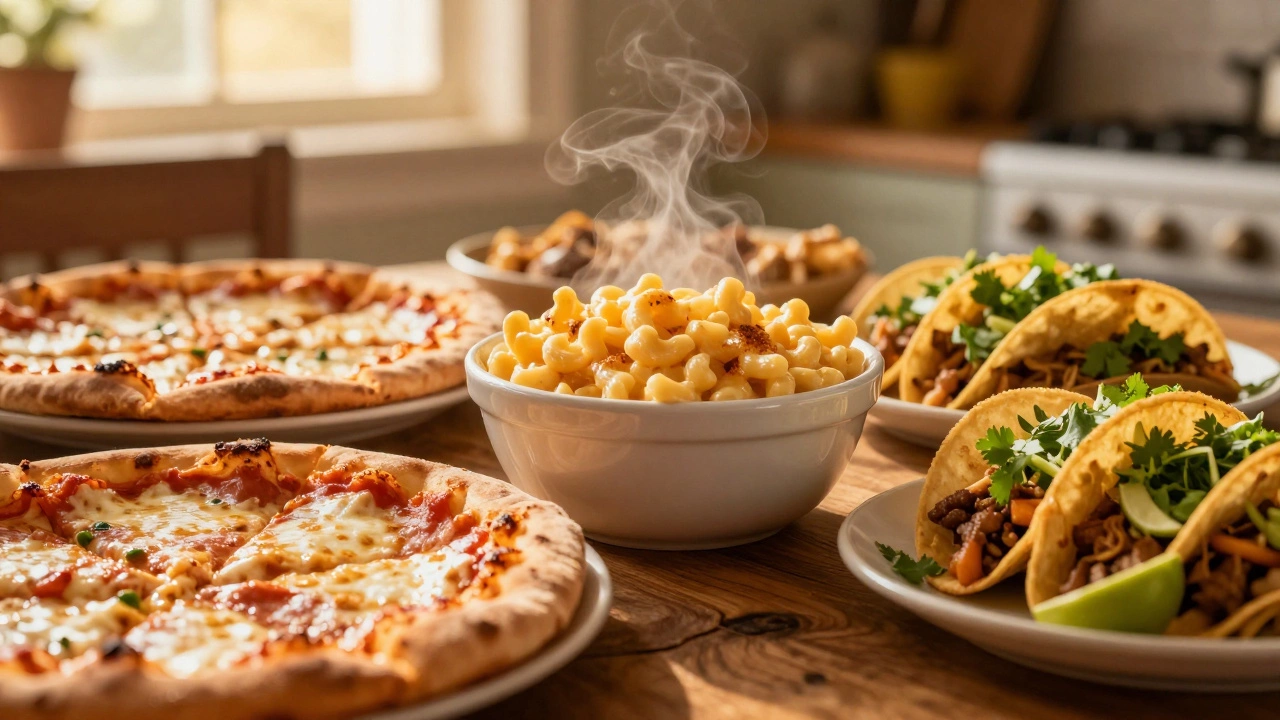
Pizza is a savory dish of Italian origin consisting of a flattened base of leavened wheat-based dough topped with tomatoes, cheese, and other ingredients. It's a global powerhouse because it hits three major marks: the crunch of the crust, the acidity of the tomato sauce, and the fatty richness of melted mozzarella. When you combine these, you get a flavor profile that almost everyone on earth finds appealing.
Tacos are traditional Mexican dishes consisting of a small hand-sized corn or wheat tortilla topped with a filling. Tacos win because of contrast. You have the warmth of the meat, the freshness of raw onions and cilantro, and the sharp kick of lime juice. This balance of heavy and bright flavors prevents the meal from feeling too greasy, which lets you eat more of them without feeling overwhelmed.
Sushi is a Japanese dish featuring specially prepared vinegar-seasoned rice combined with other ingredients, often raw seafood. While less "heavy" than pizza, sushi satisfies a different kind of craving: the desire for purity and freshness. The combination of fatty fish (like salmon or tuna) with the slight tang of rice vinegar creates a clean, savory experience that feels luxurious.
| Dish | Dominant Taste | Key Texture | Emotional Trigger |
|---|---|---|---|
| Pizza | Salty/Umami | Chewy & Crispy | Social Sharing |
| Tacos | Spicy/Acidic | Soft & Crunchy | Street Culture |
| Sushi | Clean/Salty | Smooth & Sticky | Precision/Art |
| Mac and Cheese | Creamy/Salty | Gooey | Childhood Nostalgia |
The Secret Sauce: Why We Crave These Foods
Have you ever wondered why a grilled cheese sandwich tastes better when it's raining outside? It's not just in your head. Many of the world's yummiest foods are high in carbohydrates and fats. These nutrients trigger the release of serotonin, which naturally puts us in a relaxed state. When we combine this with a memory-like your grandmother's kitchen or a first date at a burger joint-the food actually tastes better.
Then there's the "bliss point." This is a term used by food scientists to describe the precise ratio of salt, sugar, and fat that maximizes pleasure. Think about a French Fry. It's a potato (carb), fried in oil (fat), and coated in salt. There's a reason you can't eat just one; your brain is literally wired to want more of that specific combination.
Creating Your Own Yummiest Meal at Home
You don't need to travel to Italy or Japan to experience the world's best flavors. You can recreate these hits using a few simple rules of thumb. The key to a great comfort meal is layering flavors. Don't just add salt; add depth.
If you're making a creamy pasta, try adding a splash of lemon juice at the end. The acidity cuts through the heavy fat of the cream and makes the overall flavor "pop." If you're roasting chicken, use a mix of butter and honey. The butter provides the richness, and the honey caramelizes under the heat, creating that addictive sweet-and-salty crust.
Here is a quick checklist for building a flavor-bomb meal:
- Start with a Base: Use a hearty starch like potatoes, pasta, or rice to provide satiety.
- Add the Umami: Use ingredients like soy sauce, parmesan cheese, mushrooms, or tomato paste.
- Introduce Contrast: Balance a heavy dish with something pickled, fresh greens, or a squeeze of citrus.
- Texture Variety: If the dish is soft (like mashed potatoes), add something crunchy (like fried onions) on top.
Regional Favorites That Challenge the Top Spots
While pizza and tacos get all the fame, there are regional dishes that are arguably even tastier. Take Poutine, a Canadian staple of fries, curds, and gravy. It's a masterclass in texture and salt. Or consider Butter Chicken (Murgh Makhani), where the creamy, tomato-based sauce is infused with garam masala and ginger. The richness here isn't just from fat, but from a complex blend of spices that hit multiple taste receptors at once.
In Australia, we might look toward the humble meat pie or a small fry-up. These dishes work because they are honest. They don't pretend to be healthy; they aim for maximum satisfaction. When you strip away the fancy plating, the common thread in all these dishes is an unapologetic focus on flavor over restriction.
Common Pitfalls in Comfort Cooking
The biggest mistake people make when trying to create the "yummiest" food is overdoing one single element. Too much salt makes a dish inedible, but too little makes it taste flat. This is why professional chefs taste their food every few minutes. They are looking for the balance.
Another trap is ignoring temperature. A cold slice of pizza is great, but a lukewarm bowl of soup is disappointing. Most comfort foods rely on the way heat releases aromatic compounds. When you smell the garlic frying in butter or the cinnamon in a cake, your brain starts salivating before the food even hits your tongue. This "olfactory anticipation" is half the battle in making food taste delicious.
What makes food taste "yummiest" to different people?
Taste is highly subjective and depends on genetics, culture, and personal history. Some people have a genetic trait that makes cilantro taste like soap, while others crave extreme heat from peppers. Additionally, your brain associates flavors with positive memories, meaning the "yummiest" food is often the one that reminds you of a happy time in your life.
Is there a specific ingredient that makes almost any food taste better?
While there is no single magic ingredient, butter and salt are the closest things we have. Butter adds a creamy richness and enhances other flavors, while salt acts as a flavor amplifier, making the existing tastes in a dish more prominent. In many Asian cuisines, soy sauce or fish sauce provides that essential umami depth.
Can healthy food also be the yummiest food?
Absolutely. The key is using the same principles of balance and umami. Roasting vegetables at high heat caramelizes their natural sugars (the Maillard reaction), making them taste sweet and savory. Combining fresh herbs, healthy fats like avocado, and acidic elements like lemon can create a flavor profile that rivals traditional comfort foods.
Why do I crave salty foods when I'm stressed?
Stress triggers the release of cortisol, which can increase your appetite for energy-dense foods. Salty and fatty foods trigger the reward centers of the brain, providing a temporary feeling of pleasure and relief. It's a biological response designed to help the body recover energy after a period of stress.
Which is the most popular comfort food globally?
While it varies by region, pizza and burgers consistently rank as the most popular comfort foods worldwide. This is largely due to the global reach of fast-food chains and the universal appeal of melted cheese and savory meats combined with baked dough.
Next Steps for Your Taste Buds
If you're feeling adventurous, try a "flavor swap" this week. If you usually go for a classic grilled cheese, try adding a thin layer of Dijon mustard or a slice of apple inside. If you're making a basic pasta, stir in a spoonful of miso paste to add a deeper, saltier dimension. The path to finding the yummiest food in the world is through experimentation. Don't be afraid to break the rules-just remember to keep your salt and acid in balance.