
Global Chicken Dish Explorer
Select a dish to reveal its cultural significance and characteristics.
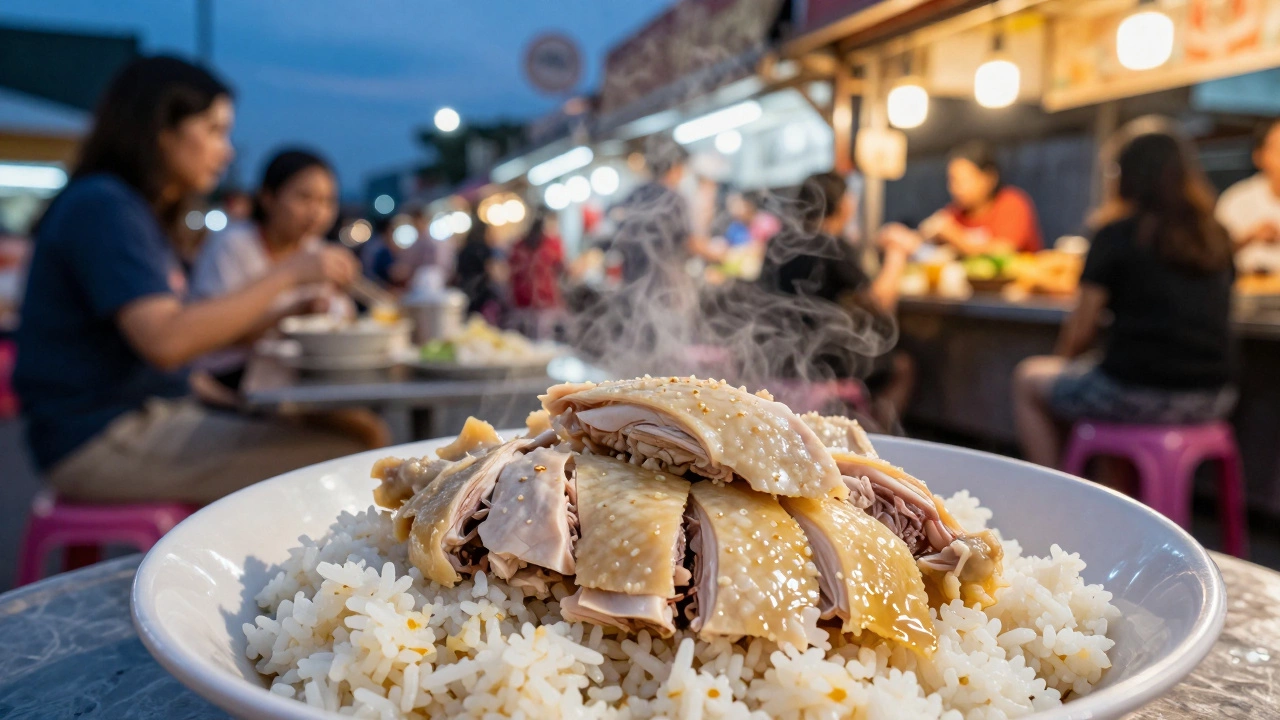
Hainanese Chicken Rice
Southeast AsiaPoached chicken & aromatic rice
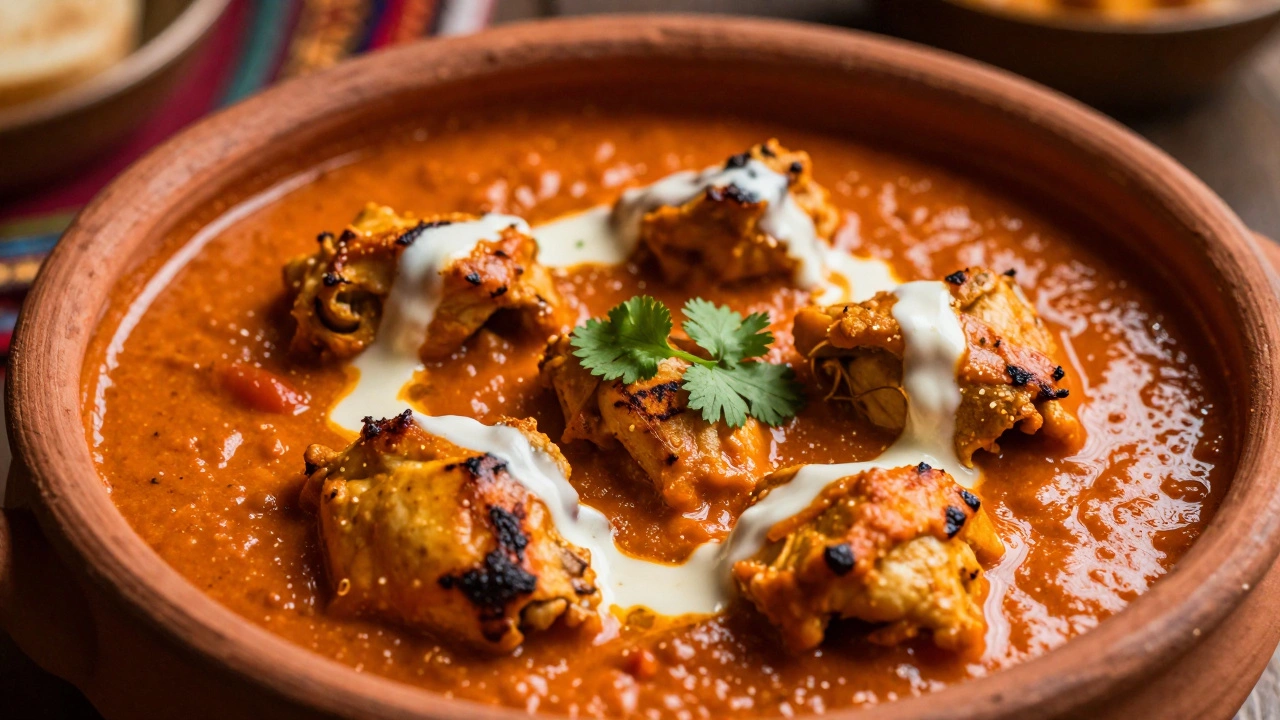
Chicken Tikka Masala
India/UKCreamy tomato curry
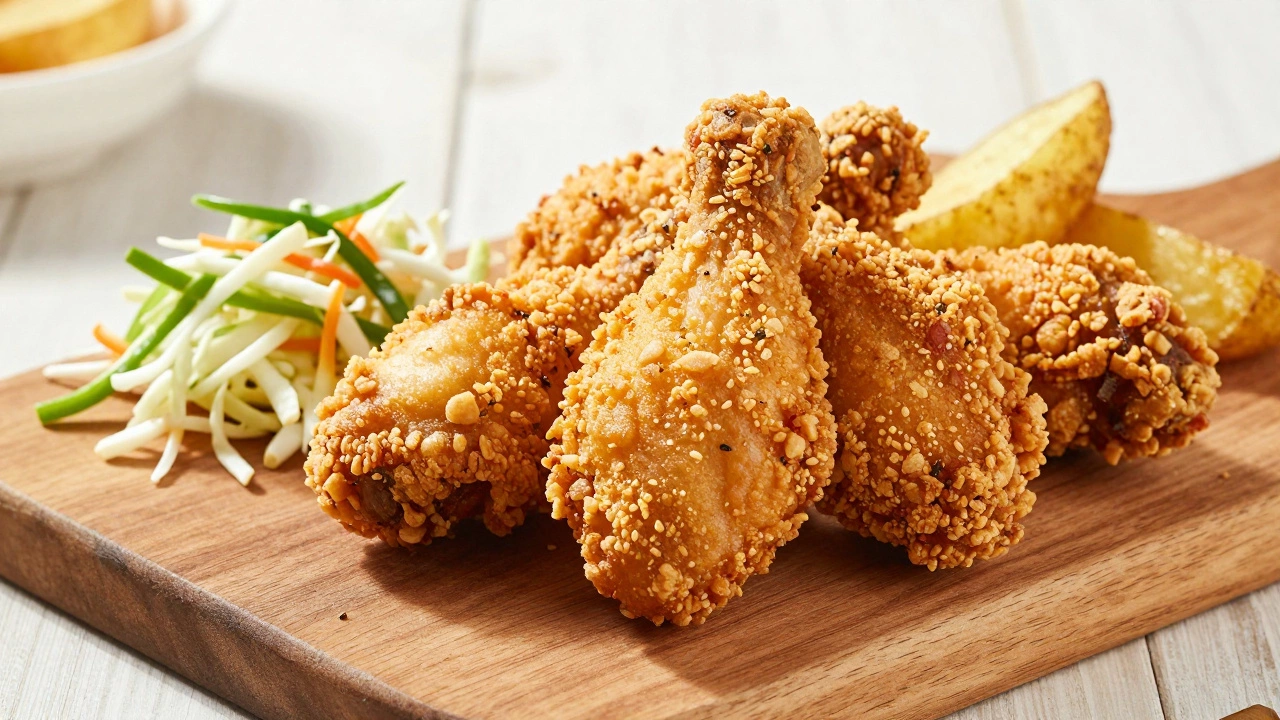
Fried Chicken
USACrispy breaded skin
Pollo a la Brasa
PeruRotisserie-style charred skin
Click a dish on the left to see details.
Imagine a meal that crosses borders, defies language barriers, and sits on tables from Tokyo to Toronto. It’s not pizza, despite its massive popularity in the West. It’s not rice, which is technically a staple but rarely a "dish" on its own. The answer might surprise you if you’re looking for a single, specific recipe, but it definitely won’t surprise you if you look at the ingredient list. Chicken is the most consumed meat protein globally, serving as the backbone of billions of meals every day. When we ask what the most eaten dish around the world is, we are really asking how humanity cooks this versatile bird.
You might think of fried chicken or roast turkey, but the reality is far more diverse. From the spicy stir-fries of Sichuan to the mild curries of Kerala, chicken adapts to every palate. This isn't just about taste; it's about economics, availability, and ease of preparation. If you want to understand global eating habits, you have to start with the humble poultry bird. Let’s break down why chicken dominates our plates and what the actual "top dishes" look like across different continents.
The Global Dominance of Poultry
To understand why chicken is the winner, we need to look at the numbers. According to data from the Food and Agriculture Organization (FAO), poultry production has skyrocketed over the last few decades. In 2024 alone, global poultry meat consumption exceeded 130 million metric tons. That dwarfs pork, beef, and lamb combined in many regions. Why? Because chickens are efficient. They convert feed into protein faster than cows or pigs. They require less space. And they grow quickly.
This efficiency translates to lower prices for consumers. For families in developing nations and budget-conscious shoppers in wealthy countries alike, chicken offers the best bang for your buck. It provides high-quality protein without the premium price tag of red meat. This economic reality shapes menus everywhere. You see it in school cafeterias, hospital diets, and fast-food chains. The ubiquity of chicken means that any "most eaten dish" title will likely involve a piece of poultry.
But there’s another factor: versatility. Beef demands specific cooking methods to be tender. Pork can be tricky with safety concerns if undercooked. Chicken? It’s forgiving. You can boil it, bake it, fry it, grill it, or shred it. It absorbs flavors rather than imposing them. This makes it the perfect canvas for local spices and traditions, leading to thousands of unique "dishes" that all share the same core ingredient.
Top Contenders for the Title
If we define "dish" as a specific prepared meal rather than just an ingredient, a few strong contenders emerge. These aren't just random recipes; they are cultural staples that feed millions daily.
| Dish Name | Region of Origin | Key Characteristics | Global Reach |
|---|---|---|---|
| Hainanese Chicken Rice | Southeast Asia | Poached chicken, aromatic rice, chili sauce | High (Southeast Asia, China, UK) |
| Chicken Tikka Masala | India/UK | Creamy tomato curry, marinated chicken pieces | Very High (Europe, North America, India) |
| Fried Chicken | USA | Crispy breaded skin, juicy meat, sides | Extreme (Global Fast Food) |
| Pollo a la Brasa | Peru | Rotisserie-style, charred skin, potato fries | Moderate (Latin America, US) |
Hainanese Chicken Rice is a masterpiece of simplicity. Originating from China’s Hainan province, it spread through Singapore and Malaysia before becoming a global phenomenon. The secret lies in the broth. The chicken is poached gently, preserving its tenderness, while the rice is cooked in that same rich broth infused with pandan leaves and ginger. It’s a complete meal in one bowl, often served with a side of dark soy sauce and a fiery chili-garlic paste. In Southeast Asia, you’ll find stalls selling thousands of portions a day. It’s cheap, filling, and deeply satisfying.
Then there’s Chicken Tikka Masala. Often called Britain’s national dish, this creamy curry has roots in the Indian subcontinent but was perfected in London restaurants. It combines grilled chicken chunks (tikka) with a smooth, spiced tomato-cream sauce. Its mild heat level makes it accessible to people who don’t typically eat spicy food, which explains its massive export success. You can order it in New York, Sydney, and Dubai. It represents the fusion of cultures and the power of adaptation in cuisine.
We cannot ignore Fried Chicken. Whether it’s Southern-style buttermilk brined or Korean double-fried, crispy chicken is a global obsession. Fast-food giants have standardized this dish, making it available in almost every country on Earth. The crunch, the salt, the fat-it hits all the pleasure centers in the brain. It’s comfort food in its purest form. While health concerns exist, its popularity shows no sign of slowing down. It’s the ultimate "cheat meal" for millions.
Why Rice and Noodles Don't Count (Usually)
You might argue that rice or pasta is the most eaten dish. Technically, rice is the primary calorie source for over half the world’s population. But when we say "dish," we usually mean a prepared combination of ingredients, not a staple grain. A plate of plain white rice is fuel, not a culinary event. However, when rice meets chicken, magic happens.
Consider Arroz con Pollo in Latin America or Jollof Rice with Chicken in West Africa. These are complete meals where the starch and protein are integrated. The rice absorbs the juices from the chicken, creating a cohesive flavor profile. This integration is key. People don’t just eat rice; they eat rice *with* something. And that something is very often chicken.
Noodles follow a similar pattern. In East Asia, noodle soups are daily staples. But even here, chicken broth is a dominant base. Chicken Ramen or Wonton Soup are ubiquitous. The noodles provide texture, but the chicken provides the soul of the dish. Without the protein, it’s just hot water and wheat. With it, it’s sustenance.
The Role of Culture and Religion
Religion plays a huge role in what ends up on our plates. In Hindu-majority countries like India, beef is largely avoided. In Muslim-majority nations, pork is forbidden. This leaves chicken as the default safe option. It’s halal, kosher, and generally acceptable in most religious dietary laws. This neutrality makes it the great unifier.
In Jewish tradition, chicken soup is known as "Jewish penicillin." It’s a symbol of care and healing. In Christian households, Sunday roast chicken is a weekly ritual. In secular societies, chicken nuggets are the go-to for picky eaters. No matter your background, there’s a chicken dish that feels like home. This cultural embedding ensures its longevity. Trends come and go-kale salads, avocado toast-but chicken stays.
Health Perceptions and Modern Diets
In recent years, health trends have shifted away from heavy red meats. Processed meats like bacon and sausages are linked to various health issues. Chicken, especially breast meat, is seen as lean and clean. Fitness enthusiasts love it because it’s high in protein and low in fat. This perception drives demand in gyms, health food stores, and meal-prep services.
However, not all chicken is created equal. Factory-farmed chicken raises ethical and environmental concerns. Many consumers are now seeking free-range, organic, or locally sourced options. This shift doesn’t reduce consumption; it changes *how* we buy it. People still want chicken, but they want it responsibly. This creates opportunities for smaller farms and higher-quality products. The demand remains robust, even as preferences evolve.
Vegetarian and vegan movements are growing, but they haven’t displaced chicken entirely. Meat alternatives like plant-based burgers are gaining traction, but they often mimic beef or pork. Plant-based chicken exists, but it hasn’t reached the same level of mainstream adoption yet. Chicken remains the gold standard for affordable protein for the majority of the population.
How to Cook the Perfect Chicken Every Time
Since chicken is so central to our diets, mastering its preparation is a valuable skill. Here are some universal tips that apply regardless of the recipe:
- Don’t wash your chicken: Washing raw chicken spreads bacteria via water droplets. Cooking kills the pathogens; washing just creates a mess.
- Pat it dry: Moisture is the enemy of browning. Use paper towels to dry the skin before roasting or frying. This ensures a crispy exterior.
- Use a thermometer: Guessing leads to dry meat or unsafe food. Chicken is safe at 165°F (74°C). Insert the probe into the thickest part of the thigh.
- Rest the meat: After cooking, let chicken rest for 5-10 minutes. This allows the juices to redistribute, keeping the meat moist.
- Season generously: Chicken is bland on its own. Salt, pepper, garlic, and herbs transform it. Marinating adds depth and tenderness.
Whether you’re making a simple roast or a complex curry, these principles hold true. They bridge the gap between amateur and expert cooking. You don’t need fancy equipment, just attention to detail.
The Future of Chicken Consumption
Looking ahead, chicken consumption is expected to rise, particularly in emerging economies. As incomes grow, people eat more protein. Chicken is the first step up from plant-based diets for many families. Urbanization also plays a role. City dwellers rely more on processed and convenient foods, where chicken features prominently.
Technology will change how we produce it. Lab-grown chicken and advanced farming techniques aim to reduce environmental impact. These innovations could make chicken even more sustainable and accessible. But the core appeal won’t change. We love chicken because it tastes good, it’s affordable, and it’s familiar. Those factors are timeless.
So, next time you sit down to eat, take a look at your plate. Chances are, there’s a piece of chicken there. It might be hidden in a wrap, submerged in sauce, or sitting proudly on a bone. But it’s there, connecting you to billions of other diners around the globe. That’s the power of the world’s most eaten dish.
Is chicken really the most eaten meat in the world?
Yes, according to FAO statistics, poultry (primarily chicken) is the most consumed meat globally by volume. It surpasses pork, beef, and mutton due to its affordability, quick growth cycle, and cultural acceptance across diverse regions.
What is the most popular chicken dish in Asia?
Hainanese Chicken Rice is arguably the most iconic, especially in Southeast Asia. However, stir-fried chicken dishes with vegetables are also extremely common across China, Japan, and Korea due to their speed and simplicity.
Why is chicken cheaper than beef?
Chickens have a much shorter lifecycle than cattle. They reach market weight in weeks, whereas cows take months or years. Chickens also require less land and feed per pound of meat produced, making them more economically efficient to raise.
Is fried chicken healthy?
Traditional deep-fried chicken is high in calories and unhealthy fats. However, baked, grilled, or air-fried chicken is a healthy source of lean protein. The healthiness depends largely on the cooking method and the type of oil used.
What is the safest internal temperature for chicken?
The USDA recommends cooking all poultry to an internal temperature of 165°F (74°C) to ensure harmful bacteria like Salmonella and Campylobacter are killed. Always use a digital meat thermometer for accuracy.