
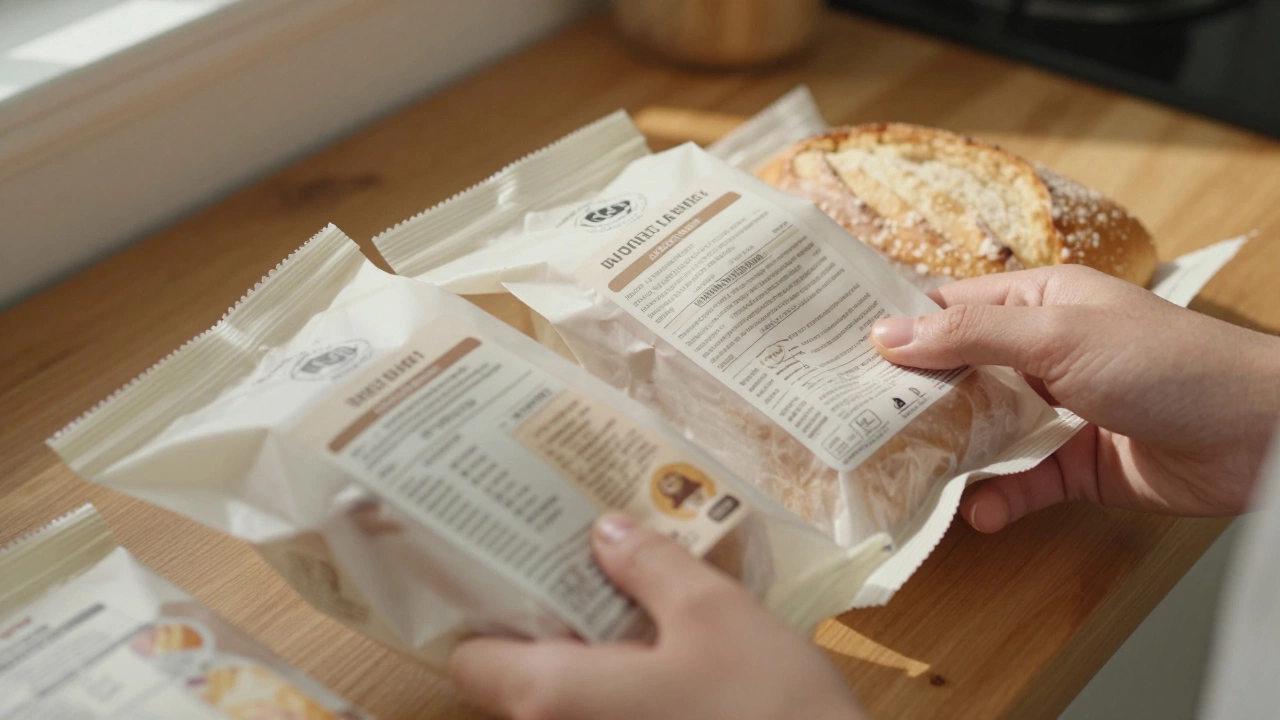
It sounds simple enough, right? You want a slice of toast or a fresh sandwich roll, so you walk into the bakery and grab the nearest loaf. But here is the reality: not all bread is created equal when you are living a plant-based lifestyle. A lot of us get caught off guard by the sneaky non-vegan ingredients hiding in plain sight on the ingredient list. Vegan bread isn't just about avoiding meat; it means steering clear of dairy derivatives, eggs, and even certain enzyme additives that many consumers miss entirely.
If you have ever wondered about the best bread for vegans, you are in the right place. We are going to cut through the confusion and talk about exactly what makes a loaf suitable for a vegan diet. We will cover the specific ingredients to watch out for, which commercially available brands you can trust, and why making your own might be the safest bet for some of you. By the end of this guide, you will know exactly how to read a package label and choose the perfect carb source for your plate.
The Hidden Non-Vegan Traps in Your Loaf
You might assume that basic flour, water, salt, and yeast are always safe. While that is true for traditional sourdough, mass-produced bakery items often contain enhancers to improve shelf life or texture. One of the most notorious additives to avoid is L-cysteine. This amino acid helps keep dough smooth and workable during mixing. Historically, it was derived from duck feathers or human hair. While modern production methods sometimes use synthetic versions, many manufacturers still use animal-derived forms to lower costs. If you see "enzymes" listed without further detail, it is often safer to skip that brand.
Dairy is another common culprit. Manufacturers add whey, casein, or milk powder to soften the crumb and give it a creamy taste. These additives show up on labels as "whey protein concentrate" or "buttermilk." Sometimes they are even hidden under the name "vitamin D3," which is frequently sourced from sheep's wool lanolin. If you are strict about your diet, you need to verify the source of vitamins added to fortified grains.
Then there is the issue of sweeteners. Many savory breads use sugar, which is technically fine, but some use honey or royal jelly to feed the yeast or add sweetness. Even though honey is controversial rather than strictly forbidden for some, many vegans prefer to avoid it entirely. Always check if the recipe calls for beeswax as a topping agent on rolls or buns.
Naturally Vegan Bread Types to Seek Out
Some bread styles rely less on chemical additives due to their traditional preparation methods. Sourdough is the gold standard here. Because it uses a wild yeast starter and long fermentation times, it rarely needs industrial dough conditioners. As long as the baker hasn't decided to knead butter into the crust, plain sourdough is almost always safe.
Rye bread is another solid option. Dense rye loaves typically require fewer preservatives to maintain freshness. However, stay alert for malted wheat flour or barley malt extract, as the malting process sometimes involves enzymes treated with animal rennet, though rare. Ciabatta and baguettes are also generally low-risk candidates because their recipes focus on simplicity. Bagels can be tricky though, especially those topped with seeds or sugars that might be processed with bone char, though that is more relevant to white sugar purists.
Commonly safe bread types include sourdough, rye, and ciabatta. Sourdough Starter Whole Wheat Flour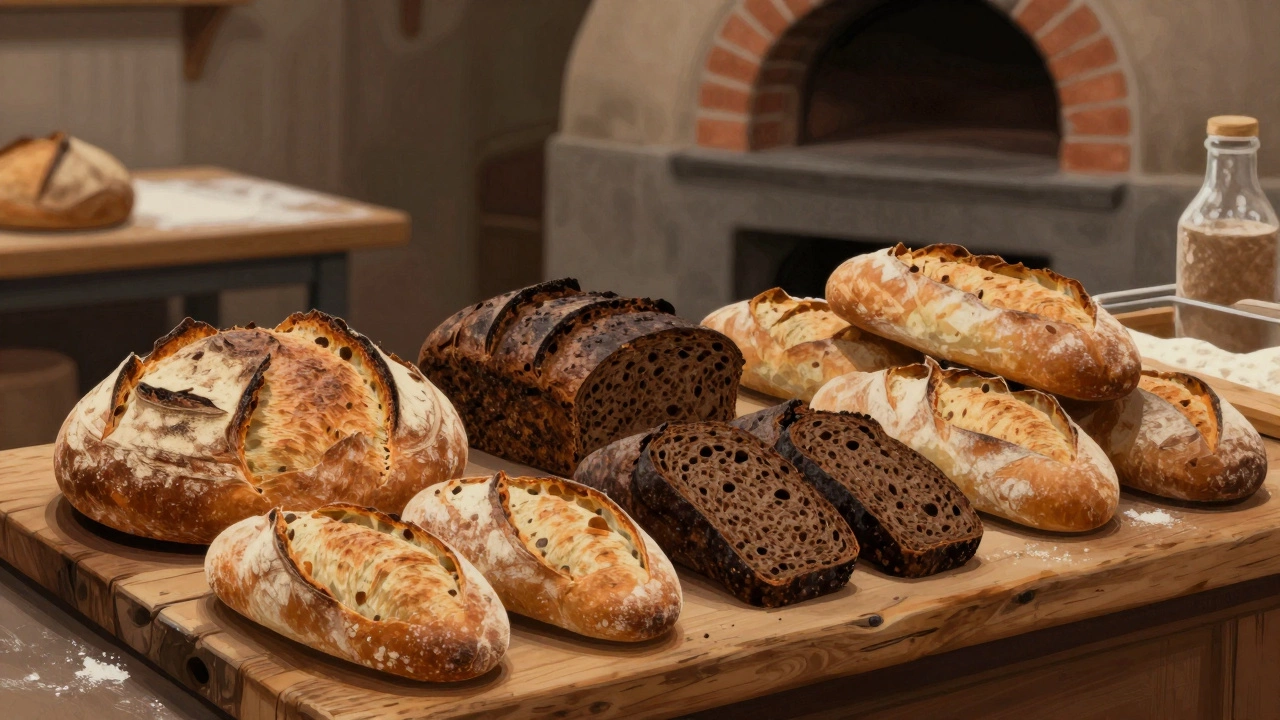
Top Store-Bought Options You Can Trust
Shopping for pre-packaged bread saves time, but requires vigilance. Several major brands have been vetted by the vegan community for their consistency. For example, Dave's Killer Bread is famous for its high-fiber content and usually avoids dairy and eggs entirely. Their multi-grain options are thick and nutrient-dense, making them a favorite for breakfast sandwiches.
Franz Bakery offers a wide variety of slices that do not contain egg or milk derivatives. They are widely available in North American supermarkets. Another reliable choice is Arnold Country Bread, specifically their whole grain variety, which tends to have fewer additives than the standard white slices. When buying Ezekiel bread, always check the sprouting culture; while usually safe, some batches have varied formulations depending on the region.
| Brand/Type | Typical Additives to Watch | Suitability Rating |
|---|---|---|
| Dave's Killer Bread | Soy Lecithin (usually OK) | High |
| Franz Bakery | Cases for Calcium Propionate | High |
| Ambrosia Almond Flour | Honey in Sweet Varieties | Moderate |
| Ezekiel 4:9 | Vitamin D3 Source | Moderate |
Baking at Home: Full Control Over Ingredients
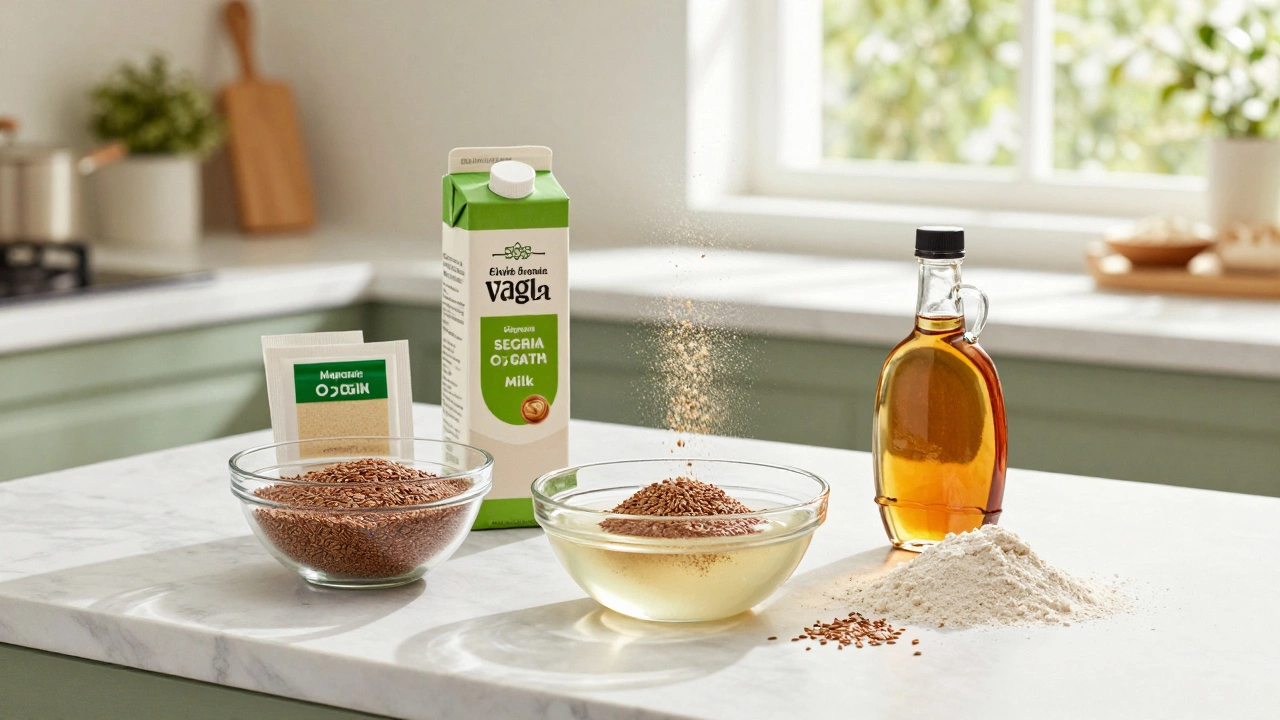
If you find yourself tired of hunting for labels, baking at home gives you total authority. You can swap eggs for flaxseed meal mixed with water, creating a binding agent that mimics the texture perfectly. This mixture is often called a "flax egg." Similarly, replace dairy milk with oat milk or almond milk for creaminess without the animal products.
Yeast is naturally vegan, but some commercial packets include anti-caking agents derived from animal fat. Look for "vegetable oil-based anti-caking agents" on the packaging. Using organic yeast ensures stricter standards. When you bake your own, you also control the sugar. Maple syrup or agave nectar are excellent replacements for honey if you want to sweeten your dough.
How to Read Labels Like a Pro
Label reading is a skill you need to master quickly. Start by ignoring the front of the package entirely. Marketing claims like "natural" or "rustic" mean nothing legally. Flip the package around and scan the ingredient list alphabetically. Stop immediately if you see:
- Casein or Caseinate
- Milk Solids
- Egg Whites
- L-Cysteine
- Monoglycerides/Diglycerides (often derived from animal fat)
Troubleshooting Texture Issues
When switching to vegan baking, the biggest challenge is often texture. Without eggs, bread can turn out dry or dense. Adding extra liquid helps compensate. Oil also plays a huge role here. Vegetable oil or melted coconut oil adds moisture that milk would otherwise provide. You might also experiment with psyllium husk powder, which helps retain water in gluten-free mixes, making the crumb springier.
Freshness is key. Without milk fats, bread can stale faster. Store your loaf in the fridge if it does not contain mold inhibitors, or freeze slices individually for longer storage. Toasting brings back much of the desired crunch.