

Your Personal Comfort Food Match
Pro Tip:
It’s raining in Melbourne. The sky is that specific shade of grey that makes you want to cancel plans and stay inside with a blanket. You’re not just hungry; you need something that feels like a hug from the inside out. That’s where comfort foods come in. They aren’t about nutrition scores or superfood trends. They are about memory, warmth, and that deep, primal satisfaction that settles your nerves.
We all have our go-to dishes. For some, it’s a bowl of hot soup. For others, it’s a slice of pizza eaten straight from the box. But which ones make the universal cut? Based on culinary history, global popularity, and pure emotional resonance, here are the top 10 comfort foods that define the genre.
1. Macaroni and Cheese
There is a reason this dish tops so many lists. It hits every sensory note at once: the soft texture of the pasta, the sharp richness of cheddar or gruyère, and the gooey, stretchy pull when you lift your fork. It’s nostalgic for a reason. Most of us remember eating it as kids, either from a boxed mix or homemade by a parent.
The magic lies in the emulsion. When you whisk butter and flour into milk and then melt in high-quality cheese, you create a béchamel-based sauce that coats every noodle. If you want to elevate it, swap half the cheddar for smoked gouda or add a pinch of mustard powder to cut through the fat. It’s simple, but it’s effective.
2. Chicken Soup
Grandma wasn’t wrong. Chicken soup has been used as a remedy for colds and flu for centuries, and while science suggests its main benefit might be steam and hydration, the psychological boost is real. There is nothing more soothing than sipping hot, golden broth on a chilly evening.
A good chicken soup relies on slow cooking. You simmer chicken bones, onions, carrots, and celery for hours to extract collagen and flavor. The result is a rich stock that serves as the base for tender shredded chicken and soft vegetables. It’s light enough to eat when you feel terrible, yet hearty enough to satisfy a full meal. In Jewish culture, it’s known as "Jewish penicillin," highlighting its status as a healing staple across generations.
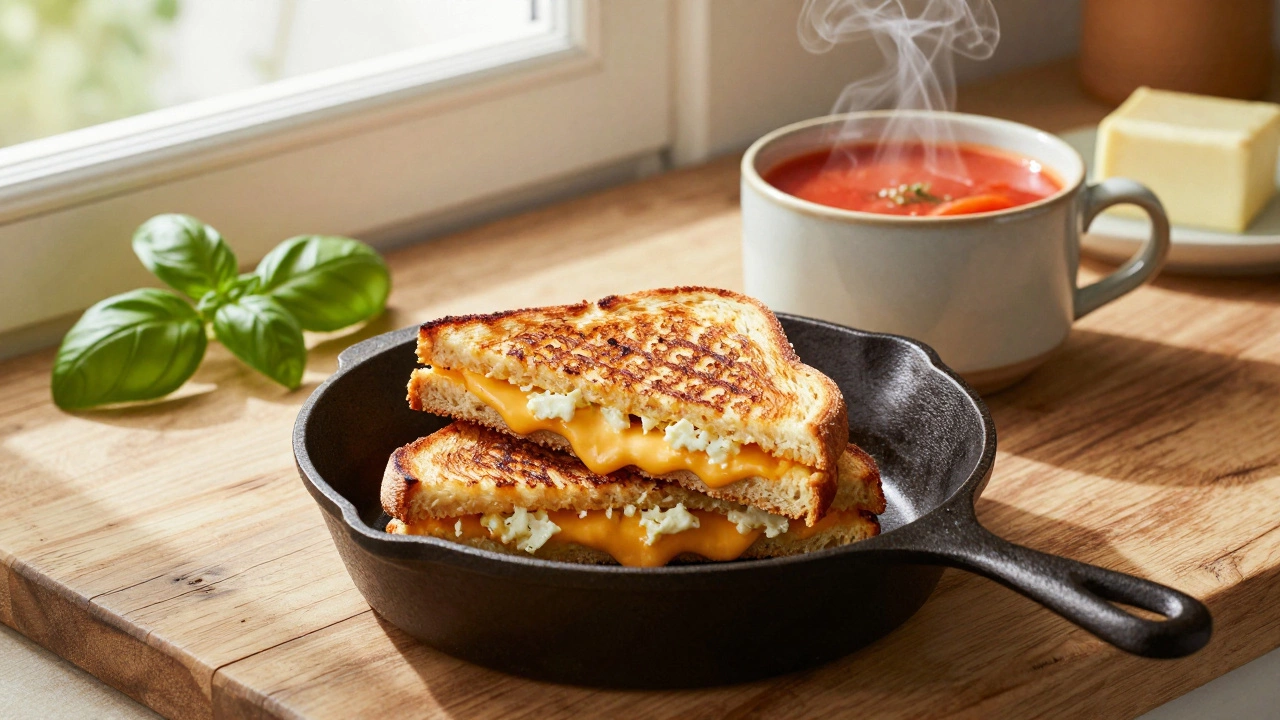
3. Grilled Cheese Sandwich
Sometimes you don’t have time for a roast. Sometimes you need lunch in ten minutes. Enter the grilled cheese sandwich. It is the ultimate convenience food that doesn’t sacrifice soul. Two slices of bread, buttered on the outside, filled with melting cheese, and toasted until golden brown and crispy.
The key to a great grilled cheese is the cheese blend. American cheese melts perfectly but lacks depth. Cheddar adds flavor but can separate if overheated. The pro move? Mix them. Use a combination of sharp cheddar, Monterey Jack, and maybe a little fontina for extra creaminess. Serve it with a side of tomato soup for dipping, and you’ve created a classic pairing that feels indulgent despite being incredibly simple.
4. Mashed Potatoes
If there is one ingredient that screams "home," it’s the potato. Mashed potatoes are versatile, cheap, and universally loved. They act as the perfect canvas for gravy, butter, or roasted meats. The texture is what matters here: smooth, fluffy, and cloud-like.
To get restaurant-quality mash, you need starchy potatoes like Russets or Yukon Golds. Boil them until they fall apart, then drain thoroughly. Warm your milk and butter before adding them to the hot potatoes-cold dairy seizes up the starches, making the mash gluey. Whip it vigorously or pass it through a ricer for that ultra-smooth finish. Add salt, black pepper, and a generous knob of butter. It’s humble, but it’s heaven.
5. Chocolate Cake
Sweet comfort is just as powerful as savory. Chocolate cake represents celebration, reward, and pure joy. Whether it’s a dense fudge brownie or a light, airy layer cake with frosting, chocolate triggers dopamine release in the brain. It’s a mood lifter.
The best chocolate cakes use cocoa powder rather than just melted chocolate, giving them a deeper, more complex flavor profile. Add a splash of espresso to the batter-it enhances the chocolate notes without making the cake taste like coffee. Top it with a ganache made from heavy cream and dark chocolate, and you have a dessert that feels luxurious. One square is often enough to turn a bad day around.
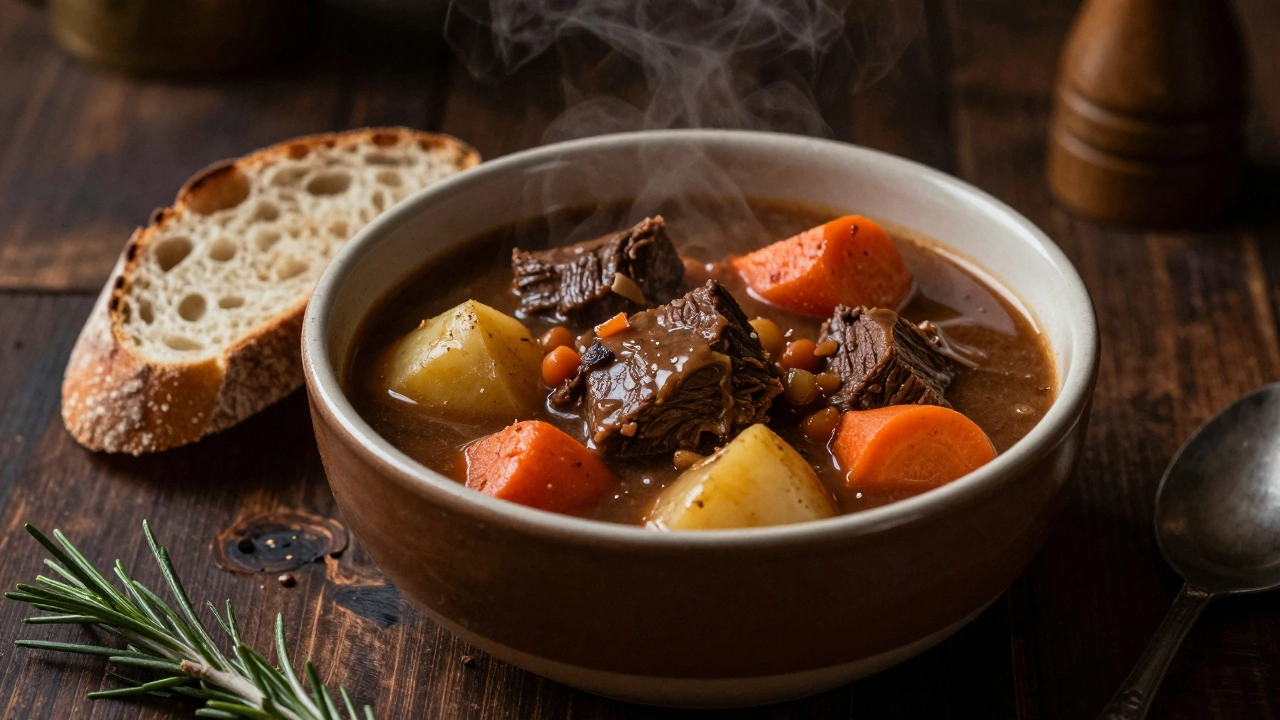
6. Beef Stew
When the temperature drops, you want something that warms you from the core. Beef stew fits this bill perfectly. It’s a slow-cooked dish where tough cuts of beef break down into tenderness, absorbing the flavors of wine, herbs, and root vegetables.
This is a dish that improves with time. Start by searing chunks of chuck roast to lock in flavor. Then, deglaze the pan with red wine, add beef broth, carrots, potatoes, and onions, and let it simmer low and slow for three to four hours. The meat should practically fall apart when you touch it with a fork. Serve it over crusty bread to soak up the thick, savory gravy. It’s rustic, hearty, and deeply satisfying.
7. Pancakes
Weekend mornings are sacred, and pancakes are their crown jewel. There’s something therapeutic about flipping a stack of fluffy pancakes and smothering them in maple syrup and butter. They evoke childhood memories of lazy Sundays and family gatherings.
The secret to tall, fluffy pancakes is buttermilk. The acidity reacts with baking soda to create air bubbles, giving the batter lift. Don’t overmix the batter-lumps are good. Overmixing develops gluten, leading to tough, rubbery pancakes. Cook them on a medium-low heat so the inside cooks through before the outside burns. Top with fresh berries, whipped cream, or just plain syrup. It’s breakfast as an event.
8. Tomato Soup
Closely related to chicken soup but distinct in its own right, tomato soup is bright, acidic, and sweet all at once. Canned tomato soup has a place in history, but homemade takes it to another level. Roasting whole tomatoes before blending them caramelizes their natural sugars, removing any metallic taste and deepening the flavor.
Simmer the roasted tomatoes with garlic, basil, and a touch of sugar if needed. Blend until silky smooth, then stir in a swirl of heavy cream or coconut milk for richness. It pairs famously with grilled cheese, creating a loop of comfort that is hard to beat. It’s vibrant, healthy-ish, and incredibly warming.
9. Fried Chicken
Crispy on the outside, juicy on the inside. Fried chicken is a global phenomenon for a reason. The contrast in textures-the shattering crunch of the breading against the moist, seasoned meat-is irresistible. It’s associated with Southern US cuisine but has fans worldwide.
Brining the chicken beforehand keeps it moist during the high-heat frying process. The coating usually involves flour, eggs, and buttermilk, seasoned with paprika, cayenne, and garlic powder. Fry it in oil heated to 350°F (175°C) until golden brown. Let it rest on a wire rack, not paper towels, to keep the crust crisp. It’s messy, indulgent, and absolutely worth the cleanup.
10. Ice Cream
You might think ice cream belongs only in summer, but it’s a year-round comfort food. Cold, sweet, and creamy, it provides instant gratification. Vanilla is the most popular flavor for a reason-it’s versatile and lets the quality of the dairy shine. However, chocolate, strawberry, and mint chip hold strong positions in people’s hearts.
Homemade ice cream allows you to control the sweetness and add mix-ins like crushed cookies or fruit swirls. Even store-bought pints can feel luxurious when served in a waffle cone or topped with hot fudge. It’s a quick fix for stress, a treat after dinner, or a standalone snack. No judgment here.
Why Do We Crave These Foods?
Comfort foods work because they connect taste with emotion. Research in neuroscience shows that certain smells and tastes trigger the hippocampus, the part of the brain responsible for memory. When you smell cinnamon or taste cheesy pasta, you might instantly recall a specific moment from your past-a birthday party, a holiday dinner, or a quiet night in.
These foods are often high in carbohydrates and fats, which signal safety and energy to our primitive brains. In times of stress, cortisol levels rise, and we crave energy-dense foods to cope. Comfort foods provide that physiological relief alongside the psychological nostalgia.
Making Comfort Food Healthier
You don’t have to abandon health goals to enjoy comfort food. Small tweaks can make a big difference without sacrificing satisfaction:
- Use Greek Yogurt: Swap sour cream or mayonnaise for Greek yogurt in dips and dressings. It adds protein and tang.
- Whole Grains: Use whole wheat pasta or brown rice instead of refined versions. The texture change is minimal, but the fiber content jumps significantly.
- Lean Proteins: Choose turkey or chicken breast for stuffing or burgers instead of fatty ground beef.
- Vegetable Boost: Hide veggies in sauces. Blend cauliflower into mashed potatoes or add zucchini to meatballs.
- Portion Control: Serve smaller portions of high-calorie items like fried chicken or cake, and fill up on sides like salad or steamed vegetables first.
Comparison of Top Comfort Foods
| Food Item | Primary Flavor Profile | Prep Time | Best For |
|---|---|---|---|
| Mac and Cheese | Cheesy, Creamy | 30 mins | Nostalgia, Quick Dinners |
| Chicken Soup | Savory, Brothy | 2-4 hours | Illness, Cold Weather |
| Grilled Cheese | Toasty, Salty | 10 mins | Lunch, Snacks |
| Mashed Potatoes | Buttery, Earthy | 20 mins | Sides, Holiday Meals |
| Chocolate Cake | Sweet, Rich | 1 hour | Celebrations, Dessert |
| Beef Stew | Hearty, Umami | 3-4 hours | Winter, Slow Cooking |
Frequently Asked Questions
What is the number one comfort food in the world?
While preferences vary by culture, macaroni and cheese consistently ranks as the top comfort food in Western countries, particularly in the United States. Globally, rice-based dishes and soups also feature heavily due to their ubiquity and versatility.
Are comfort foods actually healthy?
Traditionally, comfort foods are high in calories, fats, and sodium, which can be unhealthy in excess. However, many can be modified to be healthier by using lean proteins, whole grains, and reduced-fat dairy without losing their comforting qualities.
Why do I crave comfort foods when I'm stressed?
Stress increases cortisol levels, which can trigger cravings for high-carb and high-fat foods. These foods stimulate the release of serotonin and dopamine, neurotransmitters that improve mood and provide a temporary sense of calm and pleasure.
Can children eat comfort foods?
Yes, children can enjoy comfort foods in moderation. Introducing them to mild versions of these dishes helps build positive associations with food. It’s important to balance these treats with nutritious meals to ensure proper growth and development.
What are some vegan comfort food options?
Vegan comfort foods include lentil soup, tofu mac and cheese, mushroom stroganoff, and banana bread. Plant-based milks and cheeses have improved significantly, allowing for creamy, satisfying alternatives to traditional dairy-based dishes.