
Dessert Sweetness Profiler
Select a dessert to see its sugar profile and understand why it's perceived as sweet.
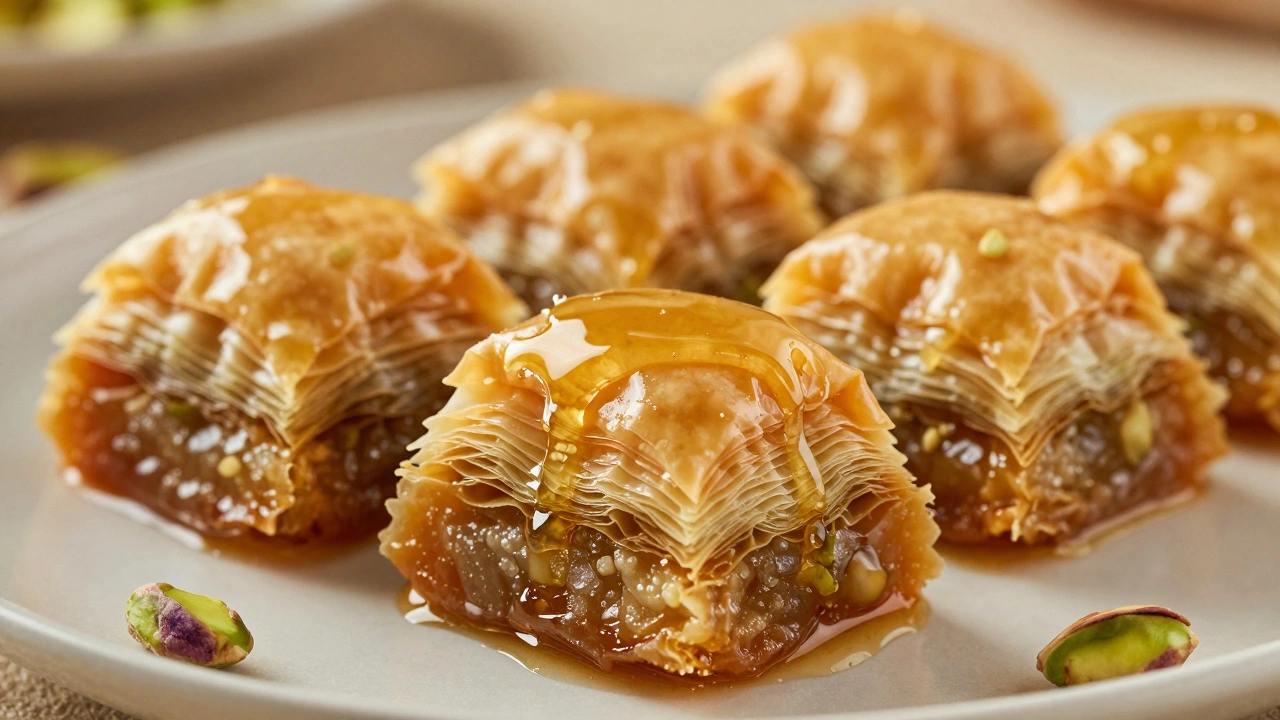
Baklava
Why is it so sweet?
The layers of phyllo dough are drenched in hot syrup, which is absorbed into every fiber, creating a high-intensity sugar delivery system.
Quick Takeaways
- Pure sugar concentrations are highest in candies and syrups.
- Cultural traditions, like those in the Middle East and South Asia, often produce the most intensely sweet desserts.
- The perception of sweetness depends on the type of sugar used (honey vs. sucrose vs. glucose).
- Balance-like adding salt or acidity-is what makes extreme sweetness edible.
Defining the Sweetest Experience
To figure out what the sweetest sweet is, we have to look at the sugar content is the concentration of saccharides in a food item, typically measured as a percentage of the total weight . If we are talking purely about chemistry, a piece of hard candy is almost 100% sugar. But when we talk about desserts-things you actually bake or cook-it becomes more complex. We are looking for recipes where sugar isn't just an ingredient; it's the primary structure.
Think about Sucrose, the common table sugar we use. It's sweet, but not as intense as some alternatives. Then you have Fructose, found in fruits and honey, which tastes sweeter to the human tongue. When a recipe combines multiple types of sugars and then reduces them through boiling (like in a syrup), you get a concentrated sweetness that can be overwhelming.
The Heavy Hitters: Global Sugar Champions
If you travel the globe, you will find a few desserts that consistently fight for the top spot. Let's look at the ones that truly push the limits of the palate.
First, there is the Baklava, a staple of Turkish and Greek cuisine. This isn't just a pastry; it's a delivery system for honey and sugar syrup. The layers of phyllo dough are brushed with butter and then drenched in a hot syrup. In some traditional versions, the syrup is so thick it practically crystallizes. The result is a dense, sticky experience that registers as high-intensity sweetness because the sugar is absorbed into every single fiber of the dough.
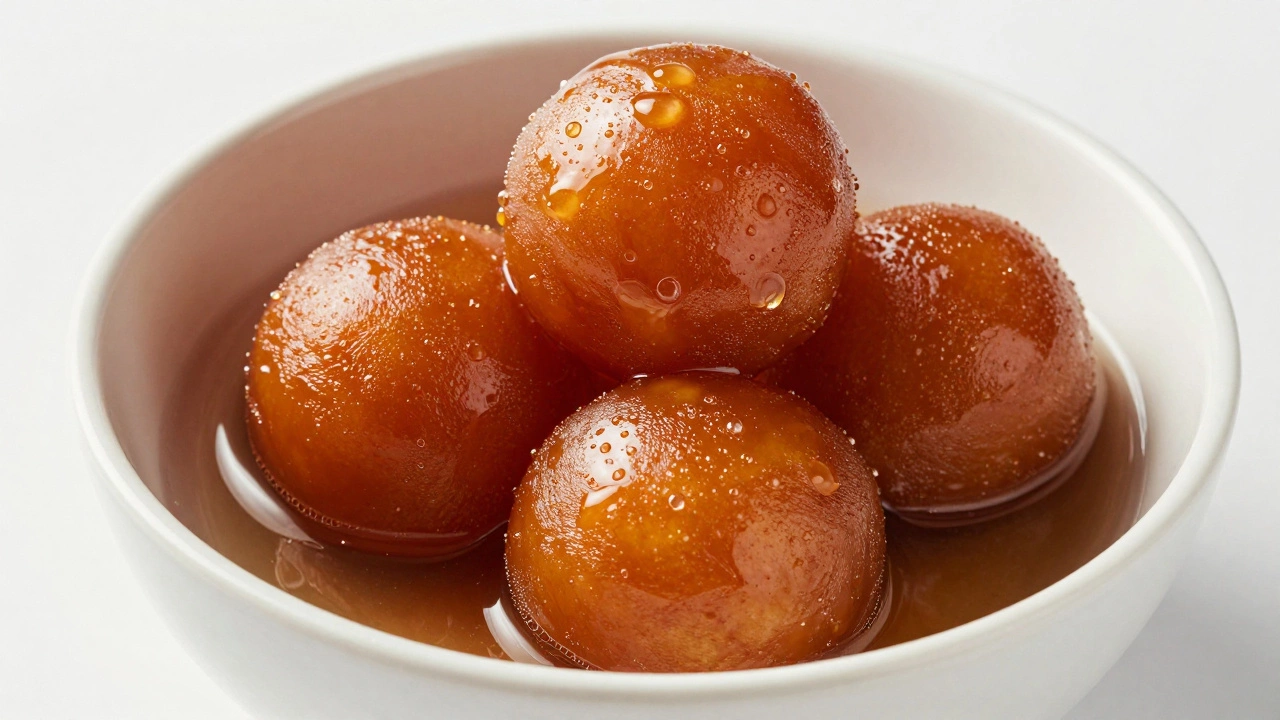
Then we move to South Asia with Gulab Jamun. Imagine deep-fried dough balls made of khoya (milk solids) that are soaked in a rose-flavored sugar syrup. Because these balls are porous, they act like sponges. When you bite into one, the syrup releases all at once, creating a sugar spike that is almost immediate. It is widely considered one of the most intensely sweet desserts in the world due to the synergy between the milk fats and the concentrated syrup.
In the West, we have American Fudge. Unlike chocolate, which has a bitter edge, fudge is essentially a sugar-and-butter emulsion. By controlling the crystallization of the sugar, makers create a creamy texture that allows the sweetness to linger on the tongue longer than a liquid syrup would. It's a slow-release sugar bomb.
| Dessert | Primary Sweetener | Texture | Sweetness Intensity |
|---|---|---|---|
| Baklava | Honey/Sugar Syrup | Crispy/Syrupy | Very High |
| Gulab Jamun | Sugar Syrup | Soft/Spongey | Extreme |
| Fudge | Brown/White Sugar | Creamy/Dense | High |
| Turkish Delight | Cornstarch/Sugar | Chewy/Gelatinous | Very High |
The Science of why Some Things Taste Sweeter
Why does one dessert feel 'sweeter' than another, even if they have the same amount of sugar? It comes down to how our brain perceives taste. This is where Taste Buds and chemical receptors come into play. For example, the presence of salt can actually enhance the perception of sweetness. That is why a salted caramel tastes more 'intense' than plain caramel; the salt suppresses the bitter notes and makes the sugar pop.
Another factor is the Viscosity of the sweet. A thick syrup, like the one used in Turkish Delight (known as Lokum), coats the tongue more effectively than a light cake. When the sugar stays in contact with your taste receptors for a longer period, your brain registers it as a more powerful sweet experience. Lokum is essentially a starch and sugar gel, meaning there is very little 'filler' to dilute the sugar hit.
How to Make the Sweetest Sweet at Home
If you want to experiment with creating a dessert that hits the maximum sweetness threshold, you need to focus on the Reduction Process. This is the act of boiling a liquid to remove water, leaving behind a concentrated syrup. To make a truly intense sweet, try this method:
- Combine multiple sugars: Use a mix of white granulated sugar, honey, and a bit of maple syrup. This hits different taste receptors.
- The Syrup Soak: Create a 2:1 ratio of sugar to water. Boil it until it reaches the "thread stage," where the syrup forms a thin string when pulled.
- Incorporate Fats: Add heavy cream or butter. Fats carry flavor and help the sweetness linger on the palate.
- Avoid Acid: While lemon juice is common in syrups to prevent crystallization, it adds acidity which cuts through sweetness. If you want the absolute sweetest result, omit the acid.
Be careful, though. Without a bit of balance, these desserts can become cloying-a term used when something is so sweet it becomes unpleasant. This is why chefs often add a pinch of salt or a dash of vanilla extract, which provides a scent profile that tricks the brain into enjoying the sugar more.
The Pitfalls of Extreme Sweetness
While chasing the sweetest dessert is a fun culinary challenge, there are a few things to watch out for. First, there is the risk of Sugar Burn. When you boil sugar to high concentrations, it can easily transition from a syrup to a burnt carbon. Once sugar burns, it becomes bitter, which ruins the sweetness goal.
Second, consider the texture. If you add too much sugar to a cake, it can interfere with the Gluten structure, making the cake collapse or become overly dense. The balance between sugar, flour, and eggs is a delicate chemistry. If you want the sweetness without the collapse, it's better to apply the sugar as a glaze or a soak after the baking is done, rather than mixing it all into the batter.
What About Modern Super-Sweets?
In the modern era, we have Artificial Sweeteners like aspartame or sucralose. These are technically thousands of times sweeter than table sugar. However, they don't behave like sugar in a recipe. They don't caramelize, and they don't provide the same 'mouthfeel' as a thick syrup. In the world of Dessert Recipes, natural sugars win because they provide the body and richness that artificial chemicals simply cannot match.
If you are looking for the ultimate sugar rush, stick to the traditional methods. The combination of honey, dates, and concentrated sucrose found in Middle Eastern desserts remains the gold standard for natural sweetness. These ingredients have been used for thousands of years because they provide a depth of flavor that a simple sugar cube never could.
Is there a specific food that is scientifically the sweetest?
Scientifically, the sweetest substance known is thaumatin, a protein found in certain West African fruits. It is thousands of times sweeter than sucrose. However, in terms of actual foods or desserts you can buy or make, concentrated syrups like those in Gulab Jamun or Baklava are among the most intensely sweet due to their high sugar-to-water ratio.
Why do some people find certain sweets too sweet?
This is often due to the 'cloying' effect. When a food lacks acidity, salt, or bitterness to balance the sugar, the taste receptors become overwhelmed. This can lead to a sensation of heaviness in the mouth and a desire to drink water immediately to cleanse the palate.
Does honey make a dessert sweeter than white sugar?
Yes, generally. Honey contains fructose, which is naturally sweeter than the sucrose found in white table sugar. Additionally, honey has a thicker consistency that helps it coat the tongue, prolonging the sweet sensation.
How can I reduce the sweetness of a recipe that is too sugary?
The best way to balance an over-sweet dessert is to add a contrasting flavor. A pinch of sea salt, a squeeze of lemon juice, or a dollop of unsweetened Greek yogurt or sour cream can cut through the sugar and create a more balanced flavor profile.
What is the difference between a sweet and a dessert?
A 'sweet' is a general term for any food item that is primarily sugary, including candies, chocolates, and small treats. A 'dessert' specifically refers to the sweet course eaten at the end of a meal, which can be more complex, like a cake, pudding, or fruit tart.
Next Steps for Sugar Lovers
If you've enjoyed exploring the peak of sweetness, your next move should be to experiment with flavor balancing. Try making a batch of Baklava but vary the syrup-half honey, half maple syrup-to see how the different sugar profiles change the experience. Or, if you're feeling adventurous, try your hand at making a traditional Indian syrup for Gulab Jamun from scratch, focusing on how the temperature of the syrup affects its thickness and sweetness.
For those who want to dial it back, look into using natural alternatives like dates or mashed bananas to provide sweetness with added nutrients. It won't be the 'sweetest sweet in the world,' but it might be the tastiest balance of health and indulgence.