
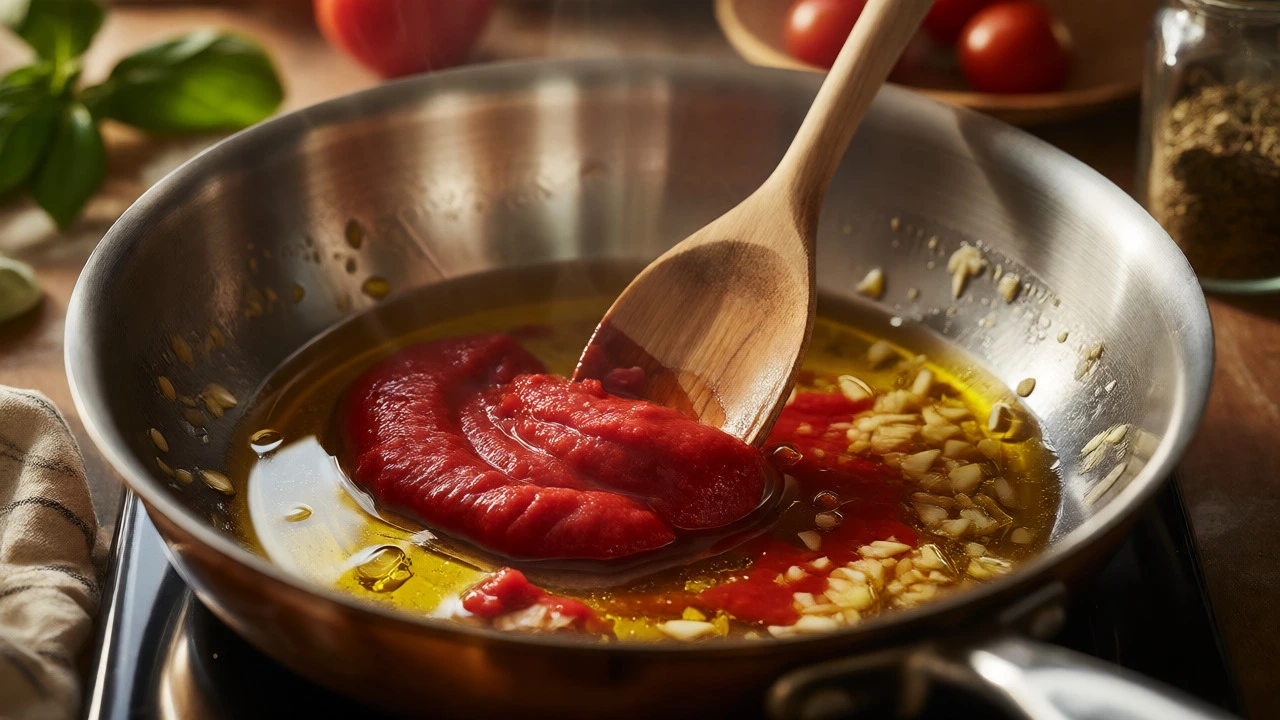
The Perfect Spaghetti Sauce Simulator
Visualize the transformation of your base:
You know that feeling when you taste a restaurant-style spaghetti sauce and wonder why your homemade version tastes like... well, just tomatoes? It’s not the brand of canned goods. It’s not how long you simmered it. It’s usually one specific ingredient most home cooks skip because they think it’s optional filler. That ingredient is tomato paste, but only if you cook it properly.
Most people dump tomato paste into the pot with the rest of the liquids. Big mistake. Tomato paste is concentrated flavor waiting to be unlocked. If you don’t fry it, it stays raw, metallic, and sweet in a way that feels artificial. When you fry it, you trigger the Maillard reaction, creating deep, savory notes that mimic hours of slow cooking. This single step transforms a thin, acidic liquid into a rich, clinging sauce that coats every strand of pasta.
Why Tomato Paste Is the Umami Bomb You Need
Tomato paste is a concentrated form of tomatoes, created by cooking them down until most of the water evaporates. This process concentrates natural sugars and glutamates, which are compounds responsible for the savory taste known as umami. Think of it as the MSG of the vegetable world, but entirely natural.
When you add water or broth back in later, those concentrated flavors expand. But here is the catch: raw tomato paste has a distinct "tinny" or overly sharp acidity. Frying it in oil breaks down those harsh edges. The heat caramelizes the sugars, turning that bright red paste into a darker, brick-red color. That color change is your signal. If your paste is still bright red after five minutes, you haven’t cooked it enough.
This isn't just about taste; it's about texture. Properly fried tomato paste helps thicken the sauce naturally without needing flour or cornstarch. It creates a cohesive base that binds with the pasta water, ensuring your dish doesn't separate on the plate.
The Critical Step: Blooming Your Base
You might have heard chefs talk about "blooming" spices or aromatics. You need to bloom your tomato paste too. Here is exactly how to do it so you never ruin another batch:
- Heat your fat first. Use olive oil or butter in your pan over medium heat. Olive oil is traditional for Italian sauces, but butter adds a luxurious mouthfeel that pairs beautifully with acidic tomatoes.
- Add aromatics. Toss in minced garlic and onions. Cook them until soft and translucent, about 3-5 minutes. Do not burn the garlic, or you’ll get bitter notes that clash with the sweetness of the paste.
- Add the paste. Stir in 1-2 tablespoons of tomato paste per pound of tomatoes. Now, stir constantly. This is where many fail. They let it sit and stick. Keep it moving.
- Cook until dark. Let it fry for at least 3-5 minutes. The mixture will start to smell nutty and sweet rather than sharp. The color should shift from vibrant red to a duller, deeper rust color.
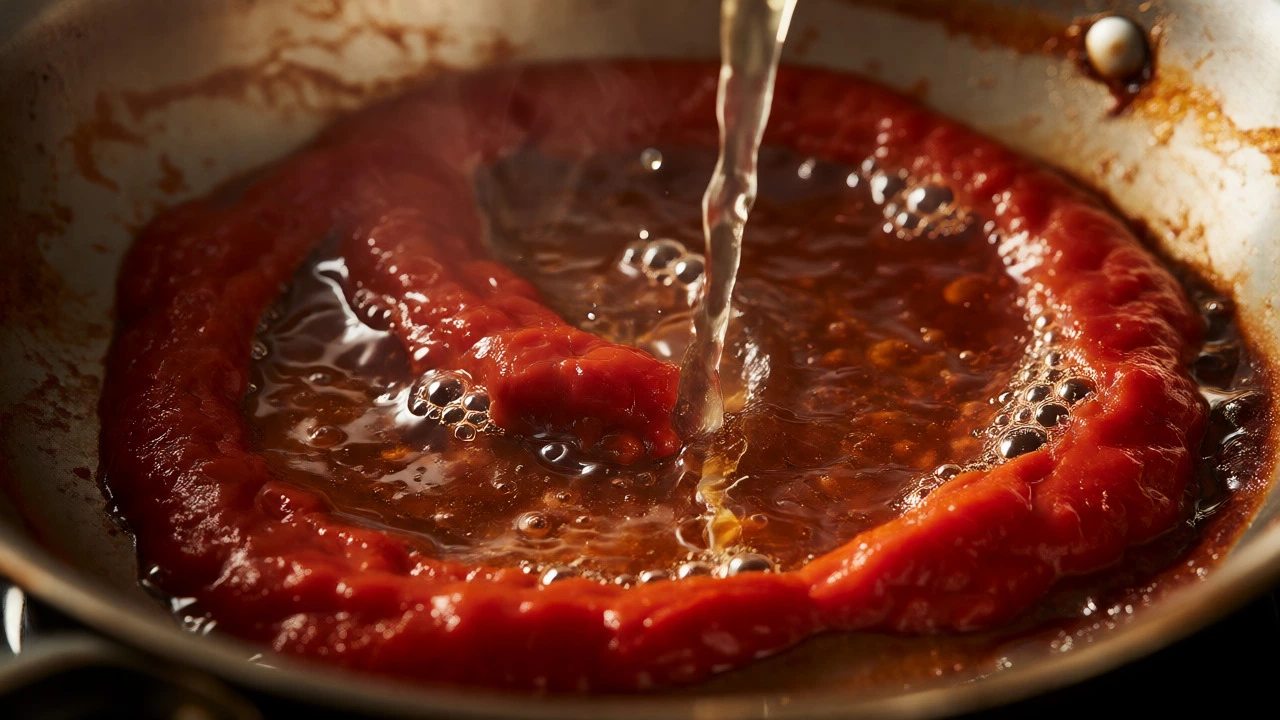
Once you hit that dark stage, deglaze the pan with a splash of wine or broth. Scrape up any brown bits stuck to the bottom-that’s pure flavor gold. Then, add your crushed tomatoes or passata. The difference in depth is immediate.
Beyond the Jar: Other Umami Boosters
While tomato paste is the MVP, it works best when supported by other umami-rich ingredients. If you want to take your sauce from good to unforgettable, consider these additions alongside your bloomed paste:
| Ingredient | Flavor Profile | Best Used With | Quantity Tip |
|---|---|---|---|
| Tomato Paste | Sweet, savory, concentrated | All tomato-based sauces | Fry until dark (3-5 mins) |
| Parmesan Rind | Nutty, salty, creamy | Long-simmering ragùs | Simmer whole, remove before serving |
| Anchovy Fillets | Salty, fishy (melts away) | Meat sauces or bolognese | 2-3 fillets, melt into oil with garlic |
| Fish Sauce | Pungent, complex | Quick weeknight sauces | 1 tsp, substitute for salt |
Anchovies sound intimidating, but trust me. Melt two or three fillets into your hot oil before adding the garlic. They dissolve completely. You won’t taste "fish." You’ll taste a deeper, more rounded savoriness that makes people ask, "What did you put in this?" It’s a trick used in professional kitchens worldwide.
A Parmesan rind is another low-effort, high-reward hack. Next time you finish a wedge of cheese, don’t throw the hard outer shell away. Freeze it. When you make sauce, drop the frozen rind into the simmering pot. It releases gelatin and fat, giving the sauce a silky body that plain tomatoes can’t achieve on their own.
Acidity Balance: The Counterweight
Tomatoes are naturally acidic. Sometimes, even with fried paste, your sauce tastes sharp or sour. This isn't necessarily bad-acid cuts through the richness of pasta-but it needs balance. Many cooks reach for sugar, but that’s often a crutch.
Try a pinch of baking soda instead. A quarter teaspoon stirred into the simmering sauce neutralizes excess acid without making it taste sweet. If you prefer sweetness, use a grated carrot. Carrots contain natural sugars that caramelize slowly during cooking, providing a subtle background note that supports the tomato paste rather than masking it.
Another secret weapon? A splash of balsamic vinegar added at the very end. Just a teaspoon. It adds complexity and brightness that lifts the heavy, cooked-down flavors. It sounds counterintuitive to add acid to an acidic sauce, but the type of acid matters. Balsamic brings fruity notes that complement the savory depth of the fried paste.
Common Mistakes That Kill Flavor
You’ve got the right ingredients, but are you sabotaging yourself elsewhere? Here are the biggest errors I see home cooks make when trying to improve their spaghetti sauce:
- Using cold ingredients. Adding cold canned tomatoes to a hot pan drops the temperature drastically, stopping the frying process. Bring your cans to room temperature or warm them slightly before pouring.
- Skipping the pasta water. Never drain all the water off your noodles. Reserve a cup of starchy pasta water. Emulsify it with your sauce in the final minute. The starch helps the sauce cling to the pasta, creating a glossy finish.
- Overcooking fresh herbs. Add basil or parsley at the very end, off the heat. Cooking them too long turns them black and bitter. Freshness provides a necessary contrast to the deep, cooked flavors of the paste.
- Ignoring salt timing. Salt early, but taste often. As the sauce reduces, the salt concentration increases. If you salt heavily at the start and then reduce for an hour, you might end up with a salty mess.
Quick vs. Slow: Adjusting for Time
If you have four hours, you can let the tomato paste do its work slowly. The long simmer allows the flavors to meld further, and the natural pectin in the tomatoes breaks down, thickening the sauce organically. In this scenario, the fried paste acts as a foundation, but time does the heavy lifting.
But let’s be real-you probably have twenty minutes. In a quick sauce, the fried tomato paste is doing 80% of the flavor work. Because you don’t have time for slow reduction, you need that instant umami punch. For quick sauces, I recommend doubling the amount of tomato paste compared to a long-simmer recipe. Instead of one tablespoon, use two. Also, add a pat of butter at the end. The fat carries the flavor and gives the illusion of a long-cooked richness.
Consider this decision tree for your next dinner:
- Do you have meat? If yes, brown it first, remove it, fry paste in the rendered fat, then return meat. The beef/pork fats mix with the tomato paste for incredible depth.
- Is it vegetarian? Use olive oil and add mushrooms. Brown the mushrooms deeply before adding paste. Mushrooms provide their own glutamates, synergizing with the tomato paste.
- In a rush? Fry paste aggressively for 4 minutes. Add pre-made marinara as the liquid base instead of raw tomatoes. Finish with butter and parmesan.
Final Thoughts on Consistency
Great sauce isn’t about expensive ingredients. It’s about technique applied to simple ones. Tomato paste is cheap, shelf-stable, and available everywhere. Yet, it remains underutilized because most people treat it like ketchup-a condiment to add at the end. Treat it like a spice base. Fry it. Darken it. Respect it.
Once you master the art of blooming tomato paste, you’ll notice your family eating faster. The sauce clings better. It tastes richer. And you didn’t need a fancy stockpot or hours of labor. You just needed to pay attention to the pan for five extra minutes. Try it tonight. You’ll likely never go back to dumping raw paste into your pot again.
Can I use ketchup instead of tomato paste?
No, ketchup contains vinegar, sugar, and spices that alter the flavor profile significantly. Ketchup is already cooked and balanced, whereas tomato paste is a raw building block that needs to be fried to develop depth. Using ketchup will make your sauce taste like fast food rather than authentic Italian cuisine.
How much tomato paste should I use per jar of sauce?
For a standard 24-ounce jar of crushed tomatoes, start with 1 to 2 tablespoons of tomato paste. If you are making a quick sauce, lean toward 2 tablespoons to compensate for the lack of long simmering time. If you are making a meat-heavy Bolognese, you can use up to 3 tablespoons for a thicker, richer consistency.
Does frying tomato paste really make a difference?
Yes, absolutely. Raw tomato paste has a sharp, metallic acidity and a flat flavor. Frying it in oil caramelizes the natural sugars and reduces the acidity, creating a complex, savory base. This process, often called "blooming," unlocks umami compounds that remain hidden when the paste is simply boiled in liquid.
What if my sauce tastes too bitter?
Bitterness usually comes from burnt garlic or overcooked herbs. If the garlic burned, you may need to start over. If it’s just general bitterness, try adding a small pinch of baking soda to neutralize acidity, or a teaspoon of honey to balance the flavor. Adding a splash of cream or butter can also mask slight bitterness by coating the tongue.
Can I freeze tomato paste?
Yes, freezing is the best way to store leftover tomato paste. Scoop teaspoons onto a parchment-lined baking sheet, freeze until solid, then transfer the cubes to a freezer bag. This way, you can grab exactly one cube (about 1 tablespoon) whenever you need it for blooming, avoiding waste from half-used tubes.