
Luxury Dessert Cost Estimator
Estimate the real cost of your next gourmet project. Select your base recipe and toggle premium ingredients to see how sourcing impacts the final price tag.
Cost Breakdown
Cost per serving: $--
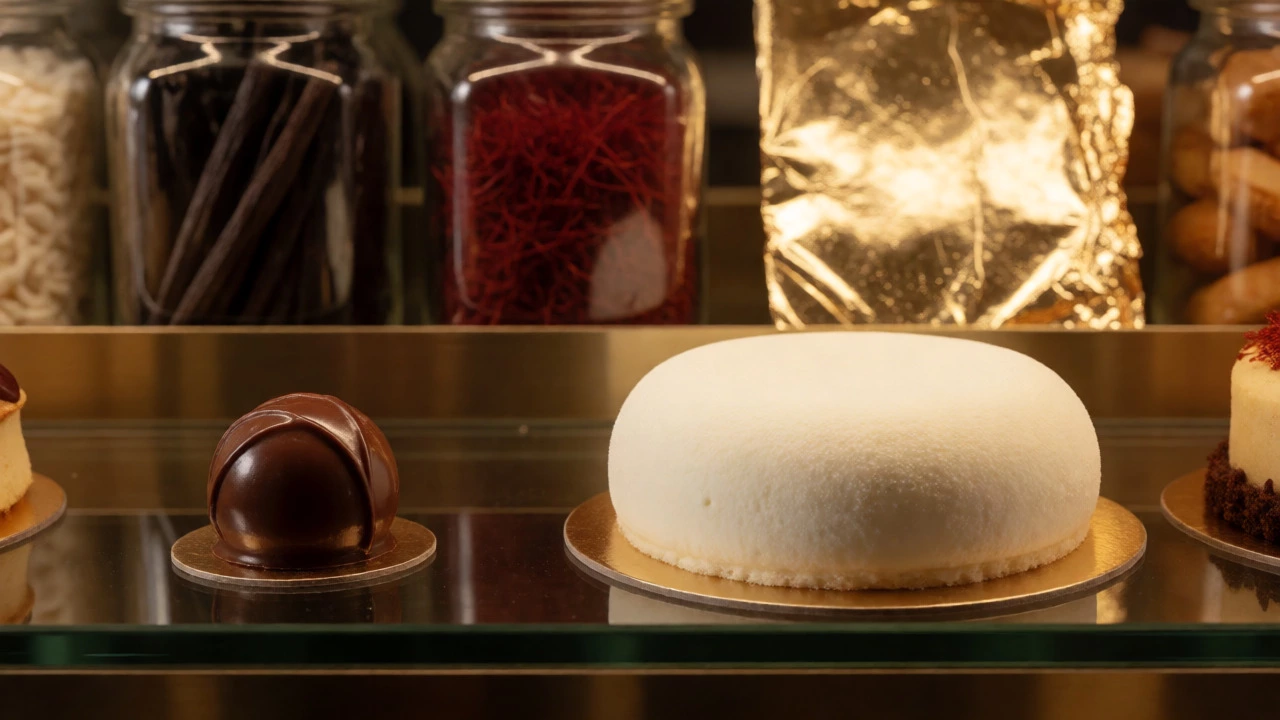
You walk into a high-end bakery in Melbourne and see a tiny chocolate truffle for $25. You think, "That's just chocolate." But then you look at the price tag on a simple-looking white mousse cake nearby: $45. Why? It’s not just about how much sugar or flour went into it. The real cost of a luxury dessert is hidden in the supply chain of its ingredients. If you are wondering what makes a dessert expensive to make from scratch, you need to look past the recipe steps and into the market prices of specific raw materials. It isn't usually the technique that breaks the bank; it is the sourcing.
The Price Tag of Pure Vanilla
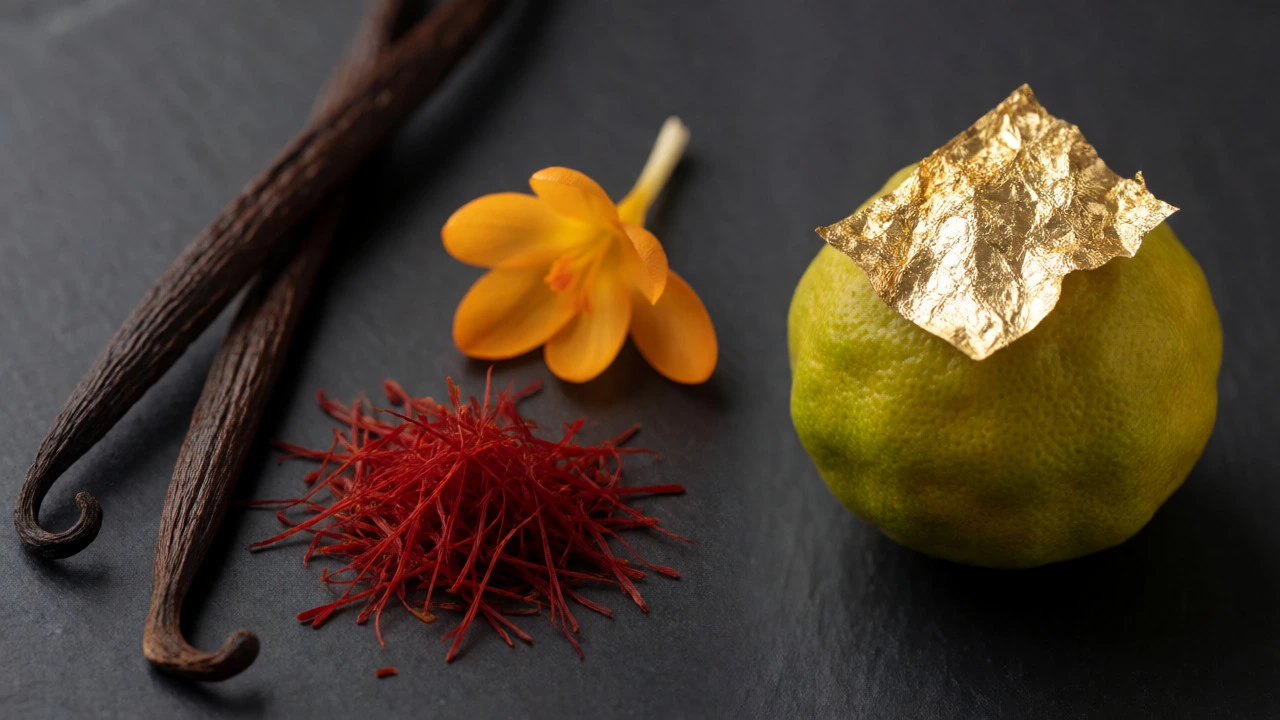
Most home bakers use vanilla extract. It’s cheap, effective, and gets the job done for cookies. But if you want to make a truly premium custard or ice cream base, you switch to vanilla beans. And here is where your budget starts to bleed. Madagascar Bourbon Vanilla Beans can cost anywhere from $10 to $20 per pod depending on the crop yield and global demand. A single batch of high-quality crème brûlée might require two pods. That is $30-$40 just for flavoring before you even buy the cream.
Why so expensive? Vanilla orchids must be hand-pollinated because their natural pollinator, a specific species of bee, only exists in Mexico. In Madagascar, which produces most of the world's supply, farmers still pollinate each flower by hand within a few hours of blooming. This labor-intensive process drives up the price. When you bake with these beans, you aren't just buying flavor; you are paying for human labor across continents.
Saffron: The Red Gold of Desserts
If vanilla is expensive, saffron is astronomical. It holds the title of the world's most expensive spice by weight. To produce one kilogram of saffron threads, workers must harvest approximately 150,000 crocus flowers by hand. Each flower yields only three stigmas, which must be dried carefully to preserve quality.
In desserts, saffron adds a distinct floral note and a vibrant yellow hue. Think of Persian Saffron Ice Cream or Italian Zuppa di Latte infused with saffron. You don't need much-a pinch goes a long way-but that pinch costs more than a whole jar of cinnamon. Buying saffron powder is risky because it is often adulterated with turmeric or corn silk. High-grade Iranian or Kashmiri saffron threads are the only safe bet for serious cooks, pushing ingredient costs through the roof for dishes that look deceptively simple.
Edible Gold Leaf: Decoration or Distraction?
Then there is the visual factor. Edible gold leaf has become synonymous with luxury dining. You see it on cupcakes, steaks, and yes, desserts. A small sheet of 24-karat edible gold can cost between $5 and $15. Since it is tasteless and inert, it adds zero nutritional value and no flavor profile. Its sole purpose is aesthetic impact.
When you apply gold leaf to a mousse or a chocolate sphere, you are adding a material cost that rivals the main protein of a dinner entree. For home bakers, this is often the first place they overspend. You can achieve similar visual drama with luster dust, which contains titanium dioxide and mica pigments, for a fraction of the price. But if you want the authentic "Instagram-worthy" sparkle that commands a premium menu price, real gold is the only option that passes the scrutiny of discerning guests.
Rare Fruits and Exotic Berries
Beyond spices and metals, fresh produce plays a huge role in dessert economics. Consider yuzu, a citrus fruit native to East Asia. Yuzu zest and juice bring a complex aroma that combines grapefruit, mandarin, and pine notes. Because yuzu trees have low yields and strict export regulations (especially to countries like Australia and the US), fresh yuzu is rare outside of specialized Asian grocers or high-end suppliers.
A single yuzu can cost $10-$15. If you are making a yuzu tart, you might need four fruits for the curd and garnish. That is $60 in citrus alone. Compare this to lemons, which cost cents. Other culprits include white strawberries, which command premium prices due to their delicate flavor and fragile nature, or out-of-season raspberries imported from distant hemispheres. Seasonality dictates cost. Making a strawberry shortcake in winter in Melbourne means paying triple the summer price for berries flown in from Spain or Chile.
Dairy Quality Matters More Than You Think
You might assume milk is cheap. Standard supermarket milk is. But high-fat artisanal dairy changes the game. Premium desserts rely on heavy cream with 36-40% fat content, often sourced from grass-fed cows. Brands like Kilcoy Pasture Bred in Australia charge significantly more for their thick, yellow-hued cream compared to standard brands.
Why pay more? Fat carries flavor. In a panna cotta or ganache, the texture and mouthfeel depend entirely on the quality of the dairy. Using lower-quality cream results in a watery, bland dessert that requires more sugar and stabilizers to compensate. Cheaper ingredients often lead to higher waste if the final product fails to meet expectations. Investing in top-tier butter and cream ensures structural integrity and richness, reducing the need for corrective additives.
Chocolate: Cacao Percentage and Origin
Couverture chocolate is not the same as baking chips. Couverture contains a higher percentage of cocoa butter, which gives it a glossy finish and crisp snap when tempered. Brands like Valrhona, Callebaut, or local Australian makers like Tegan Sorrel source single-origin cacao beans.
Single-origin chocolate highlights terroir-flavors derived from the soil where the cacao grew. Venezuelan Chuao beans, for example, offer nutty, caramel notes without added flavors. These specialty chocolates can cost $20-$30 per kilogram, whereas generic compound chocolate costs $5. For a professional-looking torte or glaze, couverture is non-negotiable. Compound chocolate, which uses vegetable fats instead of cocoa butter, lacks the complexity and setting properties required for high-end plating.
| Ingredient | Standard Cost | Luxury Cost | Primary Driver |
|---|---|---|---|
| Vanilla | $5/bottle (extract) | $15/pod (beans) | Hand-pollination labor |
| Saffron | N/A (rarely used) | $20/g (threads) | Manual harvesting intensity |
| Gold | $0 (none) | $10/sheet | Precious metal commodity price |
| Citrus | $0.50/lemon | $12/yuzu | Import restrictions & scarcity |
| Chocolate | $8/kg (compound) | $25/kg (couverture) | Cocoa butter purity & origin |
The Hidden Costs: Time and Equipment
Money isn't the only currency spent on expensive desserts. Labor time is a massive factor. Making laminated dough for croissants or puff pastry takes days of resting and rolling. Churning homemade gelato requires an ice cream maker and constant attention. Tempering chocolate correctly involves precise temperature control, often requiring digital thermometers and marble slabs.
If you value your time at $50 an hour, a dessert that takes six hours to prepare effectively costs $300 in labor alone. This is why restaurant desserts are priced so high. They account for the chef's skill, the risk of failure, and the opportunity cost of their time. At home, you might ignore this, but understanding it helps explain why a handmade macaron set feels like a luxury item.
Is It Worth the Hype?
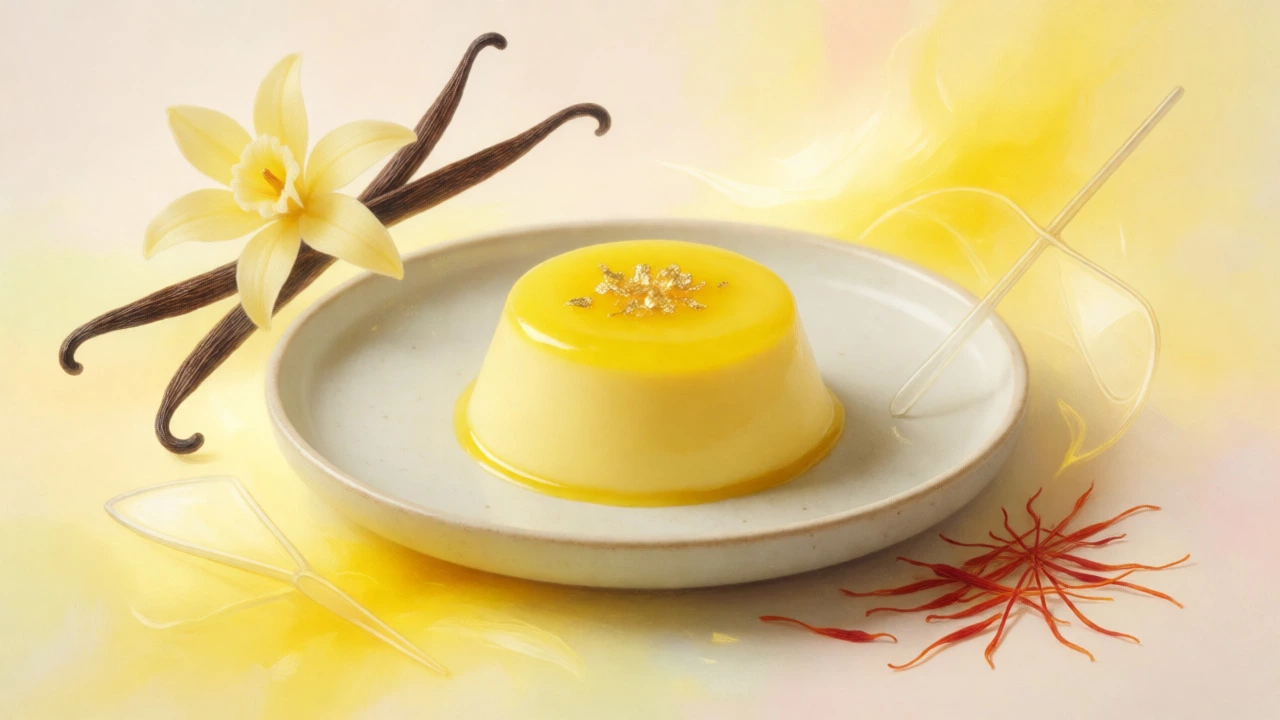
So, what is the most expensive dessert to make? Technically, it is likely a gold-dusted saffron panna cotta with yuzu coulis. It combines three of the most costly ingredients mentioned above. But does it taste better than a simple lemon tart made with good eggs and butter? Not necessarily. Flavor balance matters more than ingredient pedigree.
Expensive ingredients shine when used sparingly. Overusing saffron makes a dish bitter. Too much gold distracts from the food. The smartest approach is to pick one luxury element-like high-quality vanilla beans-and pair it with humble, fresh components. This keeps costs manageable while elevating the overall experience.
What is the single most expensive dessert ingredient?
Saffron is generally considered the most expensive spice by weight, costing upwards of $20 per gram for high-grade threads. However, edible gold leaf can exceed this cost per serving if used generously, though it is used in smaller quantities.
Why are vanilla beans so expensive?
Vanilla orchids require hand-pollination because their natural pollinators are limited to specific regions. The curing process also takes several months, involving sweating and drying the pods to develop their flavor, which adds significant labor costs.
Is edible gold safe to eat?
Yes, 24-karat edible gold is biologically inert and passes through the body unchanged. It has no taste or nutritional value but is FDA-approved for consumption in many countries, including Australia.
Can I substitute expensive ingredients for cheaper ones?
You can substitute vanilla beans with high-quality extract, though you lose the visual appeal of the seeds. Saffron can sometimes be replaced with turmeric for color, but you will miss the unique floral aroma. Gold leaf can be swapped with luster dust for a similar visual effect at lower cost.
Does using expensive ingredients guarantee a better dessert?
No. Technique and balance are crucial. Poorly executed pastry with premium ingredients will still fail. Conversely, simple ingredients treated with respect and proper technique can result in superior flavor profiles.