
Perfect Pasta Ratio Calculator
Your Cooking Measurements
Quick Reference Guide
- 1 Use at least 4-6 quarts of water per pound (16oz).
- 2 Salt water like the sea (approx. 1 tbsp kosher salt per quart).
- 3 Reserve 1 cup of starchy water before draining.
- 4 Finish cooking in the sauce for better adhesion.
Enter your pasta amount above to calculate the perfect water and salt ratios based on the golden rules of pasta making.
There is nothing quite as disappointing as a plate of soggy, glue-like noodles or dry strands that slide right off your fork. You might have bought the most expensive Durum wheat semolina is a coarse flour made from hard wheat, essential for high-quality dried pasta production. available, but if you break the fundamental laws of preparation, it will still taste mediocre. Cooking pasta isn't just about boiling water and waiting; it is a precise science involving timing, temperature control, and chemical reactions.
We often treat pasta as a background ingredient, something we toss in the pot while chopping vegetables. But to get that restaurant-quality finish, you need to respect the process. The difference between good pasta and great pasta usually comes down to five non-negotiable rules. These aren't just opinions from fancy chefs; they are based on how starch behaves under heat and how sauces adhere to protein structures.
The Water-to-Pasta Ratio Matters More Than You Think
The first rule is simple but frequently ignored: use an enormous amount of water. If you crowd the pot, the temperature drops drastically when you add the noodles. This causes the surface starch to gelatinize too quickly, creating a sticky film that makes the pasta clump together. Instead of separate strands, you end up with a single, gummy mass.
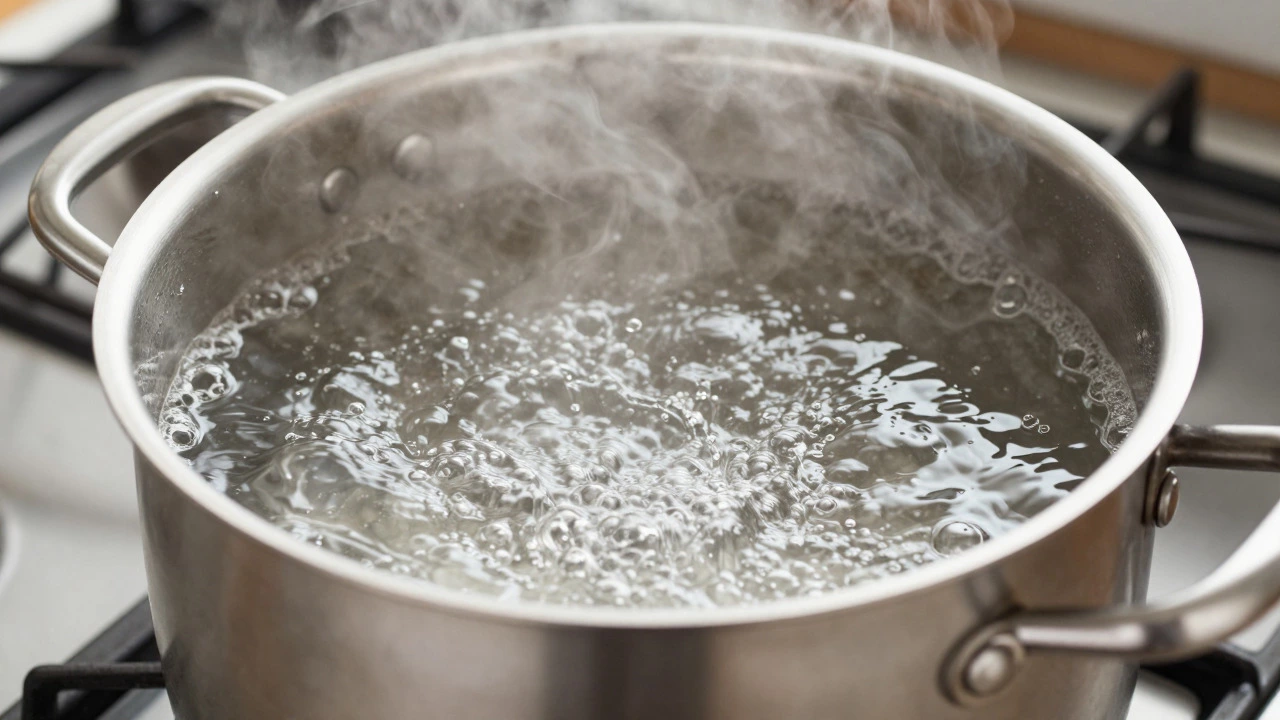
Aim for at least four to six quarts of water for every pound of pasta. This volume ensures that the water returns to a rolling boil within a minute or two of adding the noodles. It also provides enough space for the starch to dilute effectively. If your kitchen sink is small, consider using a large stockpot rather than a wide skillet. Depth matters more than width here because you want the pasta to move freely.
Many home cooks try to save water or energy by using less, but this backfires. The result is uneven cooking and a mushy texture. Think of the water as a medium that transfers heat evenly. If the medium is compromised, the transfer fails. So, fill that pot until it looks like a small swimming pool.
Salt the Water Like the Sea
This is perhaps the most debated rule, but the principle remains solid: your pasta water should be salty. Not just a pinch, but noticeably briny. Since you drain most of this water, the pasta itself absorbs very little sodium during cooking. If the water tastes like plain tap water, your final dish will taste bland, no matter how flavorful your sauce is.
A good benchmark is one tablespoon of kosher salt per quart of water. If you are using fine table salt, reduce the amount slightly since it is denser. The goal is for the water to taste like seawater. This early seasoning penetrates the noodle structure, providing a base layer of flavor that complements the sauce later. Without this step, you are relying entirely on the sauce to carry the taste, which often leads to over-salting the sauce itself.
Don't worry about making the meal too salty. The dilution effect of draining the water and adding sauce balances it out perfectly. Adding salt after cooking only coats the outside, whereas salting the water seasons the pasta from the inside out.
Respect the Al Dente Texture
The term "al dente" translates to "to the tooth," referring to a slight firmness when bitten. This is not just a preference for crunchiness; it is about texture contrast. Overcooked pasta becomes soft and mealy, losing its structural integrity. When you mix it with sauce, it disintegrates further, turning into paste.
To achieve this, start tasting the pasta two minutes before the package instructions suggest. Packages provide a range, but brands vary in thickness and density. Stir the pot constantly, especially in the first few minutes, to prevent sticking. As soon as the pasta offers a tiny bit of resistance in the center, it is time to pull it off the heat. Remember, the cooking process continues briefly when you transfer the hot noodles to the sauce.
If you are serving the pasta immediately, aim for true al dente. If you plan to bake it, like in lasagna, cook it slightly softer since it will absorb more moisture in the oven. Understanding this distinction prevents the common mistake of serving mushy baked pasta dishes.
Never Drain All the Starchy Water
Here is where most people go wrong. They drain the pasta completely, rinse it (a major sin), and then dump the sauce on top. The starchy water left behind is liquid gold. That cloudy, opaque liquid contains released starch molecules that act as a natural emulsifier. It helps bind the oil-based or cream-based sauces to the noodles, creating a cohesive dish rather than separate components.
Before draining, scoop out a cup of the cooking water. Reserve it. When you combine the pasta and sauce in the pan, add splashes of this reserved water. Stir vigorously. The starch reacts with the fats in the sauce, thickening it and helping it cling to every curve of the noodle. This technique, known as "mantecatura" in Italian cuisine, transforms a watery sauce into a glossy, velvety coating.
Rinsing pasta removes this valuable starch and cools the noodles down, stopping the cooking process abruptly. Unless you are making a cold pasta salad, never rinse. Let the starch do its job.
Finish Cooking in the Sauce
Pasta does not stop cooking the moment it leaves the boiling water. In fact, the best integration of flavor happens when you finish the final minute of cooking directly in the sauce. Transfer the drained, al dente pasta into the pan with your prepared sauce. Add a splash of the reserved starchy water. Turn the heat to medium-low and stir continuously for one to two minutes.
This step allows the pasta to absorb the flavors of the sauce while the sauce reduces slightly around the noodles. The agitation creates friction, which helps emulsify the mixture. You will see the sauce thicken and coat the pasta beautifully. This is why restaurant pasta always looks glossier and tastes more integrated than homemade versions served separately.
Whether you are making a simple aglio e olio or a rich ragù, this finishing step elevates the dish. It bridges the gap between the neutral carbohydrate and the complex sauce, creating a unified eating experience.
Pair Shapes with Sauces Intentionally
The shape of the pasta is not arbitrary; it is designed to hold specific types of sauces. Thin strands like spaghetti or linguine work best with oil-based or light tomato sauces. The smooth surface allows the sauce to slide along the length of the noodle. Heavy meat sauces can overwhelm these delicate shapes, sliding off rather than adhering.
Conversely, tubular or ridged shapes like penne, rigatoni, or fusilli are engineered to trap chunky ingredients. The hollow centers catch pieces of sausage or vegetables, ensuring each bite has a balanced ratio of pasta to filling. Rough-textured pastas, such as those made with bronze dies, have microscopic bumps that grab onto creamy sauces better than smooth extruded noodles.
Matching the shape to the sauce ensures that every mouthful delivers the intended flavor profile. Serving heavy bolognese on thin angel hair results in a slippery, unbalanced dish. Pairing light pesto with dense gnocchi can feel cloying. Choose your pasta shape with the sauce in mind from the start.
| Pasta Shape Type | Ideal Sauce Consistency | Why It Works |
|---|---|---|
| Long Strands (Spaghetti, Linguine) | Oil-based, Light Tomato, Seafood | Smooth surface allows sauce to coat evenly without weighing down delicate noodles. |
| Tubular (Penne, Rigatoni) | Chunky Meat, Vegetable, Creamy | Hollow centers trap large ingredients and hold thick sauces inside. |
| Ridged/Rough (Fusilli, Rotini) | Creamy, Pesto, Cheese-heavy | Texture provides grip for oily or cheesy sauces that might otherwise slide off. |
| Flat Wide (Fettuccine, Pappardelle) | Rich Meat Ragù, Mushroom Cream | Broad surface area supports heavy, slow-cooked sauces without breaking. |
Common Mistakes to Avoid
Even with the right rules, small errors can ruin the dish. One common mistake is breaking long pasta to fit it into the pot. While convenient, this changes the eating experience. Long pasta is designed to be twirled, allowing you to control the portion size and mix sauce effectively. Breaking it shortens the strand, reducing its ability to hold sauce and altering the traditional dining ritual.
Another error is adding oil to the boiling water. People do this to prevent sticking, but it actually coats the noodles, making it harder for the sauce to adhere later. The solution is not oil; it is stirring. A quick stir in the first two minutes prevents clumping without compromising the sauce's adhesion properties.
Finally, don't let the pasta sit in a colander after draining. It continues to cook from residual heat and starts to stick together. Transfer it immediately to the sauce pan. Speed matters here. The window between perfect al dente and overcooked is narrow, so have your sauce ready before the pasta goes into the water.
Should I rinse my pasta after cooking?
No, unless you are making a cold pasta salad. Rinsing removes the starchy coating that helps sauce adhere to the noodles. For hot dishes, rinsing makes the pasta slippery and prevents the sauce from sticking, resulting in a less flavorful meal.
How much salt should I put in pasta water?
Aim for about one tablespoon of kosher salt per quart of water. The water should taste distinctly salty, like seawater. This ensures the pasta is seasoned from the inside out, as most of the water is drained away.
Why is my pasta sticking together?
Sticking usually happens due to insufficient water or lack of stirring. Use plenty of water to allow the pasta to move freely, and stir frequently during the first two minutes of cooking. Adding oil to the water is not recommended as it interferes with sauce adhesion later.
What does "al dente" mean?
Al dente means "to the tooth." It refers to pasta that is cooked until tender but still offers a slight resistance when bitten. This texture provides a pleasant chew and prevents the pasta from becoming mushy when mixed with sauce.
Do I really need to reserve pasta water?
Yes, reserving starchy pasta water is crucial for achieving a restaurant-quality finish. The starch acts as an emulsifier, helping to bind the sauce to the noodles and creating a glossy, cohesive dish. Add it gradually while tossing the pasta with the sauce.