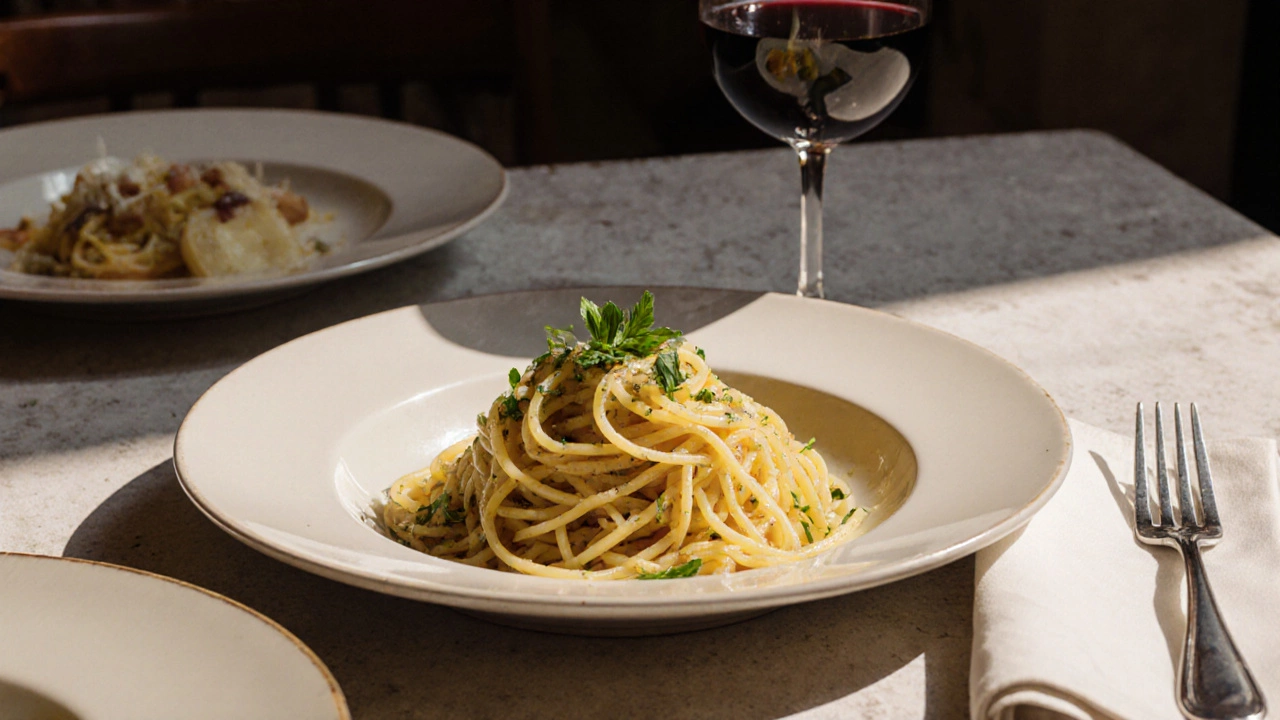
When you grab a box of spaghetti, a long, thin pasta made from durum wheat, commonly served with sauce and often eaten as a main dish. Also known as long pasta, it’s one of the most popular meals in homes around the world. The real question isn’t how much sauce to add—it’s how much pasta to cook. Most people guess. Some scoop a handful. Others just dump half the box. But a proper spaghetti portion size isn’t about filling the plate—it’s about balance, cost, and not ending up with a stomachache by 8 p.m.
Here’s the truth: one serving of dry spaghetti is about 2 ounces, a standard dry pasta portion that yields roughly 1 cup cooked, enough for a single main dish serving. That’s the size of a U.S. quarter, stacked into a bundle. Not a fist. Not a cupful of dry noodles. Just two ounces. Most restaurants serve three to four times that. And if you’re feeding a family, doubling or tripling that amount makes sense—but only if you’re tracking calories, budget, or food waste. The average person doesn’t need a pound of pasta. They need enough to feel satisfied, not stuffed.
Why does this matter? Because pasta portions, the amount of cooked or dry pasta served per person, often influenced by cultural habits, restaurant norms, and marketing. have ballooned over the last 30 years. A 1980s serving was 2 ounces. Today, many boxes suggest 4 to 6 ounces per person. That’s not a mistake—it’s a business tactic. More pasta means more sales. But it also means more calories, more leftovers, and more guilt. And when you cook too much, you end up eating it cold the next day, or worse—throwing it out.
Want to get it right? Use a kitchen scale for a week. Weigh your pasta before cooking. You’ll be shocked. Then try this: serve one portion, add a big salad, a side of roasted veggies, or a protein like grilled chicken or beans. You’ll feel full without the bloating. And you’ll save money. A 16-ounce box of spaghetti costs maybe $1.50. That’s eight servings. If you’re using four servings a week, you’re spending $3. If you’re using six, you’re spending $4.50. That adds up.
And don’t forget: spaghetti calories, the energy content of cooked or dry spaghetti, typically around 200 calories per 2-ounce dry serving. aren’t the enemy. It’s the volume. One cup of cooked spaghetti with a light tomato sauce and a sprinkle of Parmesan? That’s a solid, satisfying meal. Add butter, cream, and extra cheese? Suddenly, you’re at 600 calories before you even think about the garlic bread.
There’s no one-size-fits-all rule. Kids need less. Athletes need more. But if you’re just an average home cook trying to eat well without overdoing it, start with 2 ounces per person. Measure it. Cook it. Serve it. See how you feel. You might find you actually enjoy your food more when you’re not drowning in noodles.
Below, you’ll find real tips from people who’ve figured out how to serve spaghetti without the waste, the guilt, or the guesswork. From how to stretch a small amount with veggies to why measuring matters more than you think—these posts give you the tools to get it right, every time.