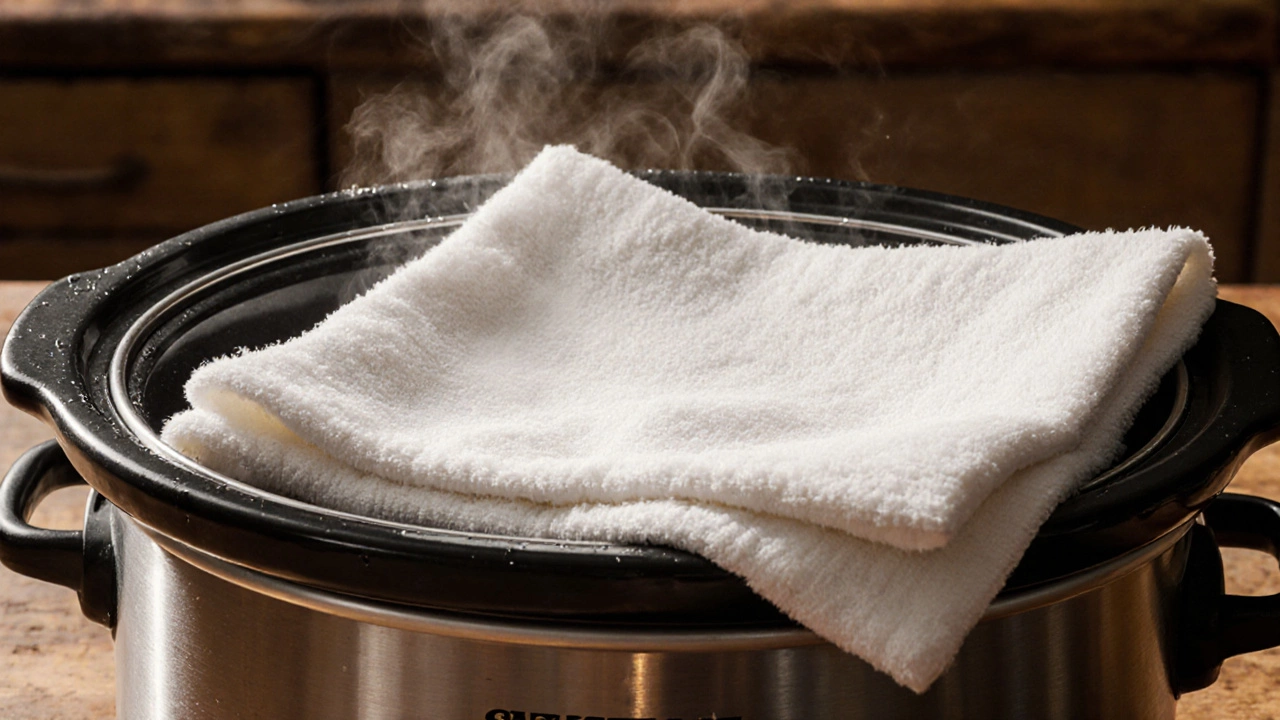
When you think of a slow cooking hack, a practical technique that makes slow cooker meals taste better and cook more reliably. Also known as slow cooker trick, it's not about setting it and forgetting it—it’s about understanding how heat moves through food over hours. Most people dump everything in at once and wonder why their chicken is dry or their veggies are mush. The real slow cooking hack is layering: putting the right ingredients in the right order so each one cooks perfectly.
It’s not magic. It’s physics. Tough cuts of meat need to sit at the bottom, where the heat is hottest and stays longest. That’s why beef chuck or pork shoulder go in first, right on the pot’s surface. Vegetables like potatoes and carrots? They go on top of the meat. Why? They take longer to soften than onions or tomatoes, and if they’re buried under meat, they steam instead of roast. Onions and garlic? Sprinkle them between layers—they release flavor slowly and infuse everything. Liquids go in last, just enough to cover the bottom. Too much water turns your stew into soup. Too little and you risk burning. And don’t forget: slow cooker layering, the strategic placement of ingredients to control cooking time and texture is what separates a good meal from a great one.
Then there’s time. crockpot safety, following USDA guidelines to avoid foodborne illness when cooking low and slow isn’t optional. Meat should hit 140°F within four hours—otherwise, bacteria can grow. That’s why you preheat the pot, use room-temperature meat, and never fill it past two-thirds full. And don’t lift the lid. Every time you do, you lose 20 minutes of cooking time. That’s not a myth. That’s science. People think slow cooking means you can leave it all day. You can—but only if you start right. The slow cooker tips, proven methods to improve flavor, texture, and safety in slow-cooked meals aren’t complicated. They’re simple. But they’re ignored.
And flavor? That’s where the real hack lives. Browning meat before it goes in isn’t just for show—it creates a crust that locks in juice and adds depth. A splash of vinegar or Worcestershire sauce at the end cuts through richness. A pinch of sugar balances acidity. A bay leaf or two? They don’t just smell nice—they make the whole pot taste like it simmered for days. These aren’t fancy tricks. They’re the little things that make your neighbors ask, "What’s your secret?"
Below, you’ll find real recipes and step-by-step guides from people who’ve cracked the code. No fluff. No filler. Just what works: how to layer chicken so it doesn’t dry out, why beans need to go in after meat, how long you can safely leave food on low, and which ingredients actually improve with long cooking. This isn’t about following a recipe. It’s about understanding why it works—and then making it your own.