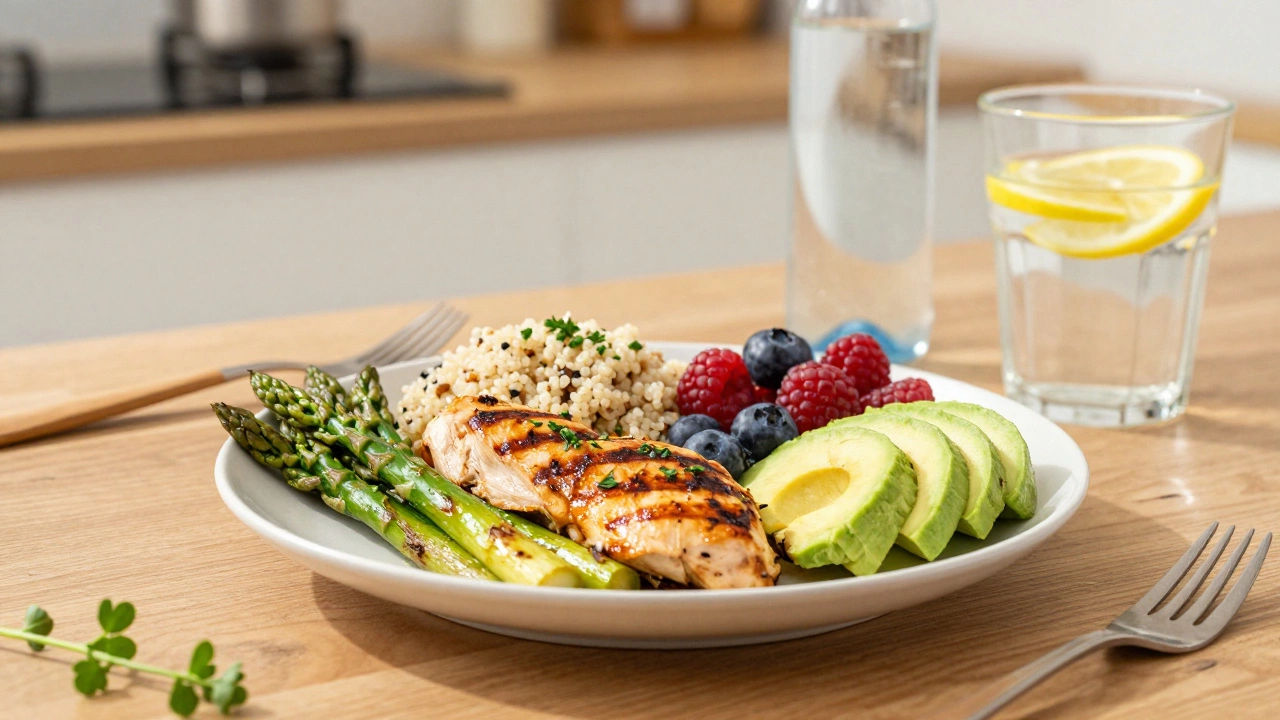
When you’re trying to reduce tummy fat, you’re not just chasing a flatter stomach—you’re working on your metabolic health. Tummy fat, especially the deep kind called visceral fat, isn’t just cosmetic. It’s linked to insulin resistance, inflammation, and higher risk for heart disease. This isn’t about quick fixes or detox teas. It’s about what you put on your plate, how you cook it, and how your body responds over time. Visceral fat, the fat that wraps around internal organs like the liver and intestines. It’s different from subcutaneous fat under the skin, and it responds to diet and stress more than exercise alone. Insulin resistance, when your cells stop responding well to insulin. This is often the hidden driver behind stubborn belly fat, even in people who aren’t overweight overall. And processed carbs, including white bread, sugary snacks, and even "healthy" granola bars. These are the real culprits that keep your body storing fat around your middle.
You won’t find magic pills or belly-burning supplements in the posts below. What you will find are real, practical connections between what you eat and how your body handles fat. One post breaks down why undercooked chicken can mess with your gut health—because food safety isn’t just about avoiding illness, it’s about keeping your microbiome balanced. Another explains how replacing meat with beans and lentils doesn’t just help the planet, it helps your waistline by stabilizing blood sugar. The tea towel trick in slow cooking? It’s not just a hack for thicker sauces—it’s about reducing excess moisture that can lead to watery, low-nutrient meals that leave you hungry sooner. And when you learn how to layer vegetables properly in a slow cooker, you’re not just avoiding mushy carrots—you’re making meals that keep your energy steady and cravings low.
There’s no one-size-fits-all diet for reducing tummy fat. But there are patterns. People who cut out hidden gluten in junk food often notice less bloating. Those who stop eating meat for a week report better digestion and fewer mid-afternoon crashes. And those who switch to whole-food protein sources—like tofu, tempeh, or lentils—find they naturally eat less without feeling deprived. This collection doesn’t sell you a plan. It shows you how real people’s bodies react to real food changes. You’ll see what happens when you stop eating meat, how slow cookers can help or hurt your goals, and why the spaghetti rule in Italy (smaller portions, balanced meals) might be smarter than giant bowls of pasta. This isn’t about starving or sweating it out. It’s about eating in a way that tells your body it’s safe to let go of stored fat. Below, you’ll find the tools, the science, and the simple swaps that actually work.