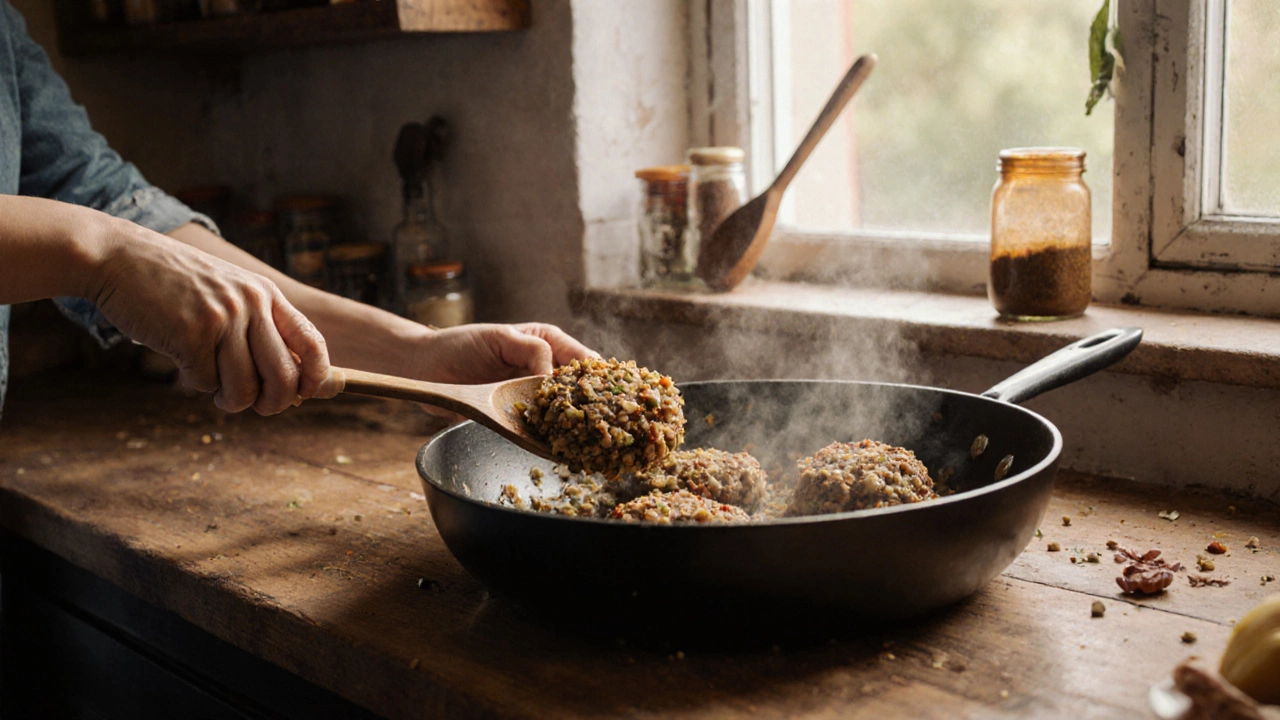
When you hear meat-free diet, a way of eating that excludes all animal flesh, often for health, ethical, or environmental reasons. Also known as plant-based eating, it’s not about deprivation—it’s about swapping one kind of fuel for another that works just as well, if not better. People do it for many reasons: some want to feel lighter, others care about animals or the planet, and a lot just love the taste of a well-spiced lentil stew. But no matter why you’re doing it, the biggest question isn’t ‘What can’t I eat?’—it’s ‘What can I eat that actually fills me up?’
The answer isn’t fake meats wrapped in plastic. It’s real food: beans that soak up spices like sponges, lentils that turn into rich stews, mushrooms that brown and chew like steak, tofu that takes on any flavor you give it, and whole grains like barley and farro that add texture and staying power. These aren’t substitutes—they’re the main event. And they’re not new. People have eaten this way for centuries, from India’s dal and rice to Mexico’s black bean tacos and Ethiopia’s lentil stews. You don’t need fancy supplements or protein powders to get enough protein. A cup of cooked lentils has 18 grams. A half-block of firm tofu? Around 20. Eggs, if you eat them, add another 6 grams each. You’re not missing out—you’re expanding your plate.
What makes a meat-free diet stick isn’t willpower. It’s flavor. And that’s where the real magic happens. A roasted jackfruit taco with lime and cilantro? It’s not trying to be pulled pork—it’s its own thing, juicy and bright. A bowl of chickpea curry with coconut milk and turmeric? It’s warmth in a spoonful. The plant-based protein, protein derived from plants like legumes, nuts, seeds, and soy. Also known as vegan protein, it’s not just about counting grams—it’s about enjoying food that makes you feel good inside and out. And if you’ve ever felt tired after a meat-heavy meal, you know how good it feels to eat something that doesn’t weigh you down.
You’ll find plenty of tips here on how to make these foods taste incredible—how to get mushrooms to caramelize just right, how to press tofu so it soaks up flavor, how to layer spices so every bite sings. You’ll see how people use simple tricks—like the tea towel trick in slow cookers—to make their meals richer without adding anything artificial. You’ll learn why Italians serve small portions of pasta not because they’re strict, but because it keeps meals balanced. And you’ll see how eating this way doesn’t cost more—it can cost less, especially when you skip expensive meats and buy dried beans in bulk.
This isn’t a trend. It’s a return to what food was always meant to be: varied, colorful, and full of life. Whether you’re cutting out meat for a week or for good, the goal isn’t perfection. It’s progress. And the best part? You don’t need to be a chef. You just need to be curious. Below, you’ll find real stories, real recipes, and real people who’ve figured out how to eat well without meat—not by avoiding flavor, but by chasing it harder than ever.