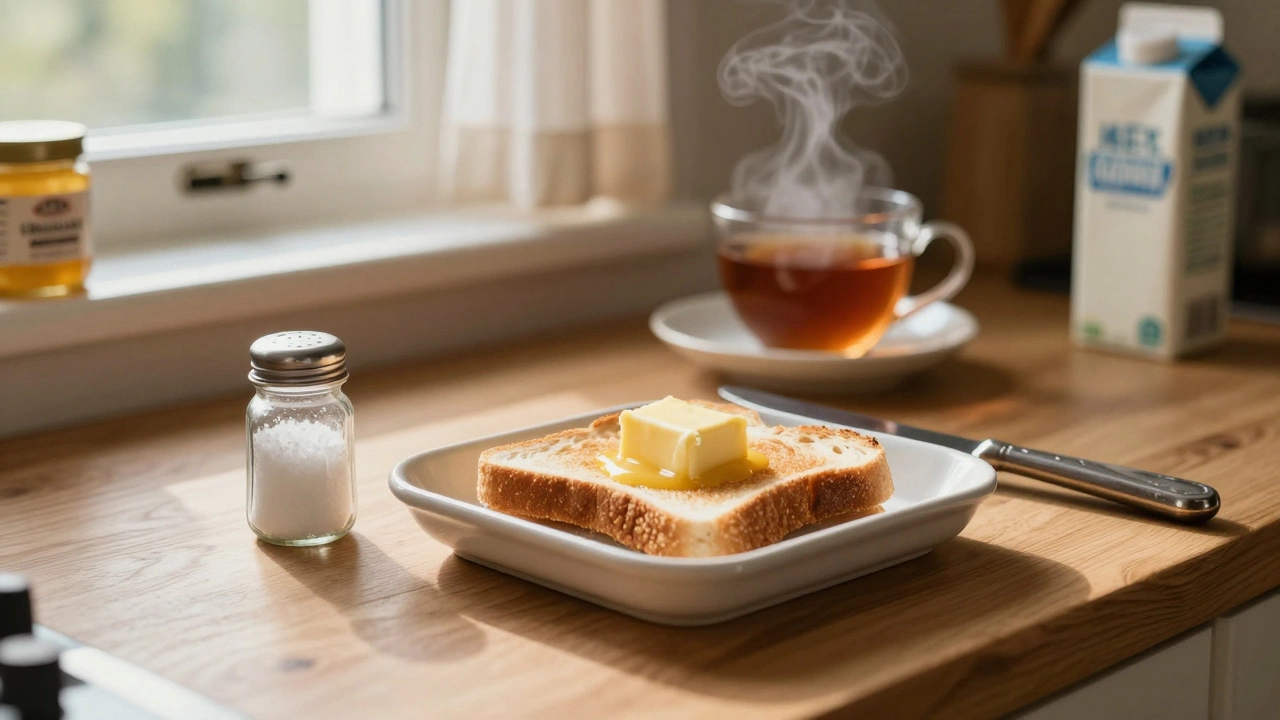
When you think of a dairy in vegetarian diet, the use of milk, cheese, yogurt, and butter by people who don’t eat meat. Also known as lacto-vegetarian, it’s one of the most common ways people cut meat without going fully plant-based. It’s not just about avoiding steak or chicken—it’s about what you put on your toast, in your coffee, or on your pasta. And that’s where things get real.
Most vegetarians still eat dairy, products made from animal milk like cow, goat, or sheep. That includes cheese, yogurt, butter, and even ice cream. Why? Because they’re packed with protein, calcium, and vitamin B12—nutrients that are harder to get from plants alone. But here’s the catch: not all vegetarians agree on eggs, laying hens’ eggs often included in vegetarian diets. Some call themselves ovo-vegetarians, others avoid them for ethical or environmental reasons. And then there’s the growing group swapping dairy for almond, oat, or soy versions—not because they have to, but because they prefer how they taste or feel afterward.
What you’ll find in the posts below isn’t a debate about right or wrong. It’s a look at what people actually eat and how their bodies respond. You’ll see how going dairy-free affects digestion, energy, and even skin. You’ll find out why some vegetarians still rely on cheese for protein, and how others replaced it with lentils and nutritional yeast and never looked back. There’s no one-size-fits-all answer—just real stories, real changes, and real food that works.
If you’ve ever wondered whether your morning yogurt is truly vegetarian, or if you’re missing something by cutting out cheese, you’re not alone. The posts here cover the full spectrum—from people who’ve eaten dairy their whole lives to those who switched and never went back. You’ll learn what happens when you stop drinking milk, what replaces it, and how to make sure you’re still getting what your body needs—without meat, and without guesswork.