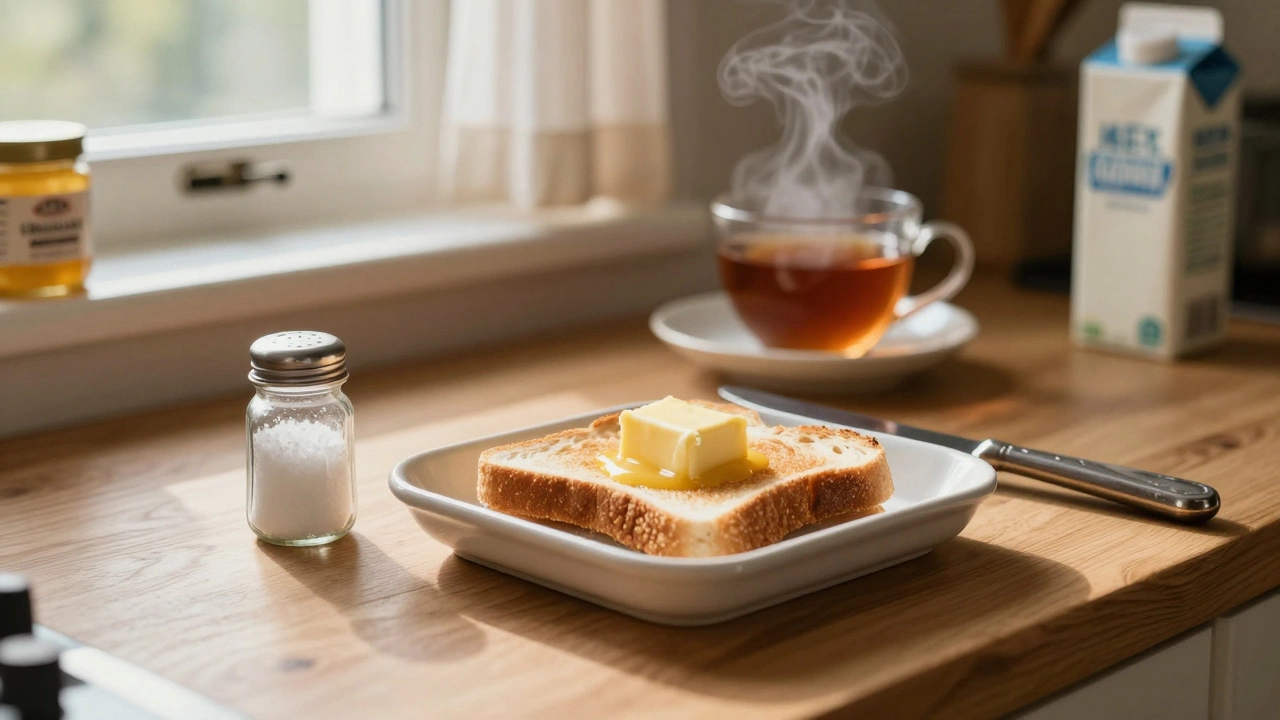
When we talk about butter, a dairy product made from churned cream, commonly used in cooking and baking. Also known as dairy butter, it's a staple in many kitchens—but not everyone eats it, even if they’re vegetarian. The line between vegetarian and vegan isn’t just about meat. It’s about milk, eggs, and yes—butter. Many people assume vegetarian means no meat, full stop. But if you’re asking whether butter fits into a vegetarian lifestyle, the answer isn’t as simple as it looks.
vegetarianism, a dietary choice that excludes meat, poultry, and fish, but may include animal by-products like dairy and eggs. Also known as lacto-ovo vegetarianism, it’s the most common form of vegetarian eating in the West. That means most vegetarians do eat butter—because it comes from milk, not animals killed for meat. But here’s the twist: not all vegetarians are okay with it. Some avoid butter because of how cows are treated, or because they’re concerned about industrial dairy farming. Others simply want to cut all animal products for health or environmental reasons. That’s where vegan butter, a plant-based substitute made from oils like coconut, olive, or sunflower, designed to mimic the taste and texture of dairy butter. Also known as non-dairy butter, it’s become a go-to for people who want the richness of butter without any animal ingredients comes in. Brands like Miyoko’s, Earth Balance, and Country Crock Plant Butter aren’t just for vegans anymore—they’re popular with anyone looking to reduce dairy.
And it’s not just about swapping butter on toast. If you’re cooking vegetarian meals and want to keep them rich and flavorful, knowing what fats work best matters. Butter adds depth to sauces, helps brown vegetables, and gives pastries that flaky texture. But if you’re avoiding dairy, you need alternatives that perform the same way. Coconut oil works for baking, olive oil for sautéing, and specialized vegan butters for spreading. The key is matching the fat’s melting point and flavor profile to the dish. Some vegetarians stick with butter because they’re fine with dairy. Others switch entirely. Neither is wrong—it’s about your values, your health, and what tastes good to you.
Looking at the posts here, you’ll find a lot of overlap. People asking what vegetarians eat instead of meat? That’s covered. What do vegans use in place of animal products? That’s covered too. You’ll see real food swaps, not just processed substitutes. And you’ll see why some people avoid butter even if they don’t eat meat. This isn’t about rules. It’s about understanding what’s in your food—and why it matters.