
Pasta Perfection Calculator
Enter the number of people you are serving to get the recommended pot size and salt quantity based on Italian standards.
Check off the steps you usually do. See which habits might be ruining your pasta texture or flavor.
You’ve probably seen the memes. Someone breaking spaghetti in half before boiling it, or dumping oil into the pot like they’re deep-frying a turkey. It’s funny until you realize how many of us are actually doing these things. We treat pasta as just another carb to boil, but it’s a craft with strict rules. Get them wrong, and you end up with gummy, flavorless noodles that refuse to hold onto sauce.
Here is the thing about making pasta: it’s simple, but simplicity is unforgiving. There’s nowhere to hide when you mess up the basics. If you want your next dinner to taste like something from a nonna’s kitchen rather than a sad dorm room meal, you need to stop doing a few specific things. Let’s break down the habits that ruin your plate, and why they matter.
The Oil Myth: Why You Should Stop Pouring It In
Stop adding olive oil to your boiling water. Seriously. This is the most common mistake home cooks make, usually because they heard it prevents sticking. It doesn’t. In fact, it makes things worse. When you coat the pasta in oil while it boils, you create a slick barrier on the surface of every noodle. That barrier repels sauce. You’ll notice your marinara sliding right off the spaghetti, pooling at the bottom of the bowl instead of clinging to the strands.
The real reason pasta sticks together isn’t lack of oil; it’s lack of agitation. Starch releases from the pasta as it cooks, creating a sticky film. If you don’t stir the pot immediately after dropping the pasta in, those strands glue themselves together before the starch sets. Stirring vigorously for the first two minutes does more than any tablespoon of extra virgin could ever do. Save your good olive oil for finishing the dish, where its flavor can actually shine.
Salt Like You Mean It (But Don’t Waste It)
If your pasta tastes bland even after you’ve added salt, you’re likely salting too late. You cannot fix under-seasoned pasta by adding more salt to the sauce later. The pasta needs to absorb the seasoning from the inside out. The golden rule? Salt the water heavily. We’re talking enough to taste like the sea-roughly one to two tablespoons per gallon of water. Yes, that sounds excessive. No, it won’t make your food salty if you drain it properly.
Timing matters here. Add your salt once the water reaches a rolling boil, not before. Adding it to cold water slows down the boiling process and wastes time. Once the water is boiling, drop the salt in, let it dissolve, then add your pasta. This ensures every bite is seasoned correctly. If you skip this step, you’re fighting an uphill battle against flavorlessness for the rest of the recipe.
Respect the Pot Size
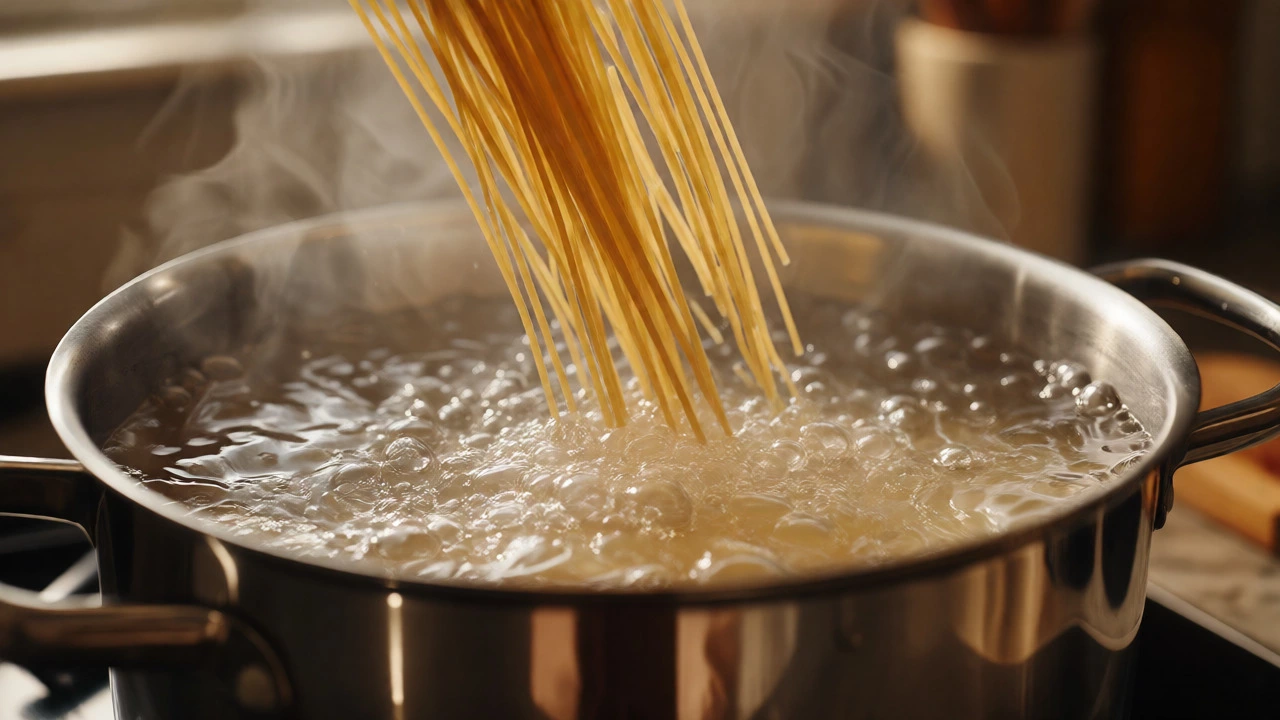
Crowding is the enemy of texture. If you try to cook a pound of penne in a small stockpot meant for soup, the water temperature drops drastically. The pasta ends up simmering in its own released starches rather than boiling freely. The result? Gummy, clumped-together noodles that feel heavy and wet.
Use a large pot. You need plenty of room for the pasta to move around. Think of it like a swimming pool-if everyone tries to swim in a kiddie pool, nobody gets anywhere fast. A big volume of water also helps maintain a consistent boil, which is crucial for achieving that perfect al dente texture. If you don’t have a massive pot, cook in batches. It takes ten extra minutes, but your pasta will thank you.
Never Rinse Your Pasta (Unless It’s Cold)
This might be the hardest habit to break. You drain the pasta, see it steaming, and instinctively run it under cold water to "stop the cooking." Wrong. Rinsing washes away the surface starch that helps sauces bind to the noodles. That starchy coating is your best friend. It creates an emulsion with fats and liquids, turning a watery sauce into a creamy, cohesive dish.
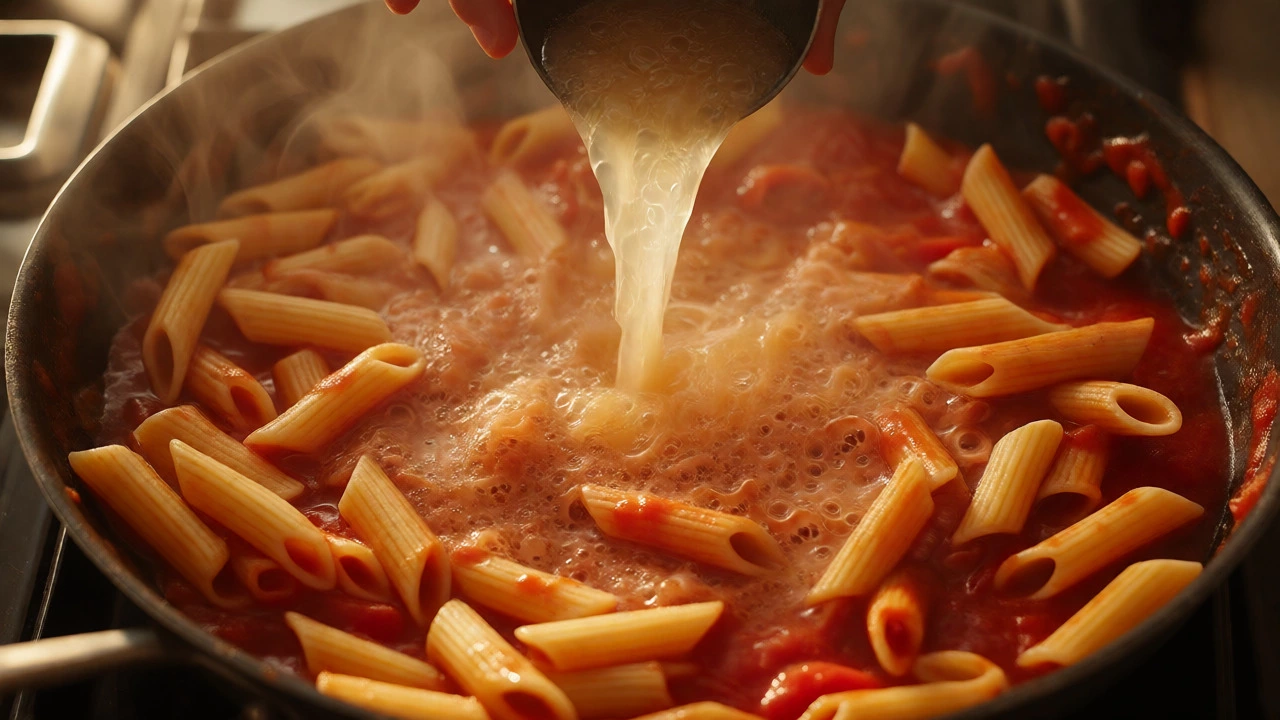
The only exception is cold pasta salad. If you’re serving the pasta chilled, rinsing stops the cooking process and cools it down quickly. For hot dishes, never rinse. Instead, reserve some of that starchy cooking water before you drain. Keep a cup or two aside. This liquid gold is thickened with starch and can save a broken sauce in seconds.
The Sauce Connection: Finish in the Pan
Don’t just dump sauce over drained pasta and call it a day. That’s lazy, and it shows. The magic happens when you finish cooking the pasta in the saucepan with your sauce. Transfer the drained, slightly undercooked pasta directly into the skillet with your simmering sauce. Add a splash of that reserved pasta water. Toss everything together over low heat for a minute or two.
This technique, known as mantecatura in Italy, allows the pasta to absorb the flavors of the sauce while the starches thicken the liquid. You get a glossy, rich coating that hugs every curve of the noodle. If you separate the two elements completely, you’re missing out on the integration that defines great Italian food.
| Mistake | Why It Fails | Best Practice |
|---|---|---|
| Adding oil to water | Repels sauce, makes noodles slippery | Stir frequently; no oil needed |
| Under-salting water | Pasta tastes bland internally | Salt water like the sea (1-2 tbsp/gal) |
| Rinsing hot pasta | Removes starch needed for sauce adhesion | Drain only; keep starch intact |
| Overcooking | Texture becomes mushy and falls apart | Cook 1-2 mins less than package says |
| Dumping sauce on top | Lack of flavor integration | Toss pasta in pan with sauce and pasta water |
Shape Matters: Match the Sauce
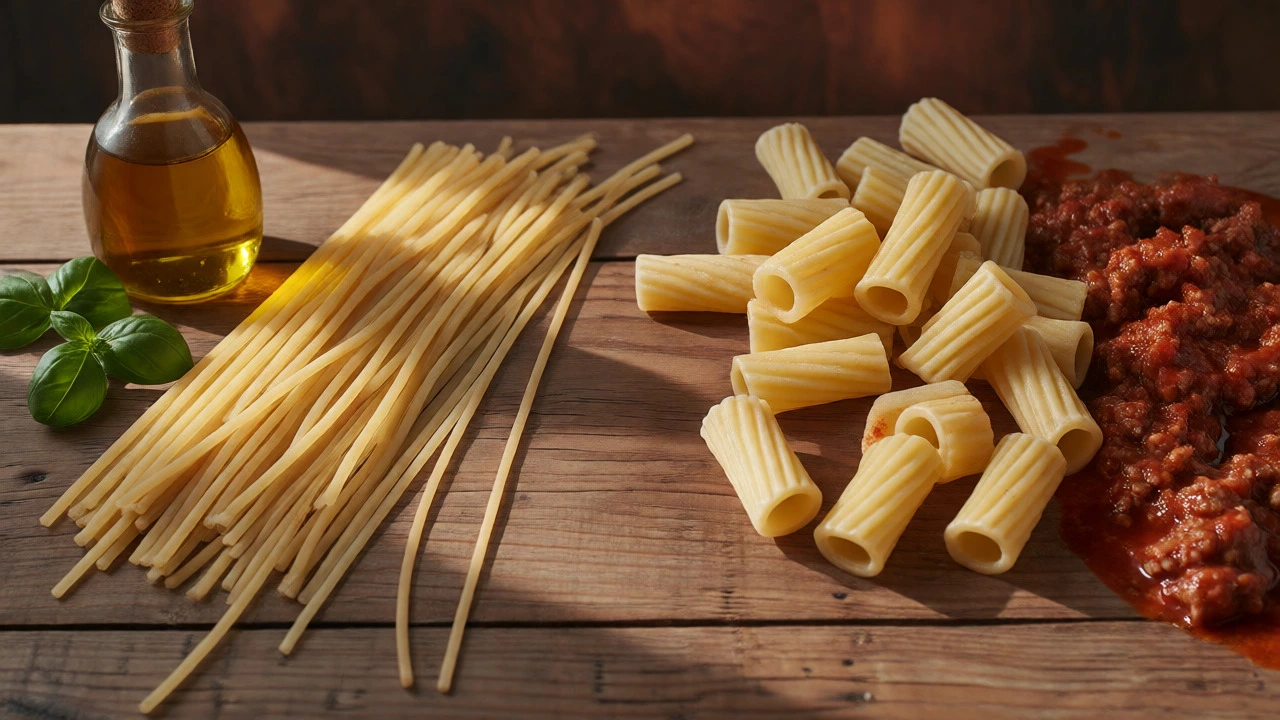
Not all pasta shapes are created equal, and swapping them randomly can ruin a dish. Long, smooth strands like spaghetti work best with thin, oil-based or tomato sauces that can coat the length. Short, ridged shapes like rigatoni or fusilli are designed to trap chunky meat sauces or cheese-heavy mixtures. If you use spaghetti for a thick Bolognese, the sauce slides off. If you use penne for a delicate pesto, the herbs get lost in the tubes.
Think about surface area and geometry. Ridged pasta grabs sauce better than smooth pasta. Tubular pasta holds sauce inside. Flat noodles like fettuccine are wide enough to support heavy cream sauces. Understanding this relationship between shape and sauce type elevates your cooking from basic assembly to thoughtful composition.
Fresh vs. Dried: Know Your Limits
Fresh pasta cooks incredibly fast-sometimes in just two minutes. Dried pasta takes longer, often 8 to 12 minutes. Treating them the same way leads to disaster. If you boil fresh pasta as long as dried, it turns to mush. If you rush dried pasta, it stays hard in the center.
Fresh pasta is more delicate and has a higher egg content, giving it a richer flavor and softer bite. Dried pasta, made from durum wheat semolina, has a firmer structure and nuttier taste. Choose based on your recipe. Fresh works beautifully with butter and sage or light cream sauces. Dried stands up better to robust ragùs and baked dishes. Don’t force a square peg into a round hole.
FAQs About Perfect Pasta
Should I break spaghetti in half?
No. Breaking spaghetti ruins the eating experience and makes it harder to twirl. If your pot is too small, use a larger pot or cook in batches. The integrity of the long strand is part of the dish's design.
How much pasta should I serve per person?
A standard serving is about 2 ounces (56 grams) of dry pasta per person. This yields roughly 1 cup of cooked pasta. Adjust upward if you have very hungry guests or if the pasta is the main course without heavy sides.
Why does my sauce look watery?
You likely didn't reduce the sauce enough or failed to use pasta water. Simmer the sauce longer to evaporate excess liquid, or toss the pasta with a splash of starchy cooking water to help emulsify and thicken the mixture.
Can I cook pasta ahead of time?
Yes, but carefully. Cook it slightly underdone, drain, toss with a tiny bit of oil to prevent sticking, and refrigerate. To serve, briefly dip it in boiling water to reheat and finish cooking in the sauce. Avoid holding cooked pasta at room temperature for hours, as it becomes gummy.
Is it okay to use tap water?
In most places, yes. Tap water is fine unless it has a strong chemical taste or odor. If your local water is heavily chlorinated or mineral-rich, filtered water might improve the final flavor, but it's rarely necessary for everyday cooking.
Final Thoughts: Simplicity Requires Attention
Making great pasta isn’t about complex techniques or expensive ingredients. It’s about respecting the product. Stop cutting corners with oil and rinsing. Start paying attention to salt levels, pot size, and timing. These small adjustments transform a mundane meal into something satisfying. Next time you boil a pot, remember: the water is your canvas, and the pasta is your art. Treat it with care, and the results will speak for themselves.