
Light Dinner Plate Calculator
Adjust the sliders to match your planned dinner ingredients and see how they stack up against the "Light Dinner" standard.
Your Plate Analysis
- Vegetable Calories: 200 kcal
- Protein Calories: 120 kcal
- Carb/Fat Calories: 80 kcal n
You stare at the fridge. It’s 7:30 PM. You’re hungry, but you know that heavy lasagna or greasy takeout will sit like a brick in your stomach while you try to sleep. You want something satisfying-something real-but you don’t want to feel weighed down. This is the universal struggle of the modern eater. We work late, we stress out, and then we turn to food for comfort, only to regret it when we hit the pillow.
Eating light doesn't mean eating less. It means eating smarter. It’s about choosing foods that digest easily, stabilize your blood sugar, and actually help your body repair itself overnight. If you’ve been scrolling through recipe sites looking for "light" options, you’ve probably seen salads with no protein (which leaves you starving) or boiled chicken breast (which tastes like cardboard). Let’s fix that. Here is how to build a dinner that feels indulgent but keeps you light on your feet and ready for bed.
The Science of a Light Meal
Before we get to the recipes, let’s talk about why some foods feel "heavy." It usually comes down to three things: high fat content, excessive fiber from raw vegetables right before bed, and large portions of simple carbohydrates. Fat slows down gastric emptying. That’s fancy talk for saying your stomach takes longer to break it down. While a little fat is good, a massive steak frites right before bedtime forces your digestive system to work overtime instead of resting.
For a light dinner, aim for the 50-30-20 Rule: roughly 50% non-starchy vegetables, 30% lean protein, and 20% complex carbohydrates or healthy fats. This ratio ensures you get volume (to feel full) without the caloric density that leads to indigestion. Think of your plate as a canvas where the vegetables are the background color, the protein is the focal point, and the carbs/fats are the accent details.
| Component | Heavy Dinner (Avoid Late) | Light Dinner (Choose Instead) |
|---|---|---|
| Protein | Fried chicken, fatty steaks, processed meats | Baked white fish, tofu, skinless poultry, legumes |
| Carbs | White bread, pasta with cream sauce, fried rice | Quinoa, sweet potato, brown rice, whole grain crackers |
| Vegetables | Raw cruciferous veggies (broccoli/cauliflower) which cause gas | Cooked leafy greens, zucchini, carrots, spinach |
| Preparation | Deep frying, heavy cream sauces, butter basting | Steaming, baking, grilling, sautéing with olive oil |
Top 5 Light Dinner Recipes That Actually Taste Good
Here are five concrete ideas that fit the bill. They are quick, require minimal cleanup, and use ingredients you can find at any local supermarket in Melbourne or elsewhere.
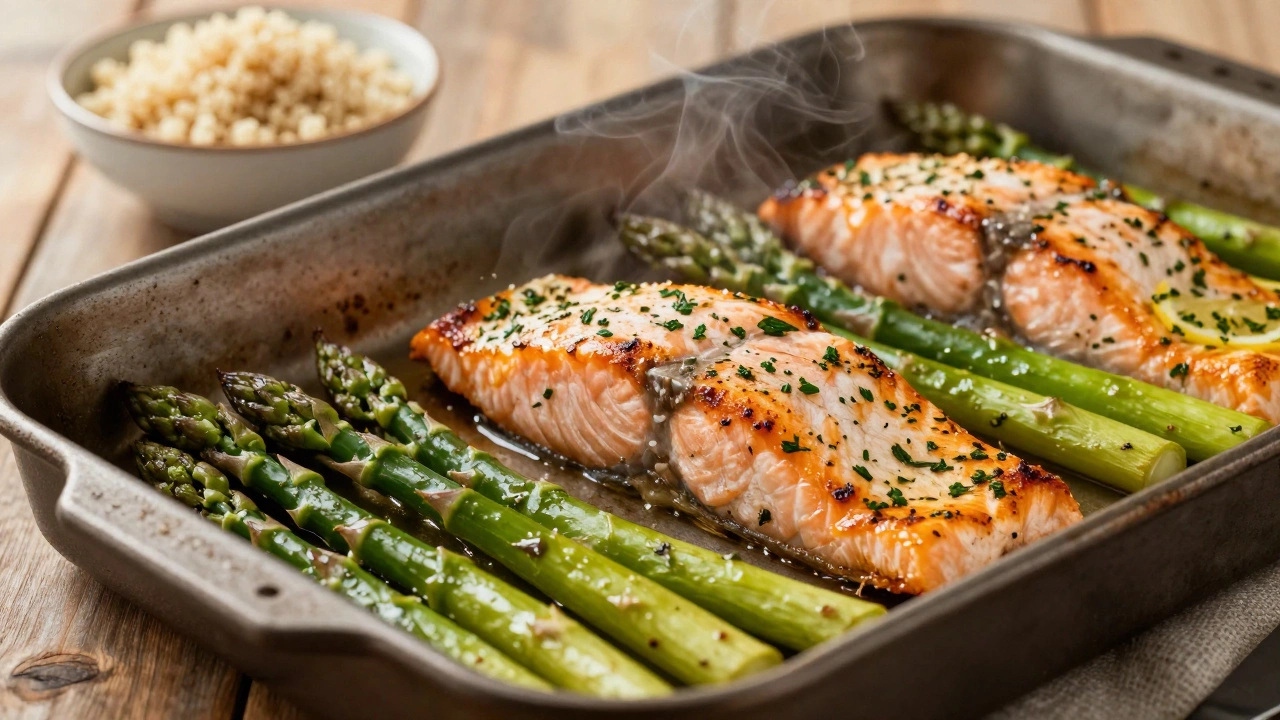
1. Sheet Pan Lemon Herb Salmon with Asparagus
This is the gold standard for light dinners. Salmon is rich in omega-3 fatty acids, which reduce inflammation, but it cooks quickly and digests easier than red meat. The trick here is not to overcook it. Place fillets on a baking sheet alongside trimmed asparagus spears. Drizzle everything with olive oil, lemon juice, minced garlic, and dried dill. Bake at 200°C (400°F) for 12-15 minutes. The salmon stays moist, the asparagus gets tender-crisp, and you have one pan to wash. Serve with a small side of quinoa if you need extra bulk.
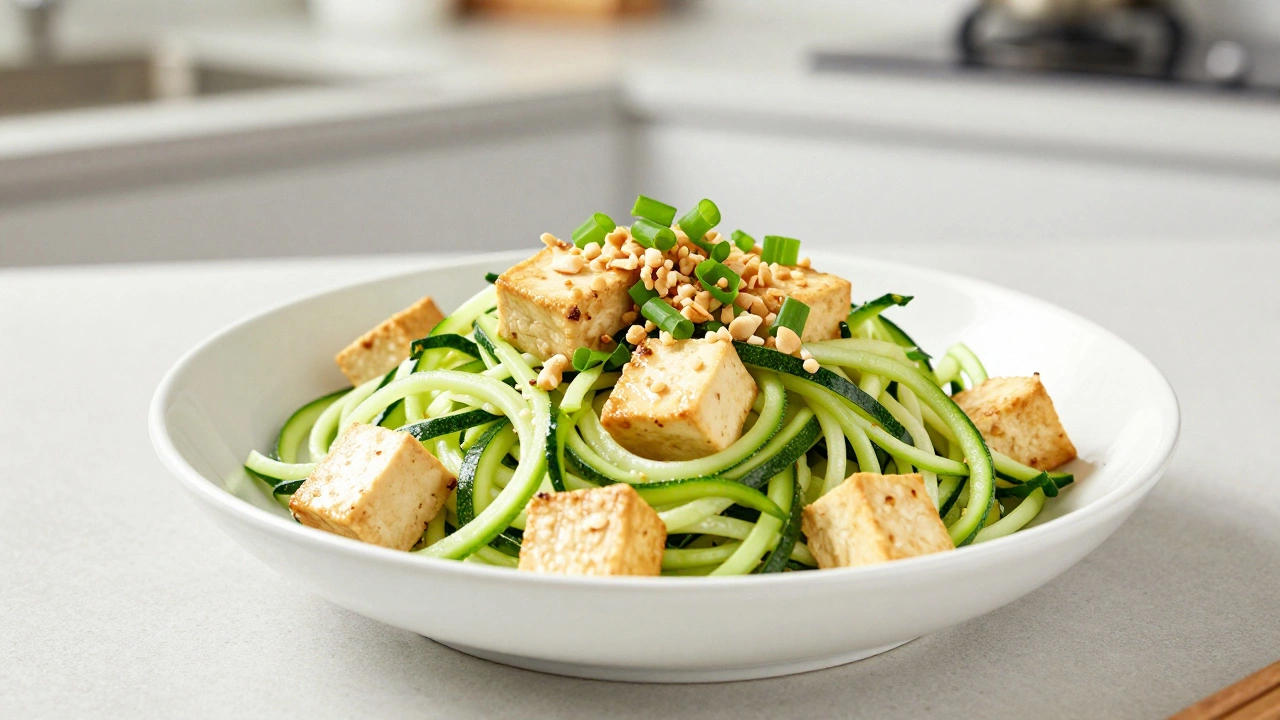
2. Zucchini Noodle Stir-Fry with Tofu
If you’re watching your carb intake, this is your go-to. Spiralize two medium zucchinis into "noodles." In a wok, stir-fry cubed firm tofu with ginger, garlic, soy sauce, and a splash of sesame oil until golden. Add the zucchini noodles last-cook them for just 2 minutes so they retain their crunch. Top with chopped green onions and crushed peanuts. The texture mimics a heavy pad thai, but the calorie count is a fraction. It’s fresh, savory, and won’t leave you feeling sluggish.
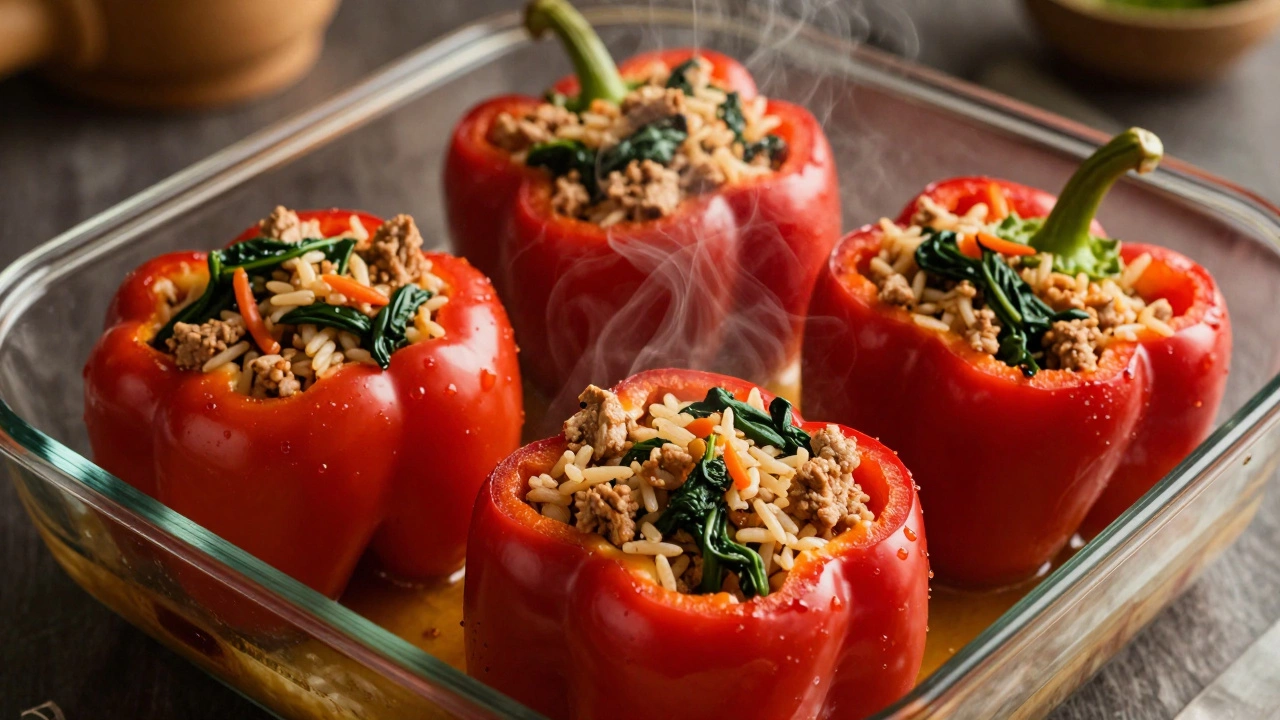
3. Turkey and Spinach Stuffed Bell Peppers
Lean ground turkey is often overlooked because people think it’s dry. It’s not, if you cook it right. Mix cooked ground turkey with half a cup of cooked brown rice, a can of diced tomatoes, and a handful of fresh spinach. Stuff this mixture into hollowed-out bell peppers. Bake at 180°C (350°F) for 30 minutes until the peppers are soft. The pepper acts as a natural vessel, keeping the flavors contained and juicy. It’s hearty enough to satisfy a big appetite but light enough to sleep well.
4. Chickpea and Kale Salad with Lemon Vinaigrette
Sometimes you don’t want hot food. A warm salad bridges the gap between lunch and dinner. Sauté kale in a little olive oil with garlic until it wilts (this removes the bitterness and makes it easier to digest). Mix in a can of rinsed chickpeas, cherry tomatoes, and cucumber cubes. Dress with lemon juice, Dijon mustard, and honey. Chickpeas provide slow-release energy and fiber, while the kale offers magnesium, which helps relax muscles before bed.
5. White Fish Tacos with Cabbage Slaw
Use a mild white fish like cod or tilapia. Season with cumin, chili powder, and salt. Pan-sear in a non-stick skillet with a teaspoon of oil until flaky. Serve in small corn tortillas with a slaw made from shredded purple cabbage, lime juice, and cilantro. Skip the creamy chipotle sauce; opt for a salsa verde or just fresh pico de gallo. The acidity of the lime aids digestion, and the cabbage provides crunch without the heaviness of lettuce or heavy dressings.
Smart Swaps: How to Lighten Up Your Usual Meals
You don’t always need a new recipe. Sometimes you just need to tweak what you already eat. Here are simple swaps that drastically reduce the "weight" of your dinner:
- Swap Cream for Yogurt: If a recipe calls for heavy cream in a sauce, use Greek yogurt mixed with a little milk. It adds tang and thickness without the saturated fat load.
- Swap White Rice for Cauliflower Rice: Pulse cauliflower florets in a food processor. Sauté it like rice. You get the same volume on your plate for a fraction of the calories and carbs.
- Swap Bread for Lettuce Wraps: Using large iceberg or romaine leaves as wraps for burgers or sandwiches cuts out refined flour entirely.
- Swap Fried Chicken for Baked Chicken Thighs: Remove the skin, coat in spices, and bake. You keep the flavor profile but lose the grease.
Timing Matters: When to Eat Light
It’s not just what you eat, but when. Digestion requires energy. If you eat a large meal within two hours of bedtime, your body is diverting blood flow to your stomach instead of your brain and muscles, which disrupts deep sleep cycles. Aim to finish your light dinner at least 2-3 hours before you plan to sleep. If you’re working late and can’t do that, make the portion smaller. A small bowl of soup or a piece of fruit is better than nothing, but definitely avoid spicy foods or high-sugar items late at night, as these can cause acid reflux or blood sugar spikes that wake you up.
Hydration and Digestion
Don’t forget water. Often, we confuse thirst with hunger. Drink a glass of water 30 minutes before your light dinner. It prepares your digestive tract and helps you feel fuller faster. However, avoid chugging large amounts of water during the meal, as this can dilute stomach acids and slow digestion. Herbal teas like peppermint or chamomile after dinner can soothe the gut and signal to your body that it’s time to wind down.
Is it bad to skip dinner to stay light?
Skipping dinner entirely isn't necessarily "bad," but it can backfire. If you skip dinner, you might binge on snacks later or wake up hungry in the middle of the night, disrupting your sleep. It’s better to eat a small, balanced meal with protein and vegetables than to fast for 16+ hours if you are active during the day. Listen to your body-if you’re not hungry, don’t force it. But if you are, feed it lightly.
What are the best proteins for a light dinner?
White fish (cod, tilapia), skinless chicken breast, tofu, eggs, and legumes like lentils or chickpeas are excellent choices. They are lower in saturated fat compared to red meats like beef or lamb, meaning they digest more quickly and don’t require as much metabolic effort from your liver and gallbladder.
Can I eat fruit for dinner?
Fruit alone is rarely filling enough for a main meal unless you pair it with protein or fat. Eating just an apple might leave you hungry an hour later. Try pairing berries with Greek yogurt, or having a small smoothie with spinach, banana, and protein powder. Avoid very high-sugar fruits like mangoes or grapes right before bed if you are sensitive to blood sugar spikes.
Why do I feel bloated after eating light salads?
Raw vegetables, especially cruciferous ones like broccoli, cauliflower, and cabbage, contain complex sugars that are hard to digest. For dinner, it’s better to cook your vegetables. Steaming, roasting, or sautéing breaks down the fiber, making it easier on your stomach and reducing gas and bloating overnight.
How much should I eat for a light dinner?
Portion size varies by person, but a good rule of thumb is to stop eating when you are 80% full, not 100% stuffed. A light dinner should be roughly 300-500 calories for most adults, focusing on nutrient density rather than volume. Use smaller plates to help with portion control visually.