

Sweet Potato Safety Checker
Select the scenario below to analyze potential gluten risks based on processing and cooking methods.
Safety Analysis
Select options and click "Analyze" to see your risk assessment.
You stand in the grocery aisle, staring at a bag of sweet potatoes. You have celiac disease or a severe gluten sensitivity, and your stomach is already on edge from yesterday's accidental exposure. The question isn't just about nutrition; it's about safety. Is this root vegetable actually safe for you to eat, or is there a hidden trap?
The short answer is yes. Sweet potato is naturally gluten-free. Unlike wheat, barley, and rye, which contain the protein gluten, sweet potatoes are tubers that grow underground with no genetic connection to those grains. They are one of the safest staples you can add to a strict gluten-free diet.
However, nature doesn't always guarantee safety once the food leaves the soil. Processing, packaging, and cooking methods can introduce gluten where it shouldn't be. Let’s break down exactly what makes sweet potatoes safe, where the risks hide, and how to cook them without worrying about cross-contact.
Understanding the Science: Why Sweet Potatoes Are Naturally Gluten-Free
To understand why sweet potatoes are safe, we need to look at what gluten actually is. Gluten is a family of proteins found in specific cereal grains. It acts like a glue (the word "gluten" comes from Latin for "glue") that gives bread its chewy texture and helps it rise. The three main offenders are wheat, barley, and rye.
Sweet potatoes belong to the morning glory family (Ipomoea batatas). They are starchy roots, similar to regular white potatoes, yams, and carrots. Biologically, they have nothing in common with grasses or grains. If you were to plant a sweet potato seed next to a wheat seed, they would grow into completely different plants with different nutritional profiles.
| Food Item | Contains Gluten? | Safe for Celiac? |
|---|---|---|
| Sweet Potato (raw) | No | Yes |
| White Potato | No | Yes |
| Breaded Potato Wedges | Yes (usually) | No |
| Pretzel Seasoning Salt | Often Yes | Check Label |
This biological separation is your first line of defense. When you buy a fresh, raw sweet potato from the produce section, it is virtually impossible for it to contain gluten unless it has been contaminated after harvest. This makes fresh sweet potatoes a cornerstone of the celiac diet.
The Hidden Risks: Cross-Contamination in Processing
While the vegetable itself is safe, the journey from farm to fork introduces variables. For someone with celiac disease, even tiny amounts of gluten-less than 20 parts per million-can trigger an immune response and damage the small intestine. Here is where things get tricky.
Fresh Produce Section: Generally, fresh sweet potatoes sitting loose in bins or wrapped individually are safe. They are rarely processed alongside wheat. However, if you buy pre-cut sweet potato fries or wedges from the deli counter, ask questions. Did they use the same cutting board as breaded chicken? Was the oil shared with onion rings coated in flour?
Canned and Frozen Products: This is the danger zone. Manufacturers often process multiple products in the same facility. A factory might make sweet potato fries in the morning and breaded fish sticks in the afternoon. If the machinery isn't thoroughly cleaned, trace amounts of wheat flour can remain.
Always look for the "Certified Gluten-Free" label. In many countries, including Australia and the US, this certification means the product has been tested and contains less than 20ppm of gluten. Without this seal, the words "gluten-free" on a package are sometimes self-declared by the manufacturer, which carries less weight in terms of rigorous testing.
Navigating Pre-Packaged Sweet Potato Products
If you love convenience, you’ll likely encounter sweet potatoes in various packaged forms. Not all of them are created equal. Here is a guide to reading labels effectively.
- Sweet Potato Fries (Frozen): Many brands coat their fries in a thin layer of starch to keep them crispy. Sometimes this is cornstarch (safe), but other times it’s wheat flour. Always check the ingredient list. Look for phrases like "processed in a facility that also processes wheat."
- Sweet Potato Flour: This is a popular alternative to wheat flour in baking. Pure sweet potato flour is gluten-free. However, some blends mix it with rice flour or tapioca starch. Ensure the blend doesn’t include hidden wheat derivatives.
- Chips and Crisps: Baked sweet potato chips are usually safe, but seasoned varieties can be risky. Flavors like "Onion Garlic" or "BBQ" often contain maltodextrin derived from wheat or natural flavors that may include gluten carriers.
- Canned Sweet Potatoes: These are typically packed in water or syrup. They are generally safe, but check for added thickeners. Some cheaper brands might use modified food starch, which can be sourced from wheat unless specified otherwise.
A pro tip: When in doubt, call the manufacturer. Most large food companies have customer service teams that can tell you exactly which lines produce their gluten-free items. It takes two minutes and saves you days of digestive distress.
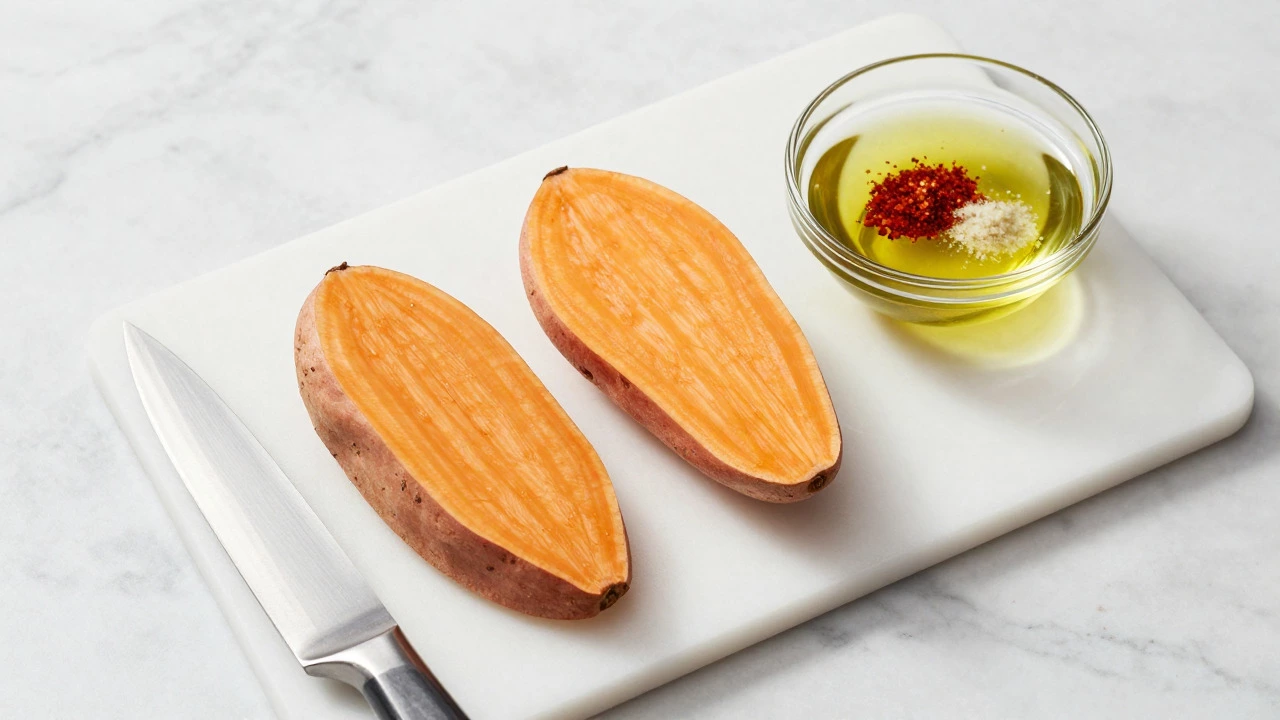
Cooking Safely at Home: Avoiding Kitchen Cross-Contact
You’ve bought the safe, certified sweet potatoes. Now you’re in your kitchen. Even here, gluten can sneak in if you aren’t careful. Cross-contact happens when gluten-free foods touch surfaces, utensils, or oils that have previously held gluten-containing foods.
The Toaster Problem: If you share a toaster with family members who eat wheat bread, crumb particles can fly around. While you won’t toast a sweet potato, the crumbs can fall into drawers where you store your clean tongs or spatulas. Keep dedicated gluten-free utensils in a separate drawer.
Shared Fryers: Deep-frying is a major risk. If you fry sweet potato wedges in the same oil as breaded schnitzels or mozzarella sticks, the oil becomes contaminated. The gluten proteins bind to the food surface. For a truly gluten-free meal, use a dedicated pot of oil or bake instead. Air fryers are excellent for this because they don’t require oil immersion, reducing the risk of airborne gluten transfer if cleaned properly.
Cutting Boards and Knives: Wood absorbs moisture and can harbor gluten residues in its pores. Plastic or glass boards are easier to sanitize. If you cut wheat bread and then slice a sweet potato on the same wooden board without washing it, you’ve introduced gluten. Wash everything with hot soapy water before preparing gluten-free ingredients.
Nutritional Benefits: Why Sweet Potatoes Are a Superfood for GF Diets
Going gluten-free often means giving up whole grains like oats, spelt, and farro. This can lead to a deficiency in fiber and certain vitamins. Sweet potatoes step in to fill that gap beautifully.
They are incredibly nutrient-dense. One medium baked sweet potato provides over 400% of your daily Vitamin A needs in the form of beta-carotene. This antioxidant supports eye health, immune function, and skin health. They are also rich in Vitamin C, potassium, and manganese.
For people with celiac disease, gut inflammation can impair nutrient absorption. Eating easily digestible, anti-inflammatory foods like sweet potatoes can help soothe the digestive tract while providing sustained energy. Their low glycemic index (when eaten with the skin on) means they release sugar slowly into the bloodstream, preventing the energy crashes associated with refined gluten-free flours like white rice flour.
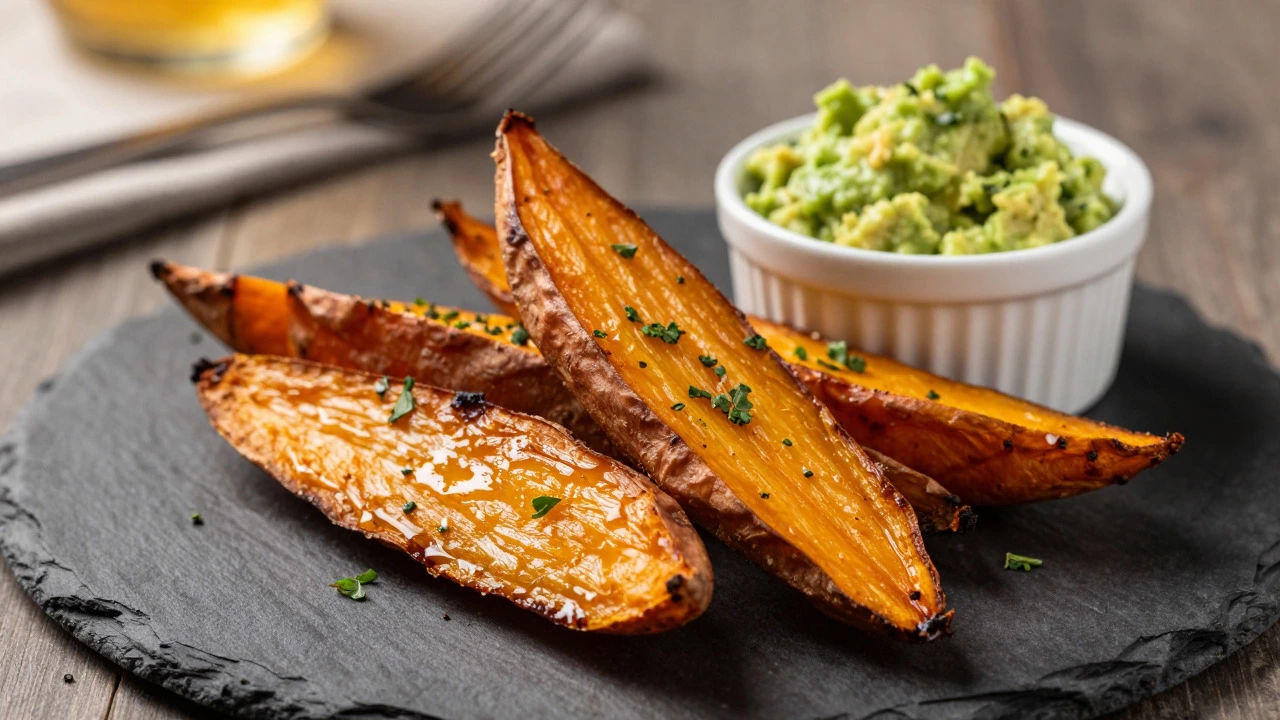
Simple, Safe Sweet Potato Recipes
Now that you know they are safe, let’s talk about how to enjoy them. You don’t need complex techniques to make delicious, gluten-free meals.
- Roasted Sweet Potato Wedges: Cut sweet potatoes into wedges. Toss with olive oil, smoked paprika, garlic powder, and salt. Roast at 200°C (400°F) for 25-30 minutes until crispy. Serve with a side of guacamole (check that the lime juice in the guac isn’t preserved with sulfites derived from wheat, though this is rare).
- Sweet Potato Hash: Dice sweet potatoes and onions. Sauté in a pan with coconut oil. Add spinach and feta cheese at the end. Top with a fried egg. This is a hearty breakfast that requires no gluten-containing binders.
- Mashed Sweet Potatoes: Boil peeled sweet potatoes until tender. Mash with butter, milk (or almond milk), cinnamon, and a pinch of nutmeg. This is a perfect side dish for roast chicken, replacing traditional mashed potatoes.
These recipes rely on whole ingredients, minimizing the risk of hidden gluten. By keeping your preparations simple, you maintain control over every element that enters your body.
FAQ: Common Questions About Sweet Potatoes and Gluten
Are all sweet potatoes gluten-free?
Yes, in their natural, raw state, all sweet potatoes are gluten-free. They do not contain the proteins found in wheat, barley, or rye. However, processed products made from sweet potatoes may contain gluten additives or suffer from cross-contamination during manufacturing.
Can I eat sweet potato fries at a restaurant?
It depends on the restaurant. Many places fry sweet potato fries in the same oil as breaded items like fish or chicken nuggets, which contaminates the oil with gluten. Always ask the chef if they use a dedicated fryer for gluten-free items. If they say "maybe" or "usually," it’s safer to skip them.
Is sweet potato flour safe for celiacs?
Pure sweet potato flour is safe for celiacs. However, always check the label for a "Certified Gluten-Free" seal. Some facilities process wheat flour and sweet potato flour together, leading to cross-contamination. If the label doesn’t specify, contact the manufacturer to verify.
Do sweet potatoes cause bloating like wheat does?
Sweet potatoes themselves do not contain gluten, so they won’t trigger the autoimmune response seen in celiac disease. However, they are high in fiber and resistant starch, which can cause gas or bloating in some people, especially if you aren’t used to eating them regularly. Start with smaller portions to allow your digestive system to adjust.
What is the difference between a yam and a sweet potato regarding gluten?
Both true yams and sweet potatoes are naturally gluten-free. In many supermarkets, orange-fleshed sweet potatoes are mislabeled as yams. Regardless of the name, both are tubers and do not contain gluten. The same rules apply: watch out for processing and cross-contamination.
Embracing a gluten-free lifestyle doesn’t mean giving up flavor or satisfaction. Sweet potatoes are a versatile, nutritious, and safe option that can anchor your meals. By staying vigilant about labels and kitchen hygiene, you can enjoy them with confidence and peace of mind.