
Peanut Butter Vegan Checker
Click ingredients to add/remove them from your jar's list.
Ready to Check
Select ingredients or paste a list to analyze your peanut butter.
Quick Summary
- Plain peanut butter is naturally vegan. It consists of just peanuts and oil, which are plant-based ingredients.
- Beware of hidden non-vegan additives. Some brands add honey, whey, or casein for flavor and texture.
- Cross-contamination is rare but possible. Strict vegans may look for certified labels if they avoid all animal contact.
- DIY is the safest bet. Making your own ensures zero ambiguity about ingredients or processing methods.
- Read the label every time. Formulas change, so checking the ingredient list is essential for maintaining a strict vegan diet.
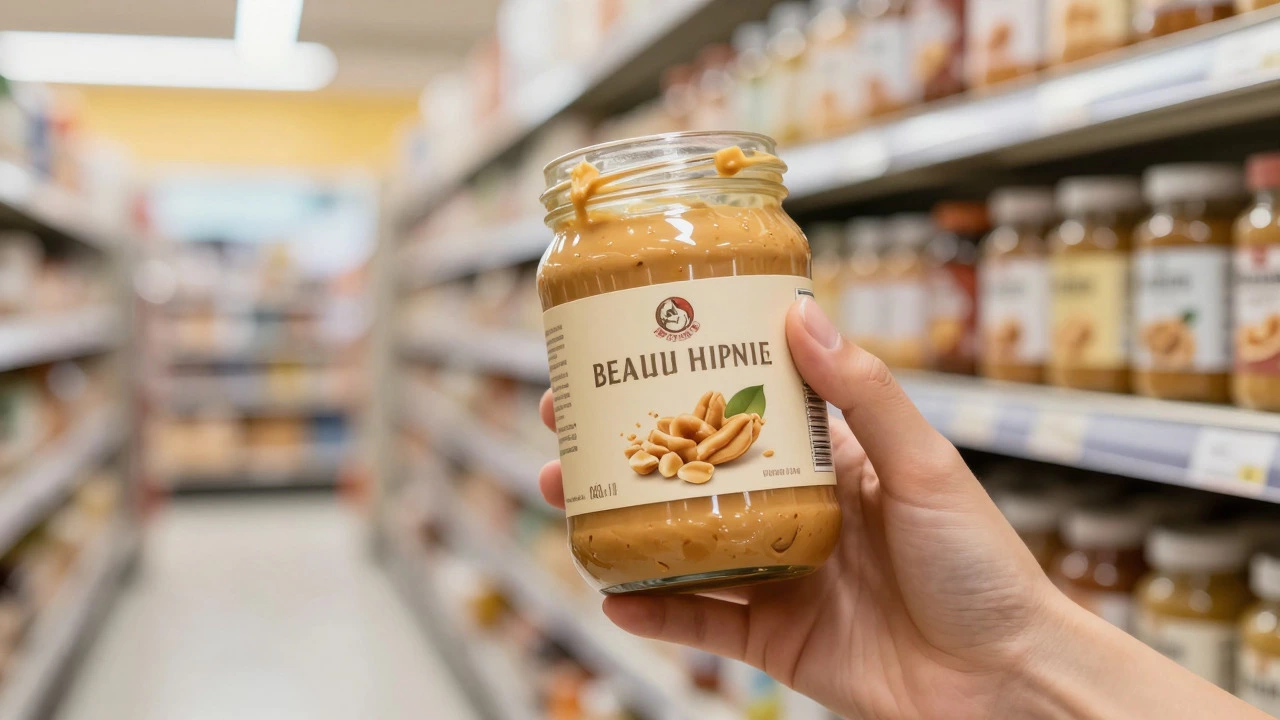
You’re standing in the grocery aisle, holding a jar of creamy peanut butter. You’ve been vegan for months, or maybe you’re just starting out, and this simple question pops into your head: Is peanut butter actually vegan? It seems obvious-peanuts grow on plants, right? But food manufacturing is tricky, and what looks like a straightforward plant-based snack can sometimes hide surprising ingredients.
The short answer is yes, plain peanut butter is vegan. However, the long answer requires you to pick up that jar and read the fine print. Not all jars are created equal. Some manufacturers sneak in honey, milk derivatives, or other animal by-products to improve taste or shelf life. If you want to keep your diet strictly plant-based, you need to know exactly what’s inside that jar.
What Is Peanut Butter Made Of?
To understand whether peanut butter fits into a vegan lifestyle, we first need to look at its basic composition. At its core, peanut butter is simply ground-up peanuts. That’s it. In its purest form, it contains nothing but roasted peanuts. Since peanuts are legumes grown underground, they are inherently plant-based and contain no animal products.
Most commercial peanut butters include a few additional ingredients to stabilize the mixture and prevent the natural oils from separating. These usually include:
- Peanut oil: Extracted from the nuts themselves.
- Salt: For flavor enhancement.
- Sugar: Often cane sugar, though some brands use beet sugar or high-fructose corn syrup.
These standard ingredients are generally safe for vegans. Peanuts, salt, and most sugars are plant-derived. However, the moment a manufacturer decides to "enhance" the product, things get complicated. This is where the line between vegan and non-vegan gets blurry.
Hidden Non-Vegan Ingredients to Watch For
While the base of peanut butter is vegan, several common additives can disqualify it. Manufacturers often add these to create a smoother texture, sweeter taste, or longer shelf life. Here are the biggest red flags to look for on the label.
Honey
This is the most common culprit. Many "natural" or "organic" peanut butters add honey as a sweetener. While honey might seem harmless, most vegans avoid it because it is produced by bees. Exploitation of bees is a point of contention in the vegan community, but the general consensus is that honey is an animal product. If you see "honey-roasted" or "honey-sweetened" on the front, put it back.
Dairy Derivatives
Some premium or flavored peanut butters include milk solids to make them creamier. Look for words like:
- Whey: A by-product of cheese making.
- Casein: A protein found in milk.
- Milk fat: Sometimes listed as butterfat.
- Lactose: Milk sugar.
These ingredients are subtle. A brand might market a product as "creamy chocolate peanut butter," and while cocoa is vegan, the creaminess might come from milk powder rather than extra oil. Always check the allergen statement too; many labels will explicitly say "Contains: Milk" near the bottom.
Vitamin D3
This one catches people off guard. Many fortified peanut butters add Vitamin D for health benefits. Most Vitamin D3 (cholecalciferol) is derived from lanolin, which is sheep’s wool grease. While Vitamin D2 is plant-based, D3 is usually animal-based. If you are strict about avoiding animal-derived supplements, check if the vitamin source is specified. Some brands now offer lichen-derived D3, which is vegan, but it’s not yet the industry standard.
Is Sugar Vegan? The Bone Char Controversy
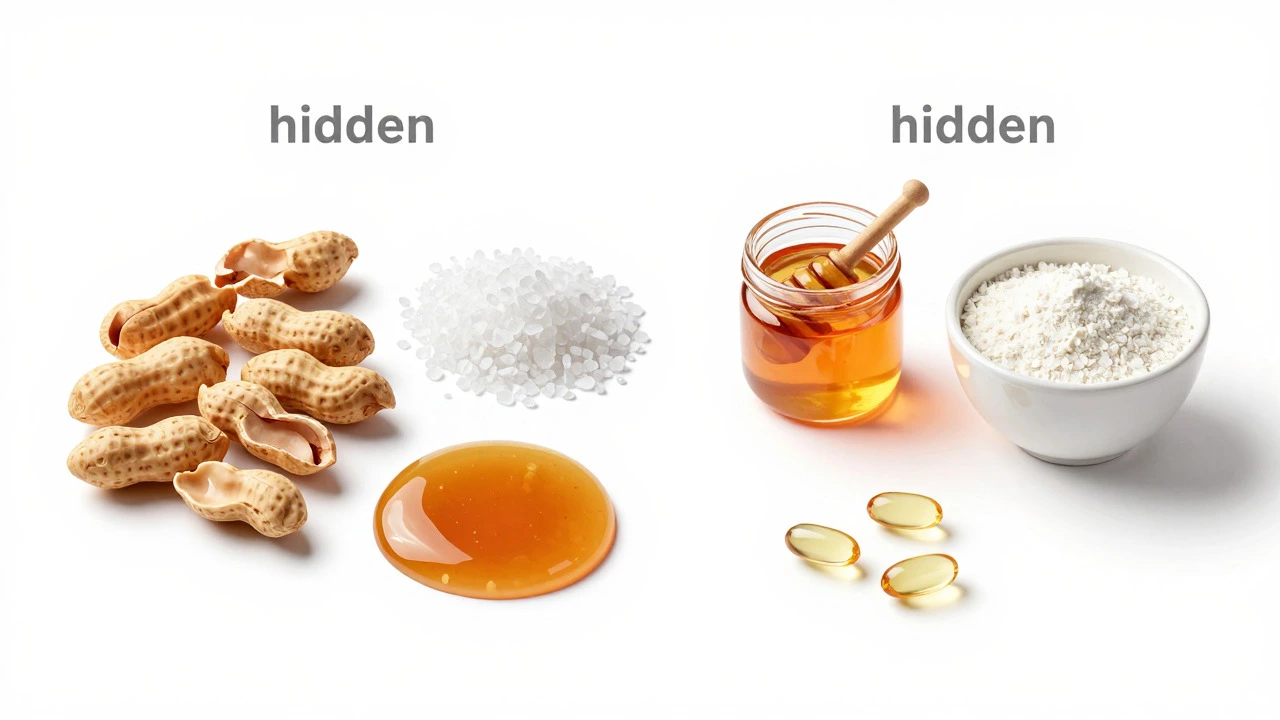
If you’ve dug deep into veganism, you’ve probably heard about bone char. Some white refined sugars are filtered through bone char (made from cattle bones) to achieve their bright white color. This process doesn’t leave bone fragments in the sugar, but it does involve animal products in the production chain.
Does this mean all peanut butter with sugar is non-vegan? Not necessarily. It depends on how strict you are.
- Casual Vegans: Most vegans consider refined sugar acceptable because no animal tissue ends up in the final product.
- Strict Vegans: Those who avoid any animal exploitation in processing may seek out organic sugar (which is rarely processed with bone char), beet sugar, or coconut sugar.
In Australia and Europe, bone char is less commonly used than in the United States due to different refining standards. If you live in Melbourne, you might have fewer worries about this specific issue, but it’s still good to be aware of when buying imported brands.
Cross-Contamination: Should You Worry?
Another layer of complexity is cross-contamination. Many large factories produce both vegan and non-vegan products on the same assembly lines. A jar of plain peanut butter might be made on equipment that also processes almond butter with honey or chocolate hazelnut spread with milk.
For most people, this isn’t a dealbreaker. The risk of trace amounts of dairy or honey affecting your health or ethical stance is minimal. However, if you have severe allergies or follow a strict ethical code, look for labels that say "Made in a dedicated facility" or "Certified Vegan." Organizations like the Vegan Society or local certification bodies audit companies to ensure no animal products touch the production line.
Top Vegan-Friendly Peanut Butter Brands
Navigating the shelves can be overwhelming. To save you time, here are some widely available brands that are consistently vegan-friendly. Note that formulations can change, so always double-check the label.
| Brand | Ingredients | Vegan Status | Notes |
|---|---|---|---|
| Jif Creamy | Peanuts, Salt, Sugar, Hydrogenated Oils | Yes | Standard US brand; no honey or dairy. |
| Skyrris Papi | Peanuts, Sea Salt | Yes | Australian favorite; very clean ingredient list. |
| PB2 Powdered PB | Roasted Peanuts, Maltodextrin, Salt | Yes | Great for smoothies; low fat, high protein. |
| Justin’s Classic | Peanuts, Salt | Yes | Check flavors; some limited editions add honey. |
| Kellogg’s Honey Roasted | Peanuts, Honey, Oil, Sugar | No | Contains honey; avoid for vegans. |
In Australia, local brands like Skyris Papi and Woolworths’ Everyday Essentials range are typically safe bets. They tend to stick to simple ingredients without exotic additives. International brands like Jif and Skippy are also generally vegan in their classic varieties, but always watch out for seasonal specials.
How to Make Your Own Vegan Peanut Butter
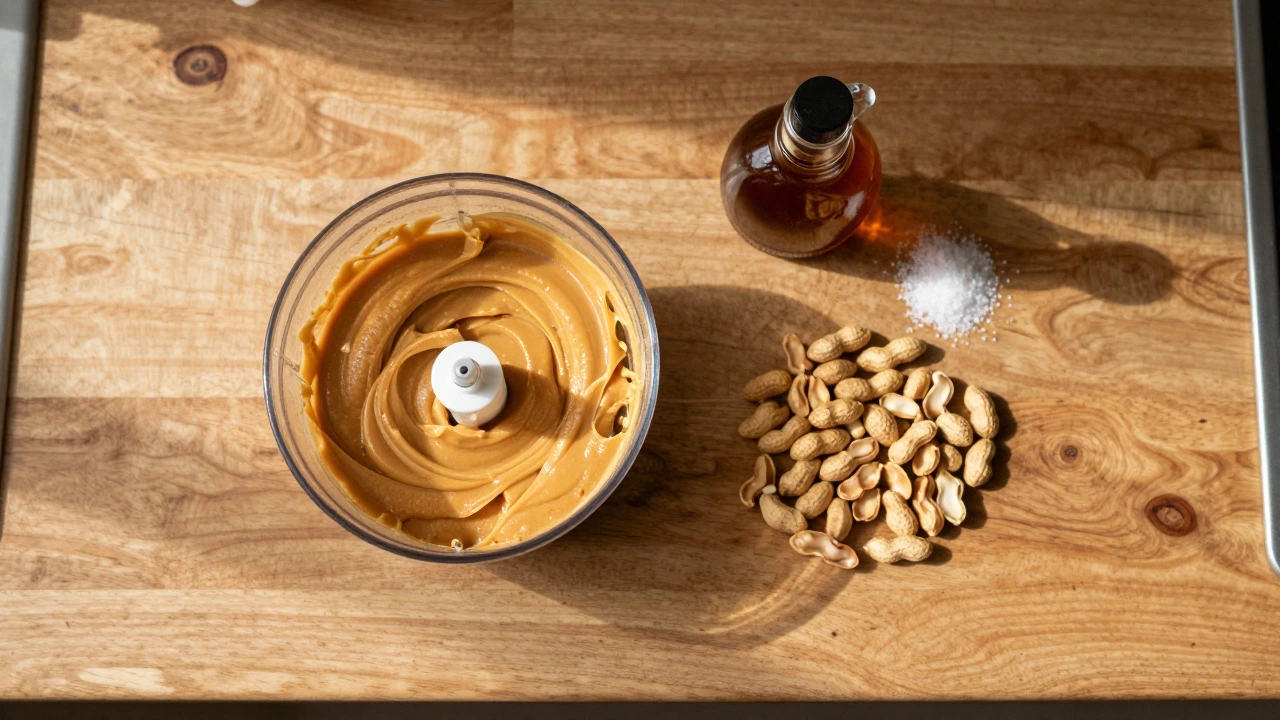
If you’re tired of guessing or want to control exactly what goes into your diet, making peanut butter at home is incredibly easy. It takes five minutes and requires only one ingredient: dry-roasted peanuts.
- Buy raw or dry-roasted peanuts. Avoid peanuts coated in honey or spices. Unsalted is best so you can control the sodium.
- Toast them (optional). If using raw peanuts, roast them in the oven at 160°C (325°F) for 10-15 minutes until fragrant. This enhances the flavor significantly.
- Blend. Put the warm peanuts in a food processor. Blend on high. At first, they’ll turn into crumbs. Keep going. After 3-5 minutes, they’ll release their oils and become smooth and creamy.
- Add flavorings. Stir in a pinch of salt, a dash of maple syrup (instead of honey), or a drop of vanilla extract if you like.
- Store. Keep it in a glass jar in the pantry for up to two weeks or in the fridge for a month.
This method guarantees 100% vegan purity. Plus, it’s cheaper than buying premium brands, and you avoid those stabilizers and hydrogenated oils.
Vegan Peanut Butter Alternatives
If you’re allergic to peanuts or just want variety, there are plenty of other nut and seed butters that are naturally vegan. Just remember the golden rule: check the label for honey or dairy.
- Almond Butter: Rich in vitamin E and magnesium. Often more expensive than peanut butter.
- Cashew Butter: Naturally creamier and milder in flavor. Great for desserts.
- Sunflower Seed Butter (SunButter): Nut-free and perfect for school lunches. Has a distinct green tint and earthy flavor.
- Tahini: Made from sesame seeds. It’s bitter and savory, ideal for hummus and dressings rather than toast.
- Walnut Butter: High in omega-3 fatty acids. Best mixed with sweeteners due to its strong taste.
All of these are plant-based, but again, flavored versions can sneak in non-vegan ingredients. Plain is always safer.
Frequently Asked Questions
Is Skippy peanut butter vegan?
Yes, the classic Skippy Creamy and Crunchy varieties are vegan. They contain peanuts, sugar, salt, and hydrogenated vegetable oils. However, always check the label for limited-edition flavors, as some may include honey or milk derivatives.
Why do some peanut butters separate?
Natural peanut butters contain only peanuts and salt. Without stabilizers like hydrogenated oils, the natural peanut oil rises to the top. This is normal and indicates a lack of artificial additives. Simply stir it well before use. This separation does not affect its vegan status.
Can I eat peanut butter if I’m lactose intolerant?
Most plain peanut butters are lactose-free. However, some creamy varieties add whey or milk solids. If you are lactose intolerant, choose brands labeled "dairy-free" or stick to natural options with only peanuts and salt as ingredients.
Is honey-roasted peanut butter vegan?
No. Honey is an animal product produced by bees. Most vegans avoid honey due to concerns about bee exploitation. Therefore, any peanut butter labeled "honey-roasted" or containing honey as an ingredient is not considered vegan.
Are there any vitamins in peanut butter that aren't vegan?
Some fortified peanut butters contain Vitamin D3, which is often derived from sheep’s wool (lanolin). This makes it non-vegan. Look for brands that use Vitamin D2 or specify "lichen-derived" D3 if you want to stay strictly vegan. Check the supplement facts panel on the jar.
Is homemade peanut butter healthier than store-bought?
Generally, yes. Homemade peanut butter allows you to control the amount of salt and sugar. Store-bought versions often contain added sugars, hydrogenated oils, and preservatives to extend shelf life. Making your own ensures you get pure peanut nutrition without unnecessary additives.
What is the best vegan substitute for honey in peanut butter recipes?
Maple syrup, agave nectar, and date syrup are excellent vegan alternatives to honey. They provide similar sweetness and viscosity. When making homemade peanut butter, start with a teaspoon of maple syrup and adjust to taste.