
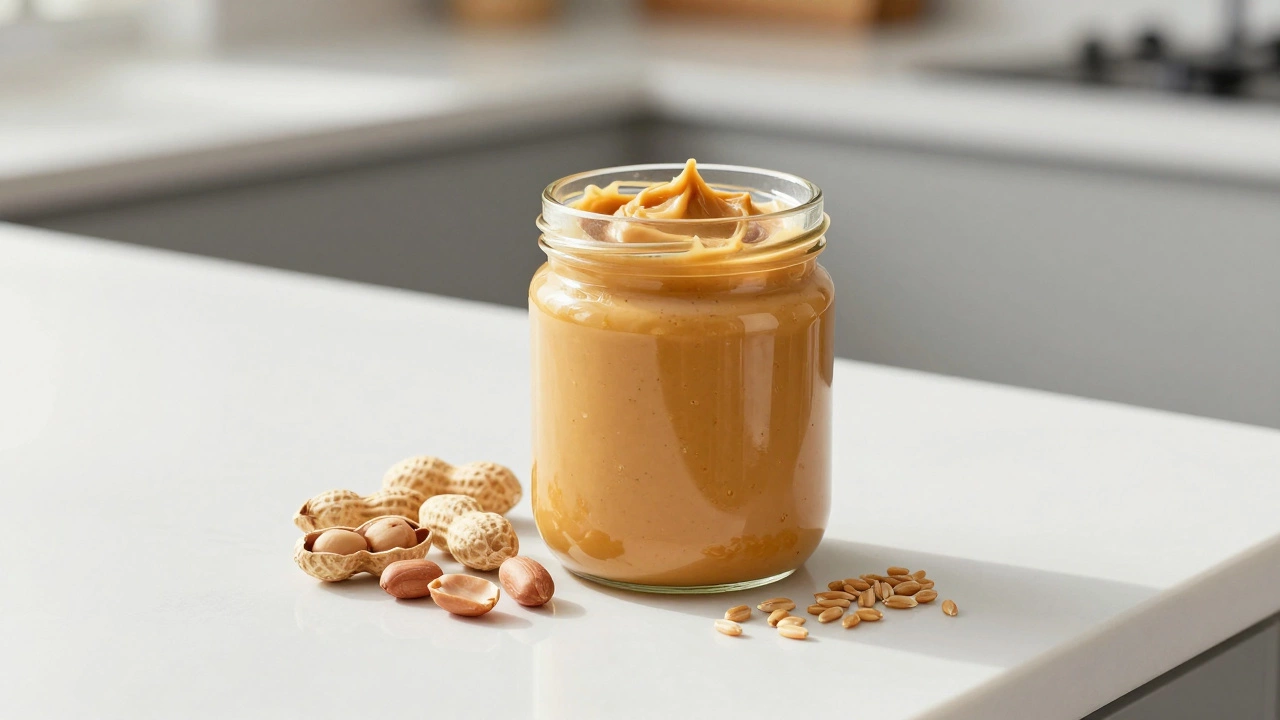
Peanut Butter Gluten Safety Checker
Select options that match your peanut butter product to assess its gluten safety level.
Complete the checklist and click "Assess Safety Level" to see your personalized risk assessment.
Risk Factors Identified:
Recommendations:
That jar of creamy or crunchy spread on your kitchen counter looks innocent enough. Peanuts are legumes, not grains, so logically, they shouldn’t contain gluten. But if you have celiac disease or a non-celiac gluten sensitivity, logic isn't enough-you need certainty. One accidental exposure can trigger days of digestive distress, fatigue, and inflammation. So, the big question remains: is peanut butter actually safe for a strict gluten-free diet?
The short answer is yes, pure peanut butter is naturally gluten-free. However, the longer answer involves factory processing, shared equipment, and sneaky additives that can turn a safe snack into a health risk. Navigating the grocery aisle requires more than just checking the front label; it demands a deeper look at ingredient lists and manufacturing certifications.
The Basics: Why Pure Peanuts Are Naturally Gluten-Free
To understand why most peanut butter is safe, we first need to look at what peanuts actually are. Peanuts are legumes that grow underground, distinct from tree nuts like almonds or walnuts. Unlike wheat, barley, or rye, peanuts do not contain the proteins gliadin or glutenin that form gluten. This means that in their raw, whole state, peanuts are completely free of gluten.
When manufacturers grind these peanuts with nothing else added, the resulting product retains this natural property. If you buy a jar containing only one ingredient-peanuts-it is inherently gluten-free. Many people with celiac disease eat this way without issue because there is no source of gluten to begin with. The risk doesn't come from the nut itself, but from what happens after harvesting.
| Ingredient | Gluten Status | Notes |
|---|---|---|
| Peanuts | Gluten-Free | Naturally GF legume |
| Sugar | Gluten-Free | Standard sucrose is safe |
| Hydrogenated Oils | Gluten-Free | Used to prevent separation |
| Salt | Gluten-Free | Always safe |
| Malted Barley Flour | Contains Gluten | Avoid entirely |
| Modified Food Starch | Potential Risk | Check source (corn vs. wheat) |
Hidden Dangers: Additives That Contain Gluten
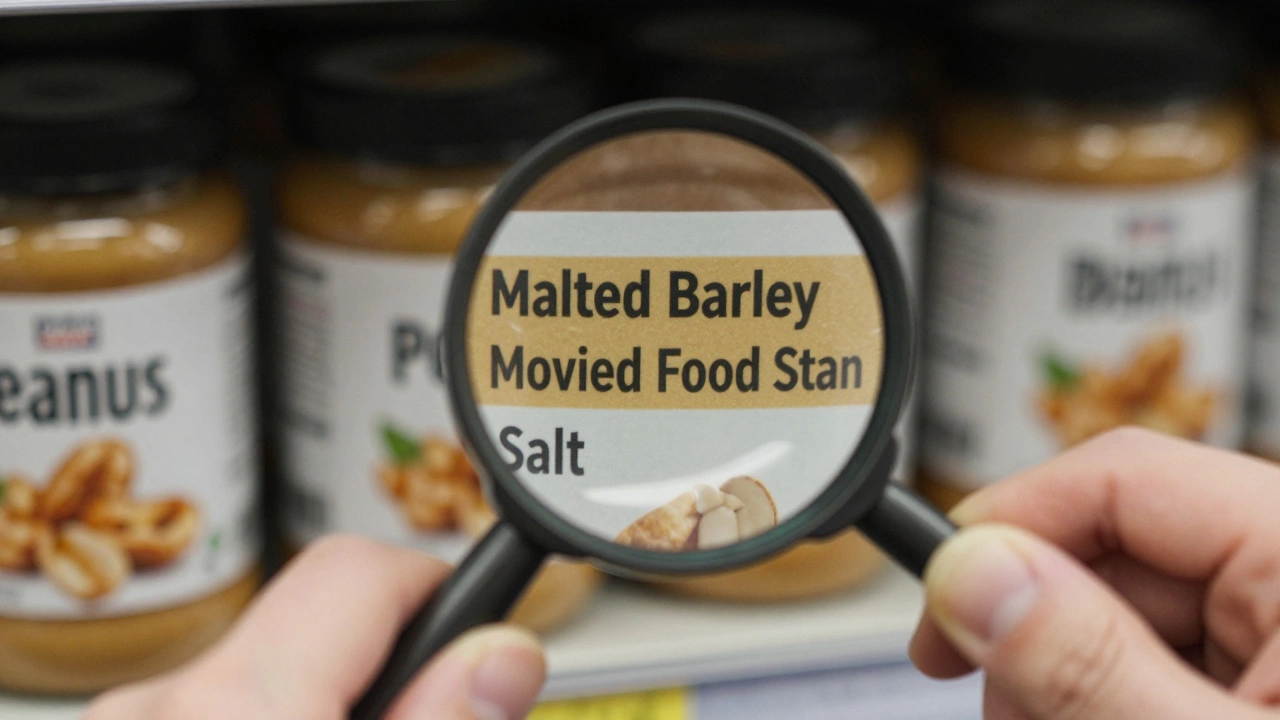
While plain peanut butter is safe, many commercial brands add ingredients to improve texture, shelf life, or flavor. Some of these additives can introduce gluten where none existed before. You need to know exactly which words on an ingredient list should make you put the jar back on the shelf.
The most obvious offender is Malt Flavoring or Malted Barley Extract. Malt comes from barley, a grain high in gluten. Manufacturers sometimes use malted milk powder or malt extract to give peanut butter a sweeter, richer taste. If you see "malt" anywhere on the label, that product is not gluten-free. It does not matter how small the amount is; even trace amounts can cause a reaction in sensitive individuals.
Another tricky additive is modified food starch. In many countries, including Australia and the US, if the starch comes from wheat, it must be labeled as "wheat starch." However, vague terms like "modified food starch" can sometimes hide wheat origins depending on local labeling laws. Corn-based starch is safe, but wheat-based starch contains gluten. Always check the source if it isn't explicitly stated. When in doubt, choose brands that specify "corn starch" or avoid modified starches altogether.
Cross-Contamination: The Real Risk Factor
This is where things get complicated. Even if a brand uses only peanuts and salt, the facility where it’s made might also process wheat-containing products. This is known as cross-contact or cross-contamination. Imagine a factory that makes peanut butter in the morning and wheat-based cookie dough in the afternoon. If the machinery isn't thoroughly cleaned between batches, microscopic particles of wheat flour can remain on the blades and mixers.
For someone with mild gluten intolerance, this might not be an issue. But for those with celiac disease, the threshold is incredibly low-often less than 20 parts per million (ppm) of gluten. A single speck of wheat dust on a conveyor belt can contaminate thousands of jars. This is why "naturally gluten-free" isn't always good enough. You need products that are tested and certified.
In Melbourne, where I shop, I’ve noticed that larger supermarkets often stock international brands that don't adhere to strict Australian standards for allergen labeling. Imported goods may carry different risks. Local Australian brands tend to follow the Food Standards Australia New Zealand (FSANZ) guidelines more closely, which require clear allergen declarations. Still, voluntary certification is the gold standard.
How to Identify Certified Gluten-Free Peanut Butter
Don’t guess. Look for symbols. Several organizations test foods to ensure they contain less than 20 ppm of gluten. Seeing a certification logo on the jar gives you peace of mind that independent labs have verified the safety of the product. These tests go beyond just reading the ingredient list; they analyze the final product for hidden traces.
In Australia, look for the Coeliac Sprue Association (CSA) approved symbol or other recognized gluten-free certification marks. Internationally, the Gluten Intolerance Group (GIG) and the Celiac Support Association provide trusted seals. When you see these logos, you know the manufacturer has taken extra steps to prevent cross-contamination, such as using dedicated production lines or scheduling gluten-free runs during specific times.
Some major brands have entire lines dedicated to gluten-free consumers. For example, certain varieties of Skippy and Jif in the US are labeled gluten-free, though formulations vary by country. In Australia, brands like Nutri-Grain (for cereals) and various artisanal roasters often prioritize clean labels. Always check the current packaging, as recipes and facilities change over time.
- Check the Logo: Look for CSA, GIG, or similar certification marks.
- Read the Fine Print: Look for statements like "Made in a gluten-free facility" or "Tested to be below 20ppm gluten."
- Avoid Shared Equipment Warnings: If the label says "May contain traces of wheat," skip it if you have celiac disease.
Making Your Own: The Safest Bet
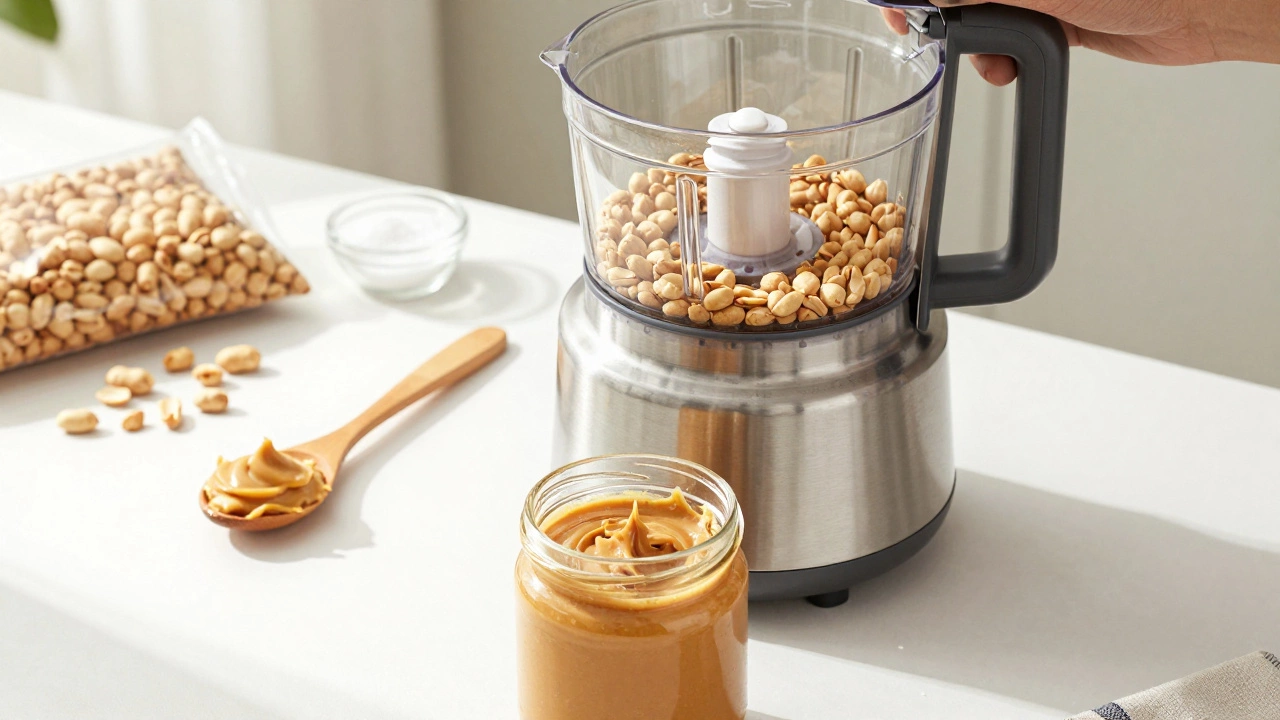
If you’re still worried about factory risks, making your own peanut butter is surprisingly easy and guarantees zero cross-contamination. All you need is a food processor or blender and a bag of roasted, unsalted peanuts. No fancy equipment required.
- Roast the Peanuts: If buying raw peanuts, roast them in the oven at 175°C (350°F) for about 10-15 minutes until fragrant. Let them cool slightly.
- Blend: Place the peanuts in a food processor. Blend on high for several minutes. At first, it will look like coarse crumbs. Keep going.
- Scrape Down: Stop occasionally to scrape down the sides. The mixture will become clumpy, then smooth, and finally liquidy as the natural oils release.
- Add Salt (Optional): Once creamy, stir in a pinch of sea salt if desired. Store in a glass jar in the fridge for up to two weeks.
This method gives you complete control over ingredients. You can add honey, chia seeds, or cocoa powder for variety, ensuring every addition is also gluten-free. It’s cheaper in the long run and tastes fresher than store-bought versions loaded with stabilizers.
Label Reading Checklist for Grocery Shopping
Shopping for gluten-free peanut butter doesn’t have to be stressful if you follow a simple checklist. Stand in the aisle, pick up a jar, and run through these steps. It takes less than thirty seconds.
| Step | Action | What to Look For |
|---|---|---|
| 1 | Scan Ingredients | No wheat, barley, rye, malt, or triticale |
| 2 | Check for Certification | Gluten-free logo or "Certified GF" text |
| 3 | Read Allergen Statement | No "may contain wheat" warnings |
| 4 | Verify Source | Prefer local or dedicated GF facilities |
Remember, regulations vary. In some regions, companies can claim "gluten-free" if the product contains less than 20 ppm, even if it’s made in a shared facility. If you are highly sensitive, stick to brands that explicitly state they use dedicated equipment. Don’t rely solely on marketing claims like "all-natural" or "healthy," as these terms have no legal definition regarding gluten content.
Common Mistakes to Avoid
Even experienced gluten-free eaters make mistakes. One common error is assuming that because something is vegan or organic, it’s automatically gluten-free. While many organic products are safe, organic certification does not guarantee the absence of cross-contamination. An organic wheat farm exists, and its products would be organic but full of gluten.
Another mistake is ignoring flavored peanut butters. Chocolate, honey, or cinnamon swirls often contain additional thickeners or flavorings that may include gluten. Plain is usually safer. Flavored varieties require extra scrutiny. Always read the full ingredient list, not just the front-of-pack marketing.
Finally, don’t forget about restaurant servings. If you’re eating out, ask how the peanut butter is stored. Is it kept in a communal jar where someone might have dipped a gluten-containing cracker? Cross-contamination happens easily in social settings. Bring your own sealed packet if you’re unsure.
Is all natural peanut butter gluten-free?
Most natural peanut butters containing only peanuts and salt are naturally gluten-free. However, you must still check for cross-contamination warnings. If the facility processes wheat, there is a risk of trace gluten. For celiac patients, choose certified gluten-free brands or make your own to be safe.
Can I eat Skippy or Jif if I have celiac disease?
It depends on the specific product and region. Some varieties of Skippy and Jif are labeled gluten-free, but others are not. Always check the label for a gluten-free certification or statement. Do not assume all jars from these brands are safe. Formulations change, so verify each time you buy.
What does 'may contain traces of wheat' mean?
This warning indicates that the product was manufactured in a facility that also handles wheat. While the product itself may not contain wheat ingredients, there is a risk of cross-contamination. People with celiac disease should avoid these products to prevent accidental gluten exposure.
Are almond butter and cashew butter safer than peanut butter?
Not necessarily. Like peanuts, almonds and cashews are naturally gluten-free. However, they face the same cross-contamination risks if processed in shared facilities. The safety depends on the manufacturer's practices, not the type of nut. Always check for gluten-free certification regardless of the nut base.
How long does homemade peanut butter last?
Homemade peanut butter lasts about 2-3 weeks in the refrigerator when stored in an airtight container. Because it lacks preservatives, it may separate faster than commercial brands. Stir well before each use. For longer storage, freeze portions in ice cube trays and thaw as needed.