
Chicken Cooking Method Advisor
🍗 Select Your Chicken
Select a cut and goal to see the best cooking strategy.
Recommended Method:
Method NameExplanation goes here.
There is a debate that happens in kitchens everywhere, and it usually comes down to one simple question: should you roast your chicken in the oven or sear it in a pan? If you have ever stood in front of your stove holding a raw bird, wondering which method will give you that perfect balance of crispy skin and juicy meat, you are not alone. The truth is, neither method is objectively "better." They are just different tools for different jobs. Understanding when to use the oven versus the skillet can transform your weeknight dinners from dry and disappointing to restaurant-quality meals.
The Science of Heat: Why Method Matters
To understand why one method might win over the other, we need to look at how heat interacts with chicken is a versatile poultry protein that requires precise temperature control to remain tender. Chicken muscle fibers tighten as they heat up, squeezing out moisture. Your goal is to cook the protein through without drying it out. A skillet is a shallow frying pan used for direct contact cooking on a stovetop. provides intense, direct heat from the bottom up. This creates the Maillard reaction-that delicious brown crust-very quickly. An oven is an enclosed appliance that cooks food using circulating hot air. surrounds the chicken with gentle, ambient heat. This allows for slower, more even cooking, which is crucial for larger cuts or whole birds.
If you want speed and texture, the pan wins. If you want ease and uniformity, the oven takes the lead. Let’s break down exactly what each method brings to the table so you can decide based on what you are actually trying to eat tonight.
Cooking Chicken in a Pan: Speed and Crispiness
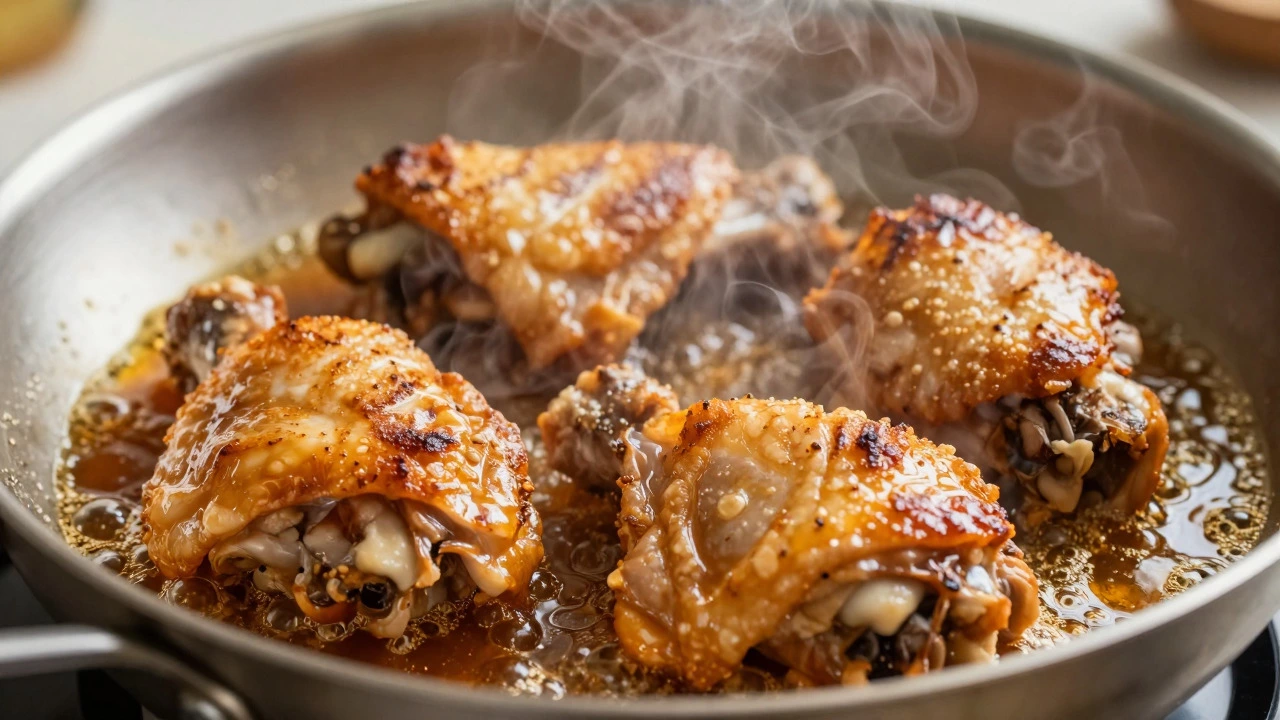
The primary advantage of pan-frying is control. When you place a chicken breast or thigh into a hot pan with oil, you are creating an immediate barrier between the meat and the air. This seals in juices while simultaneously building a golden-brown exterior. This method is ideal for thinner cuts like chicken breasts are lean white meat cuts that cook quickly but easily become dry if overcooked. or boneless, skinless thighs.
Here is why home cooks love the skillet:
- Time Efficiency: A pan-seared chicken breast takes about 6 to 8 minutes per side. Dinner is on the table in under twenty minutes.
- Texture Control: You can physically feel the heat and adjust the flame. If the skin is browning too fast, you lower the heat. If it’s stuck, you wait. It is tactile cooking.
- Sauce Creation: Once the chicken is done, you still have flavorful fond (the browned bits) left in the pan. Deglazing with wine, broth, or lemon juice creates an instant sauce that pairs perfectly with the meat.
However, there is a catch. Pan-cooking requires attention. If you walk away for two minutes to answer the door, your dinner could go from perfect to burnt. It also struggles with thicker cuts. A thick chicken breast might be charred on the outside but still pink in the middle if you rely solely on the pan. For this reason, many chefs recommend finishing thick cuts in the oven after an initial sear-a technique known as pan-to-oven.
Cooking Chicken in the Oven: Hands-Off Convenience
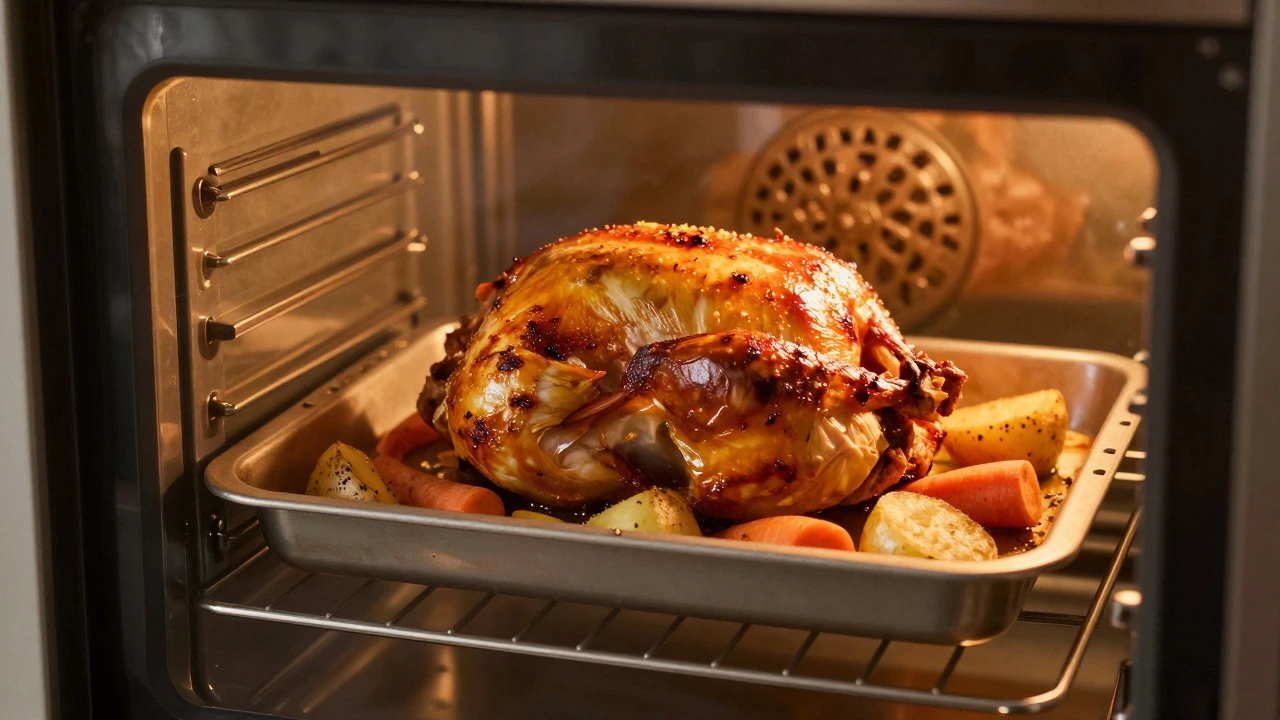
Roasting chicken in the oven is the ultimate set-it-and-forget-it strategy. Whether you are cooking a whole bird, drumsticks, or wings, the oven provides consistent heat that penetrates the meat evenly. This is particularly important for dark meat like chicken thighs are dark meat cuts with higher fat content that benefit from longer, slower cooking times. Thighs have more connective tissue than breasts. Slow roasting breaks down this collagen into gelatin, resulting in meat that falls off the bone and stays moist.
The benefits of oven-roasting include:
- Multitasking Ability: You can throw vegetables on the same tray. Roasted carrots, potatoes, and broccoli absorb the chicken drippings, making a complete meal with minimal cleanup.
- Even Cooking: There are no hot spots like you might find on a gas burner. Every piece of chicken receives the same amount of heat, reducing the risk of uneven doneness.
- Volume Cooking: Need to feed four people? You can fit six chicken breasts or a whole family-style bird in the oven. Trying to do that in a standard 12-inch skillet would require overcrowding, which steams the chicken instead of browning it.
The downside? It takes longer to preheat, and you cannot monitor the progress as closely. Also, achieving a truly crispy skin in a standard convection oven can be tricky unless you use high heat (400°F to 450°F / 200°C to 230°C) or finish under the broiler. Without direct contact with a hot surface, the skin may turn out soft rather than shattering-crisp.
Comparison: Oven vs. Pan for Different Cuts
Not all chicken parts are created equal. The best cooking method depends entirely on the cut you are working with. Here is a quick guide to help you choose the right tool for the job.
| Chicken Cut | Recommended Method | Why? | Cook Time Estimate |
|---|---|---|---|
| Boneless Skinless Breast | Pan-Sear + Oven Finish | Prevents drying out; ensures even internal temp | 15-20 mins total |
| Bone-In Skin-On Thighs | Oven Roast | Renders fat crisps skin; keeps meat juicy | 35-45 mins at 400°F |
| Wings | Oven or Air Fryer | High heat circulates around all sides for crispiness | 40-50 mins at 425°F |
| Whole Chicken | Oven Roast | Only method that fits; cooks legs and breasts evenly | 1.5 - 2 hours at 375°F |
| Diced Chicken | Pan-Stir Fry | Small pieces cook instantly; great for sauces | 5-7 mins |
The Hybrid Approach: Best of Both Worlds
So, is chicken better in the oven or pan? The most experienced cooks know the answer is often both. This hybrid technique leverages the strengths of each method while mitigating their weaknesses. Start by heating a heavy-bottomed skillet, such as cast iron or stainless steel, over medium-high heat. Add oil and sear the chicken skin-side down until deeply golden and crispy. This step builds flavor and texture that an oven alone rarely achieves.
Once the skin is crisp, flip the chicken and transfer the entire pan directly into a preheated oven. This finishes cooking the interior gently without burning the exterior. This method is particularly effective for thick-cut chicken breasts or bone-in thighs. It guarantees a juicy center because the oven’s ambient heat raises the internal temperature gradually, giving you a wider margin for error before the meat dries out.
Tips for Juicy Results Regardless of Method
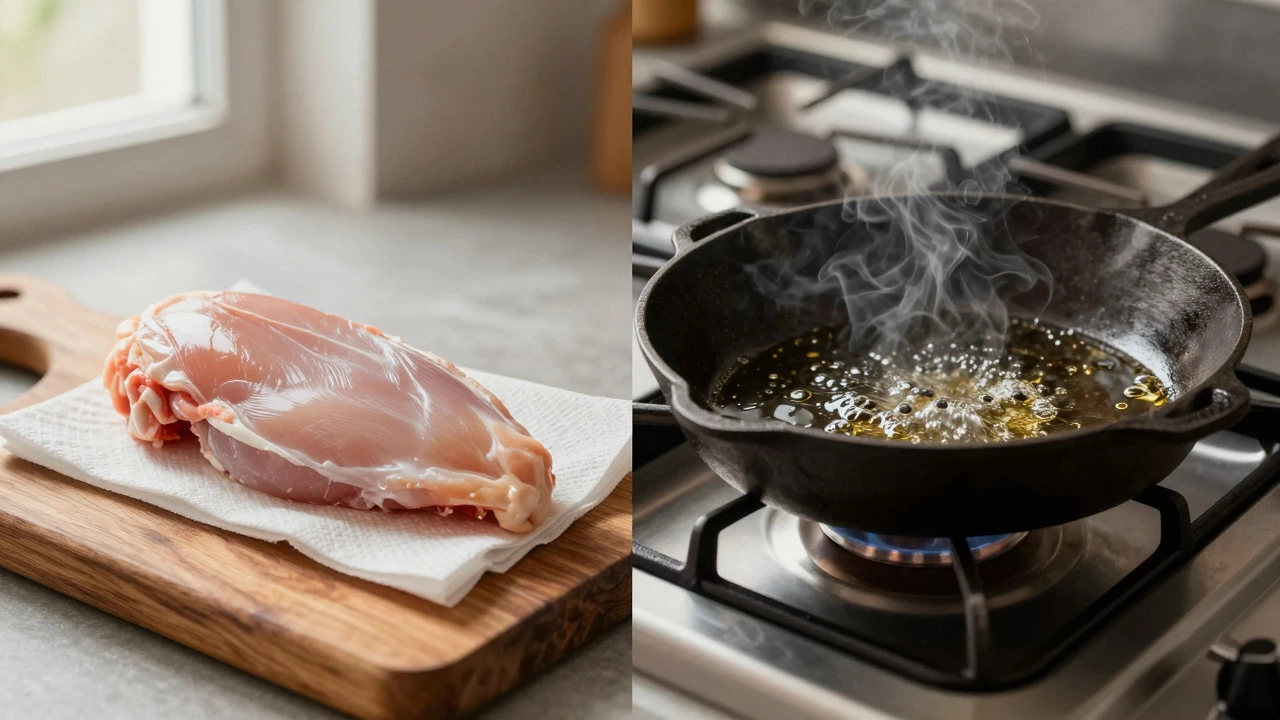
No matter which path you choose, certain principles apply to ensure your chicken turns out well. First, pat the chicken dry. Moisture is the enemy of browning. If you put wet chicken into a hot pan, it will steam. If you put wet chicken in the oven, the skin will stay rubbery. Use paper towels to remove excess surface moisture before seasoning.
Second, use a thermometer. Guessing when chicken is done leads to disaster. The USDA recommends an internal temperature of 165°F (74°C). However, for the juiciest results, pull chicken breasts out at 160°F (71°C) and let them rest. The residual heat will carry them to 165°F while keeping the moisture locked in. Dark meat can be cooked to 175°F (80°C) or higher, as the extra fat prevents it from becoming tough.
Finally, let it rest. After removing chicken from the heat source, let it sit for five to ten minutes. This allows the juices, which have been driven to the center during cooking, to redistribute throughout the meat. Cutting into it immediately releases those juices onto the cutting board, leaving you with dry meat.
Frequently Asked Questions
Which method makes chicken less greasy?
Oven roasting generally produces less greasy chicken because the fat renders out and drips away onto the baking sheet. In a pan, the chicken sits in its own rendered fat and oil, which can make it feel heavier. If you prefer lighter meals, roast chicken on a rack in the oven to allow air circulation underneath.
Can I cook frozen chicken in a pan?
It is possible but not recommended for best results. Frozen chicken releases a lot of water when heated, which lowers the pan temperature and leads to steaming rather than searing. If you must cook from frozen, reduce the heat to medium-low and cover the pan with a lid to trap steam initially, then uncover to brown once thawed. Thawing in the fridge overnight yields much better texture.
Why does my pan-fried chicken stick to the pan?
Sticking usually happens because the pan isn't hot enough or the chicken was moved too early. Ensure your skillet is properly heated before adding oil. Place the chicken in the pan and resist the urge to move it for at least three to four minutes. As the proteins denature and bond with the pan, they will naturally release once a crust forms. If it sticks, it needs more time.
Is oven-baked chicken healthier than fried chicken?
Yes, generally speaking. Oven-baking uses little to no added fat, allowing natural fats to render out. Pan-frying often requires oil, and deep-frying submerges the chicken in fat, significantly increasing calorie and saturated fat content. Even pan-searing adds some calories from the cooking oil, though it is far less than deep-frying.
How do I get crispy skin in the oven?
To achieve crispy skin in the oven, start with very dry skin and season it generously with salt, which draws out moisture. Roast at a high temperature, around 425°F to 450°F (220°C to 230°C). Placing the chicken on a wire rack set over a baking sheet helps air circulate around the entire bird, preventing the bottom from getting soggy from its own juices.