
Rice Safety & Cross-Contamination Checker
Select Rice Type
Select a rice type above to analyze its gluten-free safety profile.
Picture this: you’re at a restaurant, staring at the menu. You spot your favorite dish-maybe it’s teriyaki salmon or a spicy stir-fry-but it comes with white rice. Your stomach drops. Is that rice actually safe for your gluten-free lifestyle, or is it hiding a dangerous secret? If you live with Celiac disease or non-celiac gluten sensitivity, every bite feels like a gamble unless you know exactly what you’re eating.
The short answer? Yes, pure rice is naturally gluten-free. But the long answer involves processing facilities, shared machinery, and sneaky additives that can turn a safe grain into a health hazard. Understanding the difference between raw potential and commercial reality is the only way to eat with confidence.
The Science of Rice and Gluten
To understand why rice is generally safe, we have to look at where gluten comes from. Gluten is a group of proteins found specifically in three grains: wheat, Triticum aestivum, barley, Hordeum vulgare, and rye, Secale cereale. These proteins give dough its elasticity and help bread rise. Without them, your loaf would be dense and crumbly.
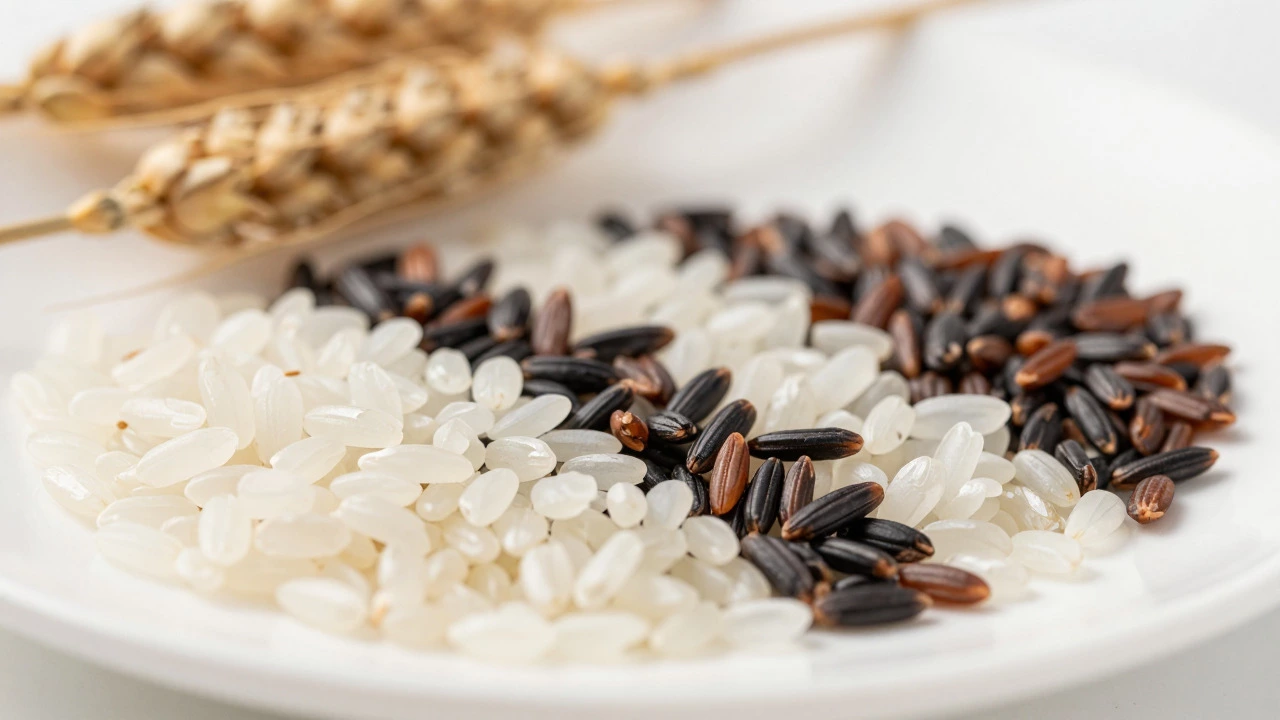
Rice, on the other hand, belongs to a completely different botanical family. It is a grass, but not one that produces gluten proteins. Whether you are looking at white rice, polished Oryza sativa grains, brown rice, whole grain Oryza sativa with bran intact, or black rice, forbidden rice variety, the genetic makeup simply does not include gluten. This makes rice one of the most reliable staple foods for anyone avoiding wheat.
However, "naturally gluten-free" does not automatically mean "safe for Celiacs." The danger lies not in the plant itself, but in how it travels from the farm to your bowl. In many parts of the world, including large portions of Asia and increasingly in Western markets, rice is processed in facilities that also handle wheat. If a single speck of wheat dust lands on your rice during milling or packaging, that bag is no longer safe for someone with an autoimmune reaction to gluten.
Types of Rice and Their Safety Profiles
Not all rice products are created equal when it comes to gluten safety. The form in which you buy rice significantly impacts its risk level. Here is a breakdown of common rice varieties and what you need to watch out for.
| Rice Type | Natural Status | Risk Factor | Recommendation |
|---|---|---|---|
| White Rice | Gluten-Free | Low (if packaged separately) | Safe; check for certified GF label |
| Brown Rice | Gluten-Free | Low | Safe; often less processed than flavored mixes |
| Wild Rice | Gluten-Free | Medium (often mixed with wheat) | Verify purity; avoid blends |
| Instant Rice Mixes | Variable | High (contains soy sauce/malt) | Avoid unless explicitly labeled GF |
| Rice Flour | Gluten-Free | High (cross-contamination) | Buy only certified GF brands |
Let’s talk about wild rice first. Despite the name, wild rice is not actually rice; it is an aquatic grass native to North America. Because it is often harvested and processed alongside traditional grains, it has a higher rate of cross-contamination. Always look for a "Certified Gluten-Free" seal on wild rice packages. Without it, you are rolling the dice.
Instant rice mixes are another trap. A packet of "Teriyaki Rice" might sound safe because the base is rice, but the seasoning packet often contains soy sauce (which uses wheat) and malt flavoring (derived from barley). Unless the package explicitly states "Gluten-Free," assume it contains hidden gluten. The same goes for fried rice kits found in the frozen aisle.
The Hidden Danger: Cross-Contamination
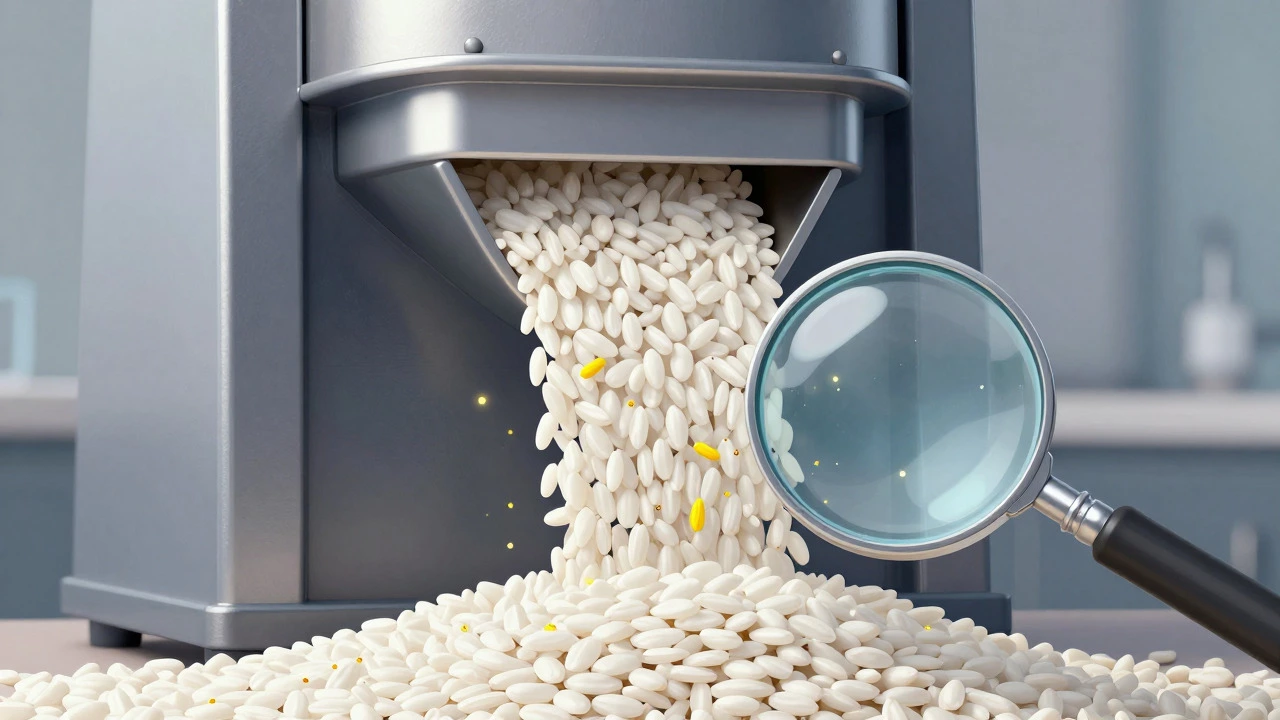
Cross-contamination is the silent enemy of the gluten-free diet. It happens when gluten-free foods come into contact with gluten-containing foods during growing, harvesting, processing, or cooking. For rice, this usually happens at the mill.
In many industrial settings, the same machines used to mill wheat are cleaned and then used for rice. While cleaning protocols exist, they are not always perfect. Microscopic particles of wheat flour can remain in the machinery. When you buy generic store-brand rice, there is no guarantee that these particles weren’t present. For a healthy person, this doesn’t matter. For someone with Celiac disease, even 20 parts per million (ppm) of gluten can trigger intestinal damage.
This is why certification matters. Organizations like the Gluten-Free Certification Organization (GFCO) test products to ensure they contain less than 10 ppm of gluten. When you see their logo, you know the product has been rigorously tested. Without that logo, you are relying on the manufacturer’s word, which may not be backed by third-party testing.
How to Shop Safely for Rice
Navigating the grocery store aisles can feel overwhelming, but a few simple strategies can make shopping easier and safer. First, prioritize whole, unprocessed grains. A bag of plain white or brown rice has fewer ingredients to worry about than a seasoned blend. Fewer ingredients mean fewer opportunities for hidden gluten.
Second, read the fine print. Look for statements like "Processed in a facility free from wheat" or "Made on dedicated equipment." These phrases indicate a lower risk of cross-contamination. However, don’t stop there. Always check for the Certified Gluten-Free seal if you have severe sensitivity.
Third, consider buying in bulk. Some health food stores offer bulk bins for rice. While this seems convenient, it can be risky. Scoops used for wheat flour might be reused for rice, or customers might introduce contaminants. If you buy from bulk bins, ask the store manager about their sanitation protocols. Better yet, stick to sealed bags from trusted brands.
Finally, diversify your sources. Don’t rely on just one brand. Rotate between a few certified gluten-free options. This protects you if one brand changes its manufacturing process or supplier without notice. Brands like Lundberg Family Farms, Bob’s Red Mill, and Arrowhead Mills have built reputations for strict gluten-free standards.
Cooking Rice at Home: Best Practices
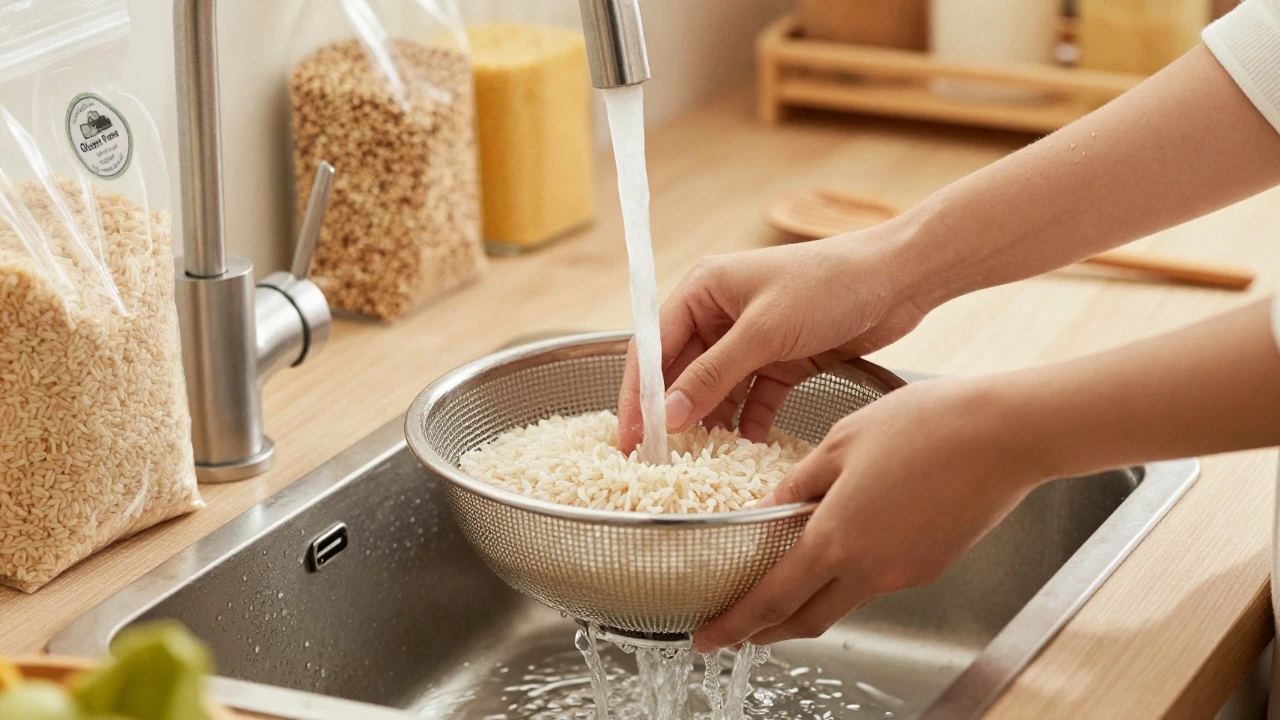
Even if you buy certified gluten-free rice, your kitchen can become a source of contamination. Cooking practices play a huge role in keeping your meals safe. Start by designating specific tools for gluten-free cooking. Use separate colanders, measuring cups, and wooden spoons. Wood is porous and can trap gluten particles, so avoid using the same wooden spoon for pasta water and rice water.
When cooking rice, rinse it thoroughly under cold water before adding it to the pot. This removes excess starch and any surface debris that might have accumulated during packaging. Use a clean pot that hasn’t been used for boiling pasta or simmering wheat-based sauces. If you share a kitchen with gluten-eaters, wipe down countertops and stovetops before starting.
Avoid using the same toaster for gluten-free bread and regular bread. Crumbs can fall into the slots and contaminate future toasts. Similarly, keep your rice cooker dedicated to rice only. If you use a multi-cooker, ensure it is thoroughly washed and sanitized before switching between gluten-containing and gluten-free dishes.
Restaurant Dining and Rice
Eating out adds another layer of complexity. Many restaurants serve rice as a side dish, but they often cook it in the same oil used for frying chicken or fish coated in wheat flour. Deep-frying is a major cross-contamination risk. Even if the rice itself is safe, the oil isn’t.
When ordering at a restaurant, be specific. Ask if the rice is steamed or boiled in fresh water. Avoid fried rice unless the chef confirms they use a dedicated wok and fresh oil. Be wary of sauces. Soy sauce, oyster sauce, and hoisin sauce typically contain wheat. Request tamari (a gluten-free soy sauce alternative) instead.
Communication is key. Tell your server about your dietary needs clearly. Say, "I have Celiac disease, so I need my rice to be cooked separately from any wheat products." Most reputable restaurants will take this seriously and adjust their preparation methods accordingly. If they seem unsure, choose a simpler dish like grilled chicken with steamed vegetables and plain rice.
Alternatives to Rice
If you want to vary your diet or reduce your reliance on rice, there are several other naturally gluten-free grains available. Quinoa is a complete protein and cooks similarly to rice. Millet is mild in flavor and versatile for porridges or pilafs. Buckwheat, despite its name, is not related to wheat and is entirely gluten-free. Amaranth and sorghum are ancient grains that offer unique textures and nutritional benefits.
These alternatives can provide variety while maintaining safety. Just remember to apply the same rules: buy certified gluten-free versions and watch for cross-contamination during processing. By expanding your grain repertoire, you can enjoy a diverse and nutritious diet without compromising your health.
Is jasmine rice gluten-free?
Yes, pure jasmine rice is naturally gluten-free. However, you must check the packaging for a Certified Gluten-Free label to ensure it was not processed in a facility with wheat. Flavored jasmine rice mixes may contain gluten, so always read the ingredient list.
Can I eat rice noodles if I’m gluten-free?
Most rice noodles are made from rice flour and water, making them naturally gluten-free. However, some brands may add wheat starch or be processed on shared equipment. Look for certified gluten-free labels to be safe.
Why is wild rice sometimes not gluten-free?
Wild rice is often grown and processed alongside wheat and other gluten-containing grains. This increases the risk of cross-contamination. Always choose wild rice that is explicitly labeled Certified Gluten-Free.
Is instant rice safe for people with Celiac disease?
Plain instant rice can be safe if it is certified gluten-free. However, instant rice mixes often contain soy sauce, malt flavoring, or other gluten-containing additives. Check the ingredients carefully and opt for certified products.
What is the safest way to cook rice at home?
Use a clean pot, rinse the rice thoroughly, and cook it in fresh water. Avoid using utensils or pots that have previously contacted gluten-containing foods. Designate specific tools for gluten-free cooking to prevent cross-contamination.