
Low-Cost Meal Planner & Savings Calculator
Plan a week of delicious, low-cost meals. Select your base ingredient strategy and number of servings to estimate costs and potential savings.
Enter details and click calculate to see your estimated weekly food cost.
Why This Works
- ✓ Flip the Pyramid: Make veggies/grains the star, use meat as flavor enhancer.
- ✓ Buy Dry: Dried lentils ($4/kg) are far cheaper than canned or pre-cooked options.
- ✓ Shop Seasonal: Local markets often offer produce at 50% less than supermarkets.
- ✓ Reduce Waste: Use frozen veg and practice FIFO (First In, First Out) in your pantry.
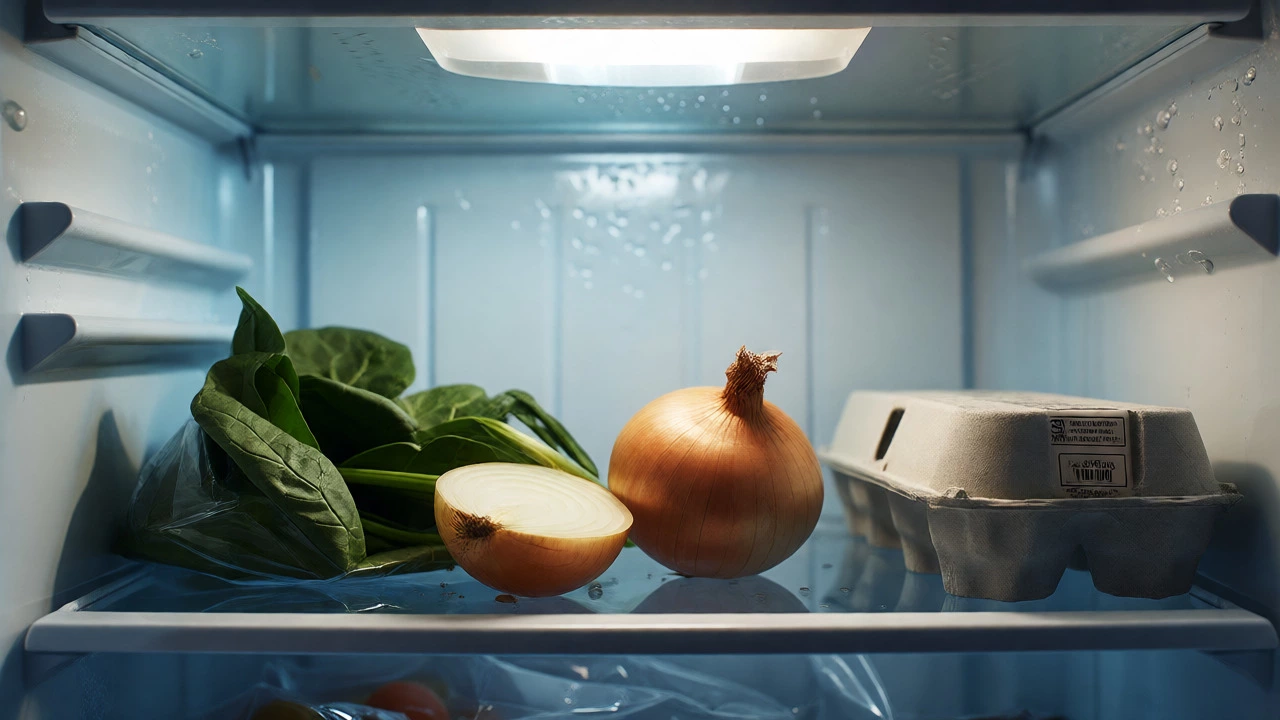
You stare into the fridge. It’s Tuesday. You’ve got half an onion, some sad-looking spinach, and a carton of eggs that expires tomorrow. The bank account says "no," but your stomach says "yes." Sound familiar? Planning a low cost meal isn’t about eating rice for three weeks straight or pretending you enjoy boiled cabbage. It’s about strategy. It’s about knowing exactly what to buy, when to buy it, and how to stretch every dollar so your family eats well without the guilt trip.
Here’s the truth: most people fail at budget cooking because they shop reactively. They walk into the supermarket hungry, grab whatever looks good, and wonder where their money went. To fix this, we need to shift from "what do I want to eat?" to "what is cheap and nutritious right now?" This guide breaks down the exact steps to plan meals that are kind to your wallet and your taste buds, specifically tailored for families trying to make ends meet in 2026.
The Core Principle: Build Meals Around Cheap Staples
If you treat meat as the main event, your grocery bill will always be high. In Australia, and really anywhere with rising food costs, protein is often the most expensive part of the plate. The secret to a low-cost meal is flipping the pyramid. Make vegetables, grains, and legumes the stars, and use meat or dairy as a flavor enhancer rather than the bulk of the dish.
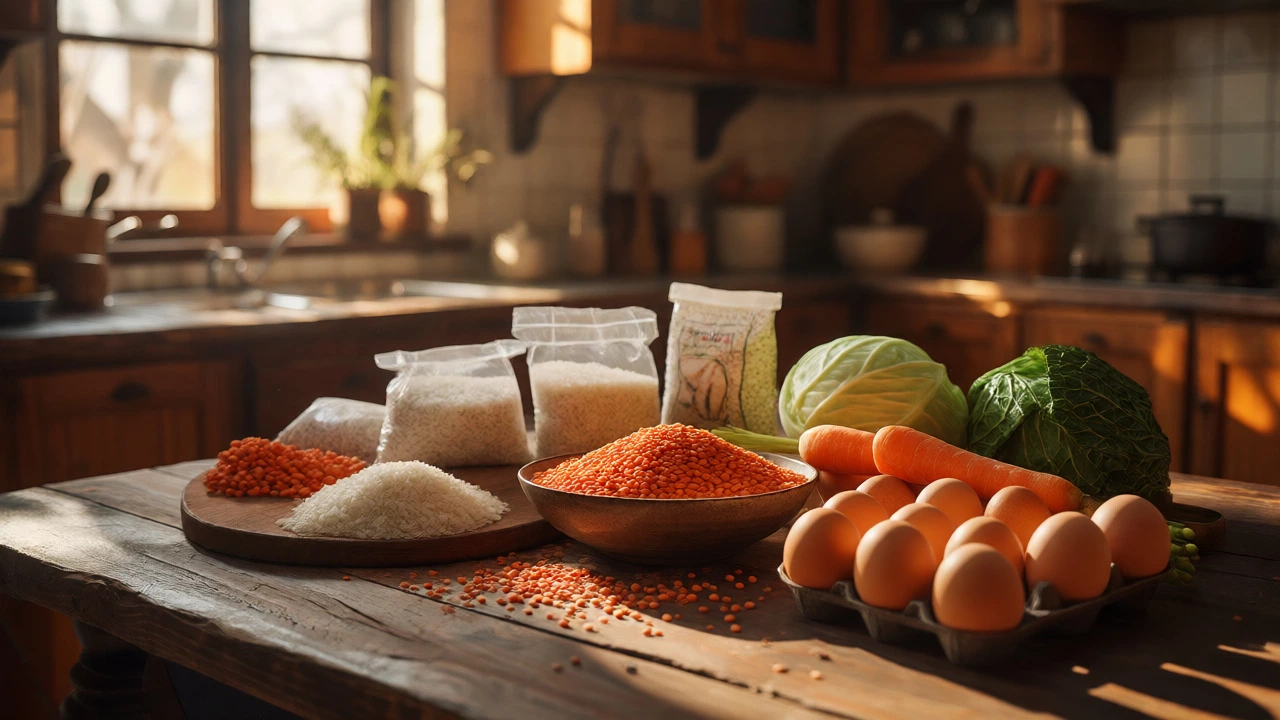
Think about lentils. A kilogram of dried red lentils costs around $4-$5 and provides roughly 10-12 servings. Compare that to chicken breast, which might cost $10-$12 per kilogram and yields fewer servings after cooking loss. Lentils are fast-cooking, require no soaking, and absorb flavors beautifully. They are a nutritional powerhouse packed with fiber and iron. When you build a meal around them-like a spiced dal with rice-you’re feeding four people for under $8 total.
Other heroes of the budget kitchen include:
- Oats: Not just for breakfast. Use rolled oats to thicken soups or make savory porridge.
- Cabbage: One head can feed a family of four twice if shredded into stir-fries or slaws. It lasts weeks in the crisper drawer.
- Carrots: Buy them loose, not pre-bagged. They are sweet, versatile, and rarely spoil quickly.
- Eggs: Still one of the cheapest sources of complete protein available. A dozen eggs can provide multiple dinners if paired with veggies.
Step-by-Step: How to Plan Your Weekly Menu
Planning doesn’t have to take hours. Follow this simple workflow to save time and money simultaneously.
- Check Your Pantry First: Before you even look at a recipe, open your cupboard. What do you already have? Cans of tomatoes? Rice? Pasta? Start your menu here. If you have two cans of chickpeas, a curry is already halfway done.
- Scan the Sales: Don’t guess what’s cheap. Look at the current specials. Is chicken thigh on special? Buy extra and freeze it. Are bananas overripe and discounted? Buy them for banana bread or smoothies later. This step prevents impulse buys.
- Pick Three Anchor Recipes: Choose three reliable, low-cost meals you know your family likes. For example: Chicken Stir-Fry with Frozen Veg, Lentil Soup, and Egg Fried Rice. These are your safety nets.
- Fill the Gaps with Flexibility: Leave two nights flexible. Maybe you’ll use up leftovers, maybe you’ll make a simple pasta dish. Rigid plans break; flexible ones survive.
- Create a Strict Shopping List: Write down only what you need for those specific meals. Stick to it. Walking past the bakery aisle without buying anything is a victory.
Smart Shopping Tactics for Australian Families
Where you shop matters as much as what you buy. In Melbourne, for instance, the difference between a major chain like Coles or Woolworths and a local independent grocer or market can be significant for fresh produce.
| Ingredient | Supermarket Price | Market/Independent Price | Best Use |
|---|---|---|---|
| Dried Lentils (1kg) | $4.50 | $3.80 | Soups, Dals, Bolognese extender |
| Seasonal Zucchini (per kg) | $2.99 | $1.50 | Stir-fries, Grilled sides |
| Chicken Thighs (per kg) | $9.50 | $7.00 | Roasts, Curries, Casseroles |
| White Rice (5kg bag) | $8.00 | $7.50 | Base for almost any meal |
Notice the zucchini price? Buying seasonal produce at a local market can cut costs by nearly 50%. Supermarkets often charge a premium for convenience and packaging. If you have access to a farmers' market, go there for fruits and vegetables. Save the dry goods and canned items for the big stores where bulk discounts apply.
Another tactic: embrace frozen vegetables. Fresh broccoli wilts in two days. Frozen broccoli stays perfect for months and retains its nutrients because it’s flash-frozen at peak ripeness. It’s often cheaper per serving than fresh, especially out of season. Keep a stash of frozen peas, corn, and mixed veg in your freezer. They are instant fillers for soups and stir-fries.
Recipes That Stretch Ingredients Further
The goal is volume without sacrificing nutrition. Here are three specific meal templates that are incredibly cheap and scalable.
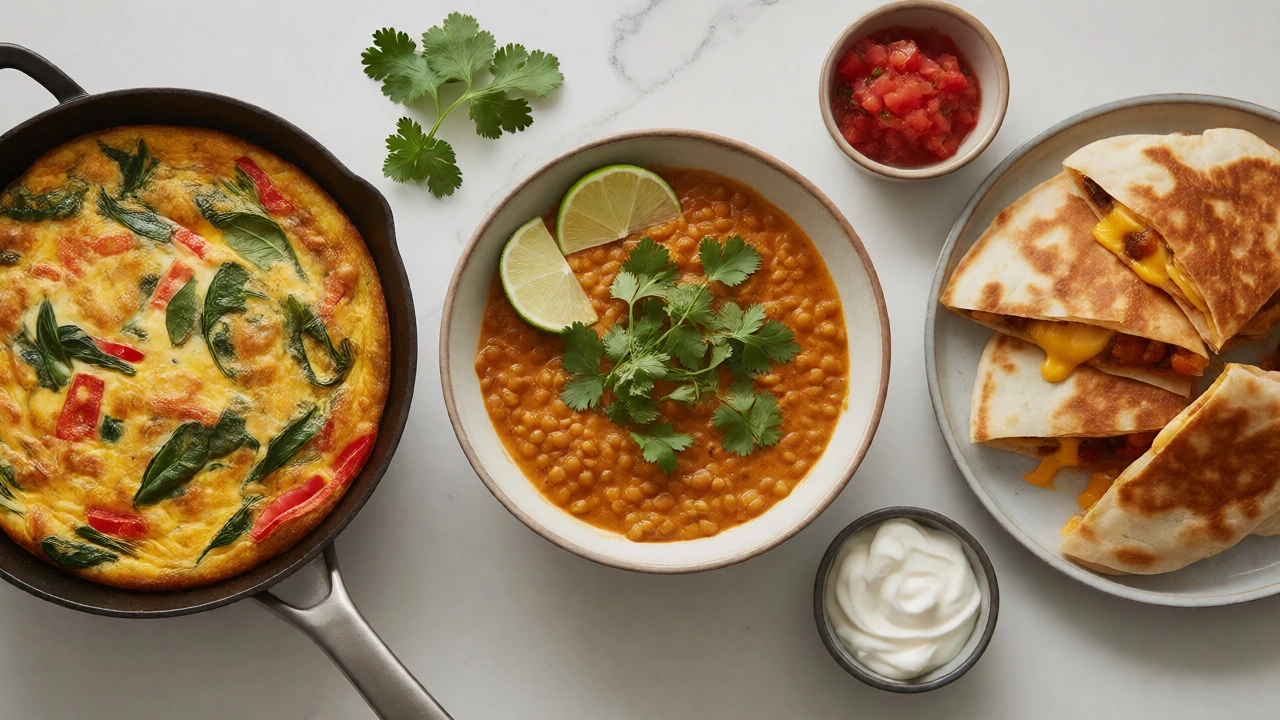
1. The "Everything" Frittata
This is the ultimate fridge-clearer. You don’t need a recipe card. Heat oil in an oven-safe pan. Sauté any chopped veggies you have-onions, capsicum, spinach, leftover roasted potatoes. Whisk 6-8 eggs with a splash of milk, salt, and pepper. Pour over the veggies. Cook on the stovetop until the edges set, then finish under the grill (broiler) until golden. Serve with salad or toast. Cost per serving: ~$1.50.
2. Red Lentil Coconut Curry
Sauté garlic, ginger, and curry powder in oil. Add 1 cup of red lentils and 4 cups of water or stock. Simmer for 15 minutes until soft. Stir in a tin of coconut cream (or yogurt for a lighter version) and a handful of spinach. Season with lime juice and salt. Serve over steamed rice. This feeds four adults easily. Cost per serving: ~$2.00.
3. Bean and Cheese Quesadillas
Mash a tin of black beans or refried beans with cumin and chili powder. Spread on tortillas. Top with grated cheese and any cooked veggies (corn, peppers). Fold and cook in a dry pan until crispy and melted. Serve with salsa and sour cream. Kids love these, and they’re surprisingly filling. Cost per serving: ~$1.80.
Avoiding the Hidden Costs of Budget Eating
It’s easy to fall into traps that seem cheap but aren’t. Processed foods labeled "budget" often lack satiety. You might spend $5 on a box of macaroni and cheese, but you’ll likely be hungry again in an hour, leading to snacking on biscuits or chips. Whole foods keep you fuller longer due to fiber and protein content.
Also, watch out for waste. Throwing away spoiled food is throwing away money. Practice FIFO (First In, First Out) in your pantry. Move older items to the front. Label your freezer bags with dates. If you cook too much rice, freeze it immediately in portions. Reheating frozen rice with a sprinkle of water makes it taste freshly made.
Finally, don’t underestimate the power of spices. Salt, pepper, garlic powder, paprika, and cumin are inexpensive investments that transform bland beans and rice into exciting meals. A $5 jar of smoked paprika lasts months and adds depth to everything from scrambled eggs to roasted carrots.
Frequently Asked Questions
Is eating healthy actually more expensive than eating junk food?
Not necessarily. While processed snacks and ready-made meals can be cheap per unit, they offer poor value per nutrient. Cooking from scratch using staples like lentils, rice, seasonal vegetables, and eggs is significantly cheaper per meal than buying takeaway or pre-packaged health foods. The initial investment in spices and basic equipment pays off quickly.
How many meals should I plan for each week?
Aim to plan five dinner meals. Lunches can often be repurposed leftovers or simple sandwiches based on pantry staples. Breakfasts usually follow a routine (oats, eggs, toast) and don't need weekly planning. Focusing on five dinners reduces decision fatigue and ensures you buy only what you need for the main events of the day.
What are the best protein sources for a low-cost diet?
Dried legumes (lentils, chickpeas, kidney beans) are the most economical proteins. Eggs are second. Canned fish like tuna or sardines are also affordable and shelf-stable. When buying meat, opt for whole chickens (which you can butcher yourself) or cuts like thighs and drumsticks rather than breasts. Minced meat can be stretched by mixing it with lentils or mushrooms.
Do I need expensive kitchen tools to cook cheaply?
No. You need a sharp knife, a large frying pan, a pot for boiling, and a baking tray. That’s it. Expensive gadgets like sous-vide machines or fancy blenders are nice-to-haves, not must-haves. Simple techniques like roasting, sautéing, and simmering work perfectly with basic equipment.
How do I make sure my kids eat low-cost meals?
Involve them in the planning process. Let them choose between two low-cost options. Presentation matters-cut veggies into fun shapes. Hide vegetables in sauces and casseroles. Also, involve them in cooking; kids are more likely to eat something they helped prepare. Start with familiar flavors like mild curries, cheesy bakes, or stir-fries.
Next Steps: Starting Your Budget Journey
Don’t try to overhaul your entire diet overnight. Start small. Next week, replace one meat-heavy dinner with a bean-based dish. Notice how you feel and how much you saved. Then, try planning your shopping list strictly according to sales. Keep a small notebook in your kitchen to track prices of key items like flour, sugar, and oil so you know when you’re getting a genuine bargain.
Remember, a low-cost meal is not a punishment. It’s a creative challenge. With a little planning, you can serve delicious, nutritious food that leaves room in the budget for other things that matter to your family. Grab that onion, crack those eggs, and start experimenting.