
Weekly Budget Planner
A $200 monthly budget allows approximately $50 per week. Enter your estimated costs below to see if you are on track.
Imagine opening your fridge and seeing enough food to last the week without panic. For many families, hitting a $200 monthly food budget feels like an impossible math problem. But it is not magic; it is strategy. The key isn't just buying cheap items-it's buying the *right* cheap items and preparing them with intention. This guide cuts through the noise of generic advice and gives you a concrete, step-by-step plan to feed yourself or a small family on this tight budget in 2026.
The Reality Check: What $200 Actually Buys
Before we dive into recipes, let’s look at the numbers. In 2026, the average American spends significantly more than $200 a month on groceries. To make this work, you must shift your mindset from "convenience" to "calorie density." You are not paying for packaging, branding, or pre-cut vegetables. You are paying for raw fuel.
Here is the breakdown of what a strict $200 budget allows:
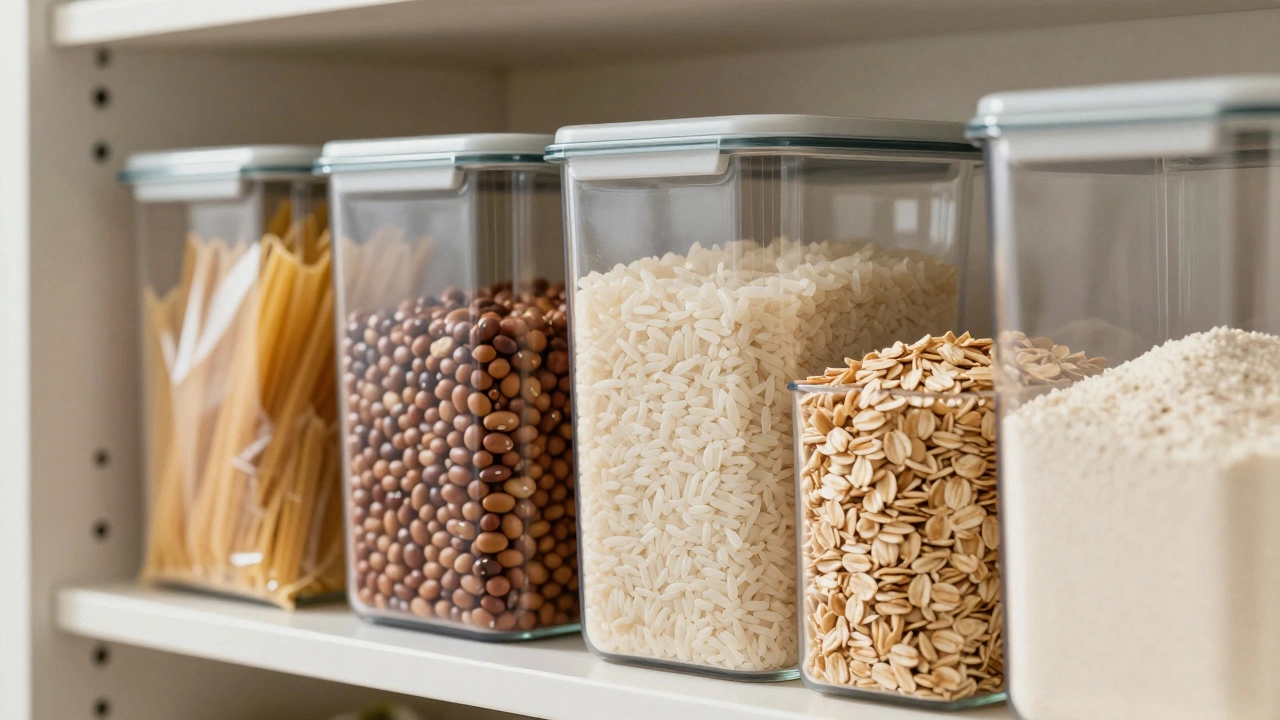
- Dry Goods: Rice, beans, oats, pasta, flour. These are your anchors. They provide calories at pennies per serving.
- Frozen Vegetables: Often cheaper than fresh, never spoil, and retain nutrients. Think peas, corn, mixed veggies, and spinach.
- Budget Proteins: Eggs, chicken thighs (never breasts), canned tuna, and lentils. Meat will be a flavor enhancer, not the main event.
- Seasonal Produce: Bananas, onions, potatoes, carrots, and cabbage. These are the only fresh fruits and vegetables that stay under control year-round.
If you buy meat as the center of every plate, you will fail. If you treat meat as a spice-like garlic or cumin-you will succeed.
The Core Strategy: Buy in Bulk, Cook in Batches
The biggest enemy of a low budget is waste. When you have limited money, every dollar spent on spoiled food is a dollar lost forever. The solution is batch cooking. You cook once, eat three times.
Start with the "Big Three" staples that form the base of almost every affordable meal:
- Rice: A 5lb bag costs around $5-$7. It lasts weeks. It stretches expensive ingredients by adding volume.
- Dried Beans/Lentils: Dried are half the price of canned and have no sodium. Soak them overnight, cook them in bulk, and freeze portions.
- Oats: Plain rolled oats are the cheapest breakfast on earth. Add banana slices or cinnamon for variety without cost.
By anchoring your meals in these three items, you reduce the pressure on your protein and vegetable budget. You’re not eating plain rice; you’re eating rice *with* flavor. That distinction changes everything.
Smart Shopping Tactics for 2026
Where you shop matters as much as what you buy. Here are specific tactics to stretch your dollars further:
| Strategy | Impact on Budget | Effort Level |
|---|---|---|
| Store Brands Only | Saves 20-30% vs name brands | Low |
| Buying Ugly Produce | Saves 40-50% on fruits/veggies | Medium (requires checking bins) |
| Freezer Section Deals | Cheapest source of meat/protein | Low |
| Avoiding Pre-Packaged Snacks | Eliminates $30+ monthly waste | High (requires discipline) |
Rule #1: Never shop hungry. It sounds cliché, but hunger triggers impulse buys. Stick to a list. If it’s not on the list, it doesn’t go in the cart.
Rule #2: Embrace the "Ugly" Bin. Many supermarkets now sell slightly bruised or misshapen produce at a discount. A crooked carrot tastes exactly the same as a straight one. Use these for soups, stews, and roasts where appearance doesn’t matter.
Rule #3: Water is free. Stop buying soda, juice, or bottled water. Tap water is safe and free. Flavor it with lemon slices or mint if needed, but keep the cost at zero.
Sample Weekly Menu: Under
To hit $200 a month, you need to spend about $50 a week. Here is a realistic menu that feeds two adults (or one adult and two children) with leftovers included. Prices are estimates based on national averages for store-brand items.
Breakfasts (Cost: ~$8/week)
- Oatmeal: Made with water or diluted milk. Topped with sliced bananas (on sale) or cinnamon.
- Eggs: Scrambled eggs with onions. Onions add volume and flavor for pennies.
Lunches (Cost: ~$12/week)
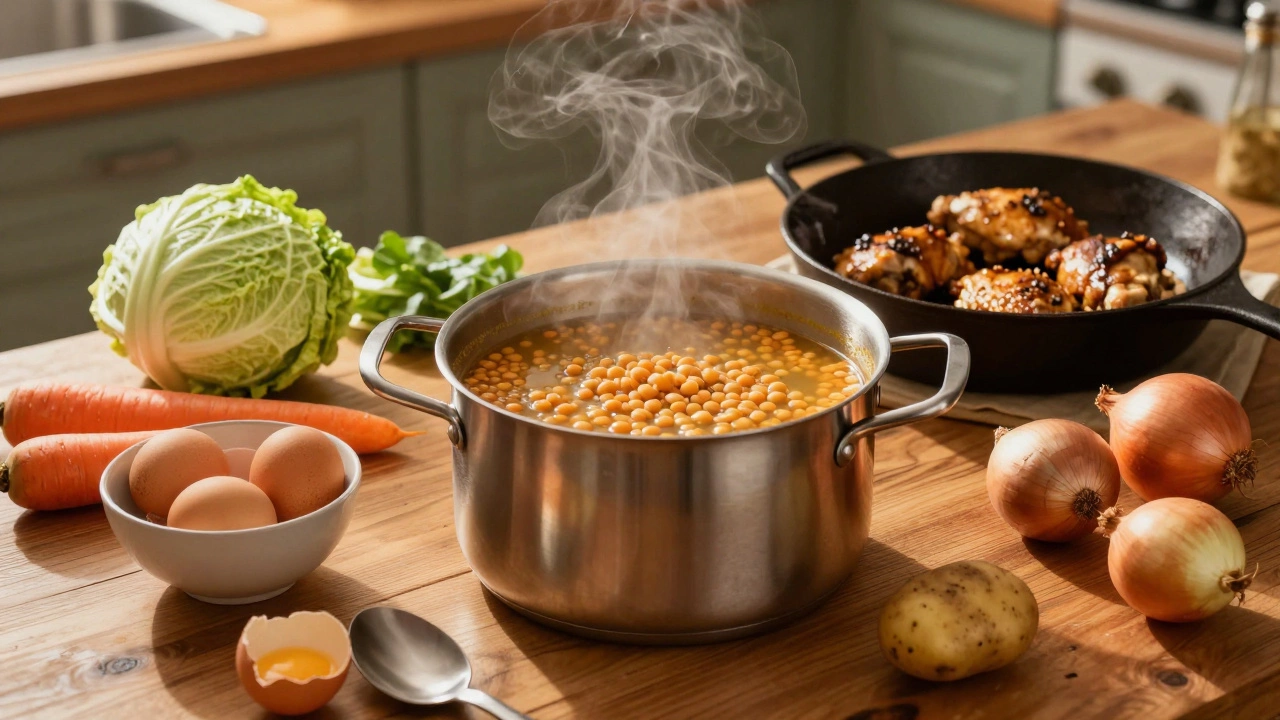
- Lentil Soup: Made in a large pot on Sunday. Uses dried lentils, carrots, celery, and onion. Freezes well.
- Leftover Rice Bowls: Cold or reheated rice with a fried egg and soy sauce.
Dinners (Cost: ~$25/week)
- Chicken Thigh Stir-Fry: One package of frozen chicken thighs ($4) stir-fried with frozen mixed vegetables ($2) and served over rice ($0.50).
- Bean & Cheese Quesadillas: Tortillas, refried beans (canned), and shredded cheese. Serve with salsa for flavor.
- Pasta with Marinara: Store-brand spaghetti jarred sauce. Add spinach from the freezer to boost nutrition.
- Cabbage Stew: Cabbage is incredibly cheap. Sauté it with onions, potatoes, and a bit of bacon grease or oil for a hearty side or main.
Snacks (Cost: ~$5/week)
- Popcorn: Kernels pop in a pan with oil. Cheaper than microwave bags.
- Apple Slices: With a thin layer of peanut butter.
Total estimated weekly cost: $50. Monthly total: $200. This leaves zero room for error, so precision is key.
Flavor Without Fortune: The Spice Rack Secret
People quit cheap diets because the food tastes bland. You don’t need expensive ingredients to make food taste good; you need spices. Invest in a basic spice rack once, and use it for months.
Essential spices for budget cooking:
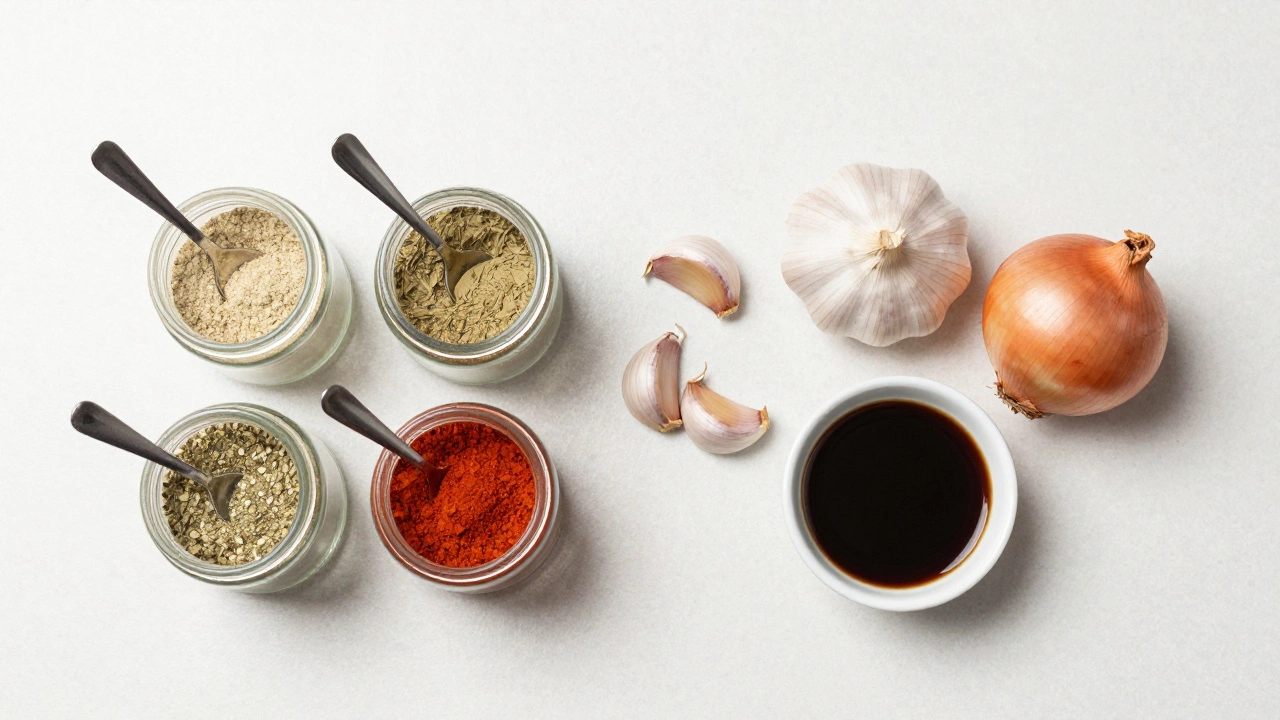
- Garlic Powder & Onion Powder: Last longer than fresh and add depth to any dish.
- Cumin & Chili Powder: Transform beans and rice into Mexican-inspired meals.
- Italian Seasoning: Perfect for pasta sauces and roasted vegetables.
- Soy Sauce: Adds umami (savory flavor) to stir-fries and rice bowls.
A teaspoon of cumin costs less than a penny. Using it turns dry beans into a flavorful feast. Don’t skimp on spices-they are the cheapest way to elevate your meals.
Common Pitfalls to Avoid
Even with a plan, mistakes happen. Here are the most common ways people blow their $200 budget:
Buying Milk Too Early. Milk spoils fast. Only buy what you’ll use in 3-4 days. If you can’t finish it, switch to powdered milk or oat milk made from scratch (oats + water + blender).
Ignoring Sales Cycles. Supermarkets rotate sales weekly. Check flyers before shopping. If chicken is on sale, buy extra and freeze it. If it’s not on sale, stick to beans and eggs.
Underestimating Side Costs. Don’t forget to account for non-food household items if they’re part of your general budget. Keep food separate. If you buy toothpaste at the grocery store, deduct that cost from your $200 limit immediately.
When $200 Isn’t Enough: Resources for Help
If you find yourself consistently falling short despite careful planning, you are not alone. In 2026, inflation has impacted food prices globally. If you are struggling, consider these resources:
- SNAP Benefits: Apply for Supplemental Nutrition Assistance Program benefits if eligible. It’s designed for exactly this situation.
- Local Food Banks: Most communities have food pantries that offer fresh produce and staples. There is no shame in using them.
- School Meal Programs: If you have children, ensure they are enrolled in free/reduced lunch programs. This frees up your budget for dinner and snacks.
Asking for help is a smart financial move, not a failure.
Final Thoughts: Consistency Over Perfection
Living on $200 a month for food requires discipline, but it is achievable. Focus on whole foods, cook in batches, and embrace simplicity. Your meals won’t be gourmet, but they will be nutritious, filling, and sustainable. Start small. Plan one week ahead. Track every penny. Adjust as you go. You’ve got this.
Can I really eat healthy on $200 a month?
Yes, but "healthy" means nutrient-dense, not organic or fancy. Focus on beans, lentils, frozen vegetables, eggs, and seasonal produce. These items provide essential vitamins, protein, and fiber at a low cost. Avoid processed snacks, which are expensive and lack nutritional value.
What is the cheapest protein source?
Dried lentils and split peas are the cheapest proteins, costing less than $1 per pound. Eggs are also very affordable, especially when bought in bulk. Chicken thighs (frozen) are the most economical animal protein, often priced lower than breast meat.
How do I stop wasting food on a tight budget?
Plan meals before shopping. Cook in batches and freeze portions. Use leftovers creatively-for example, turn roasted chicken into soup or salad. Keep your fridge organized so older items are used first. If something is about to spoil, freeze it or blend it into a smoothie.
Is it better to buy fresh or frozen vegetables?
Frozen vegetables are often cheaper, last longer, and retain similar nutrients to fresh ones. They are harvested at peak ripeness and flash-frozen. Fresh vegetables are fine if they are in season and on sale, but avoid out-of-season produce due to high costs and potential spoilage.
Can I feed a family of four on $200?
It is extremely difficult for a family of four to survive on $200 a month for food alone. This budget is more realistic for one or two people. For larger families, prioritize calorie-dense staples like rice, beans, and pasta, and seek assistance from SNAP or food banks to fill nutritional gaps.