
Daily Protein Tracker
Add Vegetarian Staples
Click items or use +/- buttons to add servingsHitting 100 grams of protein every day on a vegetarian diet feels like a math problem you never wanted to solve. You sit down with your calculator, adding up the grams in your tofu scramble and lentil soup, only to realize you are still short by twenty grams before dinner even starts. It is frustrating, especially when you feel full but not fueled. The good news? You do not need to live on protein shakes or eat eggs for every single meal. With a few strategic swaps and an understanding of which plants pack the most punch, you can easily hit that target without feeling like you are on a restrictive diet.
First, let us clear up a common myth. You do not need to combine proteins at every meal to get complete amino acids. Your body has a pool of amino acids it draws from throughout the day. As long as you eat a variety of plant foods over the course of 24 hours, you will be fine. This flexibility makes planning much easier. Instead of stressing about perfect pairings at lunch, focus on including high-protein ingredients in every sitting. For those traveling or looking for other local resources while maintaining their lifestyle, checking out this directory might offer some interesting insights into local services, though sticking to your meal prep remains the priority for your health goals.
The Powerhouse Plant Foods You Need to Know
To reach 100 grams, you need to prioritize density. Not all vegetables are created equal when it comes to protein content. While broccoli has some protein, you would need to eat pounds of it to make a dent in your daily goal. Instead, focus on legumes, soy products, whole grains, and nuts. These categories form the backbone of a high-protein vegetarian diet.
Tofu and Tempeh are fermented or coagulated soy products that serve as versatile meat substitutes. Tofu is incredibly absorbent, taking on the flavor of whatever sauce you cook it in. One cup of firm tofu contains about 20 grams of protein. Tempeh, made from fermented soybeans, offers a nuttier texture and slightly higher protein count, around 31 grams per cup. Because they are based on soy, they are complete proteins, meaning they contain all nine essential amino acids your body cannot produce on its own.
Lentils are another unsung hero. They cook quickly, require no soaking, and pack roughly 18 grams of protein per cooked cup. Whether you toss them into a salad, blend them into a dip, or simmer them in a curry, they add substance and nutrition. Chickpeas follow closely behind with about 15 grams per cup. Using these legumes as the base for your meals rather than just a side dish is the first step toward hitting your macro targets.
| Food Item | Protein (grams) | Key Benefit |
|---|---|---|
| Tempeh | 31g | Complete protein, fermented gut health benefits |
| Firm Tofu | 20g | Versatile, absorbs flavors well |
| Lentils | 18g | High fiber, cooks fast |
| Chickpeas | 15g | Versatile, great for dips and salads |
| Quinoa | 8g | Complete grain, gluten-free |
| Greek Yogurt (Plain) | 20g | High calcium, probiotics |
Strategic Meal Planning for Maximum Protein
Knowing what to buy is half the battle; knowing how to assemble it is the other. The key to hitting 100 grams is consistency across three meals and two snacks. If you rely solely on dinner to get your protein, you will likely fall short because one meal rarely provides more than 30-40 grams without being uncomfortably large.
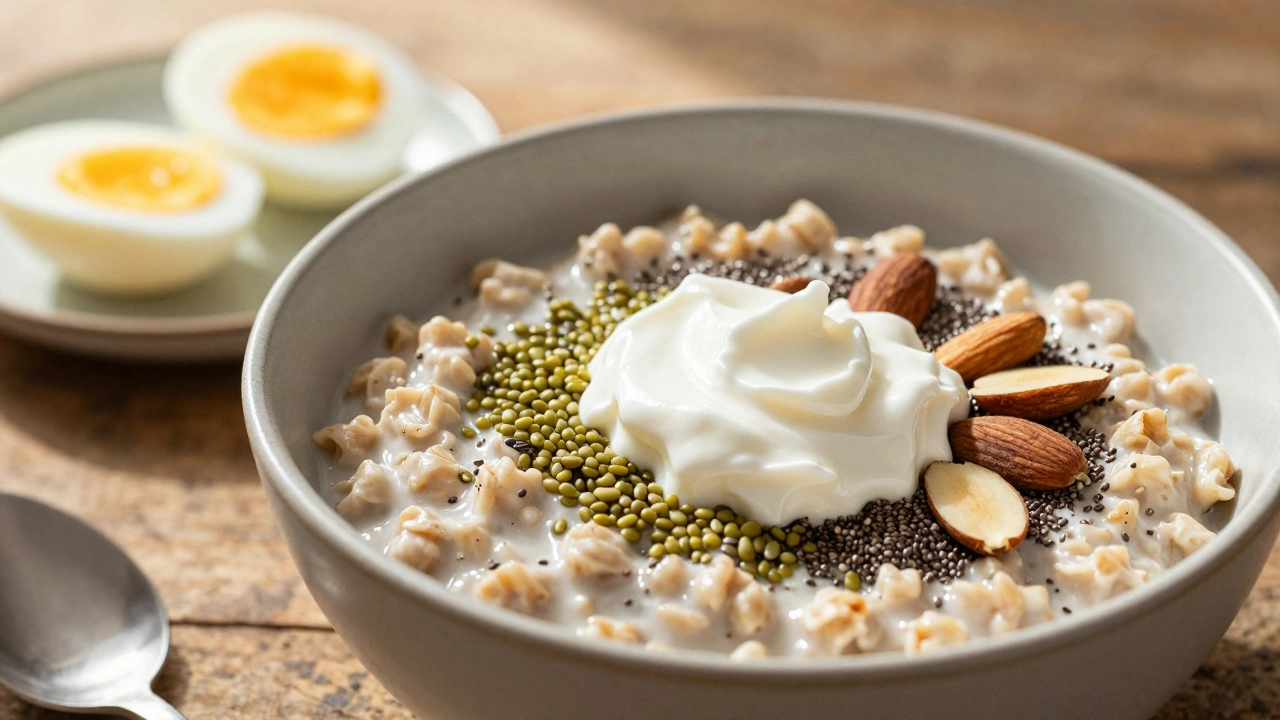
Start your day with a high-protein breakfast. Oatmeal is nutritious but low in protein. Boost it by stirring in a scoop of pea protein powder, adding hemp seeds, or serving it alongside Greek yogurt. A simple bowl of oatmeal with chia seeds and almond milk might only give you 10 grams. Add a tablespoon of peanut butter and a side of hard-boiled eggs, and you jump to nearly 25 grams. This sets a strong foundation for the rest of the day.
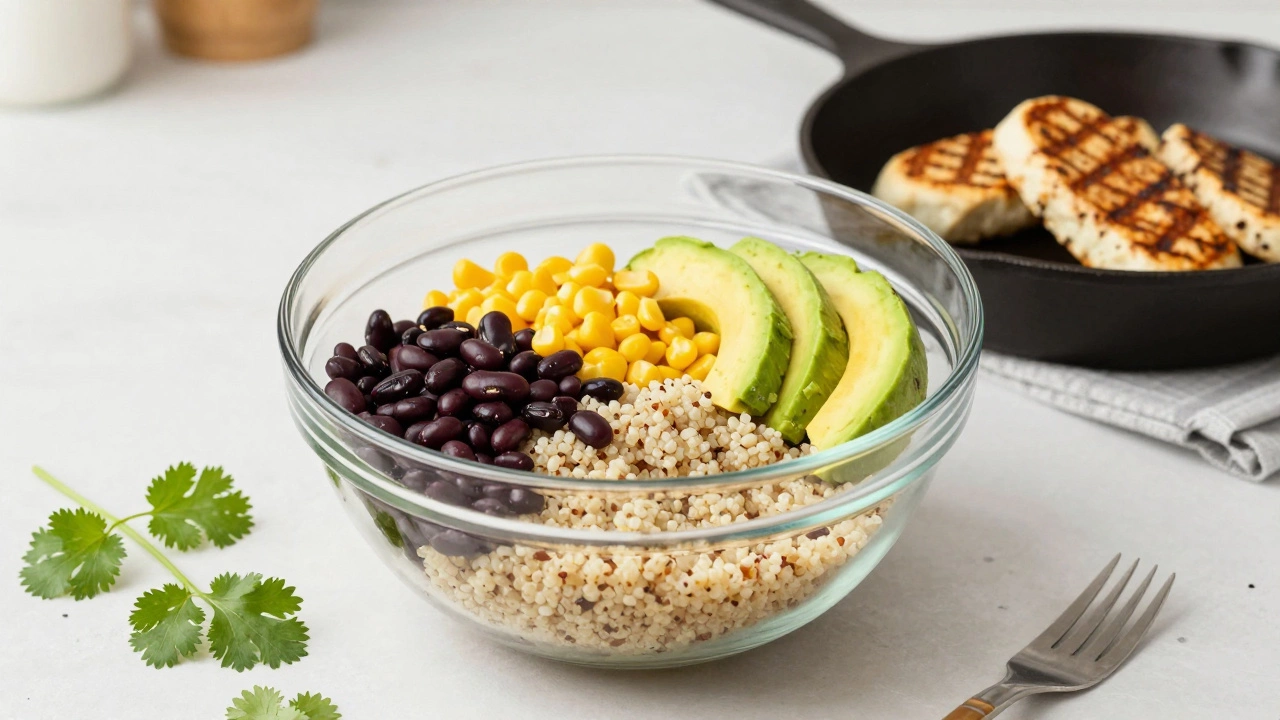
For lunch, aim for a "protein-first" mindset. Instead of a small salad with a handful of beans, build a bowl where the protein is the star. Think quinoa mixed with black beans, corn, and avocado, topped with a generous portion of grilled tempeh. This combination easily pushes past 30 grams. When you treat legumes and soy as the main event rather than a garnish, the math becomes much simpler.
Snacking Smart: Bridging the Gap
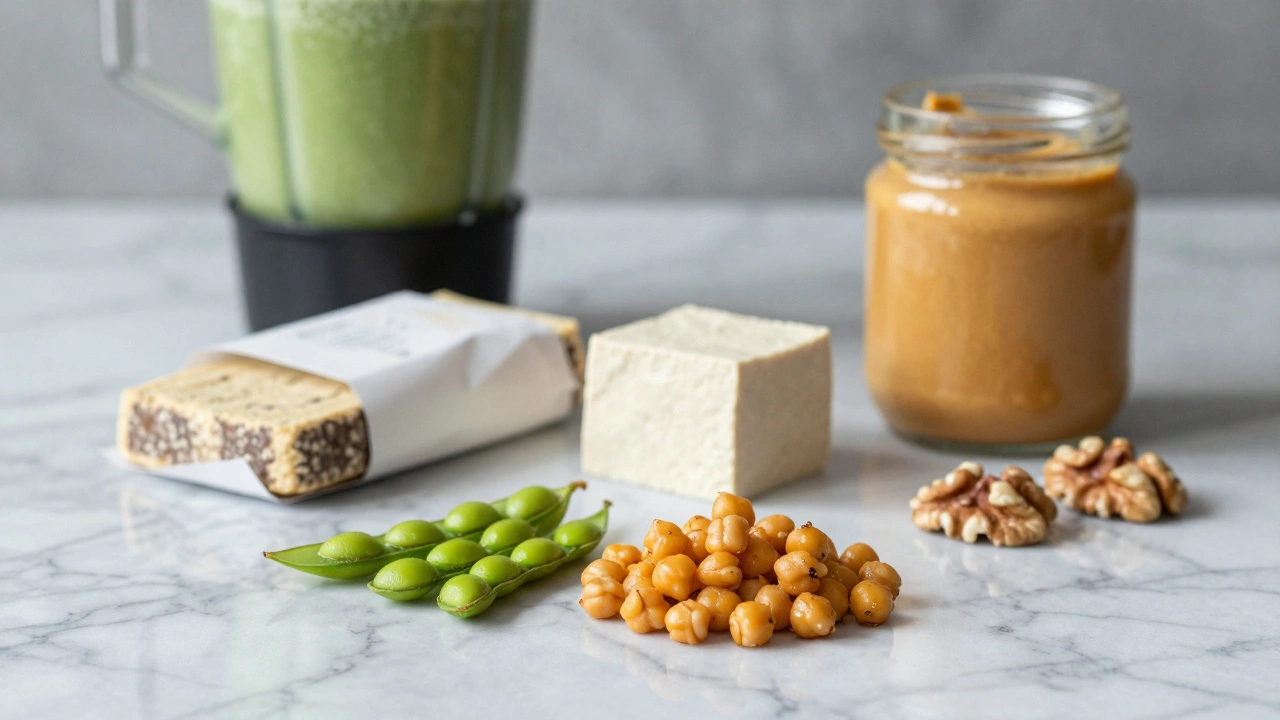
Snacks are often where diets fail, but for vegetarians aiming for high protein, they are your secret weapon. Most commercial snacks are carb-heavy-crackers, chips, granola bars loaded with sugar. Swap these for protein-dense options. Roasted chickpeas, edamame, cottage cheese, or a handful of almonds provide significant protein boosts without requiring cooking time.
Aim for 10-15 grams of protein per snack. Two squares of dark chocolate and a handful of walnuts might sound indulgent, but the nuts contribute healthy fats and protein. Edamame pods are fun to eat and offer about 9 grams per half-cup. Keeping these items accessible prevents you from grazing on low-nutrient foods later in the evening when hunger strikes.
Dinner: Closing the Deal
By dinner, you should have accumulated around 60-70 grams of protein if you followed the earlier steps. This means you need approximately 30-40 grams from your evening meal. A stir-fry with tofu and brown rice works perfectly. Use extra-firm tofu, pressed to remove water, so it crisps up nicely in the pan. Pair it with broccoli and bell peppers for volume and micronutrients. Brown rice adds another 5 grams of protein compared to white rice, helping you cross the finish line.
If you eat dairy, a side of Greek yogurt with berries after dinner can add another 15-20 grams. This is particularly useful if your dinner was lighter on protein. Flexibility here allows you to adjust based on how your day went. Did you skip lunch? Load up on protein at dinner. Did you have a heavy breakfast? Keep dinner balanced but less protein-intensive.
Supplements: Are They Necessary?
You do not strictly need supplements to hit 100 grams, but they can make life easier. Whole food sources are always preferable due to the added fiber, vitamins, and minerals. However, on busy days, a protein shake can bridge the gap. Pea protein, rice protein, or hemp protein are popular plant-based options. Look for brands with minimal additives and sugars.
One scoop typically provides 20-25 grams of protein. Blending this with spinach, frozen berries, and almond milk creates a quick, nutrient-dense meal replacement or snack. It is not a magic bullet, but it is a practical tool for ensuring you meet your goals when cooking isn't an option.
Common Pitfalls to Avoid
Many vegetarians underestimate how easy it is to fill up on calories without getting enough protein. Pasta dishes, bread-heavy meals, and fruit-centric snacks can leave you hungry soon after eating because they lack satiety-inducing protein. Always pair carbs with a protein source. Never eat plain toast; add avocado and hummus. Never eat plain fruit; pair it with nuts or yogurt.
Another mistake is relying too heavily on processed vegetarian meats. While convenient, many veggie burgers and sausages are lower in protein than their animal counterparts and higher in sodium and preservatives. Reading labels is crucial. If a veggie burger has only 5 grams of protein, it is not helping you reach 100 grams. Stick to whole foods whenever possible.
Tracking Your Intake
In the beginning, tracking your protein intake with an app can be eye-opening. You might think you are eating enough, but the numbers tell a different story. After a week or two, you will develop a sense of portion sizes and protein density. You will learn that a cup of lentils is a powerhouse and that a bagel is mostly empty calories. Eventually, you won't need to track every gram, but having that baseline knowledge ensures you stay on course.
Remember, consistency matters more than perfection. Some days you might hit 90 grams, others 110. That is normal. Focus on building habits that make high-protein choices the default, not the exception. With the right tools and mindset, reaching 100 grams of protein as a vegetarian is entirely achievable.
Can I get 100g of protein on a vegan diet?
Yes, absolutely. By focusing on soy products like tofu and tempeh, legumes such as lentils and chickpeas, and incorporating protein-rich grains like quinoa, you can easily reach 100 grams. Nuts, seeds, and nutritional yeast also help boost your intake without any animal products.
Do I need to combine proteins at every meal?
No, you do not need to combine proteins at every meal. Your body maintains a pool of amino acids throughout the day. As long as you eat a variety of plant-based proteins over 24 hours, you will receive all the essential amino acids your body needs.
What are the best high-protein vegetarian snacks?
Great options include roasted chickpeas, edamame, Greek yogurt, cottage cheese, hard-boiled eggs, almonds, peanuts, and protein bars made with plant-based proteins. Aim for snacks that provide at least 10 grams of protein to keep you satisfied between meals.
Is 100g of protein too much for a vegetarian?
For most active adults, 100 grams is a healthy and manageable target. The Recommended Dietary Allowance (RDA) is 0.8 grams per kilogram of body weight, but athletes or those seeking muscle maintenance may benefit from higher intakes. Consult a healthcare provider if you have kidney issues or specific health conditions.
How can I increase protein in my breakfast?
Add Greek yogurt or cottage cheese to fruit bowls, stir protein powder into oatmeal or smoothies, eat eggs or egg whites, or use tofu scramble instead of traditional scrambled eggs. Topping toast with hummus or avocado and hemp seeds also boosts protein content significantly.