
Crowd Feeding Budget Calculator
Estimate costs based on guest count and menu style. Uses average Australian supermarket prices for staple ingredients.
Event Details
Enter details and click calculate to see your budget breakdown.
You’ve got twenty people coming over. Maybe it’s a birthday, a reunion, or just a Tuesday night where everyone decided to show up unannounced. The panic sets in immediately. You look at your bank account, then at the fridge, and wonder how you’re going to make this work without eating instant noodles for a week. The good news? Feeding a crowd doesn’t require a catering company or a second mortgage. It requires strategy, smart shopping, and a bit of creativity.
Most people think feeding a group is expensive because they try to replicate restaurant-quality plating with individual portions. That’s the trap. When you cook for one, you care about presentation. When you cook for twenty, you care about volume and satisfaction. If you shift your mindset from "fine dining" to "hearty abundance," you can cut your costs by half while making everyone leave full and happy. Here is exactly how to do it, using real-world tactics that work whether you are in Melbourne, Sydney, or anywhere else with grocery prices that seem to climb every month.
Key Takeaways
- Embrace the "Bulk Bin": Rice, lentils, beans, and pasta are the cheapest calories per kilogram available. Build meals around these bases rather than expensive proteins.
- Choose One-Pot Meals: Stews, curries, and casseroles scale perfectly. They taste better after sitting, require less active cooking time, and minimize cleanup.
- Shop Seasonally and Locally: Buying produce when it’s in peak season (like tomatoes in summer or root veggies in winter) can reduce vegetable costs by 30-50%.
- Reduce Protein Per Person: Use meat as a flavor enhancer rather than the main event. Stretching $10 worth of chicken across ten servings is easier than serving a steak to each person.
- DIY Drinks: Alcohol is the biggest hidden cost. Serve water infused with fruit, homemade lemonade, or bulk-bought wine instead of cocktails.
The Math of Feeding a Crowd
Let’s break down why traditional party food fails the budget test. A standard catered menu might include a protein, two sides, and a salad. For twenty people, that’s forty-five distinct items to prep. Now, compare that to a large group meal plan centered on a single, scalable dish like a lentil bolognese served over polenta. The ingredient list shrinks, waste decreases, and labor drops significantly.
When you buy ingredients in bulk, the price per unit drops. A kilogram of dry rice might cost $3.00 AUD. Cooked, that yields roughly six liters of fluffy rice. If you serve 150 grams of cooked rice per person, that $3 covers twenty people’s carbohydrate base. Compare that to buying pre-cooked microwave rice packets, which might cost $1.50 per packet. Suddenly, your $3 investment becomes $30. Do this for pasta, oats, and dried legumes, and you see where the savings hide.
Protein is usually the most expensive component of any meal. In Australia, beef mince can hover around $15-$20 per kilogram depending on the cut and store. Chicken thigh fillets are often cheaper, especially if you buy whole chickens and butcher them yourself. But here is the secret: you don’t need a heavy protein portion for every guest. In many cultures, such as Indian or Middle Eastern cuisine, vegetables and grains take center stage, with small amounts of meat used for depth of flavor. Adopting this approach allows you to stretch a $15 bag of chicken thighs across twenty servings by adding plenty of onions, carrots, and spices.
Smart Shopping Strategies
You cannot feed a group cheaply if you shop like you’re cooking for two. First, check the weekly specials. Most major Australian supermarkets release their catalogues on Wednesday evenings. Plan your menu based on what is discounted, not what you feel like eating. If chicken wings are on sale, make buffalo wings. If lentils are half-price, make dal.
Next, visit discount grocers or Asian supermarkets. Stores like Aldi, Costco, or local Asian greengrocers often have significantly lower prices on staples like rice, soy sauce, frozen vegetables, and certain cuts of meat. Frozen vegetables are a myth-busting gem here. Many people assume fresh is always better, but frozen peas, corn, and spinach are picked at peak ripeness and flash-frozen, retaining nutrients often lost in fresh produce that has sat in transit for days. Plus, they come pre-chopped, saving you labor hours.
| Item | Fresh Price (AUD) | Frozen/Canned Price (AUD) | Best Use Case |
|---|---|---|---|
| Spinach | $6.00 - $8.00 | $2.50 (Frozen block) | Cooked dishes, soups, lasagna |
| Chicken Breast | $14.00 | $9.00 (Whole bird breakdown) | Curries, stir-fries, shredded toppings |
| Tomatoes | $5.00 - $12.00 (Seasonal) | $1.50 (Canned crushed) | Sauces, stews, chili |
| Potatoes | $2.50 | $1.80 (Bulk bags) | Mash, roasted, soups |
Another tactic is to buy "ugly" produce. Many supermarkets sell bruised or misshapen fruits and vegetables at a steep discount. Since you’re chopping everything into a stew or soup anyway, nobody will notice if the carrot was crooked. This reduces food waste and saves money simultaneously.
Menu Ideas That Scale Effortlessly
Not all recipes survive contact with a crowd. Soufflés collapse. Grilled steaks get cold. You need dishes that improve with time and handle reheating well. Here are three proven categories that keep costs low and morale high.
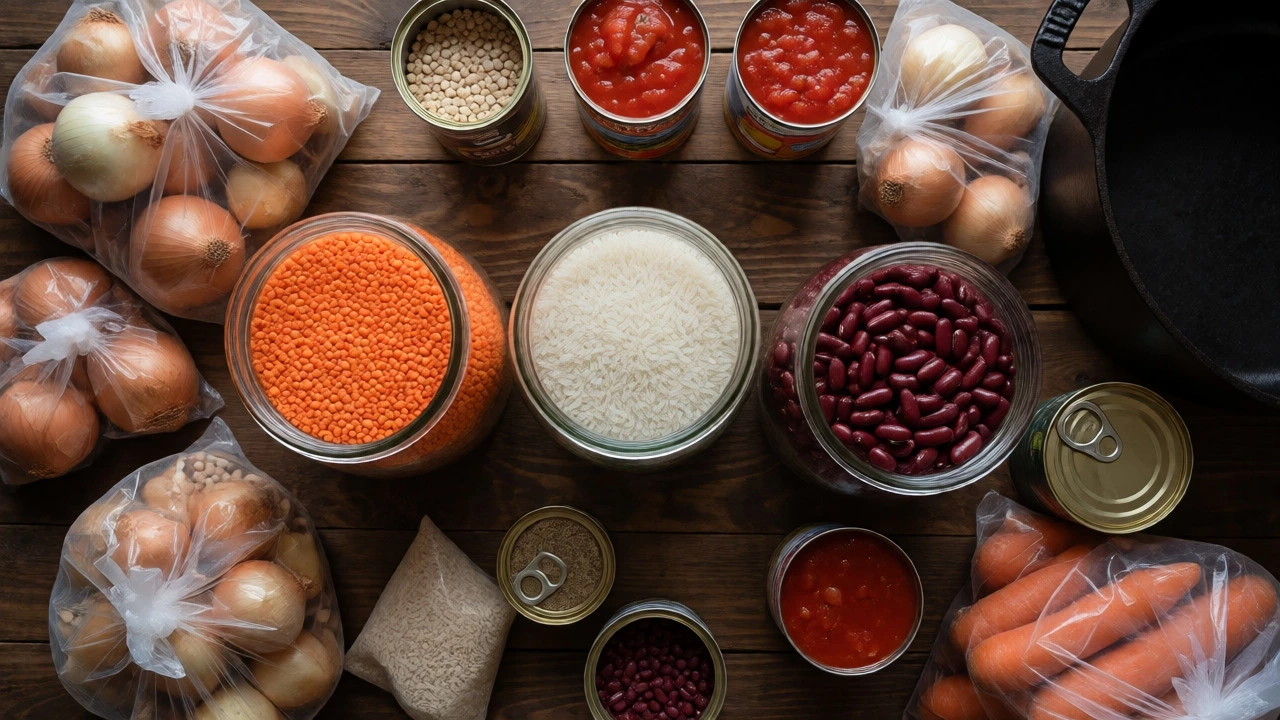
1. The Global Curry Night Indian-inspired curries are arguably the best budget-friendly group foods. Why? Because the base-onions, garlic, ginger, tomatoes, and oil-is incredibly cheap. You add lentils (dal), chickpeas (chana masala), or potatoes (aloo gobi) for bulk. These ingredients expand when cooked and fill stomachs effectively. Serve with basmati rice and naan bread bought from a local bakery in bulk trays. A pot of dal made from 500g of red lentils, canned tomatoes, and spices costs under $8 and feeds eight people easily. Double it for sixteen, triple for twenty-four.
2. Pasta Bar with DIY Toppings Pasta is another calorie-dense, low-cost hero. Instead of making a complex lasagna which takes hours to assemble, go for a "build-your-own" station. Make a massive pot of penne or fusilli. Prepare two sauces: a simple marinara and a creamy mushroom sauce (using cream and canned mushrooms). Set out bowls of grated cheese, chopped herbs, and toasted breadcrumbs. Guests control their portions, reducing waste. If someone is vegetarian, they still have plenty to eat. If someone wants more carbs, they pile on extra pasta. It’s flexible and forgiving.
3. Big Pot Chili Con Carne Chili is legendary for its ability to stretch ground meat. By mixing equal parts meat and beans (kidney beans, black beans, pinto beans), you halve the amount of meat needed. Beans are dirt cheap, especially if you soak dry ones overnight. Add corn, tomatoes, peppers, and strong cumin and paprika flavors. Serve it over rice or with cornbread. Leftovers taste even better the next day, making it perfect for events where you might have stragglers or want easy lunches afterward.
Techniques to Stretch Your Ingredients
Beyond choosing the right dishes, specific cooking techniques help maximize value. The first is "bulking." Never let a protein stand alone. If you have a kilo of sausage, slice it thinly and mix it with twice as much cabbage, carrots, and onions. You’ll barely notice the difference in flavor intensity if you season properly, but your guests will feel satisfied by the volume of food.
The second technique is "liquid thickening." Soups and stews can feel thin and unsatisfying if they lack body. Instead of adding expensive cream, use a roux (flour and butter) or blend part of the cooked vegetables back into the broth. This creates a rich, hearty texture without adding significant cost. Potato starch works wonders here too; boiling a few extra potatoes and mashing them into the soup adds creaminess for pennies.
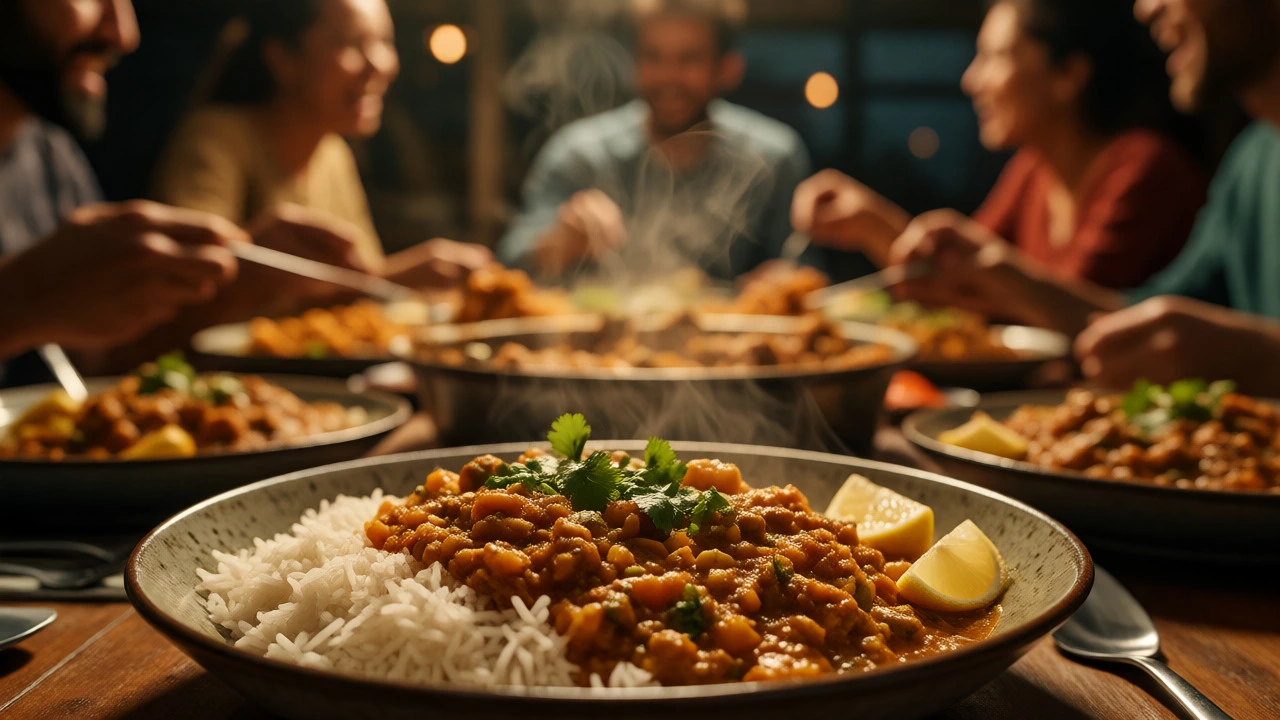
Finally, manage expectations through presentation. Food looks more abundant when it’s piled high in rustic bowls rather than spread flat on large plates. Use deep serving dishes. Fill empty space with garnishes like parsley or lemon wedges, which are cheap but visually striking. Psychological satisfaction plays a huge role in perceived value. A bowl heaped with colorful curry and rice feels generous, even if the actual gram weight is modest.
Drinks and Desserts on a Shoestring
If you spend all your money on food, you’ll run out before dessert arrives. Keep beverages simple. Tap water is free. Infuse it with cucumber slices, mint leaves, or orange peels. It looks fancy but costs nothing beyond the peel. Lemonade made from fresh lemons and sugar is far cheaper than buying bottled soft drinks in bulk cases.
For alcohol, stick to one or two options. A big jug of sangria made from inexpensive red wine, chopped seasonal fruit, and a splash of soda is festive and stretches further than bottles of beer. Avoid cocktails requiring multiple spirits and syrups.
Dessert should be communal. Skip cupcakes or individual pastries. Go for a tray bake. Brownies, blondies, or a sheet cake can be made from pantry staples: flour, sugar, eggs, cocoa powder, and oil or butter. Slice them into squares and serve on a large platter. Fruit salad is another option if you buy bananas and apples, which are consistently affordable year-round. Dust with cinnamon or nutmeg for aroma without extra cost.
Avoiding Common Pitfalls
One major mistake is over-buying. Calculate portions carefully. For a casual dinner, assume 150-200g of cooked protein and 150g of carbohydrates per person. If you have twenty guests, you need about 3kg of total food weight excluding drinks. Buying more leads to leftovers, which is fine, but only if you actually eat them. Otherwise, it’s wasted money.
Another pitfall is ignoring dietary restrictions until the last minute. Ask ahead. If you know two people are gluten-free, make sure your base dish is naturally GF (like rice-based curries) rather than trying to accommodate everyone with separate meals. Cross-contamination matters, but simplicity helps. If the main dish is safe for most, fewer special accommodations are needed.
Lastly, don’t underestimate the power of salt and acid. Cheap food often tastes bland because cooks are afraid to season heavily. Taste as you go. Add salt, pepper, and a squeeze of lemon or vinegar at the end to brighten flavors. Good seasoning makes humble ingredients taste luxurious.
What is the cheapest way to feed 20 people?
The cheapest method is typically a rice and bean-based meal, such as a Mexican burrito bar or an Indian dal with rice. Dry rice and dried beans have the lowest cost per calorie. Pair them with seasonal vegetables and a modest amount of meat or tofu to keep the budget under $5-$7 per person.
How much food should I prepare per person?
Plan for approximately 200-250 grams of solid food per adult. This includes protein, carbohydrates, and vegetables combined. For example, 100g of cooked meat, 100g of rice or pasta, and 50-100g of vegetables. Adjust upward if you have no starters or desserts, or downward if you expect heavy snacking beforehand.
Are frozen vegetables healthy for group cooking?
Yes, frozen vegetables are often healthier than fresh produce that has been transported long distances. They are flash-frozen at peak ripeness, locking in nutrients. They also reduce preparation time and spoilage risk, making them ideal for large-scale cooking where fresh veggies might wilt before being used.
How do I keep food warm for a large group?
Use slow cookers or chafing dishes if available. If not, transfer cooked dishes to oven-safe pots and keep them in a warm oven set to 100°C (212°F) with lids on. Stir occasionally to prevent drying out. Soups, stews, and curries hold heat well due to their liquid content.
Can I cook everything in advance?
Absolutely. Dishes like chili, curry, and lasagna taste better after resting for a day. Cook them the day before, refrigerate, and reheat gently on the day of the event. This spreads out the labor and ensures the flavors meld together nicely.