
Family Meal Budget Planner
Select the meals you plan to cook this week. The tool will calculate your estimated direct ingredient costs based on average Australian supermarket prices.
Walking into a supermarket in Melbourne with an empty cart and a tight wallet is a rite of passage for many parents. The shelves are packed with colorful packaging, but the price tags tell a different story. You want to feed four hungry people-two adults and two growing kids-without watching your bank account bleed out by mid-month. It’s not about eating plain rice every day; it’s about being strategic.
The secret isn’t finding magic discount codes. It’s changing how you think about ingredients. When you stop buying pre-prepared meals and start viewing a chicken leg as a base for three different dinners, the math starts working in your favor. This guide breaks down exactly how to stretch your budget further, using real-world examples from Australian households that keep their weekly food costs under $200 AUD for a family of four.
Key Takeaways
- Budget family meals rely on bulk staples like rice, beans, and seasonal vegetables rather than expensive cuts of meat.
- Meal prepping saves up to 30% of your time and prevents impulse purchases at the deli counter.
- Seasonal produce in Australia is significantly cheaper and fresher than off-season imports.
- Freezing leftovers immediately after cooking reduces food waste, which accounts for nearly 10% of household spending.
- Using one core protein (like chicken or lentils) across multiple recipes maximizes value per dollar.
Understanding the Real Cost of Feeding Four People
Let’s look at the numbers first. According to recent data from the Australian Bureau of Statistics, the average cost of a basic food basket has risen steadily over the past few years. For a family of four, this often translates to a monthly grocery bill between $800 and $1,200 if you’re not careful. That’s roughly $200 to $300 per week. Does that sound high? It depends entirely on what’s in your trolley.
If you buy name-brand snacks, pre-cut fruit, and individually packaged side dishes, that number skyrockets. But if you shift your focus to whole foods, you can drop that weekly cost to around $150-$180 without sacrificing nutrition. The difference lies in preparation time versus convenience fees. Every time you pay extra for something to be chopped, seasoned, or portioned, you’re paying for someone else’s labor. Doing it yourself at home is the single most effective way to lower your bills.
Building a Base: The Staple Strategy
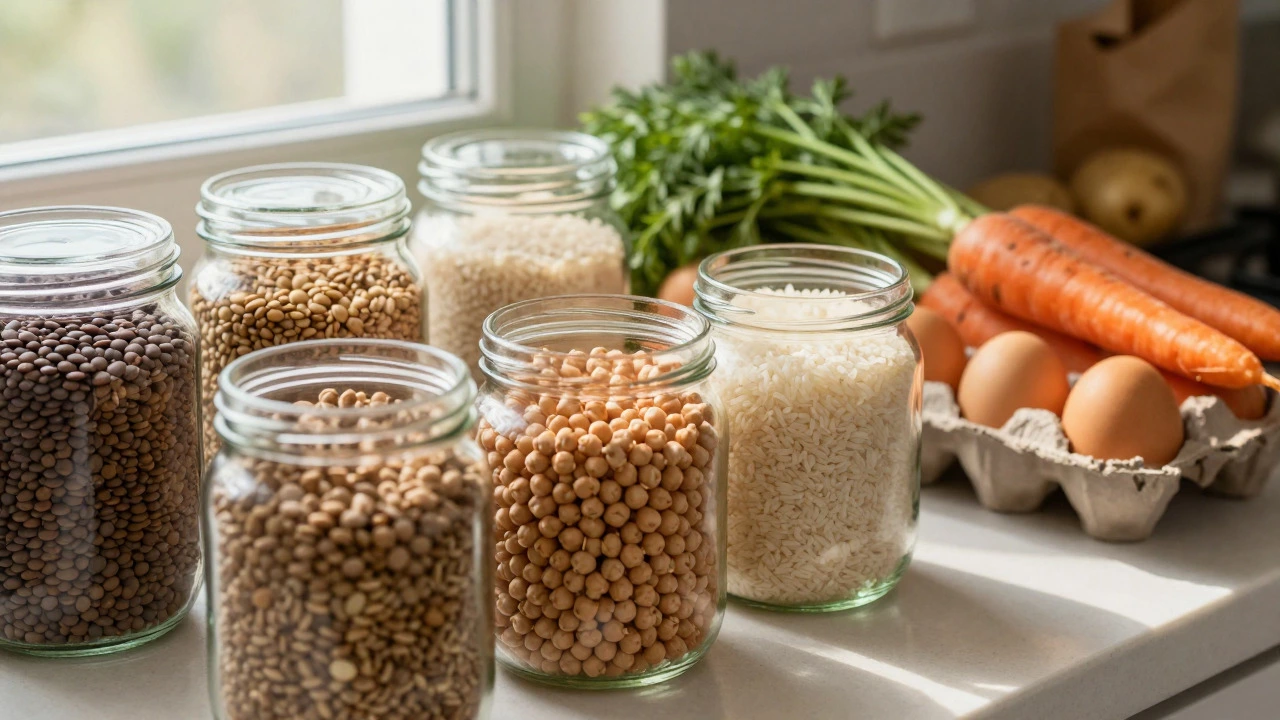
To eat well on a budget, you need a reliable foundation. Think of these items as the skeleton of your diet. They are inexpensive, shelf-stable, and versatile.
- Dried Beans and Lentils are among the cheapest sources of protein available in Australia, costing less than $1.50 per kg when bought in bulk. They provide fiber and protein, making them a perfect substitute for more expensive meats in soups and stews.
- Rice and Pasta are carbohydrate staples that fill bellies for very little money. A 5kg bag of white rice can last a family of four for several weeks if used as a side dish.
- Eggs are a complete protein source that can be prepared in dozens of ways, from breakfast scrambles to dinner frittatas. They are consistently one of the best value-for-money items in any supermarket.
- Seasonal Vegetables vary by region but generally include root vegetables like carrots, potatoes, and onions during winter months. Buying local produce ensures you get the best price and flavor.
When you build your menu around these four pillars, you create a safety net. Even if you run out of fresh meat or fish, you have enough base ingredients to put a nutritious meal on the table. This flexibility is crucial for managing unexpected expenses.
Mastering the Art of Batch Cooking
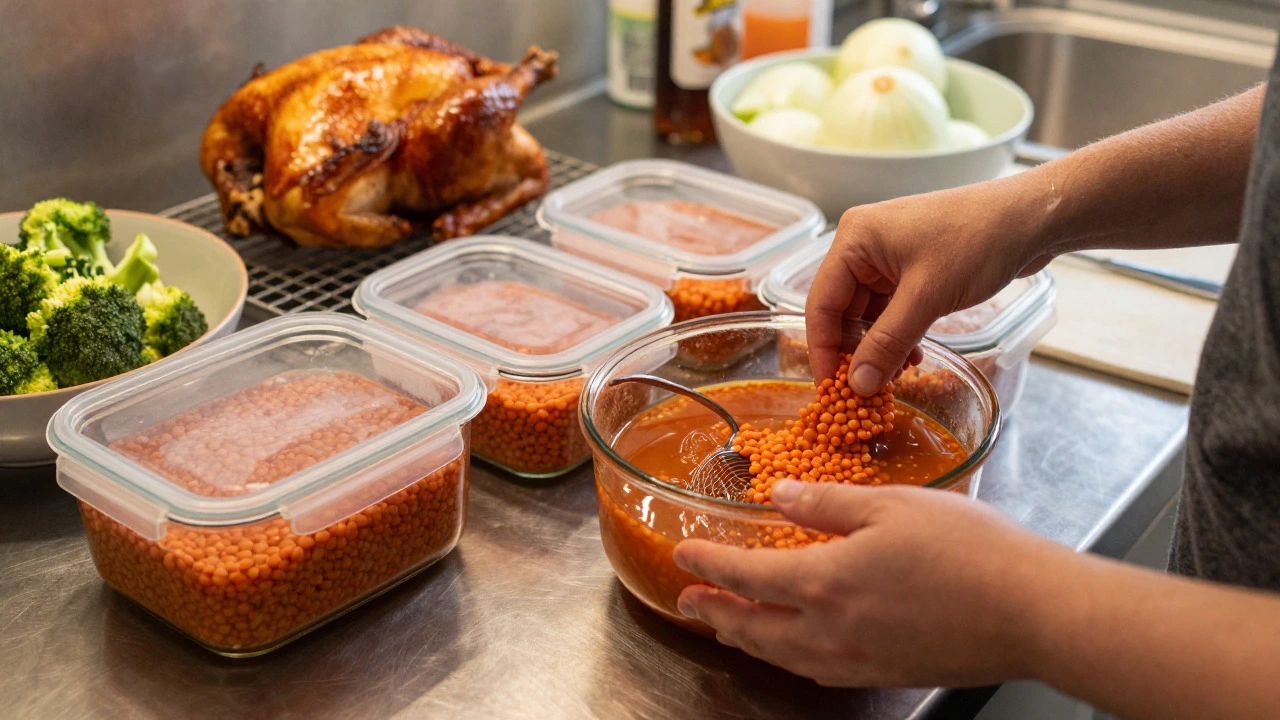
Batch cooking is where the magic happens. Instead of cooking a small portion of dinner every night, you cook large quantities on Sunday or Monday and store portions for the rest of the week. This approach has two major benefits: it saves gas/electricity costs because you’re running the oven or stove for longer periods at once, and it eliminates the daily decision fatigue that leads to ordering takeout.
Here’s a simple workflow for a busy week:
- Choose one main protein: For example, roast a whole chicken. Use the breast meat for sandwiches, the legs for a curry, and the carcass to make stock.
- Cook a large pot of grains: Prepare a big batch of rice or quinoa. Store it in the fridge in airtight containers. It stays fresh for up to five days.
- Prep vegetables in advance: Wash and chop carrots, broccoli, and peppers. Store them in separate containers so they’re ready to toss into a pan or add to a salad.
- Make a sauce base: Simmer a large pot of tomato sauce or lentil soup. Freeze half for later use. This becomes the base for pasta nights or quick lunches.
By doing this, your weekday evenings become assembly lines rather than full cooking sessions. You just heat up the components and plate them. Kids often prefer this consistency, and you get to spend more time with your family instead of standing over a hot stove.
Smart Shopping: How to Navigate the Supermarket
Shopping strategy matters as much as cooking technique. Walking into a store hungry is a recipe for disaster. Always shop with a list based on your planned meals. If you don’t have a plan, you’ll end up buying random items that sit in the fridge until they spoil.
Here are some specific tactics used by savvy shoppers in Australia:
- Check the unit price: Look at the price per kilogram or liter, not just the total price. A larger pack of oats might seem expensive upfront, but it’s often cheaper per serving than a small box.
- Buy store brands: In Australia, store brands (like Woolworths’ Everyday or Coles’ Select) are often made by the same manufacturers as name brands but cost 20-30% less. Taste-test them once; you might be surprised.
- Shop the ends of aisles: Canned goods, dried pasta, and frozen vegetables are usually located at the back or sides of the store. These items have long shelf lives and are significantly cheaper than fresh equivalents.
- Use loyalty cards wisely: Sign up for digital loyalty programs at your preferred supermarket. While discounts aren’t guaranteed, you’ll receive targeted offers based on your purchase history. Scan the app before you shop to see what’s on special.
Avoid the middle shelves. Retailers know that eye-level products sell better, so they place the most expensive items there. The cheaper alternatives are almost always on the bottom or top shelves.

Sample Weekly Menu: Low Cost, High Value
Let’s put theory into practice. Here is a sample menu for a family of four in Melbourne, designed to cost approximately $160-$180 for the week. Prices are estimates based on average supermarket rates in 2026.
| Day | Main Dish | Estimated Cost (AUD) | Key Ingredients |
|---|---|---|---|
| Monday | Chicken Curry with Rice | $18 | Chicken thighs, coconut milk, rice, spices |
| Tuesday | Lentil Soup & Bread | $12 | Dried lentils, carrots, celery, bread rolls |
| Wednesday | Vegetable Stir-fry with Tofu | $15 | Tofu, mixed veg, soy sauce, noodles |
| Thursday | Beef Bolognese Pasta | $22 | Mince beef, canned tomatoes, pasta, onion |
| Friday | Fish Cakes with Salad | $20 | Canned salmon/tuna, potato, eggs, lettuce |
| Saturday | Roast Chicken & Veggies | $25 | Whole chicken, potatoes, carrots, broccoli |
| Sunday | Leftover Chicken Sandwiches | $8 | Leftover chicken, bread, pickles, mayo |
Notice how Saturday’s roast chicken provides the protein for Sunday’s lunch. This overlap is key. You aren’t buying new ingredients for every single meal; you’re repurposing what you already have. The total for this week comes to roughly $120 in direct ingredient costs, leaving room for breakfast items, fruits, and dairy, bringing the total closer to the $160-$180 range when fully accounted for.
Reducing Food Waste: The Hidden Savings
Food waste is the silent killer of budgets. In Australia, the average household throws away significant amounts of edible food each year. If you buy fresh greens and they wilt before you use them, that money is gone. To combat this, adopt a "first in, first out" system in your fridge. Put older items at the front and newer ones at the back.
Also, embrace freezing. Most cooked meats, soups, and even some baked goods freeze well. If you cook a large batch of chili on Wednesday, freeze individual portions in ziplock bags. On a stressful Thursday evening, you just pull one out and microwave it. It tastes almost as good as fresh, and you’ve saved yourself the trouble and cost of buying new ingredients.
Keep a "use me up" container in the fridge. Throw in leftover scraps, random veggies, or bits of cheese. Once a week, turn this into a fried rice, omelet, or stir-fry. It’s a creative way to clear out the fridge and ensure nothing goes to waste.
FAQ
Is it cheaper to buy fresh or frozen vegetables?
Frozen vegetables are often cheaper and just as nutritious as fresh ones. They are picked at peak ripeness and flash-frozen, which preserves vitamins. For dishes like curries, soups, and stir-fries, frozen peas, corn, and mixed vegetables work perfectly and reduce prep time.
How do I get my kids to eat healthy budget meals?
Involve them in the process. Let them help wash vegetables or choose between two options for dinner. Make meals fun by shaping pasta into stars or creating a "build-your-own" pizza night with basic ingredients. Kids are more likely to eat food they helped prepare or recognize.
What are the most affordable proteins in Australia right now?
Eggs, dried lentils, chickpeas, and chicken thighs are currently among the most affordable protein sources. Canned tuna and salmon are also good options for quick meals. Beef mince can vary in price, so check weekly specials.
Should I shop at discount stores like Aldi or Lidl?
Yes, discount stores are excellent for staples like rice, pasta, canned goods, and cleaning supplies. Their private label brands are often comparable in quality to major supermarkets but at a lower price point. However, for fresh produce and meat, compare prices locally, as quality can vary.
How much time does meal prepping actually take?
Initially, it might take 2-3 hours on a weekend day. As you get used to the rhythm, it can drop to 1-2 hours. The time saved during the week (by not cooking from scratch every night) far outweighs the initial investment. Many families find that prepping together makes it feel less like work and more like a routine activity.