
Weekly Budget Meal Planner for 8
Adjust Prices
Modify the average base cost per person ($2.00) based on your local grocery prices.
Projected Weekly Menu
| Day | Meal Idea | Est. Cost/Person |
|---|---|---|
| Total Weekly Cost (8 People) | ||
Feeding eight people without emptying your wallet feels like a math problem you never signed up for. You’re staring at the grocery receipt, wondering how three kilos of chicken and a box of pasta cost more than your weekly coffee habit. But here’s the truth: eating well on a budget isn’t about deprivation. It’s about strategy.
In Melbourne, where food prices have crept up alongside rent, smart families are shifting from daily takeout to batch-cooked staples. The secret isn’t just buying cheap; it’s buying right. By focusing on high-volume, low-cost ingredients and minimizing waste, you can serve hearty, nutritious meals that satisfy everyone from picky kids to hungry teenagers.
Key Takeaways
- Base your meals on grains and legumes: Rice, lentils, and beans cost pennies per serving compared to meat.
- Buy in bulk and freeze: Purchase proteins and vegetables when they’re on sale, then portion them immediately.
- Embrace the "stretch" method: Use small amounts of expensive protein to flavor large volumes of cheap carbs.
- Plan around seasonal produce: Summer tomatoes and winter root vegetables are significantly cheaper and tastier.
- Cook once, eat twice: Double recipes to create leftovers that become lunch or a quick second dinner.
The Math Behind Feeding Eight
Before we talk recipes, let’s talk numbers. If you spend $50 a week on groceries for two people, you might assume eight people cost $200. They don’t. Bulk purchasing reduces the unit price. Cooking in larger quantities improves energy efficiency. And most importantly, planning reduces impulse buys.
A typical household of eight needs roughly 1.5 to 2 kilograms of protein sources, 3 to 4 kilograms of carbohydrates, and 4 to 5 kilograms of vegetables per day to feel full. That sounds like a lot, but if you break it down by ingredient cost, the picture changes. A kilogram of ground beef might cost $15, while a kilogram of dried lentils costs less than $3. Lentils provide similar protein and fiber for a fraction of the price.
The goal is to shift your pantry from being meat-centric to grain-and-legume-centric. This doesn’t mean going vegetarian. It means using meat as a flavor enhancer rather than the main event. Think of it as seasoning, not the star. This simple mindset shift can cut your grocery bill by nearly half.
Staple Ingredients That Save Money
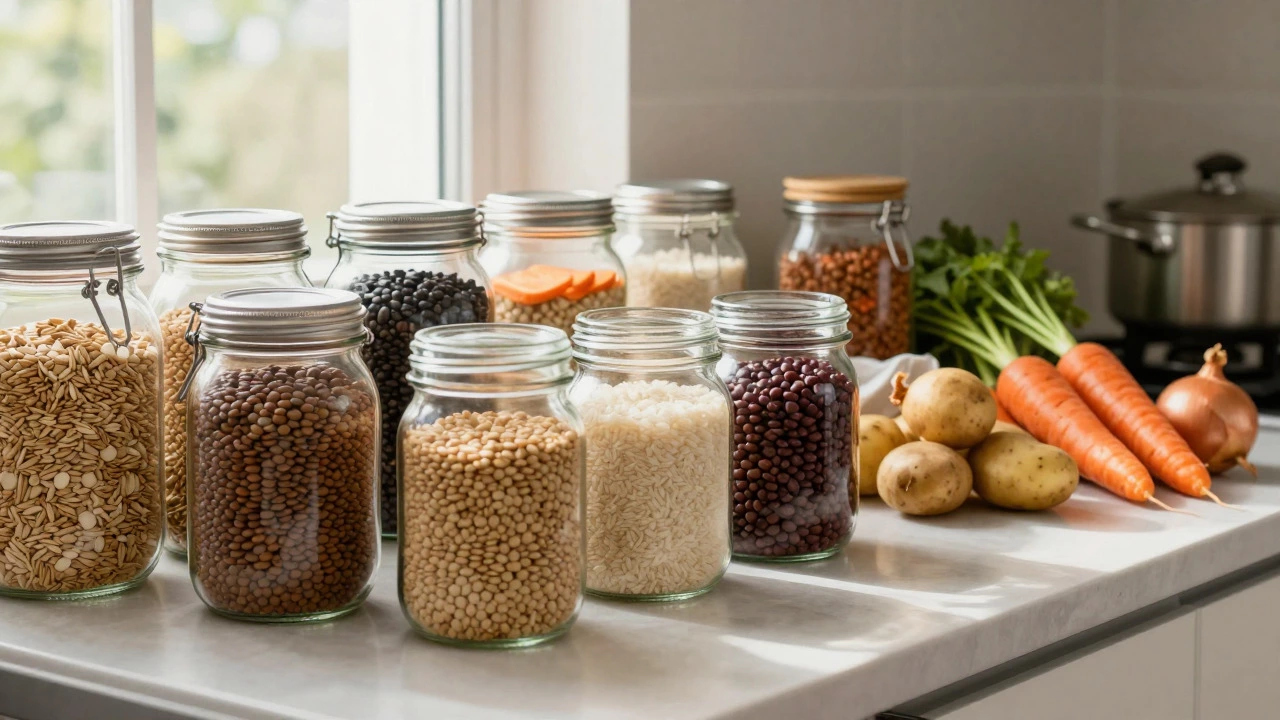
To feed a crowd cheaply, you need a reliable roster of low-cost heroes. These are the items that should always be in your cupboard or freezer. They form the backbone of almost every budget-friendly meal.
- Dried Lentils: Red, green, and brown lentils cook quickly, require no soaking, and are packed with protein and iron. They absorb flavors beautifully, making them perfect for curries, soups, and stews.
- Rice: Long-grain white rice or basmati is incredibly cheap per kilo. It stretches meals, soaks up sauces, and stores indefinitely. Brown rice offers more fiber but takes longer to cook.
- Potatoes: One of the most filling vegetables available. Buy them in 5kg bags. They roast, boil, mash, and fry. They are nature’s filler.
- Canned Beans: Chickpeas, kidney beans, and cannellini beans are ready to use. Rinse them to reduce sodium, and add them to salads, pastas, or casseroles for instant protein.
- Eggs: Often overlooked as a main dish, eggs are one of the cheapest complete proteins. Scrambled, boiled, or baked into frittatas, they fill bellies fast.
- Frozen Vegetables: Don’t fear frozen peas, corn, or mixed veggies. They are picked at peak ripeness and flash-frozen, retaining nutrients. They prevent waste because you only thaw what you need.
Keep these items stocked. When you open your fridge and see empty shelves, panic leads to expensive takeout. When you see a bag of rice and a tin of chickpeas, you see opportunity.
Meal Frameworks for Large Groups
Instead of searching for new recipes every night, build your menu around flexible frameworks. These structures allow you to swap ingredients based on what’s on sale or what’s already in the fridge.
1. The One-Pot Wonder
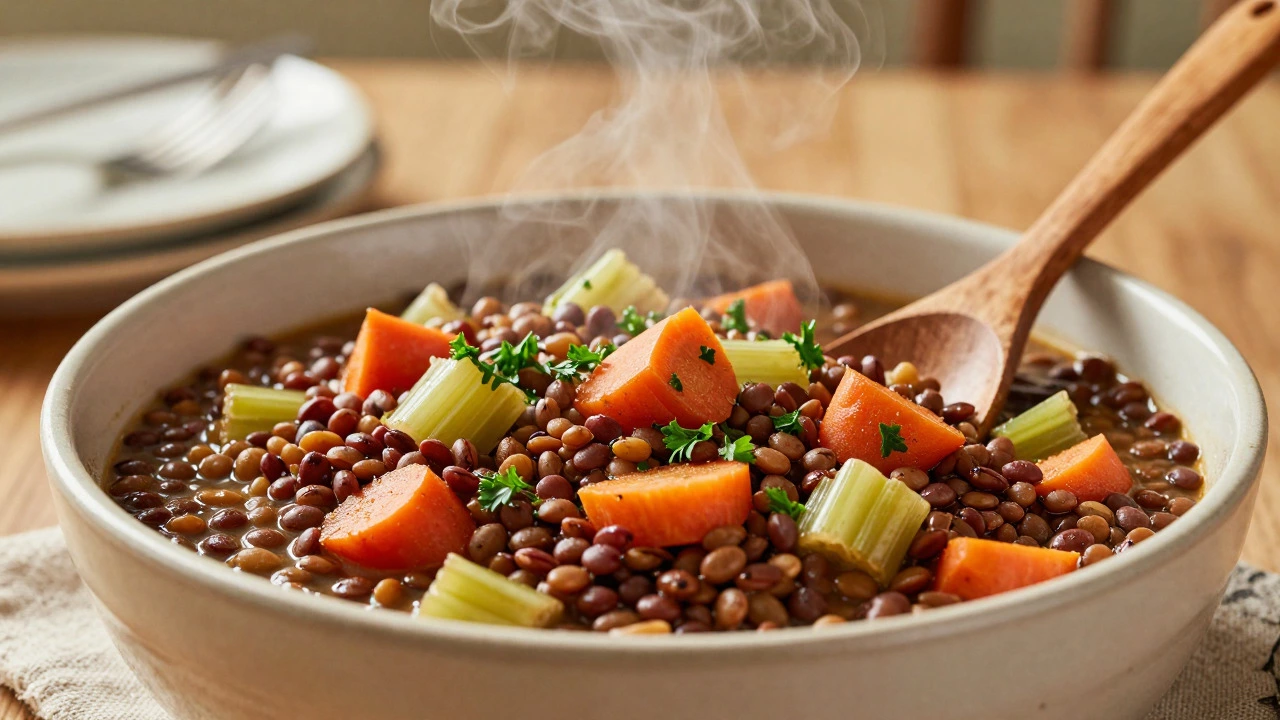
One-pot meals are the king of budget cooking. They minimize cleanup and maximize flavor infusion. Think risottos, jambalayas, or thick stews. Start with a base of onions, garlic, and carrots (the mirepoix). Add a cheap protein like ground turkey or lentils. Pour in broth or water. Toss in a handful of rice or pasta. Simmer until done. The result is a cohesive, comforting meal that feeds eight easily.
2. Sheet Pan Dinners
Preheat your oven to 200°C. Chop potatoes, carrots, and broccoli into uniform chunks. Toss them with oil, salt, pepper, and paprika. Spread them out on two large baking sheets. In the last 20 minutes, add pre-cooked sausages or chicken thighs. Roast everything together. The vegetables caramelize, the meat crisps up, and you have a balanced plate with minimal effort.
3. Pasta with a Twist
Pasta is cheap, but plain pasta is boring. Elevate it by mixing in canned tuna, spinach, and white beans. Or make a creamy sauce using blended cashews or silken tofu instead of heavy cream. Add frozen peas at the end for color and texture. Serve with crusty bread to soak up the sauce. This meal comes together in 20 minutes and costs under $2 per person.
4. Breakfast for Dinner
Who says dinner has to be savory? A massive skillet of scrambled eggs with diced ham, cheese, and spinach is a crowd-pleaser. Serve it with toast and fruit. It’s quick, cheap, and often welcomed by kids who are tired of another stew.
Sample Weekly Menu for Eight
Here is a realistic seven-day plan that keeps costs low and variety high. Adjust portions based on appetites, but this structure works for most households.
| Day | Meal Idea | Key Ingredients | Estimated Cost Per Person |
|---|---|---|---|
| Monday | Lentil Bolognese over Spaghetti | Dried red lentils, canned tomatoes, onion, garlic, spaghetti | $1.50 |
| Tuesday | Chicken & Vegetable Stir-Fry with Rice | Chicken thighs, frozen stir-fry mix, soy sauce, rice | $2.00 |
| Wednesday | Bean & Cheese Quesadillas with Salad | Black beans, tortillas, cheddar cheese, lettuce, tomato | $1.80 |
| Thursday | Leftover Stir-Fry Fried Rice | Leftover rice, leftover veggies, eggs, soy sauce | $0.50 |
| Friday | Homemade Pizza Night | Pizza dough (or pita), tomato sauce, mozzarella, toppings | $2.50 |
| Saturday | Shepherd’s Pie (Ground Beef/Lentil Mix) | Ground beef/lentils, mashed potatoes, carrots, peas | $2.20 |
| Sunday | Roast Chicken with Root Vegetables | Whole chicken, potatoes, carrots, onions | $3.00 |
Notice the Thursday meal? It uses leftovers. Planning for "leftover nights" prevents food waste and saves money. Also, Sunday’s roast chicken provides bones for stock and leftover meat for sandwiches later in the week.
Shopping Strategies That Cut Costs
Where you shop matters as much as what you buy. In Australia, discount supermarkets like Aldi and Woolworths’ own-brand lines offer significant savings compared to premium brands. Don’t be loyal to labels; be loyal to value.
Always check the "reduced to clear" section in the evening. Meat, dairy, and bakery items are often marked down by 50% or more. If you can freeze them immediately, you’ve just saved serious cash. Freeze bread before it goes stale. Freeze meat in flat bags for easy thawing.
Avoid shopping when hungry. It sounds cliché, but it’s true. Hunger drives impulse purchases of snacks and convenience foods that are expensive and unhealthy. Stick to a list. If it’s not on the list, it doesn’t go in the cart.
Consider joining a local buying group or community garden share. Some neighborhoods organize bulk buys for rice, flour, or seasonal produce. Splitting a 10kg bag of rice with neighbors cuts the price further and builds community ties.
Minimizing Waste: The Hidden Savings
Food waste is money thrown away. According to recent studies, Australian households throw away thousands of dollars worth of food annually. To stop this, practice "first in, first out." Move older items to the front of the fridge. Label leftovers with dates.
Use vegetable scraps to make stock. Save onion skins, carrot tops, celery ends, and mushroom stems in a freezer bag. Once full, simmer them in water for an hour, strain, and freeze the broth. Free homemade stock replaces expensive boxed versions and adds depth to soups and stews.
Repurpose leftovers creatively. Cold roasted chicken becomes salad topping. Leftover rice becomes fried rice or porridge. Stale bread becomes croutons or breadcrumbs. Creativity in the kitchen is a financial skill.
Pro Tips for Busy Parents
Life gets busy. When you’re exhausted after work, cooking for eight feels impossible. Here’s how to stay sane:
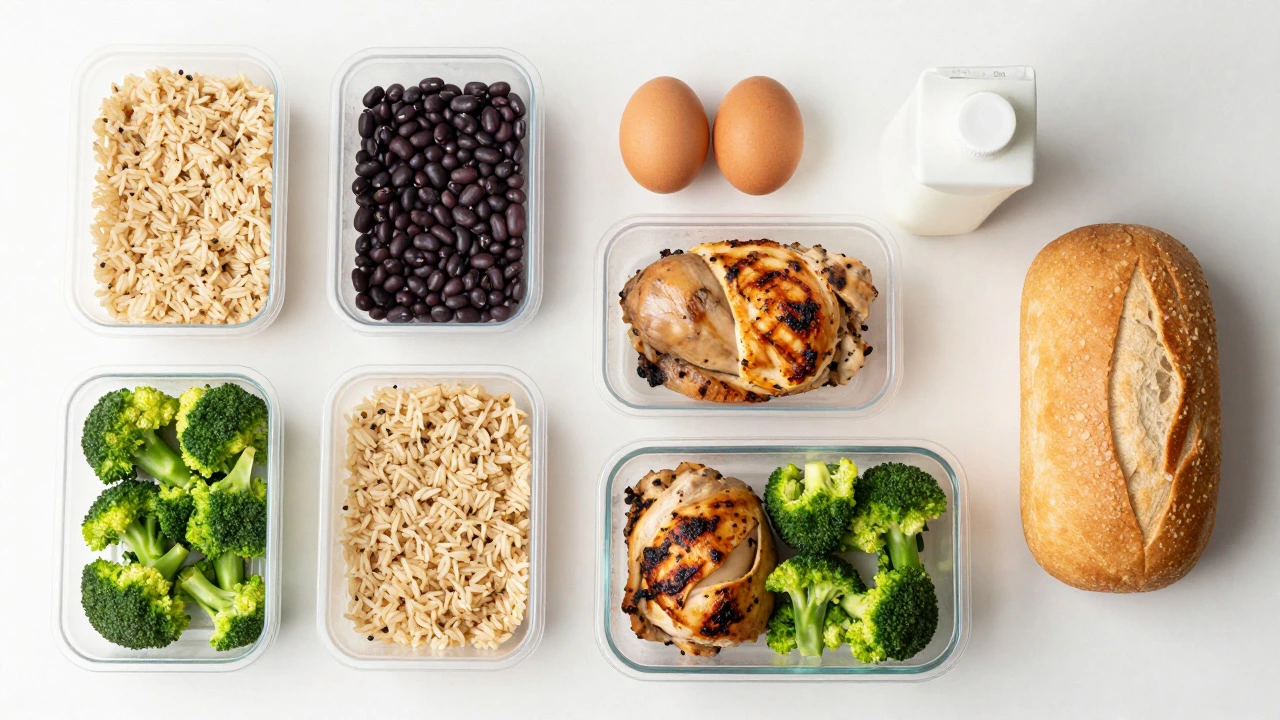
- Batch Cook on Sundays: Spend two hours cooking large batches of rice, beans, and roasting vegetables. Store them in containers. During the week, assemble meals in minutes.
- Involve the Kids: Teach older children to chop vegetables or set the table. It lightens your load and teaches them valuable life skills.
- Keep Simple Snacks Available: Fruit, yogurt, and nuts prevent hunger-induced meltdowns before dinner.
- Use Slow Cookers: Dump ingredients in the morning, come home to a ready meal. It’s effortless and tenderizes cheaper cuts of meat.
Common Pitfalls to Avoid
Even with good intentions, budget cooking can fail. Watch out for these traps:
Buying too much fresh produce: Fresh berries and leafy greens spoil quickly. Buy only what you’ll eat in three days. For the rest, rely on frozen or canned options.
Ignoring portion sizes: Over-serving leads to waste. Start with smaller portions and allow seconds. Most people eat more than they need when served large plates.
Under-seasoning: Cheap ingredients need love. Salt, pepper, garlic powder, cumin, and chili flakes transform bland rice and beans into exciting meals. Invest in a good spice rack; it pays for itself.
Is it healthy to eat mostly beans and rice?
Yes, as long as you vary your sources. Beans and rice together form a complete protein. Add colorful vegetables for vitamins and minerals. Rotate between different types of beans (chickpeas, black beans, lentils) and grains (quinoa, barley, oats) to ensure a broad nutrient intake. Include some healthy fats like olive oil or avocado.
How do I get my family to eat cheap meals?
Focus on flavor, not frugality. Use spices, herbs, and sauces to make dishes exciting. Involve your family in choosing recipes from a budget list. Present meals attractively. Children are more likely to try food if they helped prepare it or if it looks appealing.
What is the cheapest protein source?
Dried lentils and split peas are among the cheapest protein sources, costing less than $1 per serving. Eggs and canned tuna are also very affordable animal proteins. Ground chicken or pork mince is usually cheaper than beef or lamb.
Can I freeze cooked meals for later?
Absolutely. Most stews, curries, soups, and casseroles freeze well. Cool them completely before storing in airtight containers. Label with the date and consume within three months. Thaw in the fridge overnight before reheating.
How much should I spend on groceries for 8 people?
It varies by location and dietary preferences, but a realistic budget is $15-$25 per person per week. For eight people, that’s $120-$200 weekly. With strict planning and bulk buying, you can aim for the lower end. Focus on whole foods and minimize processed items.