
Vegan Ingredient Checker
How to use: Select an ingredient you found on a food label to see its origin and a plant-based alternative.
Ingredient Name
Animal Source:
Source details go here.
Vegan Alternative:
Alternative details go here.
The goal here isn't to make you paranoid about every bite, but to help you spot the sneaky stuff. Whether you're transitioning to a vegan diet or just trying to cut back on animal products, knowing what's hiding in your pantry is a game changer. We're talking about ingredients that sound like chemicals or plants but are actually derived from animals. Let's clear up the confusion so you can shop with confidence.
Key Takeaways for Plant-Based Shopping
- Sugar can be processed using bone char.
- Gelatin is hidden in gummy candies and marshmallows.
- L-Cysteine is often found in commercial breads.
- Carmine is a red dye made from crushed insects.
- Casein is a milk protein used in non-dairy creamers.
The Sweet Deception: Sugar and Confectionery
You'd think sugar is just a plant product, but that's not always the case. In some regions, Sugar is a sweetener derived from cane or beets that may be filtered through bone char during refining. Bone char consists of charred animal bones used to bleach the sugar to a bright white color. While the bones aren't "in" the sugar, the process involves animal remains, which is a deal-breaker for strict vegans. If you see "organic" or "unrefined" sugar, you're usually safe since those processes typically avoid bone char.
Then there's the world of candy. If it's chewy or bouncy, be careful. Gelatin is a protein obtained by boiling skin, tendons, ligaments, and bones of cows or pigs. It's the secret to the texture in gummy bears, marshmallows, and some types of yogurt. If a label says "gelatin," it's definitely not vegan. Look for pectin or agar-agar instead-these are plant-based thickeners that do the same job without the animal byproduct.
The Bakery Sneak-Attack: Breads and Pastries
Walking into a bakery usually feels safe if you're looking for a plain sourdough, but processed loaves are a different story. Have you ever seen L-Cysteine on a label? It sounds like a harmless amino acid, and technically it is. However, in the commercial baking world, it's often sourced from hydrolyzed human hair or duck feathers to make the dough easier to process and the bread softer. It's a disturbing thought, but it's why choosing artisanal breads or checking for "vegan certified" stamps matters.
Don't forget about the glazes. Many shiny pastries use an egg wash to get that golden-brown look. Even some "vegetarian" options in bakeries use eggs in the dough for richness. If you're unsure, ask if the bread uses lard (pig fat) for shortening. Some traditional sourdoughs are fine, but enriched breads like brioche are basically egg and butter bombs.
The Color Trap: Red and Orange Dyes
Ever wonder why some candies or juices have an incredibly vibrant red color? It might be Carmine (also listed as Cochineal or E120). Carmine is a red pigment extracted from the crushed bodies of female cochineal insects. It's used in everything from strawberry-flavored snacks to some types of lipsticks. It's a natural dye, yes, but certainly not a plant-based one. If you see "natural red 4" on a label, put it back.
Another one to watch for is Shellac (E904). This is used to give a glossy finish to chocolates and some fruits. Shellac is a resin secreted by the female lac bug on trees in India and Thailand. It's essentially insect spit. While it's not as common as carmine, it's still out there in the confectionery aisle.

The "Non-Dairy" Paradox: Creamers and Substitutes
This is where things get really tricky. You buy a "non-dairy" creamer because you're avoiding milk, but the label lists Casein. Casein is a phosphoprotein found in cow's milk. Many companies use it to give non-dairy creamers a creamy texture and a milky taste. Just because a product says "non-dairy" doesn't mean it's vegan; it often just means it doesn't contain lactose or traditional liquid milk.
Similarly, keep an eye out for whey. Like casein, whey is a byproduct of cheese production. It's frequently found in "healthy" protein bars and processed snacks. If you see whey or casein, you're looking at a dairy product, regardless of how the marketing describes it.
| Ingredient Name | Animal Source | Commonly Found In | Vegan Alternative |
|---|---|---|---|
| Gelatin | Cows/Pigs | Gummies, Marshmallows | Agar-Agar, Pectin |
| Carmine | Insects | Red Candies, Yogurt | Beet Juice, Annatto |
| L-Cysteine | Duck/Hair | Processed Breads | Cornstarch/Natural Flour |
| Casein | Cow's Milk | Non-dairy Creamers | Oat or Almond Milk |
| Shellac | Insects | Glazed Chocolate | Carnauba Wax |
Savory Secrets: Sauces and Snacks
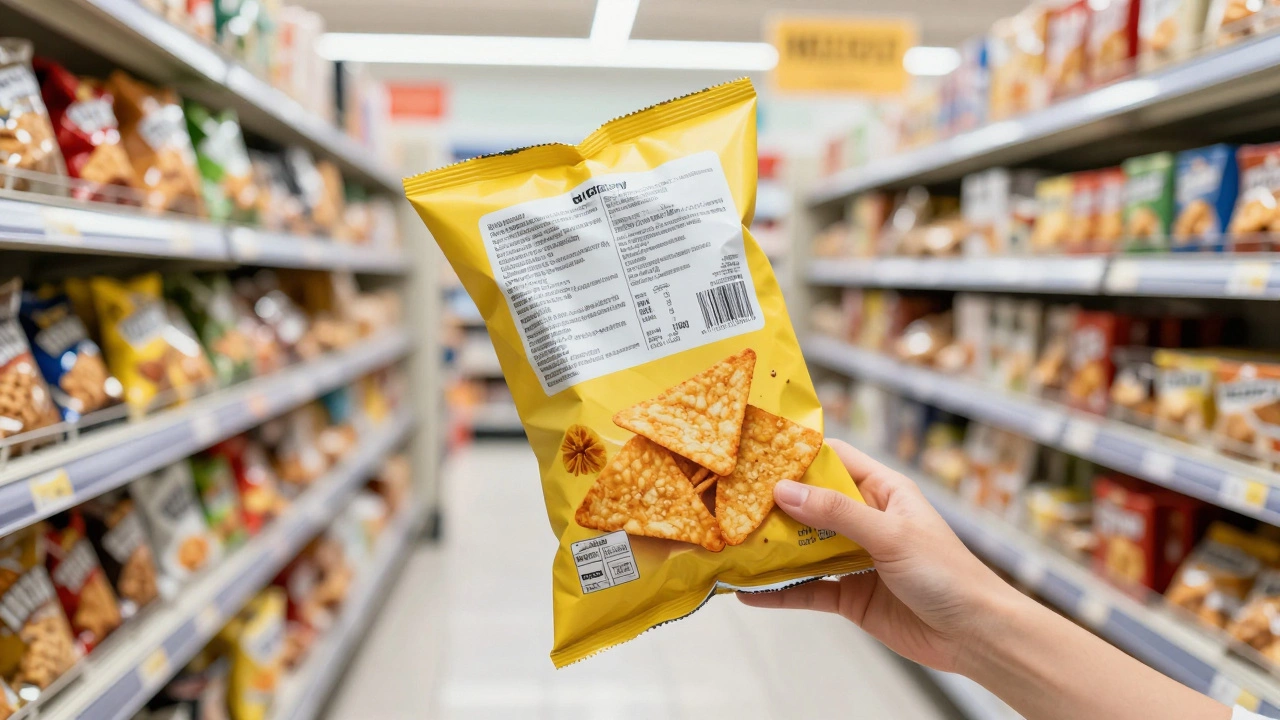
Think your favorite salty snacks are safe? Check the chips. Some corn chips use tallow (beef fat) for frying instead of vegetable oil. While most big brands have moved toward seed oils, local or "traditional" recipes might still use animal fats for that specific savory flavor.
Then there's the world of sauces. Worcestershire sauce is a classic example. Most traditional versions are made with anchovies. If you're a vegetarian or vegan, that salty, umami kick usually comes from fish. Look for "vegan Worcestershire" which uses soy or mushrooms to mimic that depth. Similarly, be cautious with Caesar dressing-the traditional recipe relies heavily on anchovy paste and egg yolks.
Even some "vegetable" broths can be tricky. Some brands use animal-derived flavor enhancers or stabilizers. Always look for the surprisingly not vegan red flags on the ingredient list. If the label says "natural flavors," it's a bit of a gamble. While most natural flavors in savory products are plant-based, the term is broad enough to include animal derivatives in some jurisdictions.

How to Master the Label Game
You don't need a chemistry degree to eat vegan, but you do need a system. First, look for the "V-Label" or a certified vegan logo. These organizations do the legwork for you, ensuring that not only the ingredients but the processing methods are animal-free.
Second, scan for "trigger words." If you see words ending in "-ose" (like lactose) or starting with "case-," it's usually a sign of dairy. If you see "albumin," that's an egg protein. When in doubt, use a scanning app or simply stick to whole foods-fruits, vegetables, nuts, and grains rarely have hidden animal ingredients.
Third, don't be afraid to ask. If you're at a restaurant, ask specifically about the frying oil or the bread glaze. A quick "Is this fried in vegetable oil?" can save you from accidentally eating lard. Most chefs are happy to tell you what's in their food, especially as plant-based eating becomes more mainstream.
Is all white sugar non-vegan?
Not all of it. It depends on the refining process. Many organic sugars and sugars produced in countries like Brazil or India don't use bone char. In the US, a lot of conventional white sugar is processed with bone char. Choosing organic or coconut sugar is the safest bet.
What is the difference between vegetarian and vegan labels?
Vegetarian labels mean no meat, but the product can still contain dairy, eggs, and honey. Vegan labels mean no animal products at all, including honey and additives like gelatin or carmine.
Are all "non-dairy" products vegan?
No. "Non-dairy" is often a regulatory term meaning it doesn't contain lactose or liquid milk. However, it can still contain casein or whey, which are milk proteins. Always check the ingredients for these specific proteins.
Can I eat gummy candies if they use pectin?
Yes! Pectin is derived from citrus fruits and is a great vegan alternative to gelatin. Just double-check that there aren't other animal-based dyes like carmine in the candy.
Is honey considered vegan?
Strictly speaking, no. Honey is produced by bees, and since it is an animal byproduct, most vegans avoid it. Many people use maple syrup, agave nectar, or date syrup as a direct replacement.
Next Steps for the Plant-Based Curious
If you've just discovered a few things in your pantry aren't vegan, don't panic. The easiest way to move forward is to start a "safe list." Every time you find a brand of chips, bread, or chocolate that is truly plant-based, write it down. Over time, your shopping trip becomes faster because you know exactly which brands to trust.
For those who find label reading overwhelming, try focusing on the perimeter of the grocery store. The produce section is a vegan paradise. By building your meals around whole plants and using processed items only as accents, you naturally reduce your exposure to hidden animal additives. If you're eating at a restaurant and the menu is vague, ask for the simplest version of a dish-grilled veggies and grains-and customize from there.