
Gentle Stomach Lunch Builder
Select your current stomach condition and dietary preference to generate a recommended gentle lunch plan.
Select options and click "Generate" to see your personalized lunch recommendation.
You’re sitting at your desk, trying to focus on a spreadsheet, but your stomach is doing somersaults. Maybe it’s stress, maybe it’s something you ate yesterday, or maybe it’s just one of those days where your gut decides to stage a protest. The last thing you want is a heavy, greasy burger that will make things worse. You need food that actually helps, not hurts.
Finding gentle foods isn’t about eating flavorless cardboard. It’s about choosing ingredients that are easy to digest, low in fiber and fat, and soothing to the lining of your stomach. Whether you’re dealing with gastritis, IBS flare-ups, or just a general feeling of queasiness, knowing what to eat can turn a miserable afternoon into a manageable one. Let’s look at what actually works, why it works, and how to put together a quick lunch without spending hours in the kitchen.
Understanding What Makes Food "Gentle"
Before we hit the fridge, let’s get clear on what “gentle” means biologically. Your stomach produces acid to break down food. When it’s irritated, complex foods require more work-more acid, more enzymes, more mechanical churning. This extra effort triggers pain or nausea.
Gentle foods share three specific attributes:
- Low Fat: Fat slows down gastric emptying. If your stomach is already sluggish or inflamed, high-fat meals sit there longer, causing bloating and discomfort.
- Low Fiber (Soluble Preferred): Insoluble fiber (like raw kale skins) acts like sandpaper on an irritated gut. Soluble fiber (like oatmeal) absorbs water and forms a gel, which is soothing.
- Mild Acidity & Spiciness: Capsaicin from chili peppers and citric acid from lemons can trigger nerve endings in the gut lining. Avoiding these reduces immediate irritation.
This doesn’t mean you have to starve. It means selecting foods that pass through your system with minimal friction. Think of it as putting your digestive tract on a short vacation.
The BRAT Diet and Its Modern Evolution
You’ve probably heard of the BRAT diet: Bananas, Rice, Applesauce, Toast. For decades, doctors recommended this for anyone with diarrhea or vomiting. While it’s still useful for the first 24 hours of acute illness, nutritionists now agree it’s too restrictive for long-term use because it lacks protein and essential nutrients.
A better approach is the Bland Diet, which expands on BRAT by adding lean proteins and cooked vegetables. This ensures you keep your energy up while your stomach heals. The goal is nutrient density without digestive burden.
| Food Category | Digestive Ease | Why It Helps/Hurts | Best Choice for Lunch |
|---|---|---|---|
| Grains | High Ease | White rice and white bread are pre-processed, removing tough fibers. | White rice porridge or sourdough toast |
| Proteins | Moderate Ease | Lean meats require less enzymatic breakdown than fatty cuts. | Poached chicken breast or steamed cod |
| Vegetables | Variable | Raw veggies cause gas; cooked ones are easier to break down. | Steamed carrots or zucchini |
| Fruits | Variable | Acidic fruits irritate; ripe bananas soothe. | Banana or stewed apples |
| Dairy | Low Ease | Lactose can be hard to digest during inflammation. | Small amount of yogurt or skip entirely |
Top Gentle Lunch Options That Actually Taste Good
Let’s move to the practical stuff. Here are five lunch combinations that are kind to your gut but won’t leave you wanting for flavor. These are designed for a standard office environment where you might only have access to a microwave or a kettle.
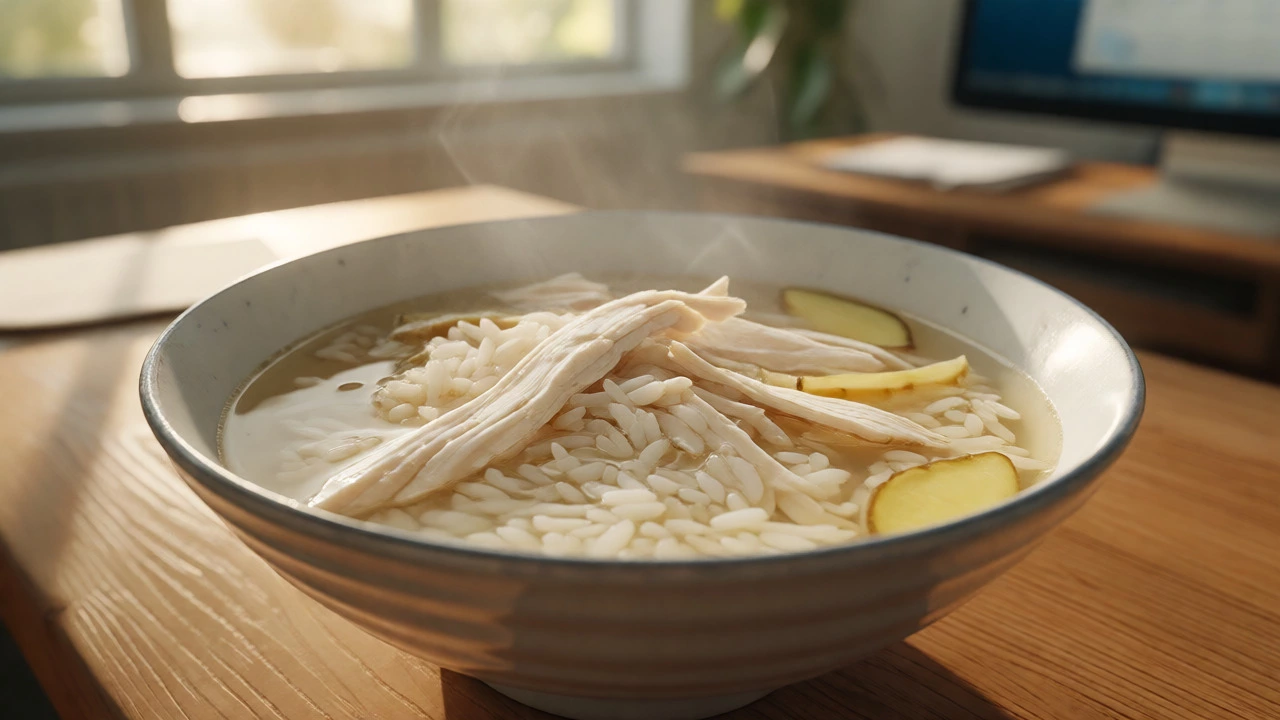
1. Chicken and Rice Soup (The Classic)
Broth-based soups are hydrating and warm, which relaxes gut muscles. Use homemade or low-sodium store-bought broth. Add shredded poached chicken breast-it’s pure protein with almost no connective tissue to chew through. Stir in well-cooked white rice. The starch helps bind loose stools if that’s an issue. Avoid adding cream or heavy spices. A pinch of ginger is excellent here; ginger has proven anti-nausea properties and stimulates digestion without irritating the lining.
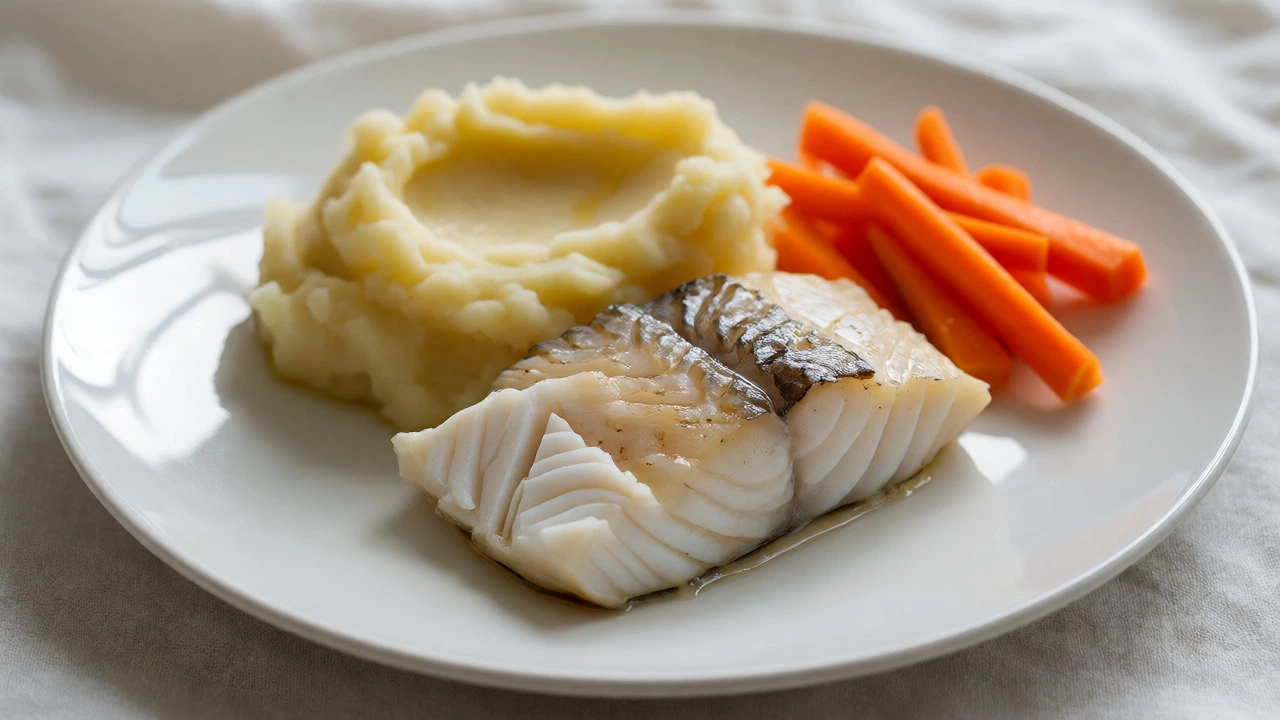
2. Poached Fish with Mashed Potatoes
White fish like cod, tilapia, or haddock is incredibly lean. Poaching it in water or mild stock keeps it moist without added fats. Pair it with mashed potatoes made with a splash of olive oil instead of butter. Butter contains dairy fat, which can be tricky. Olive oil is gentler. Skin-on potatoes? Skip them. Peel them. The skin is insoluble fiber and can be rough on an angry stomach.
3. Oatmeal with Banana and Honey
Who says lunch has to be savory? If you’re having a bad morning, a bowl of plain rolled oats cooked with water is soothing. Oats contain beta-glucan, a soluble fiber that coats the stomach lining. Top with a ripe banana (rich in potassium, which you lose if you’ve been vomiting) and a teaspoon of honey. Honey has natural antibacterial properties and adds sweetness without the acidity of fruit juice.
4. Plain Turkey Sandwich on Sourdough
Sourdough is fermented, meaning the gluten structure is partially broken down before you even eat it. This makes it easier to digest than regular wheat bread. Fill it with thin slices of roasted turkey breast. Avoid mayo; it’s high in fat and often contains additives. Use a little mustard (if you tolerate vinegar) or just salt and pepper. Add a slice of avocado if you can handle healthy fats-avocado is soft and nutrient-dense, but start with a small amount.
5. Steamed Veggie Wrap with Hummus
If you’re vegetarian, a whole-wheat tortilla might be too fibrous. Try a spinach wrap or a corn tortilla. Fill it with steamed zucchini, carrots, and a smear of hummus. Chickpeas are generally well-tolerated when blended smooth into hummus, unlike whole chickpeas which can cause gas. Ensure the veggies are thoroughly cooked, not crunchy.
Foods to Avoid When Your Stomach Is Angry
Knowing what to avoid is just as critical as knowing what to eat. Even healthy foods can be problematic during a flare-up.
- Coffee: Caffeine increases stomach acid production. If you must have coffee, opt for decaf or switch to herbal tea like chamomile or peppermint (unless you have GERD, as mint can relax the esophageal sphincter).
- Carbonated Drinks: Soda and sparkling water introduce gas into the stomach, leading to bloating and pressure pain.
- Spicy Foods: Chili powder, hot sauce, and curries stimulate TRPV1 receptors in the gut, signaling pain.
- High-Fiber Raw Salads: Kale, broccoli, and cauliflower are cruciferous and produce significant gas during digestion. Cook them if you eat them.
- Fried Foods: Anything deep-fried is a bomb for a sensitive stomach. The combination of heat-treated oils and high fat content delays emptying and causes reflux.
How to Prep These Meals Quickly
You don’t need to cook from scratch every day. Batch cooking is your friend. On Sunday, boil four chicken breasts and cook a large pot of white rice. Store them separately. Each morning, grab a portion, add some broth, and microwave it. Done in five minutes.
For fish, buy pre-portioned frozen fillets. They thaw quickly under cold water and steam in the microwave in three minutes. Keep a bag of peeled, chopped carrots and zucchini in the freezer. Steam them alongside the fish. No chopping required.
Prepping bananas is easy: peel them ahead of time, slice them, and store them in an airtight container with a squeeze of lemon to prevent browning. Or just buy them daily-they’re cheap and ready to go.
When to See a Doctor
Most stomach upsets resolve within a few days with dietary adjustments. However, persistent symptoms need professional attention. See a doctor if you experience:
- Blood in your stool or vomit.
- Unexplained weight loss.
- Difficulty swallowing.
- Severe abdominal pain that doesn’t improve after eating gentle foods.
- Symptoms lasting more than two weeks despite dietary changes.
It could be something simple like lactose intolerance, or it could be H. pylori infection or celiac disease. Self-diagnosis has limits. Listen to your body, but also listen to medical advice if things don’t improve.
Final Thoughts on Eating Kindly
Eating gently isn’t punishment. It’s maintenance. Think of your stomach like a car engine. Sometimes it needs premium fuel; other times, it just needs clean, simple fuel to run smoothly. By choosing foods that require minimal processing by your body, you give your system a chance to repair itself. Start with one of the lunches above today. Notice how you feel an hour later. Adjust based on your personal tolerance. Everyone’s gut is different, but the principles of low fat, low spice, and easy digestion remain universal.
Is milk good for an upset stomach?
Generally, no. Milk contains lactose, which many adults struggle to digest, especially when their gut is inflamed. It can cause bloating and cramps. If you crave dairy, try a small amount of plain yogurt with live cultures, as the bacteria help break down the lactose for you.
Can I eat eggs when my stomach is upset?
Yes, eggs are an excellent source of easily digestible protein. However, preparation matters. Scrambled or boiled eggs are fine. Fried eggs in lots of butter or oil may be too heavy. Stick to non-stick pans with a tiny spray of oil or cook them in water.
Why does ginger help with nausea?
Ginger contains compounds called gingerols and shogaols. These accelerate gastric emptying, moving food out of the stomach faster so it doesn’t sit and cause nausea. It also has anti-inflammatory effects that soothe the gut lining. Ginger tea or fresh grated ginger in soup is most effective.
Are crackers better than bread?
Saltine crackers are often recommended because they are bland and absorb stomach acid. However, they are highly processed and lack nutritional value. White bread or sourdough toast provides similar ease of digestion but offers slightly more nutrients and satiety. Choose whichever feels gentler to you personally.
How long should I stay on a bland diet?
Typically, 24 to 48 hours is enough for acute issues like food poisoning. For chronic conditions like IBS, you might rotate gentle foods with regular ones. Don’t stay on a strict bland diet for more than a week unless advised by a doctor, as you risk nutrient deficiencies.