
Gluten-Free Banana Checker
Select a scenario below to see if it is safe for a strict gluten-free diet. Bananas themselves are naturally gluten-free, but processing and additives can introduce risk.
Note: Always wash fresh fruit before peeling to remove surface dust. Check labels on processed foods for "wheat," "barley," "rye," or "malt."
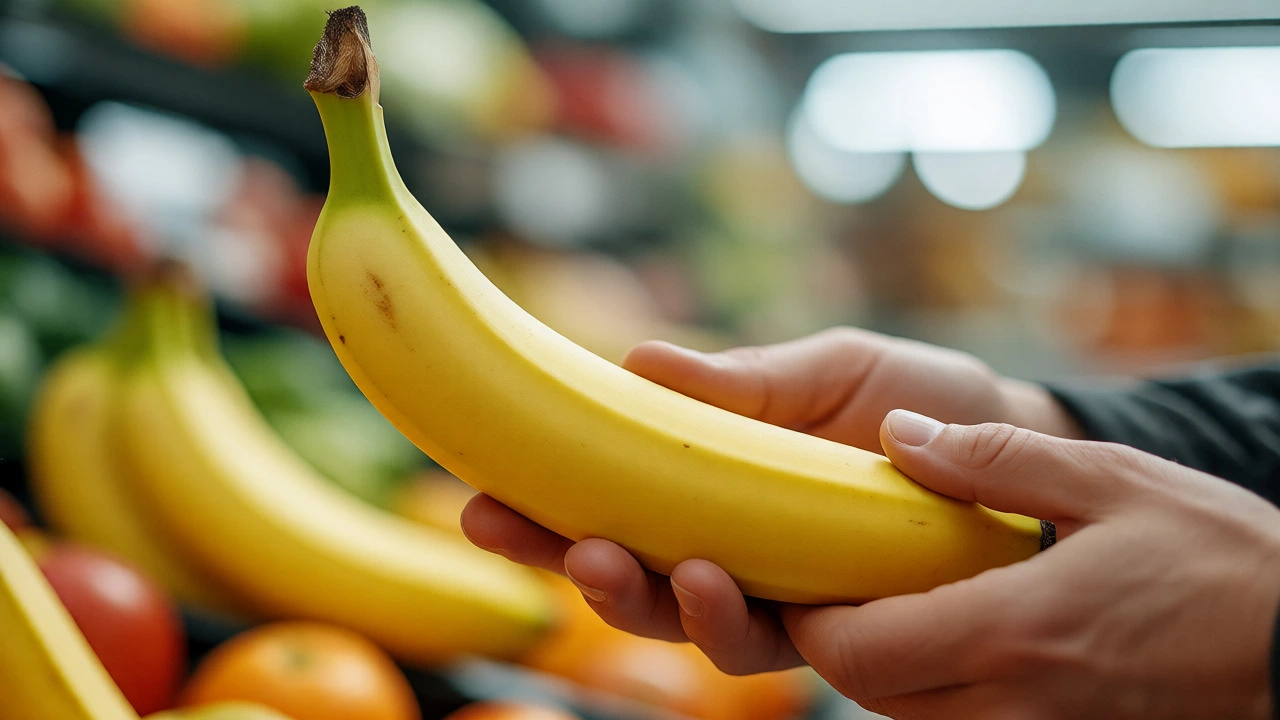
You’re standing in the produce aisle, staring at a bunch of yellow bananas. Maybe you’ve just been diagnosed with coeliac disease, or perhaps you’re trying out a gluten-free lifestyle for better digestion. A sudden panic hits: is this innocent-looking fruit secretly packing gluten? You check the label-there isn’t one. You look around for other shoppers who might know. The answer is simpler than you think, but there are hidden traps you need to watch out for.
The Short Answer: No, Bananas Are Naturally Gluten-Free
Bananas are a naturally gluten-free fruit that contains no wheat, barley, rye, or triticale proteins. If you eat a raw banana straight from the peel, you are consuming zero grams of gluten. This makes them one of the safest and most convenient snacks available for anyone managing coeliac disease or non-coeliac gluten sensitivity.
Why do people even ask this question? It’s not paranoia; it’s caution. Gluten is a protein found in specific grains. Fruits, vegetables, meat, dairy, and legumes don’t contain gluten because they aren’t grains. However, the confusion usually stems from processed banana products or cross-contamination risks. Let’s break down exactly where the risk lies so you can eat without anxiety.
Understanding Gluten and Why Fruit Is Safe
To understand why bananas are safe, you have to know what gluten actually is. Gluten is a composite storage protein formed during dough mixing, composed primarily of gliadin and glutenin. It acts like a glue, giving bread its elasticity and chewiness.
Fruit doesn’t have these proteins. Bananas are made up of water, carbohydrates (sugars and starch), fiber, vitamins, and minerals. There is no biological mechanism for a banana to produce gluten. So, if you slice a banana onto your morning oats (assuming the oats are certified gluten-free), you aren’t adding any gluten via the fruit.
However, knowing the science doesn’t help if you’re buying pre-packaged banana chips or eating out. That’s where the real-world application matters.
When Bananas Might Not Be Gluten-Free
While the fruit itself is clean, the environment it lives in might not be. Here are the three scenarios where a banana could potentially introduce gluten into your system:
- Cross-Contamination in Bulk Bins: If you buy loose bananas from a bulk bin next to bags of flour or crumbly pastries, dust can settle on the peel. While you wash the peel before peeling, some people prefer to avoid high-risk zones. Always wash the outside of the banana before cutting it.
- Processed Banana Products: This is the big trap. Banana bread, banana muffins, and banana-flavored cereals almost always contain wheat flour. Even "banana chips" can be fried in shared oil vats that previously cooked battered foods containing gluten.
- Added Ingredients: Dried bananas sometimes have added preservatives or anti-caking agents. While rare, some additives might be derived from wheat. Always check the ingredient list for "wheat," "barley," "rye," or "malt."
Nutritional Profile: Why Bananas Fit a Gluten-Free Diet
Since you’re likely avoiding gluten due to health concerns, you want foods that support recovery and energy. Bananas are a powerhouse here. They are easy to digest, which is crucial if your gut lining has been damaged by untreated coeliac disease.
| Nutrient | Amount | Benefit for Gluten-Free Diets |
|---|---|---|
| Calories | 105 kcal | Quick energy source without heavy fats. |
| Carbohydrates | 27g | Replenishes glycogen stores lost during illness or exercise. |
| Dietary Fiber | 3.1g | Aids digestion, helping regulate bowel movements often disrupted by gluten issues. |
| Potassium | 422mg | Electrolyte balance is vital if you’ve experienced diarrhea or vomiting. |
| Vitamin B6 | 0.4mg | Supports brain health and metabolism, often depleted in malabsorption cases. |
| Gluten | 0g | Safe for all levels of sensitivity. |
The high potassium content is particularly helpful. Many people with undiagnosed or newly managed coeliac disease suffer from electrolyte imbalances due to chronic inflammation. Bananas offer a gentle way to restore this balance without taxing your digestive system.
Banana Ripeness Matters for Digestion
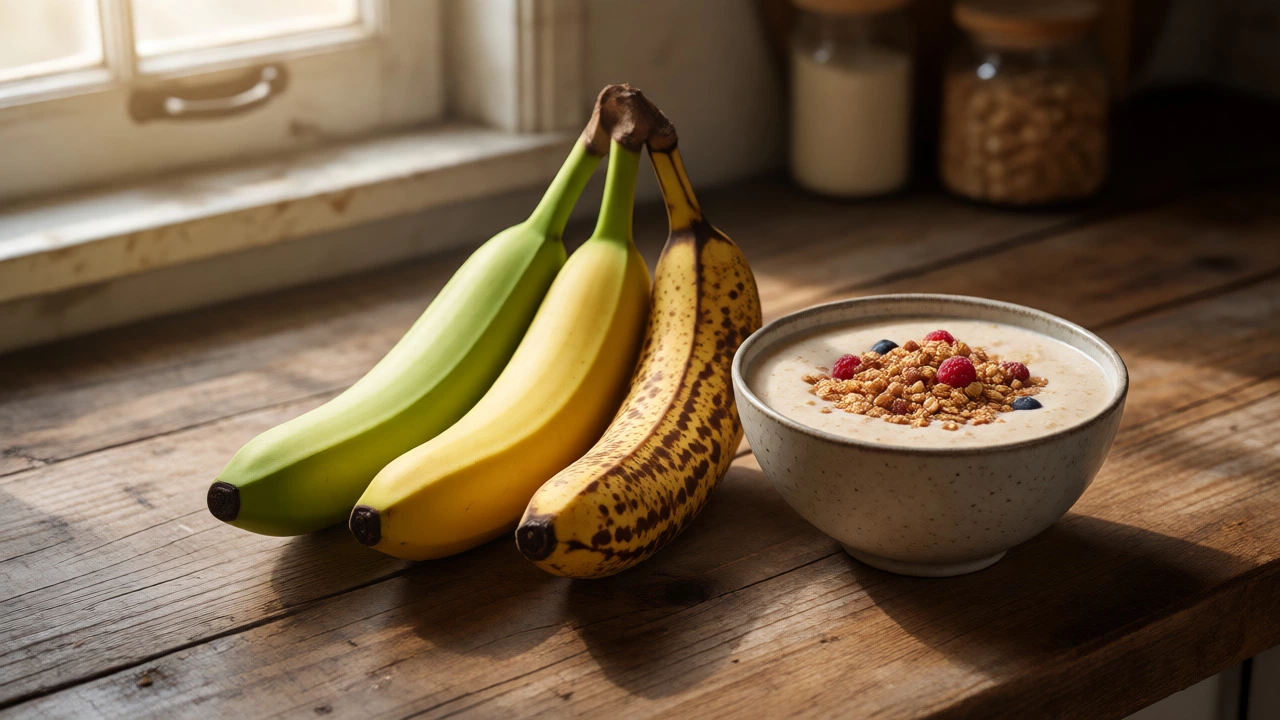
Not all bananas are created equal when it comes to how your body handles them. If you have a sensitive stomach, pay attention to the color of the peel.
Green Bananas: These are high in resistant starch. Resistant starch acts like soluble fiber and feeds good gut bacteria. However, it can cause gas and bloating in some people, especially if your gut microbiome is still healing from years of gluten exposure. Start with small amounts if you’re new to green bananas.
Yellow Bananas: As the banana ripens, the starch converts to sugar. This makes them easier to digest and gentler on an inflamed gut. For most people starting a gluten-free journey, fully ripe yellow bananas are the safest bet for immediate comfort.
Brown Spotted Bananas: These are very sweet and soft. They’re great for blending into smoothies or baking gluten-free banana bread. Because they’re already broken down, they require minimal effort from your digestive enzymes.
How to Use Bananas in Gluten-Free Cooking
You don’t need fancy ingredients to make delicious meals with bananas. Since they bind well, they can replace eggs or butter in some recipes, making them versatile for vegan and gluten-free diets.
Simple Smoothie Bowl
This is a breakfast staple for many in Melbourne’s health-conscious cafes. Blend one frozen banana with half a cup of almond milk until creamy. Top with gluten-free granola (check labels carefully!) and fresh berries. The creaminess mimics ice cream without any dairy or gluten.
Flourless Banana Pancakes
Most traditional pancakes rely on wheat flour. Instead, mash two ripe bananas and mix with two eggs. Cook like normal pancakes. They’ll be denser and sweeter than regular ones, but completely safe. Add a dash of cinnamon for flavor. This recipe uses no flour at all, eliminating the risk of using a contaminated alternative flour blend.
Savory Uses
Yes, savory! In some Asian cuisines, plantains (a type of banana) are used in curries. While different from the Cavendish banana common in Australia, the principle holds: the fruit adds body and sweetness to dishes without needing grain-based thickeners.
Common Myths About Fruit and Gluten
Let’s clear up a few misconceptions that circulate online:
- "All fruits have traces of gluten." False. Only grains have gluten. Fruits are botanically distinct.
- "Banana flavoring contains gluten." Usually false. Artificial banana flavoring is typically synthetic isoamyl acetate. Natural banana extract is also gluten-free. However, always check the carrier agent in liquid flavorings.
- "I reacted to a banana, so I must be gluten-sensitive." Unlikely. You might have a fructose intolerance or an allergy to latex (bananas share proteins with latex). This is different from a gluten reaction.
Shopping Tips for Coeliacs in Australia
Australia has strict labeling laws. Under Food Standards Australia New Zealand (FSANZ) regulations, any food containing more than 3 parts per million (ppm) of gluten must declare it. This means if a packaged banana product says "No Gluten Containing Ingredients," it’s genuinely safe.
For fresh produce, trust your senses. Wash everything. If you’re shopping at a market, keep your gluten-free bananas away from areas where flour is being handled. Most major supermarkets like Woolworths and Coles sell pre-bagged bananas, which reduces handling contamination compared to open bins.
Final Thoughts: Eat Your Banana
Stop worrying about the banana. It’s one of nature’s perfect gluten-free snacks. Portable, nutritious, and inherently safe. The only time you need to worry is when someone else has touched it with floury hands or baked it into a cake. Keep it simple, wash the peel, and enjoy the energy boost without the fear.
Can I eat banana chips if I have coeliac disease?
Plain, dehydrated banana chips are usually gluten-free. However, many commercial brands fry their chips in shared oil vats or add seasonings that may contain wheat flour as a thickener. Always look for a "Certified Gluten-Free" label or check the ingredients for wheat, barley, or rye.
Do green bananas have less gluten than yellow ones?
Both green and yellow bananas have zero gluten. The difference is in the starch composition. Green bananas have higher resistant starch, which can be harder to digest for some people, causing bloating, but this is unrelated to gluten.
Is banana bread gluten-free?
Standard banana bread is NOT gluten-free because it typically uses wheat flour. To make it gluten-free, you must substitute the wheat flour with alternatives like almond flour, oat flour (certified GF), or a gluten-free all-purpose blend. Always verify the flour source.
Why do I get stomach pain after eating bananas if they are gluten-free?
You might have Fructose Malabsorption, which is common in people with coeliac disease. Bananas contain fructose and sorbitol, which can ferment in the gut and cause gas or pain in sensitive individuals. Try eating smaller portions or choosing riper bananas, which are easier to digest.
Are organic bananas safer regarding gluten?
Organic status refers to pesticide use, not gluten content. An organic banana has the same gluten profile as a conventional one (zero). However, organic farms might have different crop rotation practices, but since bananas grow on trees and not in soil mixed with wheat fields, cross-contamination risk remains low regardless of organic status.