
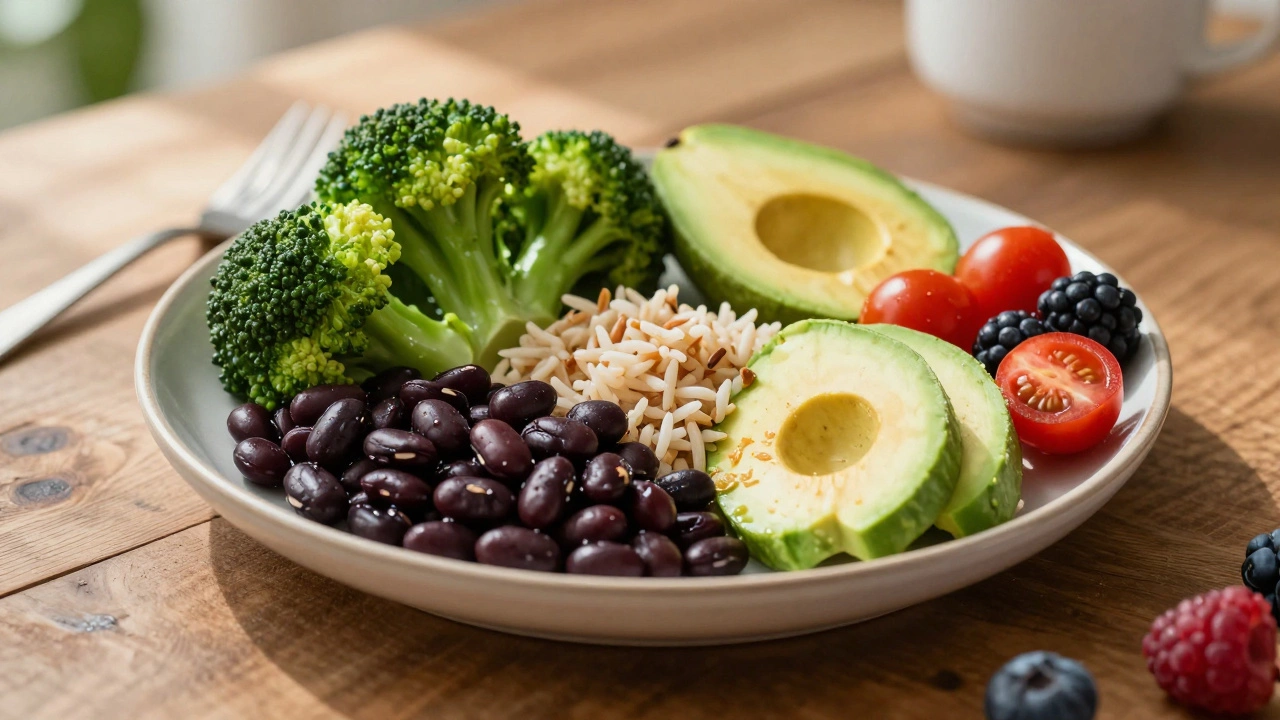
Vegan Weight Loss Estimator
How Your Food Choices Affect Weight Loss
Research shows weight loss depends on food quality, not just being vegan. Select your current approach:
Your Expected Weight Loss
Based on your selections and clinical studies:
0.0
kg in 6 monthsKey finding: Whole-foods vegan diets average 5.5kg loss in 6 months (Oxford Study, 2023)
Processed vegan foods show similar weights to omnivores (American Journal of Clinical Nutrition)
When people start a vegan diet, one of the first questions they ask is: Do you lose weight being vegan? The answer isn’t simple. Some drop pounds fast. Others don’t lose anything-or even gain weight. It all depends on what you actually eat.
Why Some People Lose Weight on a Vegan Diet
Many people lose weight going vegan because they cut out processed foods, red meat, and dairy-things that are often high in calories and low in nutrients. A 2023 study from the University of Oxford followed over 1,200 adults who switched to a plant-based diet for six months. Those who ate whole foods like beans, lentils, vegetables, fruits, and whole grains lost an average of 5.5 kilograms (about 12 pounds), even without counting calories or exercising more.
Why? Plant-based foods are naturally lower in calorie density. That means you can eat a bigger plate of food and still take in fewer calories. A cup of cooked broccoli has about 30 calories. A cup of cheese has over 450. Swap one for the other, and you’re cutting calories without feeling hungry.
Another reason: fiber. Vegan diets are usually rich in fiber from vegetables, legumes, and whole grains. Fiber fills you up, slows digestion, and helps regulate blood sugar. That means fewer cravings and less snacking between meals.
But Not Everyone Loses Weight
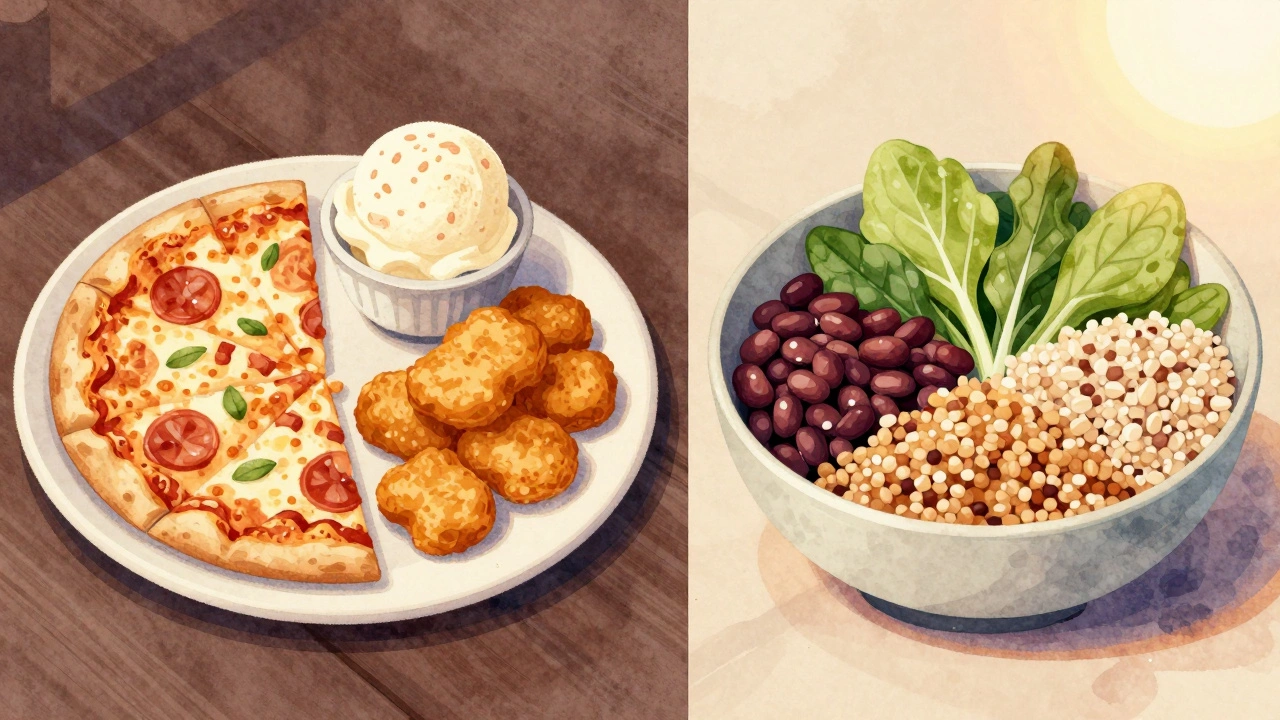
Here’s the catch: not all vegan diets are healthy. You can be vegan and still eat junk food. Think vegan pizza with processed cheese, sugary plant-based ice cream, fried tofu nuggets, and refined white bread. These foods are technically vegan-but they’re still high in calories, fat, and sugar.
I’ve seen clients in Melbourne who went vegan thinking they’d lose weight, but kept eating the same amount of processed snacks, vegan cookies, and sugary drinks. They didn’t lose a pound. One woman told me, "I thought vegan meant skinny." But vegan doesn’t mean low-calorie. It just means no animal products.
Research from the American Journal of Clinical Nutrition found that vegans who ate mostly processed foods had similar body weights to omnivores who ate balanced meals. The key isn’t just avoiding meat-it’s what you replace it with.
What Actually Works: The Whole-Food Vegan Approach
If you want to lose weight on a vegan diet, focus on these foods:
- Legumes: lentils, chickpeas, black beans, kidney beans
- Whole grains: brown rice, oats, quinoa, barley
- Leafy greens: spinach, kale, Swiss chard, bok choy
- Non-starchy vegetables: broccoli, cauliflower, zucchini, bell peppers
- Fruits: berries, apples, oranges, pears
- Nuts and seeds: almonds, chia, flax, pumpkin seeds (in moderation)
These foods are packed with nutrients, low in calories, and high in fiber and protein. A typical day might look like:
- Breakfast: Overnight oats with chia seeds, almond butter, and blueberries
- Lunch: Large salad with chickpeas, shredded carrots, cucumber, and tahini dressing
- Dinner: Stir-fried tofu with broccoli, brown rice, and soy sauce
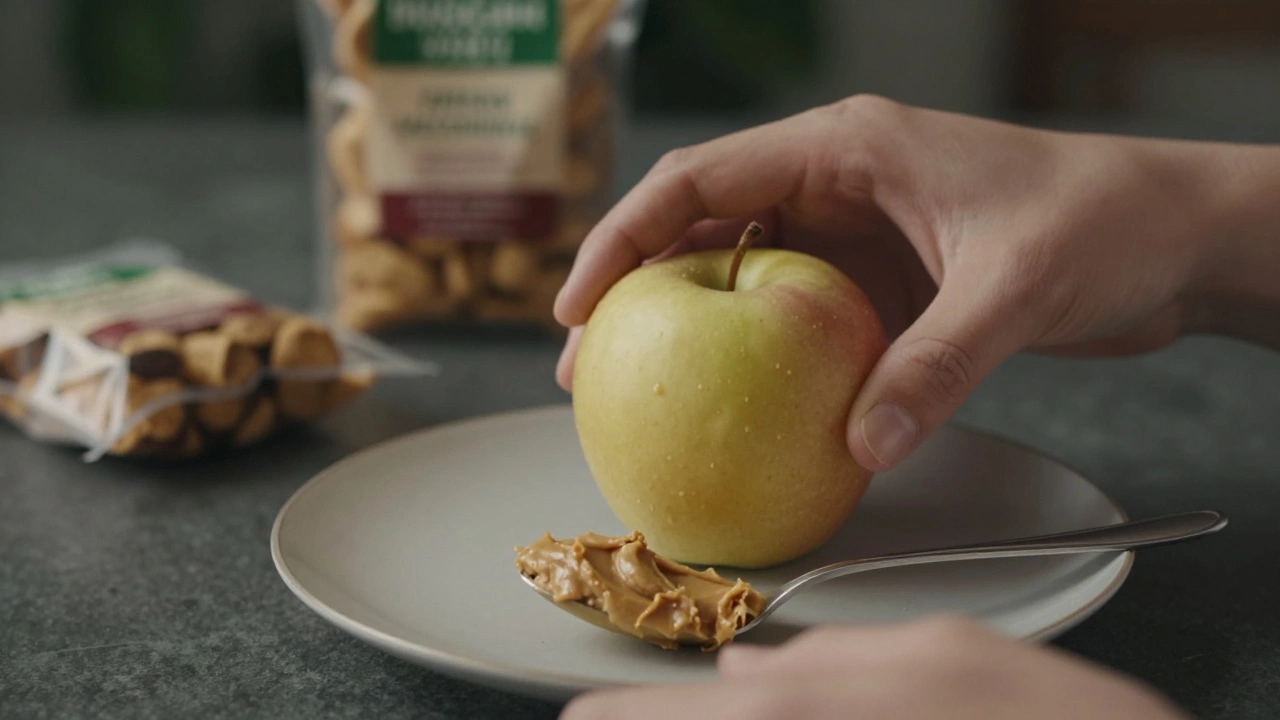
- Snack: Apple with a tablespoon of peanut butter
This kind of eating naturally reduces calorie intake without leaving you hungry. People who follow this pattern usually lose 0.5 to 1 kilogram per week-steady, sustainable, and healthy.
What to Avoid
These vegan foods often sabotage weight loss:
- Vegan cheese and butter (often high in saturated fat)
- Plant-based meats (like Beyond Meat or Impossible Burgers-they’re processed and high in sodium)
- Sugary vegan yogurts and desserts
- Refined carbs: white bread, vegan pastries, potato chips
- Calorie-dense oils: coconut oil, olive oil (use sparingly)
Even healthy fats can add up. One tablespoon of olive oil is 120 calories. If you’re drizzling it on everything, you’re adding 300-500 extra calories a day without realizing it.
How Much Weight Can You Expect to Lose?
There’s no magic number. It depends on your starting point, how active you are, and what you eat. But based on clinical studies:
- Most people lose 1-2 kilograms in the first two weeks
- After 3 months, average loss is 4-8 kilograms
- After 6 months, many stabilize at 5-10 kilograms lost
Those who stick to whole foods and avoid processed vegan products are the ones who keep the weight off. People who rely on vegan convenience foods often regain weight within a year.
Why Vegan Weight Loss Is Different From Other Diets
Unlike low-carb or keto diets, vegan weight loss doesn’t rely on cutting carbs or fat. Instead, it works by changing the quality of your food. You’re not starving-you’re eating more volume, more fiber, more water, and more nutrients. Your body starts to reset its hunger signals.
One study from the Physicians Committee for Responsible Medicine found that people on a vegan diet had lower levels of ghrelin-the "hunger hormone." That means they felt less hungry throughout the day, even without trying to restrict food.
This makes vegan diets easier to stick with long-term. You’re not counting calories or skipping meals. You’re just eating more of what your body actually needs.
Common Mistakes That Stop Weight Loss
Here are the top three reasons people don’t lose weight on a vegan diet:
- They replace meat with processed vegan junk. Vegan pizza, fries, and cookies still make you gain weight.
- They don’t eat enough protein. Without enough protein from beans, tofu, or tempeh, your metabolism slows and you feel hungrier.
- They drink too many sugary beverages. Fruit juice, sweetened plant milks, and vegan lattes add up fast.
Fix these, and you’ll see results.
Real-Life Example: Sarah’s Story
Sarah, 38, from Melbourne, weighed 89 kilograms and had prediabetes. She switched to a whole-food vegan diet in January 2025. She stopped eating vegan ice cream and started cooking meals with lentils, brown rice, and vegetables. She drank water instead of almond milk lattes.
By March, she’d lost 11 kilograms. Her blood sugar levels returned to normal. She didn’t count calories. She didn’t exercise. She just changed what was on her plate.
"I didn’t feel deprived," she told me. "I felt fuller, more energized. I didn’t miss meat. I missed the sugar. And once I cut that out, everything clicked."
Final Thoughts
Yes, you can lose weight being vegan-but only if you eat real food. A vegan diet isn’t a magic solution. It’s a tool. And like any tool, it works best when used the right way.
If you want to lose weight, stop focusing on what you’re avoiding. Start focusing on what you’re adding: more vegetables, more beans, more whole grains. Let your plate be colorful, not processed.
Weight loss on a vegan diet isn’t about religion or ethics. It’s about calories, nutrients, and food quality. And if you get that right, the pounds come off-not because you’re vegan, but because you’re eating well.
Can you lose weight on a vegan diet without exercising?
Yes, many people lose weight on a vegan diet without changing their activity level. The key is eating whole, unprocessed plant foods that are naturally lower in calories and higher in fiber. When you fill your plate with vegetables, beans, and whole grains, your body naturally eats fewer calories without feeling hungry. Exercise helps, but it’s not required for weight loss on a well-planned vegan diet.
How long does it take to see weight loss results on a vegan diet?
Most people notice changes within the first two weeks-often losing 1-2 kilograms. This is usually water weight from cutting salt and processed foods. After three months, those eating whole-food vegan meals typically lose 4-8 kilograms. The rate slows after that, but steady loss continues if you stick to the plan. Results vary based on starting weight, diet quality, and consistency.
Is it possible to gain weight on a vegan diet?
Absolutely. Many vegan foods are calorie-dense: nut butters, oils, vegan cheeses, processed meats, sugary snacks, and refined carbs. Eating large portions of these-even if they’re plant-based-can lead to weight gain. One person might eat 300 grams of avocado and 100 grams of nuts daily, thinking it’s healthy, and gain weight because they’re consuming over 2,000 calories from fats alone. Vegan doesn’t mean low-calorie.
Do I need to count calories on a vegan diet to lose weight?
Not necessarily. If you focus on whole, unprocessed plant foods, you can lose weight without counting. These foods are naturally lower in calories and higher in fiber, so you eat less without feeling deprived. But if you’re eating lots of oils, vegan desserts, or processed foods, counting calories can help you identify hidden excess. For most people, portion control and food quality matter more than calorie tracking.
What’s the best vegan breakfast for weight loss?
The best vegan breakfast for weight loss is high in fiber and protein, low in sugar. Try overnight oats made with unsweetened plant milk, chia seeds, and berries. Or a tofu scramble with spinach, tomatoes, and black beans. Avoid sweetened plant milks, vegan pastries, and sugary cereals. A protein-rich, fiber-packed breakfast keeps you full until lunch and prevents mid-morning cravings.