
Vegan Diet Weight Impact Calculator
Daily Protein Requirements
Enter your body weight to calculate recommended daily protein intake for a healthy vegan diet.
Calorie Density & Satiety Comparison
| Food Item | Calories | Fiber | Satiety |
|---|---|---|---|
|
Grilled Chicken Breast (6oz)
Reference omnivore option
|
280 kcal | 0g | High |
|
Lentil Soup (1 cup)
Whole-food vegan swap
|
230 kcal | 18g | Very High |
|
Vegan Mac & Cheese (1 cup)
Processed vegan option
|
450 kcal | 4g | Low |
|
White Rice with Fried Tofu (1 plate)
Common vegan meal
|
600 kcal | 3g | Medium |
|
Avocado Toast (2 slices + ½ avo)
Popular vegan breakfast
|
350 kcal | 7g | Med-High |
Switching to a vegan diet is a dietary pattern that excludes all animal-derived ingredients, including meat, dairy, eggs, and honey often comes with a hidden assumption: if you cut out cheese, butter, and bacon, the scale will automatically drop. It’s a logical leap for many people. Less fat means less weight, right? But reality in the kitchen-and on the bathroom scale-is rarely that linear. Some people lose ten pounds in their first month. Others find themselves packing on extra kilograms despite eating "clean" plants. So, do you actually gain weight going vegan?
The short answer is no, not inherently. A vegan diet does not cause weight gain. However, it doesn’t guarantee weight loss either. Your body composition changes based on what you choose to eat within the vegan framework, how much energy you consume versus burn, and how your metabolism adapts to new food sources. Let’s unpack why some vegans get leaner while others struggle with unwanted weight, and how you can steer your results in the direction you want.
The Calorie Trap: Why "Vegan" Doesn't Mean "Low-Calorie"
The biggest reason people gain weight after switching to a plant-based diet isn’t because plants are fattening. It’s because they’re replacing high-satiety foods with low-satiety, high-calorie processed alternatives. When you stop eating chicken or beef, you might replace those meals with large portions of pasta, white rice, or sugary cereal. These foods are technically vegan, but they lack the fiber and protein density needed to keep you full.
Consider this scenario: A typical omnivore lunch might include a grilled chicken breast (165 calories) with steamed broccoli and a small salad. A poorly planned vegan swap could be a large bowl of macaroni and cheese made with vegan cream sauce and breadcrumbs. That single dish can easily hit 800-1,000 calories. If you feel full from the volume of carbs but haven’t met your nutritional needs, you might snack later, compounding the calorie surplus. This is known as the "junk food vegan" effect. It’s not the absence of meat causing the gain; it’s the abundance of refined carbohydrates and added sugars.
| Food Item | Approximate Calories (per serving) | Fiber Content | Satiety Level |
|---|---|---|---|
| Grilled Chicken Breast (6oz) | 280 kcal | 0g | High |
| Lentil Soup (1 cup) | 230 kcal | 18g | Very High |
| Vegan Mac & Cheese (1 cup) | 450 kcal | 4g | Low |
| White Rice Bowl with Fried Tofu (1 plate) | 600 kcal | 3g | Medium |
| Avocado Toast (2 slices sourdough + 1/2 avo) | 350 kcal | 7g | Medium-High |
To avoid this trap, focus on whole-food, plant-based (WFPB) principles. Prioritize legumes, vegetables, fruits, nuts, and seeds over processed mock meats and refined grains. Whole foods require more chewing and digestion, which signals your brain that you’re full faster than liquid calories or soft, processed carbs do.
The Protein Puzzle: Satiety and Muscle Mass
Protein plays a critical role in weight management. It has a higher thermic effect of food (TEF) than fats or carbohydrates, meaning your body burns more calories digesting it. More importantly, protein preserves muscle mass during weight loss. If you switch to a vegan diet but drastically reduce your protein intake, you risk losing muscle along with fat. Since muscle tissue is metabolically active-burning more calories at rest than fat tissue-losing muscle can slow down your basal metabolic rate (BMR).
Many new vegans underestimate how much protein they need. While plants contain protein, it’s often less dense per calorie than animal products. For example, a cup of cooked lentils provides about 18 grams of protein, whereas a cup of cooked chicken breast offers roughly 42 grams. To match the protein content of a standard omnivore diet, you need to consciously incorporate protein-rich plant sources like tofu, tempeh, seitan, edamame, and beans into every meal.
If you’re not hitting your protein targets, you may feel hungrier sooner after meals. This hunger can lead to overeating, particularly of carbohydrate-dense foods. Aim for 0.8 to 1.0 grams of protein per kilogram of body weight as a baseline, or slightly higher if you’re active. Pairing different plant proteins throughout the day ensures you get all essential amino acids, though you don’t need to combine them perfectly in every single bite.
Fat Sources: Healthy vs. Excessive
Fat is another area where vegan diets can go wrong. Plants naturally contain fats, especially in nuts, seeds, avocados, and olives. These are heart-healthy fats rich in monounsaturated and polyunsaturated fatty acids. However, fat is energy-dense, providing 9 calories per gram compared to 4 calories per gram for protein and carbs. It’s easy to overconsume calories when snacking on handfuls of almonds or drizzling generous amounts of olive oil on salads.
Some popular vegan cooking styles, particularly those influenced by Mediterranean or Californian trends, rely heavily on oils and nut butters. While these ingredients are nutritious, they contribute significantly to total daily caloric intake. If you’re trying to lose weight, portion control matters just as much on a vegan diet as it does on any other. Measure your oils and nut butters instead of pouring them freely. Opt for baked or air-fried preparations rather than deep-frying in coconut oil, which is high in saturated fat.
Interestingly, some studies suggest that very low-fat vegan diets (under 10% of calories from fat) can promote significant weight loss due to increased satiety from fiber and reduced overall energy density. This approach, championed by researchers like Dr. Caldwell Esselstyn, emphasizes eliminating added oils entirely. Whether you adopt such a strict regimen depends on your personal health goals, but being mindful of fat quantity is key.
Gut Health and Metabolic Adaptation
Your gut microbiome-the trillions of bacteria living in your digestive tract-plays a surprising role in weight regulation. A vegan diet is typically high in fiber, which feeds beneficial gut bacteria. These microbes produce short-chain fatty acids (SCFAs) like butyrate, which improve insulin sensitivity and reduce inflammation. Over time, a diverse and healthy microbiome can support better metabolic function and easier weight maintenance.
However, transitioning to a high-fiber diet too quickly can cause bloating, gas, and discomfort. This temporary distress might make you feel heavier, even if you’re not gaining actual fat mass. Give your digestive system 2-4 weeks to adapt. Gradually increase your intake of beans, lentils, and whole grains. Stay hydrated, as fiber needs water to move through your system efficiently. Once your gut adjusts, you may notice improved digestion and more stable energy levels, which can indirectly support weight loss efforts by reducing cravings and fatigue.
Practical Strategies for Weight Management on a Vegan Diet
If your goal is to maintain or lose weight while eating vegan, structure your meals intentionally. Here’s a simple framework:
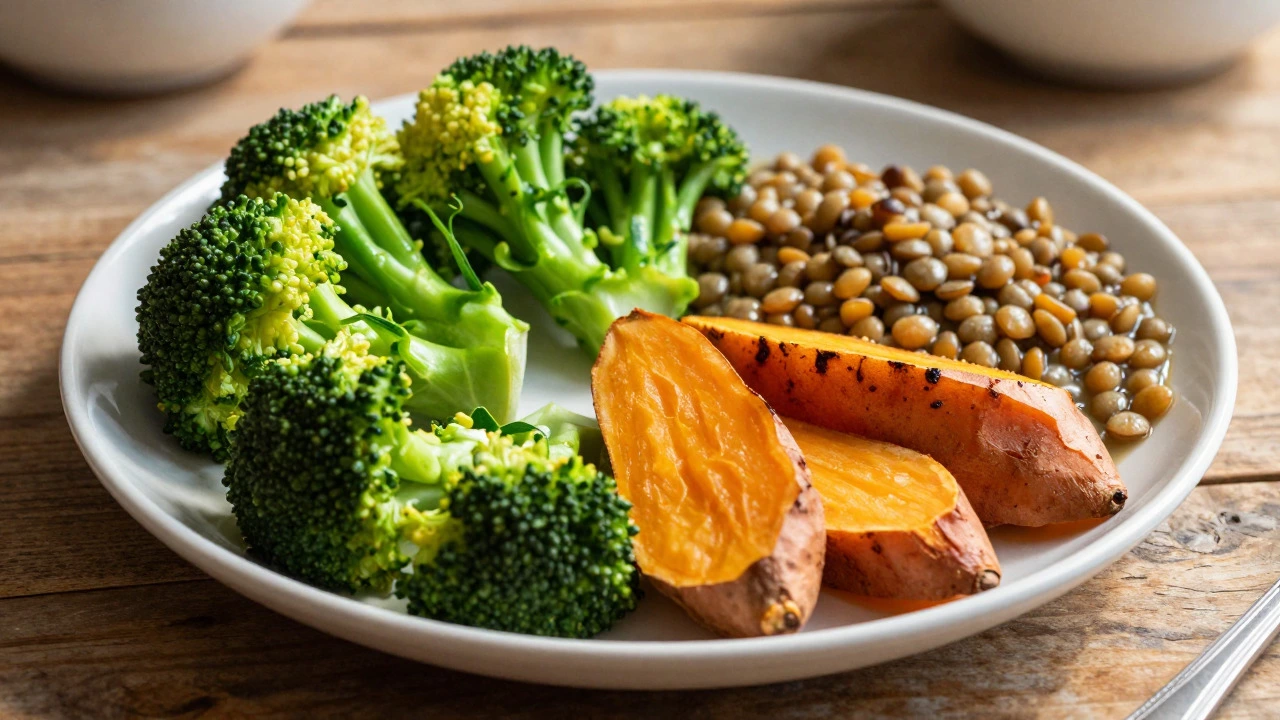
- Build plates around volume: Fill half your plate with non-starchy vegetables (leafy greens, broccoli, peppers). These add bulk without many calories.
- Prioritize protein at every meal: Include tofu, tempeh, seitan, beans, or lentils. This keeps you full and protects muscle.
- Choose complex carbs: Swap white bread and pasta for quinoa, brown rice, oats, or sweet potatoes. They provide sustained energy and fiber.
- Limit processed vegan junk: Treat vegan burgers, fries, and ice creams as occasional treats, not staples. Check labels for added sugars and refined oils.
- Track nutrients, not just calories: Ensure adequate intake of Vitamin B12, Iron, Calcium, and Omega-3s. Deficiencies can affect energy levels and metabolism.
Remember, weight is just one metric. Many people switching to veganism experience improvements in blood pressure, cholesterol levels, and skin clarity, regardless of the number on the scale. Focus on how you feel-more energetic, less inflamed, and mentally clearer-as primary indicators of success.
Will I lose weight automatically if I go vegan?
Not necessarily. Weight loss depends on your calorie balance. If you replace high-calorie processed foods with whole plant foods, you may lose weight. But if you swap meat for large portions of pasta, rice, or sugary snacks, you could maintain or even gain weight. Intentional meal planning is key.
Can a vegan diet help with belly fat?
Yes, if the diet creates a calorie deficit and reduces inflammation. Whole-food, plant-based diets are linked to lower visceral fat (belly fat) due to high fiber content and improved insulin sensitivity. Avoiding refined sugars and excess oils enhances this effect.
Why do I feel bloated after starting a vegan diet?
Bloating is common when increasing fiber intake rapidly. Your gut bacteria need time to adapt to breaking down beans, lentils, and whole grains. Increase fiber gradually, drink plenty of water, and consider soaking dried beans before cooking to reduce gas-causing compounds.
Is it hard to get enough protein on a vegan diet?
It requires more planning than an omnivore diet, but it’s very achievable. Incorporate protein-rich foods like tofu, tempeh, seitan, lentils, chickpeas, and quinoa into each meal. Most adults need 0.8-1.0g of protein per kg of body weight, which is easily met with varied plant sources.
Do vegan supplements affect weight?
Most vegan supplements like B12, Vitamin D, and Omega-3s have negligible calories and won’t directly impact weight. However, ensuring you’re not deficient in these nutrients supports optimal metabolism and energy levels, which can indirectly aid weight management.