

Vegetarian Diet Type Identifier
Select the category that best describes your current dietary habits to see a detailed breakdown of what you can eat.
Lacto-Ovo
The most common type. Eats both eggs and dairy.
Ovo
Eats eggs but avoids all dairy products.
Lacto
Eats dairy but excludes eggs entirely.
Vegan
Excludes all animal-derived ingredients.
Lacto-Ovo Vegetarian Profile
Most CommonFood Allowance Guide
Key Characteristics
Common Motivations
Picture this: you’re at a dinner party, and the host asks if anyone has dietary restrictions. You say you’re vegetarian. Later, they serve a quiche with a generous egg base. Do you eat it? Or do you politely decline? The answer depends entirely on what kind of vegetarian you are. This confusion is incredibly common because "vegetarian" isn’t just one single rulebook; it’s a spectrum of choices.
The short answer to "do vegetarians like eggs?" is that many do, but not all. In fact, whether an egg is considered "vegetarian" hinges on how you define meat, life, and animal products. To navigate menus and grocery aisles without awkward moments, you need to understand the specific types of vegetarian diets. Let’s break down the differences between lacto-ovo, ovo, and lacto vegetarians, and why the distinction matters for your health and cooking.
The Most Common Type: Lacto-Ovo Vegetarians
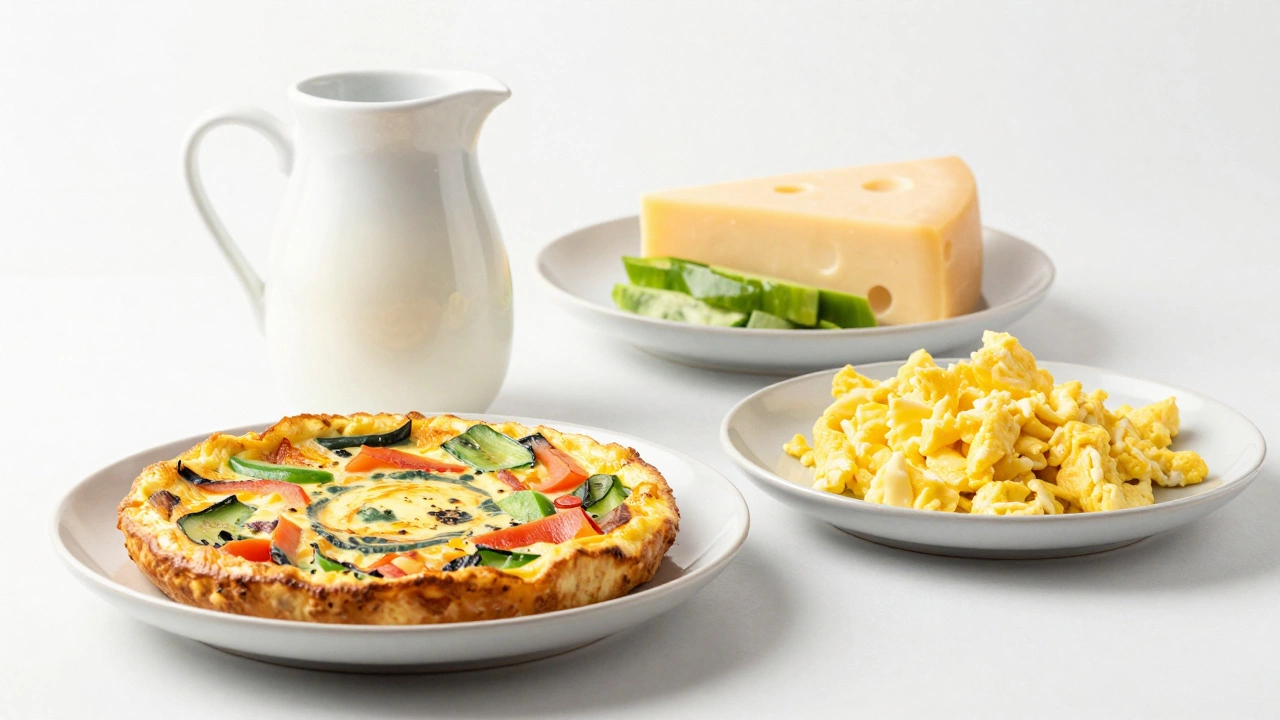
When most people hear the word "vegetarian," they think of Lacto-ovo vegetarians. This group makes up the vast majority of self-identified vegetarians worldwide. The term comes from Latin: "lacto" means milk, and "ovo" means egg. So, these individuals exclude meat, poultry, fish, and seafood from their plates but happily consume dairy products and eggs.
For a lacto-ovo vegetarian, eggs are a staple. They provide high-quality protein, choline for brain health, and vitamins A, D, E, and K. You’ll find them in omelets, baked goods, pasta sauces (like carbonara, provided no pancetta is used), and as a binding agent in veggie burgers. If you fall into this category, you don’t need to worry about hidden eggs in recipes unless you have an allergy. Your main restriction is flesh foods.
This flexibility makes transitioning away from meat easier for many people. You can still enjoy creamy cheeses, yogurt, and scrambled eggs, which helps prevent the feeling of deprivation that often leads to quitting a new diet early. It’s a practical approach that balances ethical concerns about killing animals with nutritional convenience.
Ovo Vegetarians: Eggs Yes, Dairy No
Now, let’s look at a less common group: Ovo vegetarians. These individuals eat eggs but avoid all dairy products. This might seem counterintuitive since eggs and milk are both non-flesh animal products, but the reasons for this choice vary.
Some ovo vegetarians choose this path due to lactose intolerance or dairy allergies. Others may have ethical objections to the dairy industry, citing issues like calf separation or the treatment of cows in factory farms. For them, eggs are acceptable, especially if sourced from free-range or backyard chickens where the welfare of the hens is prioritized. However, even within this group, opinions on fertilized versus unfertilized eggs can differ.
If you’re cooking for an ovo vegetarian, you’ll need to swap out cheese for nutritional yeast or vegan alternatives, replace milk with oat or almond milk, and use butter substitutes. But you can freely use eggs in baking and cooking. It’s a niche diet, so you won’t see it labeled on restaurant menus often, making communication key when dining out.
Lacto Vegetarians: Dairy Yes, Eggs No
On the flip side, we have Lacto vegetarians. This group consumes dairy products but excludes eggs. Like ovo vegetarians, this is a smaller segment of the vegetarian community. Some people avoid eggs due to cholesterol concerns, though modern nutrition science suggests dietary cholesterol has a minimal impact on blood cholesterol for most people. Others may have ethical reservations about egg production practices.
For lacto vegetarians, eggs are strictly off-limits. This means no omelets, no mayonnaise (which contains egg yolks), and careful reading of ingredient lists for terms like "albumin," "lysozyme," or "egg whites." They rely heavily on dairy for calcium and vitamin D, along with plant-based proteins like lentils, beans, tofu, and nuts to meet their nutritional needs.
Cooking for a lacto vegetarian requires creativity. You can’t use eggs as a binder in meatloaf-style dishes, so you might use mashed potatoes, breadcrumbs, or flaxseed meal instead. Cheese becomes a primary source of comfort and protein, appearing in everything from grilled sandwiches to rich pasta sauces.
Vegans: No Animal Products at All
It’s crucial to distinguish vegetarians from Vegans. Vegans exclude all animal-derived ingredients, including meat, poultry, fish, eggs, dairy, honey, and often gelatin or carmine. Veganism is typically driven by stronger ethical, environmental, or health motivations than vegetarianism.
If someone identifies as vegan, they will not eat eggs under any circumstances. Even unfertilized eggs are excluded because they are animal products. Vegan cooking relies entirely on plant-based ingredients. Instead of eggs, bakers use applesauce, mashed bananas, chia seeds, or commercial egg replacers to bind ingredients. Instead of dairy, they use soy, almond, oat, or coconut milks and cheeses.
Understanding this distinction prevents social faux pas. Never assume a vegan will eat a vegetarian dish just because it lacks meat. A spinach and feta quiche is vegetarian but definitely not vegan. Always ask for clarification if you’re unsure about someone’s dietary preferences.
Why Do Some Vegetarians Avoid Eggs?
You might wonder why anyone would identify as vegetarian but still avoid eggs if they aren’t vegan. Several factors come into play:
- Ethical Concerns: Some vegetarians object to the conditions in which egg-laying hens are kept, such as battery cages. Even free-range systems may not meet their standards for animal welfare.
- Health Reasons: Individuals with high cholesterol, egg allergies, or digestive sensitivities may avoid eggs while still consuming other animal by-products like dairy.
- Religious Beliefs: Certain religious traditions, such as some branches of Hinduism or Buddhism, advocate for ahimsa (non-violence) and may interpret eating eggs as participating in the cycle of life and death, leading followers to avoid them.
- Personal Preference: Simply put, some people don’t like the taste or texture of eggs. Being vegetarian doesn’t force you to eat every non-meat food available.
These nuances highlight why "vegetarian" is an umbrella term. Assuming all vegetarians eat the same things can lead to misunderstandings. The best approach is always to ask, "What does your vegetarian diet include or exclude?" before serving food.
Nutritional Considerations When Eating or Avoiding Eggs
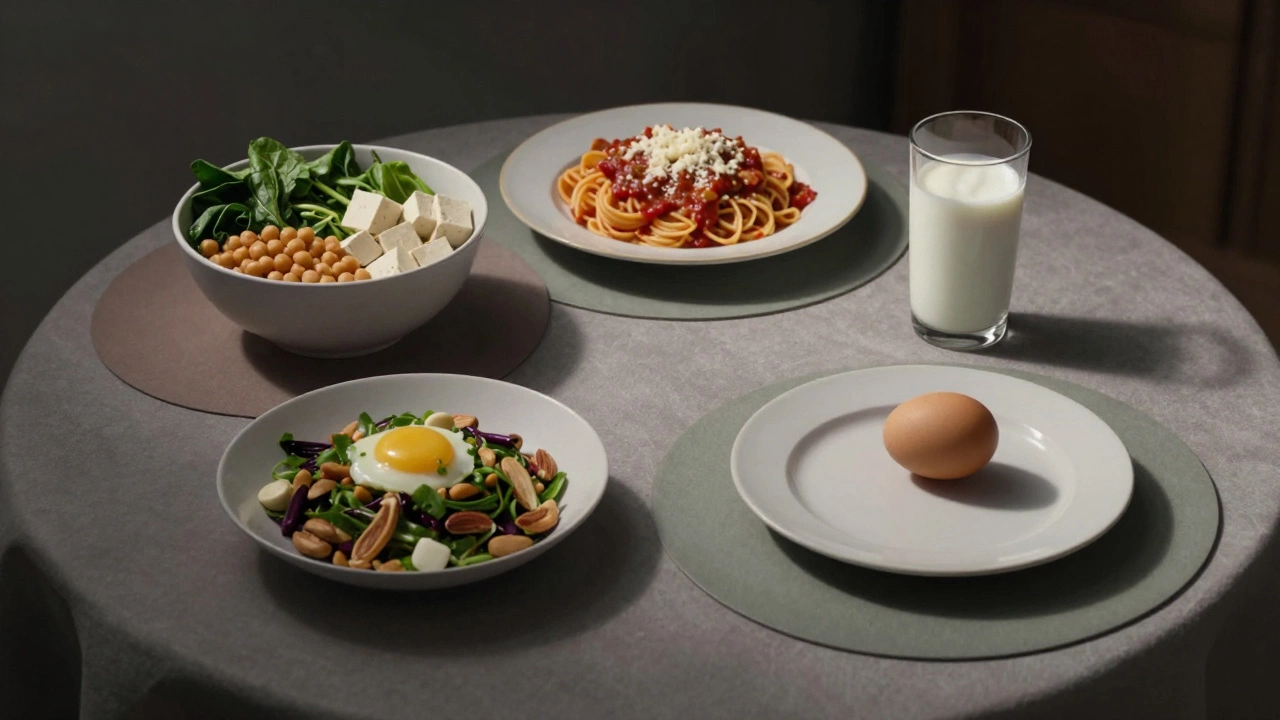
Eggs are a nutritional powerhouse. One large egg provides about 6 grams of high-quality protein, containing all nine essential amino acids. They’re also rich in choline, which supports brain development and function, and lutein and zeaxanthin, antioxidants that protect eye health. For vegetarians who eat eggs, they offer a convenient way to boost nutrient intake without relying solely on plants.
However, avoiding eggs doesn’t mean missing out on nutrients. Plant-based sources can provide similar benefits:
- Protein: Lentils, chickpeas, black beans, tofu, tempeh, and edamame are excellent protein sources. Quinoa and hemp seeds also offer complete proteins.
- Choline: Cruciferous vegetables like broccoli and Brussels sprouts, as well as legumes and whole grains, contain choline.
- Vitamins: Fortified plant milks and cereals provide B12 and D. Leafy greens offer folate and iron, while nuts and seeds supply healthy fats and vitamin E.
If you’re avoiding eggs, pay attention to your overall diet to ensure you’re getting enough protein and micronutrients. Planning meals around a variety of colorful vegetables, whole grains, legumes, and nuts ensures balanced nutrition regardless of whether eggs are on the table.
| Diet Type | Eats Meat/Fish? | Eats Eggs? | Eats Dairy? | Primary Motivation |
|---|---|---|---|---|
| Lacto-Ovo | No | Yes | Yes | Health, Ethics, Environment |
| Ovo | No | Yes | No | Dairy Allergy, Specific Ethics |
| Lacto | No | No | Yes | Egg Allergy, Religious Beliefs |
| Vegan | No | No | No | Animal Rights, Health, Environment |
Tips for Dining Out and Social Situations
Navigating restaurants as a vegetarian can be tricky, especially when it comes to eggs. Here are some practical tips:
- Ask Questions: Don’t assume. Ask servers if dishes contain eggs, dairy, or hidden meat stocks. Many sauces, like hollandaise or certain gravies, contain eggs.
- Know Your Substitutions: If a dish includes eggs but you’re ovo or vegan, ask if they can modify it. Can you skip the egg wash? Can they use a plant-based binder?
- Look Beyond the Label: Terms like "vegetarian" on menus usually mean lacto-ovo. Check for "vegan" labels if you avoid all animal products.
- Carry Snacks: If options are limited, having a protein bar or nuts on hand ensures you don’t go hungry.
Communication is key. Most restaurants are happy to accommodate dietary restrictions if given advance notice. Building relationships with local chefs can also make dining out more enjoyable and stress-free.
Conclusion: It’s About Personal Choice
So, do vegetarians like eggs? Some love them, others tolerate them, and some avoid them entirely. There’s no single correct way to be vegetarian. What matters is aligning your diet with your values, health goals, and personal preferences. Whether you’re a lacto-ovo vegetarian enjoying a fluffy omelet or a vegan crafting a delicious chickpea scramble, the focus should be on nourishing your body and respecting your choices.
Next time you’re planning a meal or hosting friends, consider the diversity within vegetarian diets. By understanding these distinctions, you can create inclusive, delicious experiences for everyone at the table. And remember, curiosity and respect go a long way in navigating dietary differences.
Can vegetarians eat eggs?
Yes, most vegetarians, specifically lacto-ovo vegetarians, eat eggs. However, ovo vegetarians eat eggs but no dairy, while lacto vegetarians eat dairy but no eggs. Vegans do not eat eggs.
Are eggs considered meat?
No, eggs are not considered meat. Meat refers to the muscle tissue of animals. Eggs are reproductive cells and are classified as animal by-products, similar to dairy.
Why do some vegetarians avoid eggs?
Reasons include ethical concerns about hen welfare, health issues like allergies or cholesterol management, religious beliefs promoting non-violence, or simply personal taste preferences.
What is the difference between ovo and lacto vegetarians?
Ovo vegetarians eat eggs but avoid all dairy products. Lacto vegetarians eat dairy products but avoid eggs. Both groups exclude meat, poultry, and fish.
Is it safe to eat raw eggs if you are vegetarian?
Consuming raw eggs carries a risk of Salmonella infection. It is generally recommended to cook eggs thoroughly to kill bacteria, regardless of dietary preference. Pasteurized eggs are a safer option for recipes requiring raw eggs.
Do vegetarians eat honey?
Most lacto-ovo vegetarians eat honey, as it is an animal product but not derived from slaughter. However, vegans avoid honey because it exploits bees. Some strict vegetarians may also avoid it for ethical reasons.
How can I get enough protein without eating eggs?
You can get ample protein from plant sources like lentils, chickpeas, black beans, tofu, tempeh, edamame, quinoa, nuts, seeds, and whole grains. Combining different plant proteins throughout the day ensures you receive all essential amino acids.
Are there vegetarian egg substitutes for baking?
Yes, common egg substitutes in baking include mashed bananas, applesauce, flaxseed meal mixed with water, chia seeds, silken tofu, and commercial egg replacers. These work well for binding and moisture in cakes, muffins, and cookies.