
Vegetarian Aging Risk & Nutrition Checker
Enter your details below to determine your optimal protein intake for maintaining muscle mass and skin elasticity, and receive personalized advice on mitigating common vegetarian aging markers.
Your Profile
Daily Protein Target
0 g
Recommended range:
Why? Higher protein intake helps prevent sarcopenia (muscle loss) which causes facial sagging and frailty.
Critical Nutrient Alert
Anti-Aging Checklist
You’ve probably heard the rumor at a dinner party or read it in a flashy headline: vegetarians might actually age faster than people who eat meat. It sounds counterintuitive, doesn’t it? We’re constantly told that plants are the secret to youth, while steak is linked to heart disease and inflammation. So why would skipping the burger make you look older? The truth isn’t black and white. In fact, some studies suggest vegetarians live longer on average, yet others point to specific nutrient gaps that can accelerate visible signs of aging like thinning hair, brittle nails, and dull skin. If you’re considering going plant-based-or already are-you need to know exactly what your body needs to stay vibrant, not just healthy.
The central question here revolves around biological aging, which is defined as the rate at which our cells and tissues deteriorate over time, distinct from chronological age. This process is heavily influenced by what we put on our plates. While plant-based diets offer massive benefits for cardiovascular health and cancer risk reduction, they carry unique challenges regarding protein quality and micronutrient absorption. Understanding this balance is key to debunking the myth that vegetarianism equals premature aging.
The Protein Paradox: Muscle Mass and Facial Volume
Here’s the biggest concern when people switch to a vegetarian diet without planning: muscle loss. As we age, we naturally lose muscle mass-a condition called sarcopenia. Meat is a complete protein source, meaning it contains all nine essential amino acids in ratios our bodies can easily use. Plants often lack one or two of these amino acids. If you aren’t combining foods properly (like rice and beans) or eating enough total protein, your body starts breaking down its own muscle tissue for fuel.
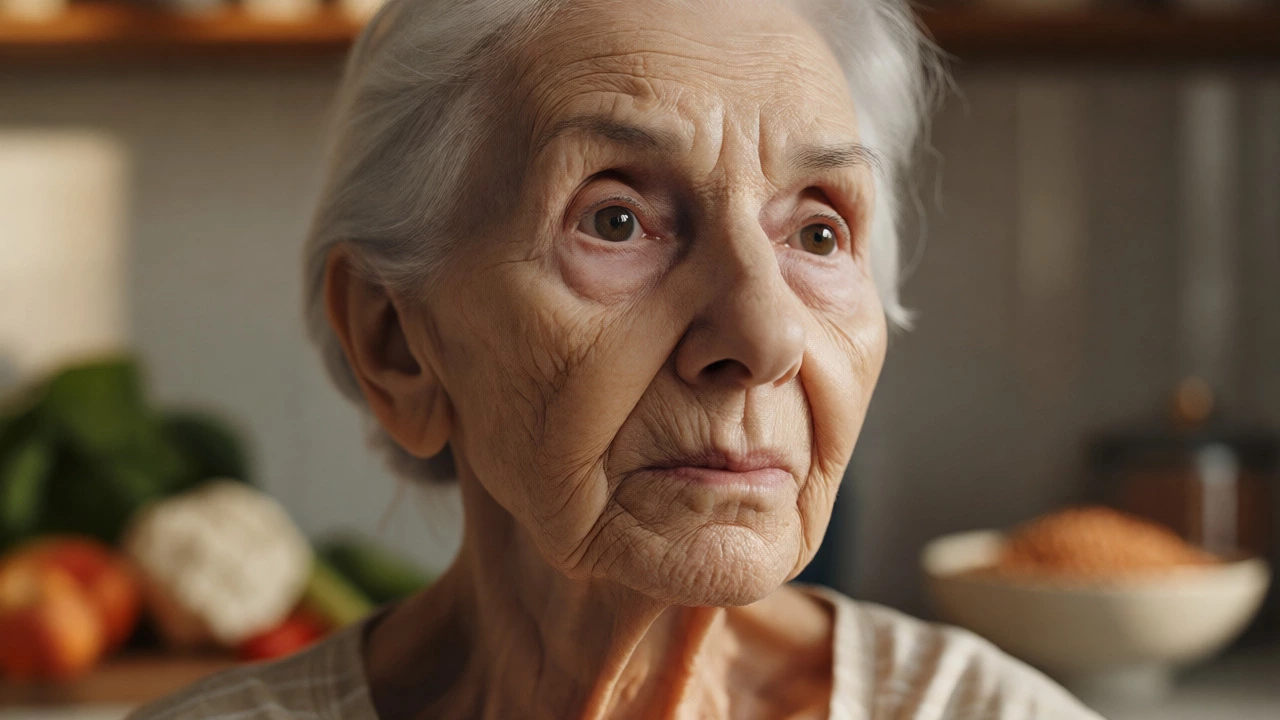
Why does this matter for aging? Think about your face. Young faces have volume; old faces sag. That volume comes from fat pads and underlying muscle structure. If you’re under-eating protein, you don’t just lose arm strength; you lose facial structure. This leads to a gaunt, hollowed-out look that mimics advanced aging. A study published in the American Journal of Clinical Nutrition highlighted that older adults with lower protein intake had significantly higher rates of frailty. For vegetarians, hitting that 1.2 to 1.6 grams of protein per kilogram of body weight becomes non-negotiable if you want to keep your jawline sharp and your posture upright.
Skin Health: Collagen, B12, and Iron
Your skin tells the story of your internal health. Two nutrients are critical for maintaining youthful skin elasticity and color: collagen and hemoglobin. Collagen production relies heavily on Vitamin C (which vegetarians usually get plenty of) but also requires glycine and proline, amino acids found abundantly in bone broth and connective tissues of animals. Without adequate support, skin loses firmness faster.
Then there’s Vitamin B12. This is the silent killer of vegetarian vitality. B12 is almost exclusively found in animal products. A deficiency doesn’t just cause fatigue; it affects nerve function and cell regeneration. Low B12 levels are linked to hyperpigmentation, vitiligo, and even premature graying of hair. If you’re vegan or strict vegetarian, relying solely on fortified cereals is risky. You need a supplement. Period.
Iron is another player. Plant-based iron (non-heme) is harder to absorb than heme iron from meat. Low iron leads to anemia, which manifests as pale, sallow skin and dark circles under the eyes. This “tired look” is often mistaken for natural aging, but it’s actually a nutritional deficit waiting to be fixed.
Inflammation: The Double-Edged Sword
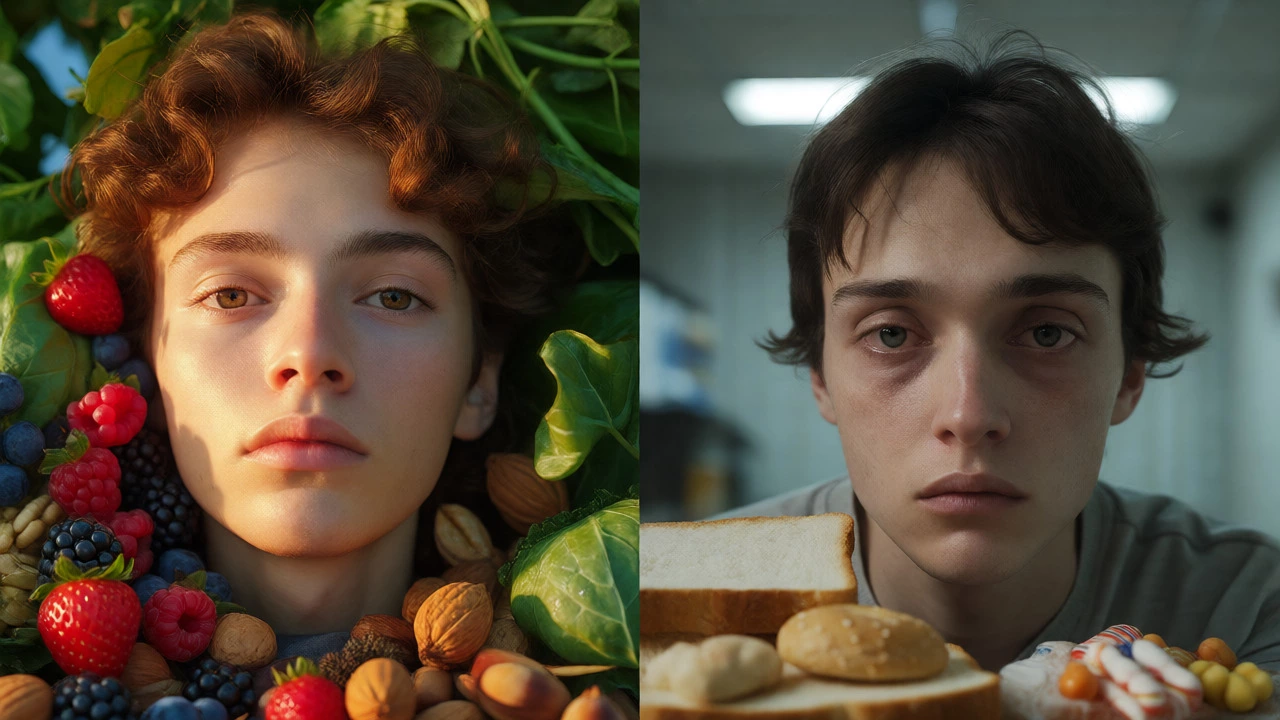
We often hear that meat causes inflammation, which accelerates aging. Processed meats like bacon and sausages do contain compounds that trigger inflammatory pathways. However, a poorly planned vegetarian diet can be equally inflammatory. How? By relying too heavily on refined carbohydrates-white bread, pasta, sugary snacks-to fill up since meat is off the menu. High sugar intake leads to glycation, a process where sugar molecules attach to proteins like collagen, making them stiff and brittle. This literally cracks your skin from the inside out.
Conversely, whole-food vegetarian diets rich in berries, leafy greens, nuts, and seeds are anti-inflammatory powerhouses. They provide antioxidants that combat oxidative stress, a major driver of cellular aging. So, it’s not the absence of meat that determines aging speed; it’s the presence of whole, unprocessed plant foods versus processed junk.
The Longevity Data: What Do Studies Actually Say?
Let’s look at the hard numbers. The Adventist Health Study-2, one of the largest investigations into dietary patterns, followed tens of thousands of participants. It found that pesco-vegetarians (those who eat fish) had the lowest mortality rates, followed closely by lacto-ovo vegetarians (who eat dairy and eggs). Strict vegans also showed reduced risks of diabetes and hypertension, conditions that shorten lifespan. However, the data shows nuance. Vegetarians tend to live longer, but this is partly because they generally smoke less, drink less alcohol, and exercise more. When researchers control for lifestyle factors, the gap narrows but remains significant for certain diseases.
Does living longer mean looking younger? Not necessarily. But avoiding chronic diseases keeps your biological clock ticking slower. Heart disease and type 2 diabetes accelerate vascular aging, leading to wrinkles and organ damage. By reducing these risks, a well-planned vegetarian diet protects your long-term vitality.
Comparison: Nutritional Risks and Benefits
To help you navigate this, let’s break down the key differences between a typical omnivorous diet and a vegetarian diet regarding aging markers.
| Aging Factor | Omnivore Risk/Benefit | Vegetarian Risk/Benefit | Mitigation Strategy |
|---|---|---|---|
| Protein Intake | Easier to meet requirements; supports muscle maintenance. | Risk of insufficiency if not planned; potential muscle loss. | Combine legumes/grains; consider pea/rice protein powder. |
| Vitamin B12 | Naturally abundant; low deficiency risk. | High deficiency risk; impacts energy and nerves. | Mandatory supplementation or high-quality fortified foods. |
| Collagen Support | Direct source via bone broth/skin. | No direct sources; must rely on synthesis from amino acids. | Ensure sufficient Vitamin C and glycine-rich plants (spinach, pumpkin seeds). |
| Inflammation | Processed meats increase inflammation. | Whole plants reduce inflammation; refined carbs increase it. | Focus on whole foods; limit sugar and white flour. |
| Antioxidants | Variable depending on vegetable intake. | Typically higher due to diverse plant consumption. | Eat a rainbow of fruits and vegetables daily. |
How to Age Gracefully on a Vegetarian Diet
If you’re worried about the “aging faster” claim, don’t panic. Instead, optimize. Here is your checklist for staying young and vital:
- Prioritize Protein Quality: Don’t just count calories. Count grams of protein. Aim for 20-30g per meal. Use tofu, tempeh, lentils, chickpeas, Greek yogurt, or eggs if you’re lacto-ovo.
- Supplement B12: Take a cyanocobalamin or methylcobalamin supplement daily. Blood tests every year will confirm your levels are optimal.
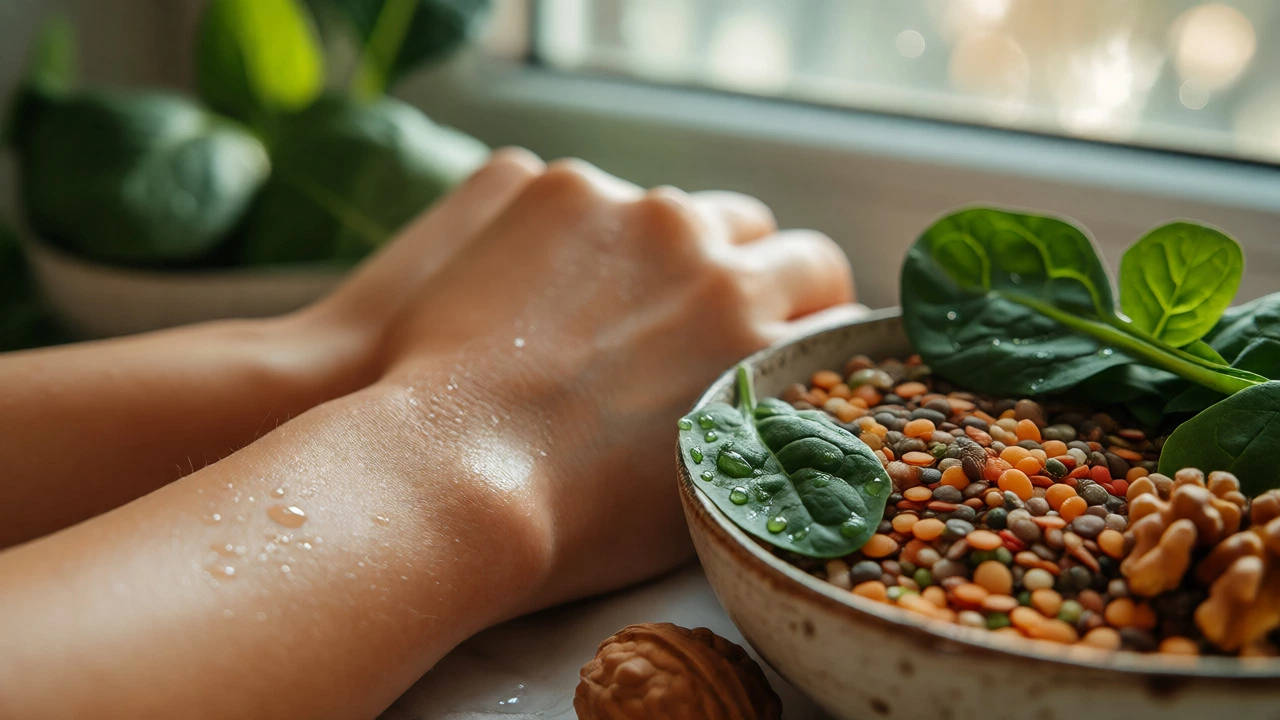
- Boost Iron Absorption: Pair iron-rich plants (spinach, kale, lentils) with Vitamin C sources (bell peppers, citrus, strawberries) to enhance uptake. Avoid drinking tea or coffee with meals, as tannins block iron absorption.
- Watch Your Omega-3s: Fish oil is a common anti-aging supplement. Vegetarians need an alternative. Look for algae-based DHA/EPA supplements or eat flaxseeds and walnuts regularly. These fats keep skin supple and brains sharp.
- Limit Refined Carbs: Swap white rice for quinoa or brown rice. Choose whole-grain bread over white. This prevents the sugar spikes that destroy collagen.
Living in Melbourne, I see a lot of people adopting plant-based lifestyles. The ones who thrive are those who treat their diet as a science experiment, monitoring how they feel and look. Those who just remove meat without adding nutrient-dense replacements often struggle with energy and appearance. It’s not the vegetarian label that ages you; it’s the nutritional void left behind.
Frequently Asked Questions
Does eating meat directly cause wrinkles?
Not directly. However, excessive consumption of processed meats can lead to systemic inflammation and oxidative stress, which contribute to skin aging. Furthermore, high-sugar diets often associated with poor eating habits cause glycation, damaging collagen. A balanced diet with moderate lean meat and plenty of vegetables is generally better for skin health than a diet heavy in processed foods, regardless of whether it includes meat.
Is B12 deficiency really that bad for aging?
Yes, severely. Vitamin B12 is crucial for DNA synthesis and red blood cell formation. Deficiency leads to megaloblastic anemia, causing fatigue, weakness, and neurological issues. Visually, it can cause pale skin, mouth sores, and glossitis (inflamed tongue). Over time, untreated deficiency can cause irreversible nerve damage, affecting mobility and cognitive function, which are key components of healthy aging.
Can vegetarians build muscle effectively to prevent age-related decline?
Absolutely. Research shows that vegetarians can build and maintain muscle mass just as effectively as omnivores, provided they consume enough total protein and engage in resistance training. Key strategies include consuming a variety of plant proteins throughout the day to ensure a complete amino acid profile and timing protein intake around workouts. Leucine, an amino acid critical for muscle synthesis, is lower in many plant sources, so leucine-rich foods like soybeans or supplemental BCAAs may help.
Do vegans age faster than vegetarians?
Vegans eliminate all animal products, including dairy and eggs, which increases the risk of deficiencies in calcium, vitamin D, B12, and high-quality protein. If a vegan diet is not carefully planned and supplemented, these gaps can potentially accelerate signs of aging such as bone density loss (osteoporosis) and skin changes compared to lacto-ovo vegetarians who still consume these nutrient-dense foods. However, a well-planned vegan diet is equally protective against chronic diseases.
What are the best plant-based foods for anti-aging?
Focus on antioxidant-rich and nutrient-dense foods. Berries (blueberries, strawberries) fight free radicals. Leafy greens (kale, spinach) provide folate and iron. Nuts and seeds (walnuts, chia, flax) offer omega-3 fatty acids for skin and brain health. Legumes (lentils, chickpeas) provide fiber and protein. Cruciferous vegetables (broccoli, Brussels sprouts) contain sulforaphane, which has potent anti-inflammatory and detoxifying properties.