

Comfort Food Matchmaker
Not sure what to cook? Use this tool to select the best meal based on how your loved one is feeling and how much time you have.
Select options above to find the perfect dish.
You know that feeling when your friend or partner is having a rough week? The kind where the world feels heavy and everything seems just slightly too much. You want to help, but you’re not sure what to say. Words often feel inadequate in those moments. But food? Food speaks a different language. It bypasses the brain’s logical centers and goes straight to the heart, triggering memories of safety, warmth, and care.
But here’s the catch: making comfort food isn’t about throwing random ingredients together. It’s about understanding the psychology of taste and texture. A cold salad might be healthy, but it rarely fixes a broken spirit. A complex, five-hour molecular gastronomy dish might impress, but it doesn’t hug back. To truly cheer someone up, you need meals that are warm, familiar, and require minimal effort from the recipient. They shouldn’t have to think; they should just eat and feel better.
The Science Behind the Spoonful
Why does macaroni and cheese work when a kale smoothie fails? It comes down to biology. When we’re stressed or sad, our bodies crave energy-dense foods rich in carbohydrates and fats. This isn’t just gluttony; it’s evolutionary survival. Carbs boost serotonin production, the neurotransmitter responsible for feelings of well-being. Warm temperatures also mimic the physical sensation of being held, which reduces cortisol levels.
Think about the last time you were sick. Did anyone bring you a sushi platter? Probably not. They brought chicken soup. There’s a reason Chicken Soup is universally recognized as a healing agent. It’s hydrating, salty (which helps with electrolyte balance), and the act of slurping hot broth is soothing. If you’re looking to lift someone’s mood, aim for dishes that engage these primal comfort triggers. Avoid anything too spicy or acidic unless you know their specific preferences-sometimes, gentleness is key.
Soups That Hug Back
If there’s one category of food that never misses, it’s soup. But not all soups are created equal. For cheering someone up, you want thick, creamy, or hearty broths rather than clear, light consommés. Consider a Tomato Basil Soup. It’s bright enough to cut through gloom but rich enough to satisfy. Pair it with grilled cheese sandwiches, and you’ve got a meal that screams nostalgia.
Another winner is lentil soup. It’s earthy, filling, and packed with protein, which helps stabilize blood sugar-a crucial factor when emotions are running high. In Melbourne, where the weather can turn from sunny to stormy in an hour, a bowl of spiced lentil soup feels like wrapping yourself in a blanket. You can make a big batch on Sunday and portion it out. Knowing they have dinner sorted for three days removes decision fatigue, which is a huge burden when someone is depressed or exhausted.
The Power of Pasta
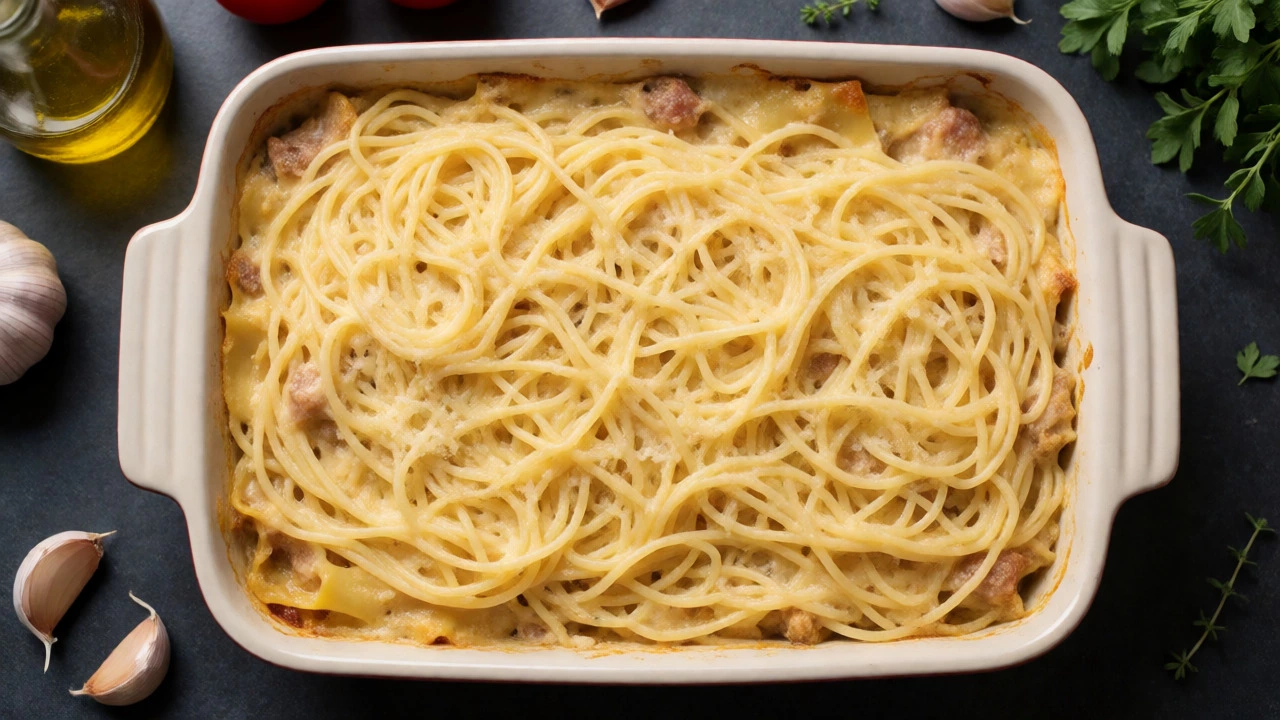
Pasta is arguably the ultimate comfort carb. It’s soft, warm, and incredibly versatile. But skip the fancy ravioli with truffle oil. Go for something tactile and messy. Think Spaghetti Carbonara or a simple Aglio e Olio. These dishes rely on basic pantry staples-eggs, cheese, garlic, olive oil-which means you don’t need to run to the store at the last minute.
There’s a psychological benefit to pasta too. It’s communal. Eating a big pot of spaghetti with friends or family creates a sense of connection. If the person you’re helping lives alone, consider bringing over a baked ziti or lasagna. The act of opening the oven door and smelling melted cheese and tomato sauce fills their space with warmth. It changes the atmosphere of their home, making it feel less empty and more inviting.
Sweet Treats for Quick Fixes
Sometimes, a full meal is too much effort. Sometimes, they just need a sugar rush to get through the next hour. This is where baking shines. Chocolate is scientifically proven to stimulate endorphins. But don’t just buy a candy bar. Bake something. The smell of baking cookies or brownies wafting through the house is a powerful mood lifter for both the baker and the receiver.
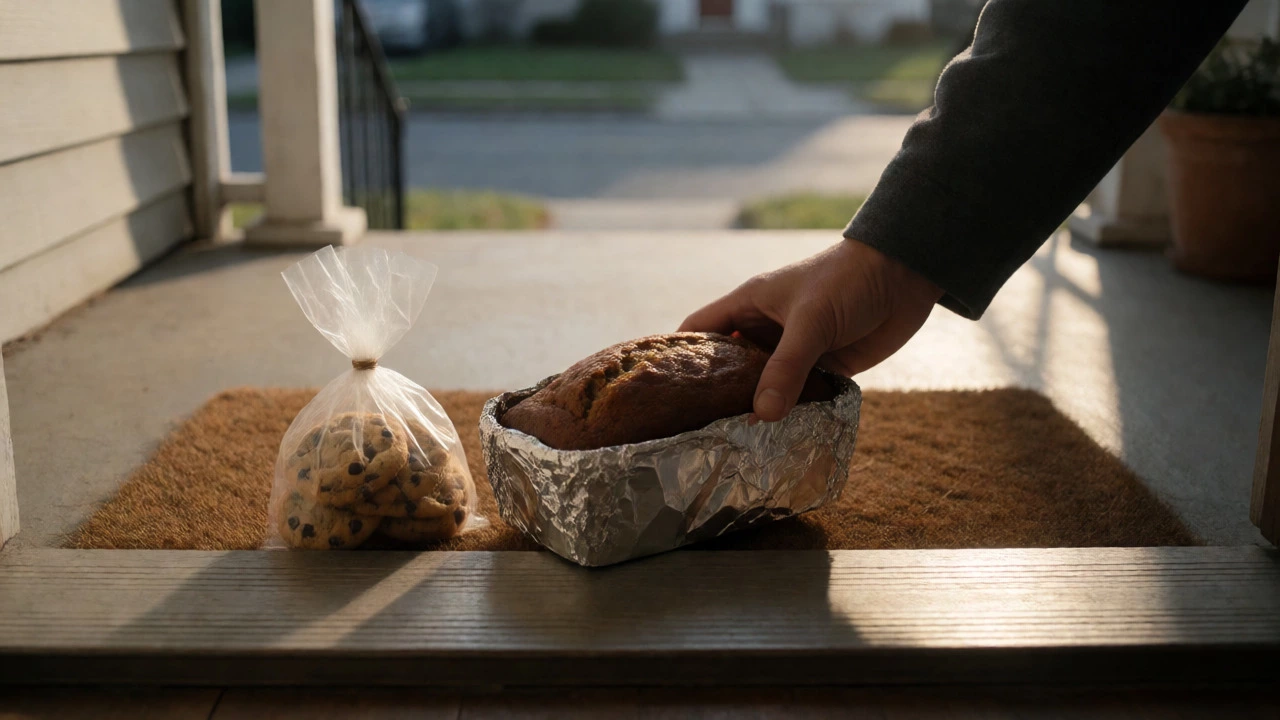
Try Chocolate Chip Cookies. They’re classic for a reason. The combination of crisp edges and chewy centers provides sensory satisfaction. Or go for Banana Bread. It’s forgiving, uses up overripe fruit, and travels well. Wrap it in foil and leave it on their doorstep. No pressure to talk, no obligation to host. Just a sweet gesture that says, “I’m thinking of you.”
Comparison of Comfort Foods by Effort and Impact
| Food Type | Effort Level | Mood Impact | Best For |
|---|---|---|---|
| Chicken Soup | Medium | High (Hydrating & Soothing) | Illness or low energy |
| Mac and Cheese | Low | Very High (Carb-heavy) | Stress eating or sadness |
| Banana Bread | Low | Medium (Sweet treat) | Quick pick-me-up |
| Risotto | High | High (Requires attention) | When you want to spend time together |
| Fried Rice | Low | Medium (Savory & Salty) | Clean-out-the-fridge urgency |
Avoiding the Pitfalls
One common mistake people make is assuming everyone likes the same comfort foods. Your idea of comfort might be a greasy burger, while theirs might be a delicate congee. Before you cook, ask yourself: What did they eat when they were happy? What was their grandmother’s signature dish? Nostalgia is a potent ingredient. If they grew up eating dumplings, a plate of steamed pork buns will hit harder than any gourmet steak.
Also, consider dietary restrictions carefully. If someone is gluten-free, offering them breaded chicken will only add stress. Make substitutions seamless. Use almond flour for baking or rice noodles for stir-fries. The goal is to remove barriers to enjoyment, not create new ones.
Practical Tips for Delivery
How you deliver the food matters as much as what you cook. If they’re overwhelmed, don’t expect a dinner party. Drop off the container, give a quick hug, and leave. Let them eat in their pajamas without worrying about table settings. Include a note that says, “No need to reply,” to relieve social pressure.
Keep containers reusable if possible. Asking them to return a Tupperware later adds a tiny task to their list. Better yet, use disposable eco-friendly containers or just tell them to keep the glass jar. Small details show you’ve thought about their mental load.
What is the best comfort food for someone who is depressed?
Foods high in tryptophan and complex carbohydrates are often recommended. Turkey, eggs, and oats are good choices. However, the most effective food is usually whatever reminds them of childhood happiness, such as a favorite soup or dessert, because emotional connection outweighs nutritional theory in acute distress.
Should I cook for them or buy takeout?
Cooking shows extra effort and personal care, which can be deeply meaningful. However, if the recipient has dietary needs you aren't sure about, or if you're short on time, high-quality takeout from their favorite spot is acceptable. The intent behind the gesture matters more than the source.
How much food should I bring?
Bring enough for two to four meals. Too little looks insincere; too much creates waste anxiety. Portion it into individual containers so they can grab-and-go without deciding how much to serve themselves.
Is chocolate really effective for cheering someone up?
Yes, dark chocolate contains compounds like phenylethylamine and serotonin precursors that can mildly improve mood. Combined with the ritual of eating something sweet, it provides a temporary but genuine lift in spirits.
What if they don't want to eat?
Leave the food anyway. Don't push them to eat immediately. Simply knowing that nourishing options are available can reduce anxiety. You might also offer a hydrating option like herbal tea or broth, which is easier to consume than solid food during low-energy periods.