
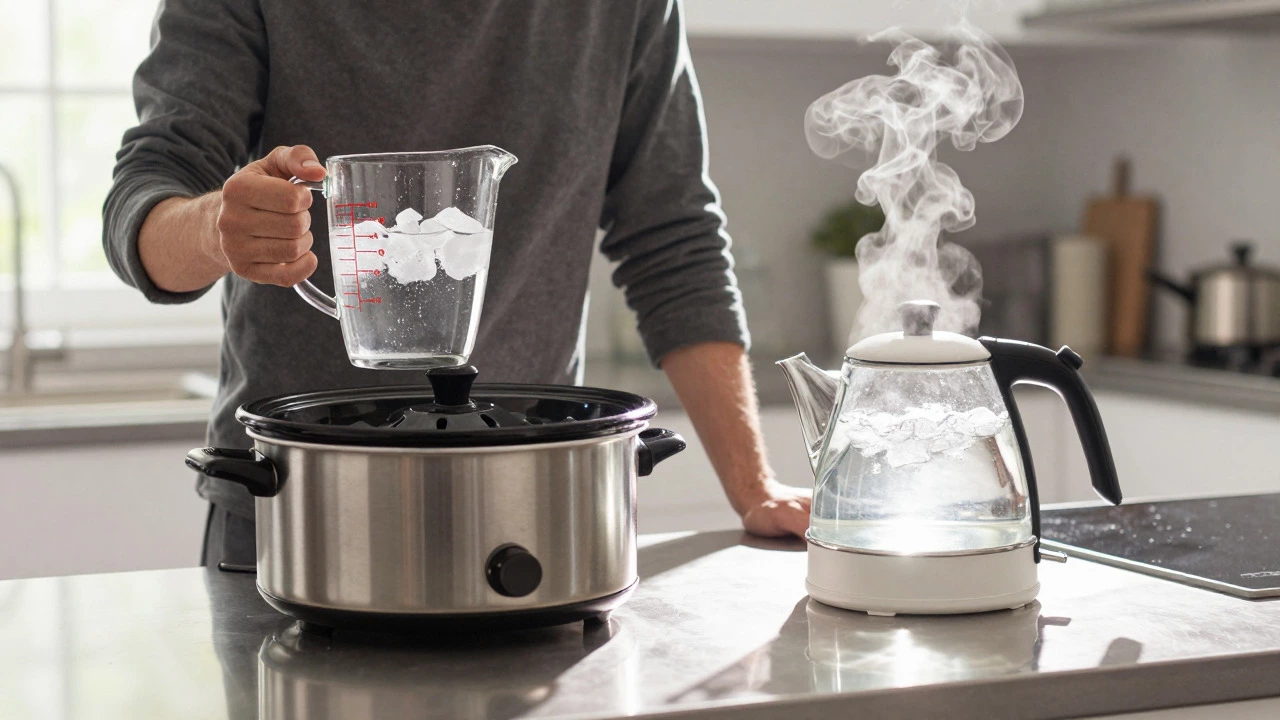
Slow Cooker Liquid Temperature Advisor
Why?
IMPACT FACTORS:
Select your cooking scenario above to get a personalized recommendation.
Have you ever stood in your kitchen, staring at the heavy ceramic pot of your slow cooker, wondering if you should pour in ice-cold tap water or just-boiled kettle water? It’s a question that trips up even experienced home cooks. The short answer is: it rarely matters for the final taste, but it does matter for safety and cooking time. Most of the time, room temperature or cool tap water is perfectly fine. But there are specific scenarios where starting with hot liquid changes everything.
We’ve all been there. You’re making a beef stew or a chicken curry, and you need to add stock or water. Do you run to the kettle? Or do you just turn on the tap? Let’s break down the science, the safety rules, and the practical habits that will make your slow cooking process smoother and safer.
The Science of Heat Transfer in Slow Cookers
To understand why water temperature matters, we first need to look at how a crockpot works. Unlike a pressure cooker or a stovetop pot, a slow cooker is designed to bring food up to temperature gradually. This gentle heat breaks down tough connective tissues in meat and melds flavors together over several hours.
When you add cold water to a hot pot, you lower the internal temperature of the cooking environment. If you’re adding a small amount-say, half a cup of water to deglaze the bottom-it happens so fast that the thermostat barely notices. However, if you’re adding two cups of cold broth to a large batch of chili, you might drop the internal temperature by 10 to 15 degrees Fahrenheit (about 5-8 degrees Celsius). This isn’t a disaster, but it does mean your cooker has to work harder to get back to its target temperature, potentially extending your cook time by 30 to 60 minutes.
Conversely, adding boiling water gives the pot an immediate boost. This can be useful if you’re adding vegetables late in the game and want them to cook through without overcooking the meat. But here’s the catch: most slow cooker recipes are designed with the assumption that ingredients start at room temperature. Changing that variable can sometimes lead to uneven cooking, especially if you have dense root vegetables like potatoes or carrots sitting next to tender chicken breasts.
Safety First: The Danger Zone
The biggest reason to think about water temperature isn’t flavor-it’s food safety. Bacteria thrive in what food scientists call the "danger zone," which is between 40°F and 140°F (4°C and 60°C). Your goal is to get your food out of this zone as quickly as possible.
If you’re starting a recipe from scratch, adding cold water is generally safe because the entire mixture heats up slowly together. The risk comes when you’re adding liquid to food that is already partially cooked or holding at a warm temperature. For example, if you’ve browned meat on the stove and transferred it to the slow cooker, then added cold water, you might keep the center of the pot in the danger zone longer than necessary while the outer edges heat up.
Using warm or hot water in these transitional moments helps maintain a safer internal temperature. It’s not about killing bacteria instantly-that happens once the food reaches 165°F (74°C) for poultry or 145°F (63°C) for beef-but about minimizing the time bacteria have to multiply. In Melbourne’s humid summers, this is particularly important if your kitchen is warm and your slow cooker is sitting on the counter for an hour before you plug it in.
When to Use Cold Water
Cold water is your default choice for most situations. Here’s why:
- Starting from Scratch: When you’re assembling a raw meal, like a pork shoulder roast with onions and garlic, cold water or cold broth is ideal. It allows all ingredients to come up to temperature evenly. There’s no rush, and the gradual heating helps extract gelatin from bones and collagen from meat, resulting in a richer sauce.
- Preventing Scorching: If you’re worried about burning the bottom of your pot, cold water helps. Adding boiling water to a dry, hot ceramic insert can cause thermal shock, which might crack the pot. While modern ceramic inserts are durable, they aren’t indestructible. A sudden temperature change is the number one cause of cracked liners.
- Simplicity: Let’s be honest, running to the kettle every time you need a splash of water is annoying. If you’re making a simple bean soup, just use cold water. The difference in texture will be negligible.
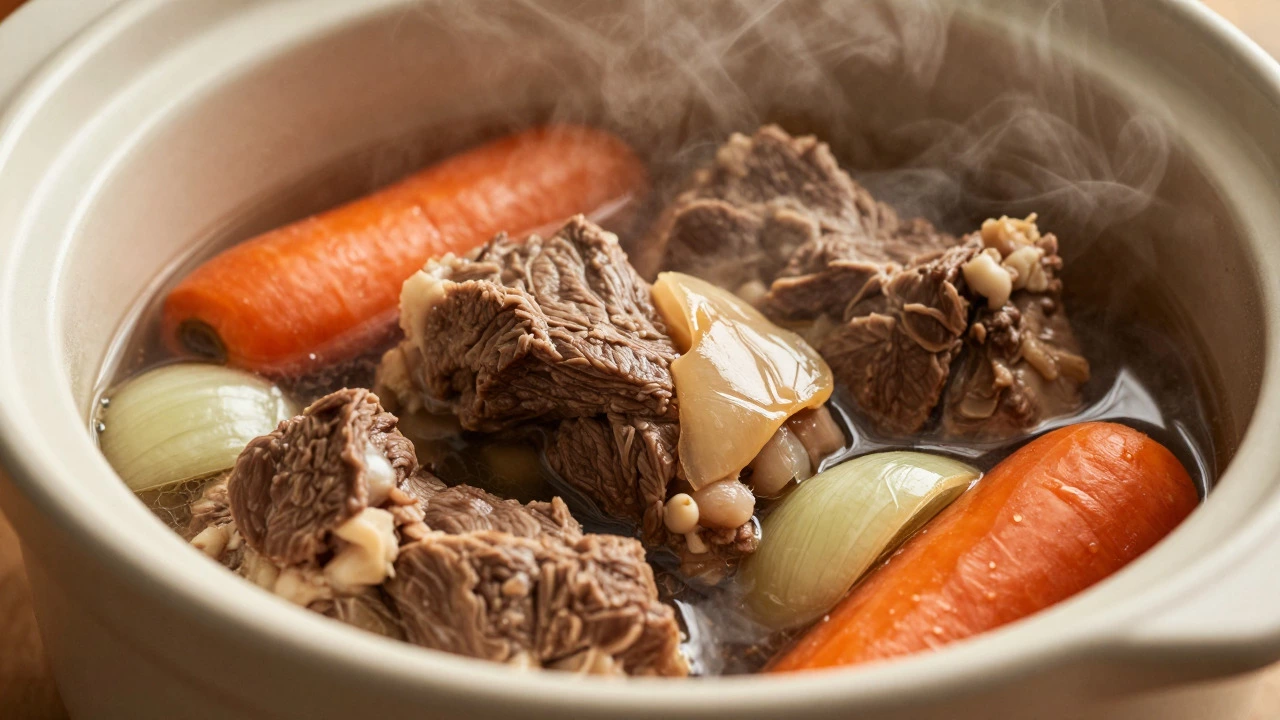
When to Use Hot or Boiling Water
There are specific times when hot water is the smarter move. Think of these as exceptions to the rule:
- Deglazing After Searing: Many chefs recommend searing meat in a skillet before adding it to the slow cooker. If you deglaze that skillet with hot water or broth, you lift those flavorful browned bits (fond) much faster. You can then pour that hot liquid into the slow cooker, giving your dish a head start on flavor development.
- Adding Grains Late: If you’re adding rice, quinoa, or pasta towards the end of cooking, you’ll want hot water. These grains need a high initial temperature to absorb moisture and cook properly. Cold water might leave them gummy or undercooked because the slow cooker’s low setting doesn’t generate enough steam to cook them thoroughly in the remaining time.
- Instant Pot Conversions: If you’re adapting a recipe from a pressure cooker to a slow cooker, you often need more liquid. Using hot water helps compensate for the slower evaporation rate and ensures the pot reaches a simmer sooner.
Thermal Shock: Protecting Your Appliance
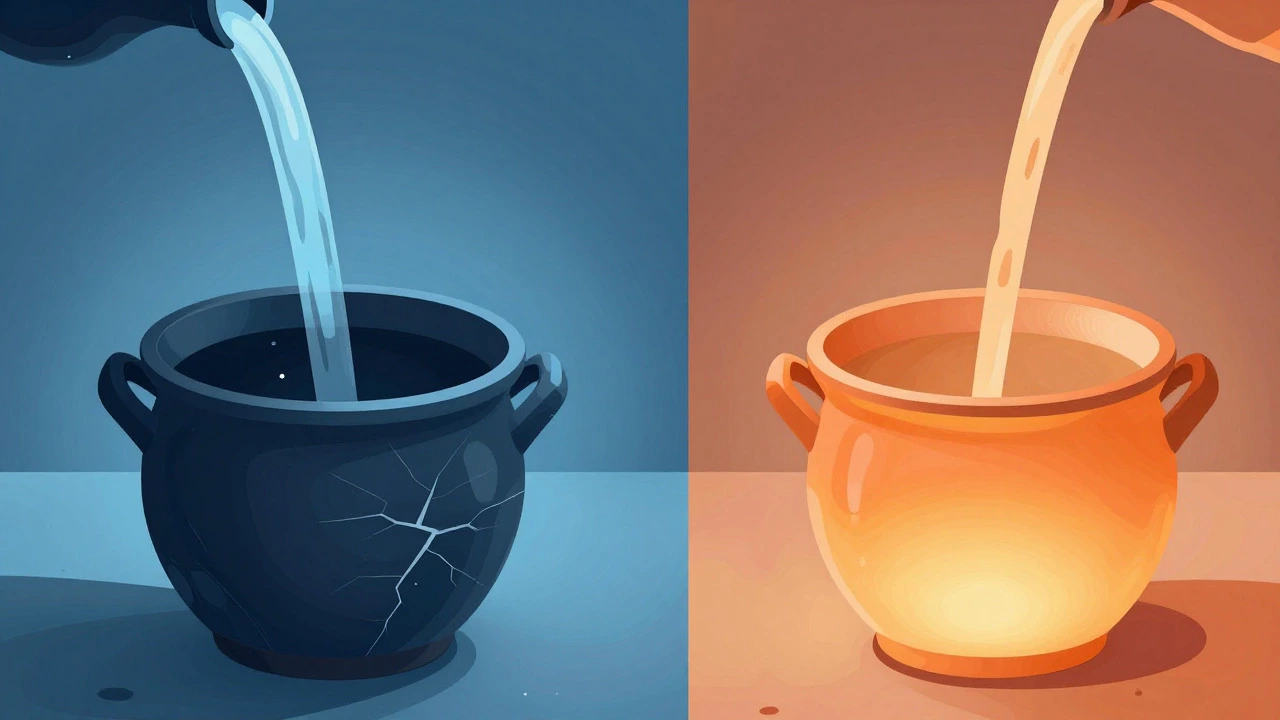
This is the part that scares people the most. Can pouring boiling water into a cold slow cooker crack it? Yes, it can. Ceramic is brittle. When one side of the material expands rapidly due to heat while the other side remains cool, stress fractures can form. This is known as thermal shock.
To avoid this, never pour boiling water directly into a cold, empty ceramic insert. Instead, let the pot sit on the counter for a few minutes after plugging it in, or add room temperature water first, then gradually increase the heat. If you must use boiling water, do so only after the pot has been preheating on the "Low" setting for at least 15 minutes. This warms the ceramic gently, reducing the risk of cracks.
On the flip side, don’t put a hot ceramic insert directly into a sink full of cold water to clean it. That’s another classic way to break your slow cooker. Let it cool down naturally on a trivet or wooden board.
Impact on Flavor and Texture
Does the temperature of the water change how your food tastes? Surprisingly, not much. The primary drivers of flavor in slow cooking are time, acidity, and fat content. Whether your water starts at 40°F or 212°F, it ends up at 190°F (88°C) by the time dinner is served. The Maillard reaction-the browning that creates deep, savory flavors-happens during searing, not during the slow simmer. So, if you want rich flavor, focus on browning your meat and vegetables beforehand, not on the temperature of your water.
However, texture can be affected. Cold water keeps proteins firm initially, which can help prevent delicate foods like fish or shrimp from falling apart too quickly. Hot water starts breaking down proteins immediately, which is great for tough cuts like brisket but bad for tender cuts like chicken breast. If you’re cooking chicken breasts, consider adding them later in the process or using cooler liquids to give them a chance to hold their shape.
| Factor | Cold Water | Hot/Boiling Water |
|---|---|---|
| Cook Time Impact | May extend by 30-60 mins | Reduces initial heating time |
| Safety Risk | Low (if starting from scratch) | Low (helps maintain temp) |
| Pot Safety | Safe for cold pots | Risk of thermal shock if pot is cold |
| Best For | Raw meats, soups, stews | Deglazing, late-stage grains |
| Flavor Difference | Negligible | Negligible |
Practical Tips for Everyday Cooking
You don’t need a thermometer to master this. Here are some simple rules of thumb to keep in your back pocket:
- Stick to Room Temperature: If you’re unsure, use water or broth that’s been sitting on the counter for a bit. It’s the safest middle ground for both your food and your appliance.
- Preheat for Delicates: If you’re cooking something fragile, like white fish or tofu, preheat your slow cooker on Low for 15 minutes before adding ingredients. This ensures the environment is stable from the start.
- Use Broth, Not Just Water: Plain water dilutes flavor. Using chicken, beef, or vegetable broth adds depth. And since broth is usually stored in the fridge, it’s cold anyway. Just remember the 30-minute rule for extended cooking time.
- Don’t Overfill: Regardless of temperature, never fill your slow cooker more than two-thirds full. Liquids expand and bubble. If you’re adding hot water, leave extra space to prevent spillover onto the heating element, which can cause smoking or burning smells.
- Clean While Warm: Once your meal is done, let the pot cool slightly, then wash it with warm soapy water. Avoid extreme temperature changes during cleaning to prolong the life of your ceramic insert.
Common Mistakes to Avoid
I’ve seen plenty of well-meaning cooks ruin a good meal by ignoring basic physics. One common error is adding ice cubes to thicken a sauce. While this might work in a stir-fry, in a slow cooker, it drastically lowers the temperature and can stop the cooking process entirely for a while. Another mistake is assuming that boiling water will "cook" raw meat faster. It won’t. The slow cooker’s lid traps steam, creating a moist environment that prevents boiling regardless of how hot the water is when you pour it in. The food simmers; it doesn’t boil.
Also, avoid adding dairy products like cream or yogurt at the beginning with cold water. Dairy can curdle if heated too slowly or too quickly. Wait until the last 30 minutes of cooking, and stir in room temperature dairy to ensure smooth integration.
Can I put boiling water in a cold slow cooker?
It’s not recommended. Pouring boiling water into a cold ceramic insert can cause thermal shock, leading to cracks. Always let the pot warm up slightly on the Low setting for 10-15 minutes before adding very hot liquids, or use room temperature water instead.
Does cold water make meat tougher?
No, cold water does not make meat tougher. In fact, starting with cold liquid allows connective tissues to break down gradually, resulting in tender meat. Toughness usually comes from overcooking lean cuts or not cooking tough cuts long enough.
Should I use hot water for rice in a slow cooker?
Yes, if you’re adding rice late in the cooking process, use hot or boiling water. Rice needs a higher initial temperature to absorb moisture and cook through properly within the short remaining time.
How much does cold water extend cooking time?
Adding a significant amount of cold liquid (more than 1 cup) can extend your cooking time by 30 to 60 minutes. The slow cooker needs extra time to bring the internal temperature back up to the simmering point.
Is it safe to add cold water to a hot slow cooker?
Yes, it is safe for the food, but it may temporarily lower the internal temperature. Ensure the food stays above 140°F (60°C) overall to stay out of the bacterial danger zone. For best results, add smaller amounts of cold liquid rather than large volumes.