
Chicken Doneness & Prep Guide
Chef's Recommendation:
Loading advice...
The Final Step: Resting
Do not slice immediately! Let your meat rest for 5 to 10 minutes. This allows the fibers to relax and redistribute juices, preventing your chicken from drying out on the plate.
Key Takeaways for Juicier Meat
- Brining is the single best way to protect meat from drying out.
- Internal temperature is the only metric that matters; timers are just guesses.
- Carry-over cooking can ruin a perfect breast if you don't pull it off the heat early.
- Resting allows juices to redistribute so they don't spill out on your plate.
The Science of the Squeeze
To understand how to get tender chicken is a process of managing protein denaturation and moisture retention. When you heat chicken, the muscle fibers contract. Think of them like tiny sponges being squeezed. If you heat them too fast or too long, they squeeze out all the moisture, leaving you with dry meat. Chefs avoid this by using a few specific techniques to "loosen" those fibers before they even hit the pan.
One of the most common tools for this is Brining, which is the process of soaking meat in a salt-water solution to increase its moisture content. Salt doesn't just season the outside; it actually changes the structure of the protein. It dissolves some of the muscle fibers, allowing the meat to hold onto more water during the cooking process. If you've ever had a chicken breast that stayed juicy even when slightly overcooked, it was likely brined.
The Brining Breakdown
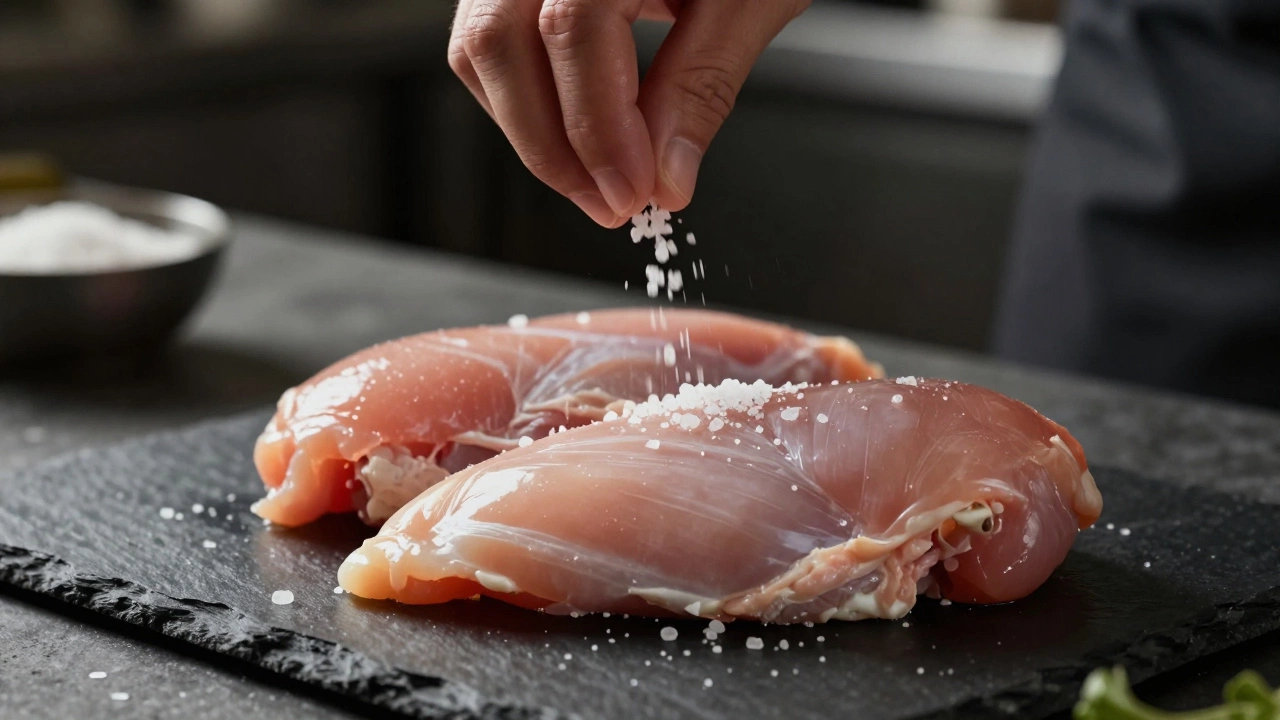
You don't need a fancy setup to brine. There are two main ways chefs do it: wet and dry. Wet brining involves dissolving salt in water (sometimes with sugar and herbs) and submerging the chicken. Dry brining is even simpler-you just rub a generous amount of salt on the skin and meat and let it sit in the fridge for a few hours or overnight. The salt draws moisture out, dissolves into a concentrated brine, and then is re-absorbed deep into the meat.
| Feature | Wet Brining | Dry Brining |
|---|---|---|
| Skin Texture | Can be rubbery if not dried well | Crispier, tighter skin |
| Flavor | Deep penetration of aromatics | Concentrated, savory saltiness |
| Effort | Higher (requires bowls/liquid) | Lower (simple rub) |
| Best For | Whole birds, breasts | Skin-on thighs, roasted chicken |
Temperature Control and the Danger Zone
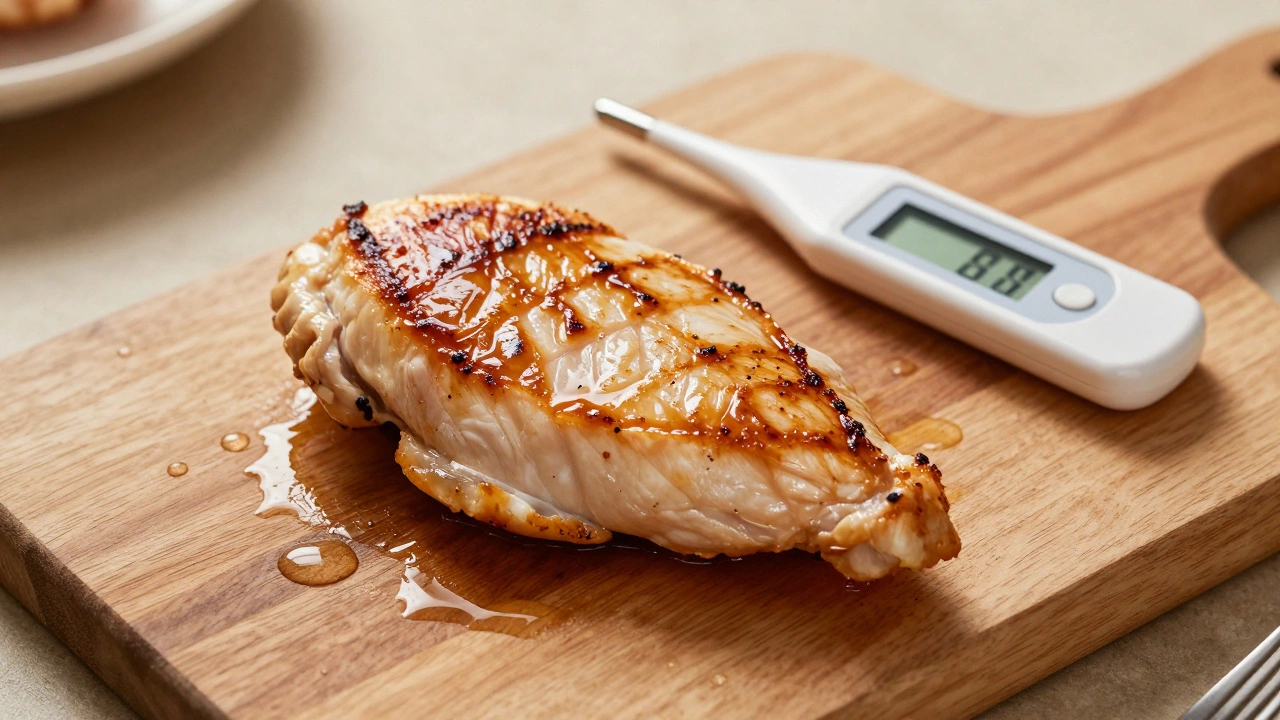
Most home cooks rely on a clock, but chefs rely on a Meat Thermometer. Cooking chicken to the USDA-recommended 165°F (74°C) is safe, but if you leave the chicken on the heat until the thermometer hits 165°F, it will actually end up at 170°F or higher because of carry-over cooking. This is where the dryness happens.
The pro move is to pull the chicken off the heat when it hits about 160°F. The residual heat from the surface of the meat will continue to travel inward, bringing the center up to the safe 165°F while it rests. This prevents the proteins from over-tightening. If you're using a Sous Vide machine-which is a device that cooks food in a vacuum-sealed bag in a precise water bath-you can maintain the meat at exactly 145°F to 150°F for hours. This breaks down connective tissue without ever overcooking the proteins, resulting in the most tender texture possible.
The Art of the Sear and Rest
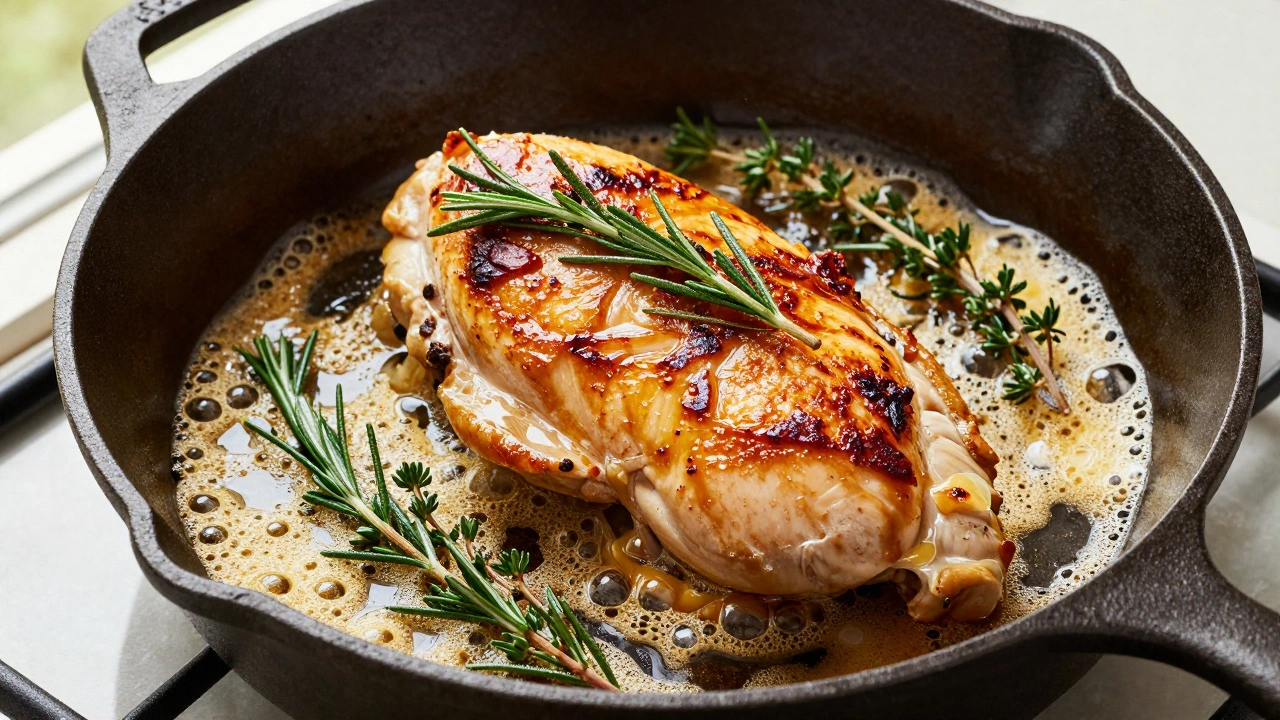
High heat is great for flavor, but terrible for tenderness if used for the whole process. This is why many chefs use a Reverse Sear. Instead of searing first and then baking, they cook the chicken at a very low temperature in the oven first. This gently raises the internal temperature without shocking the muscle fibers. Once the meat is almost done, they hit it with a screaming-hot cast iron pan for a minute or two just to get a brown, crispy crust.
Then comes the most skipped step: the rest. When meat cooks, the muscle fibers contract and push the juices toward the center. If you cut into a chicken breast immediately, those juices run out onto the cutting board, and the meat becomes dry. By letting the meat rest for 5 to 10 minutes, the fibers relax, and the juices redistribute. It's the difference between a steak that leaks a puddle and one that stays juicy in every bite.
Working with Different Cuts
Not all chicken is created equal. A breast is lean and has very little fat, making it easy to ruin. Thighs, on the other hand, contain more Collagen, which is a structural protein that turns into gelatin when heated slowly. This is why thighs are naturally more tender and forgiving. If you're cooking thighs, you can actually go higher in temperature (up to 175°F) because the gelatin keeps them succulent.
For those struggling with tough breasts, try the "pounding" method. Use a meat mallet to flatten the thick end of the breast. This doesn't just make the chicken cook evenly; it physically breaks some of the tougher protein bonds, making the final result feel more tender on the tongue. Combine this with a light coating of oil or butter-which acts as a thermal conductor-and you've removed almost every variable that causes dryness.
Why is my chicken always dry even if I don't overcook it?
It could be the type of chicken you're buying. Many commercial chickens are pumped with saline solutions to increase weight. While this sounds like brining, it can sometimes affect the texture or lead to a "rubbery" feel if the meat isn't seared properly. Additionally, if you aren't letting the meat rest, you're losing the juices the moment you slice it, making it feel dry even if the temperature was perfect.
Can I brine chicken in the fridge overnight?
Yes, and that's actually recommended for dry brining. For wet brining, be careful not to go over 24 hours, as the meat can start to take on a ham-like texture and become too salty. 6 to 12 hours is usually the sweet spot for most cuts.
Does adding butter or oil make chicken more tender?
Butter and oil don't change the protein structure, but they provide a "mouthfeel" of tenderness. More importantly, using a fat like butter in the pan allows you to baste the chicken (pouring hot butter over the meat), which helps cook the top of the breast evenly and adds a layer of moisture to the exterior.
Is sous vide really better than a pan?
For consistency, yes. In a pan, there's a huge temperature gradient between the hot surface and the center. With sous vide, the entire piece of meat reaches the exact same temperature. It's virtually impossible to overcook the meat, though you still need to sear it at the end for flavor.
What is the best temperature for a juicy chicken breast?
Pull your chicken off the heat when it hits 160°F (71°C). While the USDA recommends 165°F, the carry-over heat will push it to that safe mark while it rests. If you wait until 165°F to take it off, it will likely climb to 170°F or more, which is where the dryness starts.
Next Steps for Your Kitchen
If you're a beginner, start with dry brining. It's the lowest effort for the highest reward. Just salt your meat and let it sit for 4 hours. If you're more advanced, invest in a digital instant-read thermometer. Once you stop guessing and start measuring, you'll realize that tenderness is just a matter of math and timing. Try experimenting with a reverse sear on your next roast chicken-you'll notice the difference in the first bite.