
Frozen Meat Slow Cooker Safety Checker
Determine if it is safe to cook your meat from frozen based on cut size and cooking settings.
Input Your Cooking Details
Awaiting Input
Fill in the details on the left to see if your plan is safe.
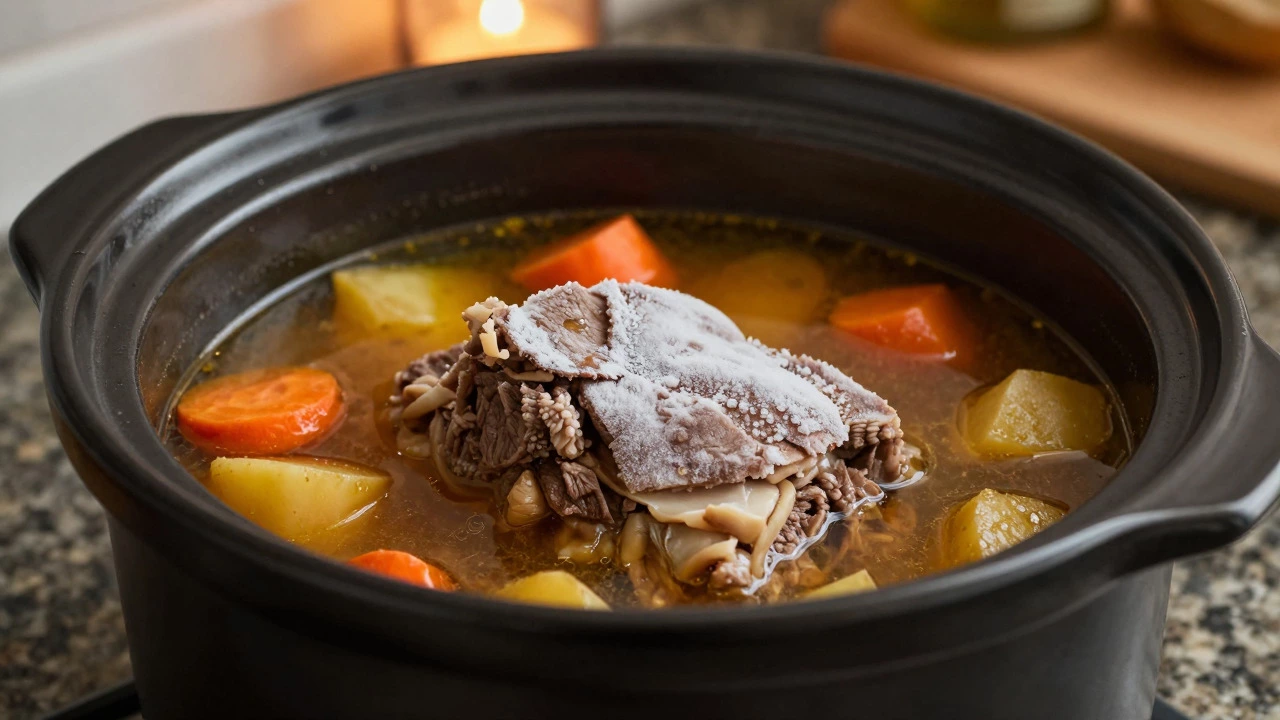
It’s 6:30 PM. You’ve been at work all day, and the only thing standing between you and a hot dinner is that bag of beef stew sitting in the freezer. You’re tired. The thought of waiting two hours for it to thaw in the fridge feels like an eternity. So, you grab the slow cooker is a kitchen appliance that cooks food slowly over several hours at low temperatures. It has become a staple in busy households because it allows for hands-off meal preparation. You toss the frozen block directly into the pot, add some broth, set it on high, and walk away. But here is the million-dollar question: Is this actually safe?
The short answer is yes, but with major caveats. Many people assume that because the slow cooker eventually gets hot enough to kill bacteria, it must be safe to start with frozen food. While technically true for large cuts of meat, the reality is more nuanced. The danger zone isn’t just about reaching the final temperature; it’s about how long the food spends in the range where bacteria thrive. Understanding this distinction is key to avoiding a nasty case of food poisoning while still enjoying the convenience of skipping the thawing step.
Why Food Safety Matters More Than Flavor
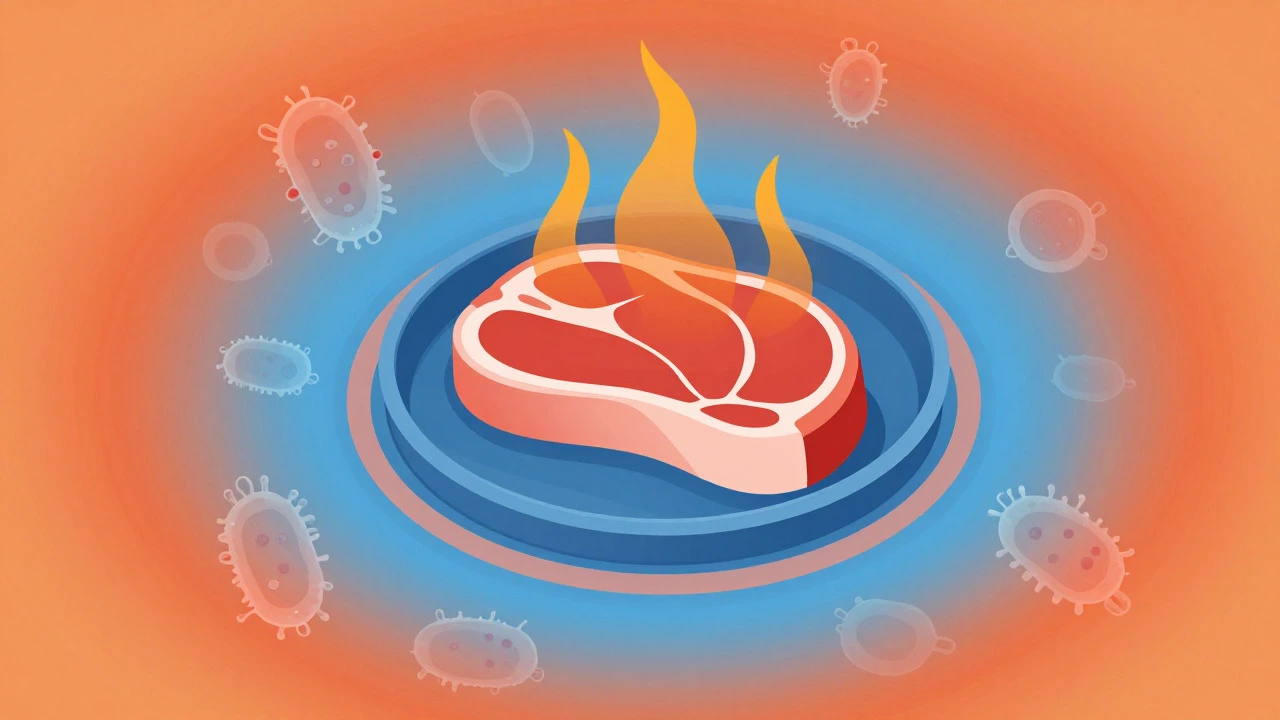
To understand why frozen meat in a slow cooker requires caution, we need to look at how bacterial growth works. Bacteria like Salmonella and E. coli love warmth and moisture. They multiply rapidly in what food scientists call the "danger zone," which ranges from 4°C to 60°C (40°F to 140°F). When you put frozen meat into a cold slow cooker, the entire mass of meat acts as a heat sink. It absorbs heat from the heating element, keeping the internal temperature of the meat-and the liquid surrounding it-low for a significantly longer period than if the meat were fresh or thawed.
In a standard scenario, a slow cooker heats up relatively quickly when filled with room-temperature ingredients. However, a large block of frozen beef can take hours to bring the pot’s contents up to a safe simmer. During this extended lag time, the outer layers of the meat may enter the danger zone while the center remains frozen. This creates a perfect environment for bacterial proliferation before the core temperature ever reaches the lethal threshold of 74°C (165°F) for poultry or 63°C (145°F) for beef.
The Difference Between Cuts and Chunks
Not all frozen meat is created equal when it comes to slow cooking. The geometry of your meat matters just as much as its temperature. A single, solid roast of beef or pork presents a different challenge than individual chunks of chicken breast or ground meat.
- Large Whole Cuts: A 2kg (4lb) frozen chuck roast will take a very long time to reach a safe internal temperature throughout. The surface might sit in the danger zone for hours while the center stays frozen. This is the highest-risk scenario.
- Individual Pieces: If you are using boneless chicken thighs or cubed beef stew meat, the situation improves drastically. Smaller pieces have a higher surface-area-to-volume ratio, meaning they heat up faster and spend less time in the danger zone.
- Ground Meat: Ground beef or turkey has even more surface area exposed. Because it is already broken down, it heats through more evenly and quickly than whole muscles.
If you must cook from frozen, opt for smaller, individual pieces rather than one massive slab. Separating the meat into manageable portions before freezing makes this process much safer and easier later on.
High Heat vs. Low Heat: Which Is Safer?
Here is a common misconception: many people think setting the slow cooker to "Low" is safer because it's gentler. In fact, when starting with frozen food, "High" is generally the safer option. Why? Because you want to minimize the time the food spends in the danger zone. High heat brings the temperature of the pot up faster, reducing the window of opportunity for bacteria to multiply. Once the meat is fully thawed and the liquid is boiling, you can switch to low heat for the remainder of the cook time if desired.
However, do not rely solely on the timer. Different models of slow cookers vary in their wattage and heating efficiency. A 30-year-old model might heat slower than a new digital unit. Always verify doneness with a tool you trust.
The Role of Liquid and Vegetables
Adding liquid is non-negotiable when cooking from frozen. Dry heat doesn't transfer efficiently to frozen solids. Broth, water, wine, or tomato sauce helps conduct heat to the meat. Aim for enough liquid to cover at least half the meat. This ensures even heating and prevents the bottom of the pot from scorching while the top remains cold.
Vegetables also play a role. Dense root vegetables like potatoes and carrots can handle the extra time in the pot. However, delicate vegetables like zucchini or spinach should be added near the end of the cooking process. If you throw them in with the frozen meat, they will likely turn into mush by the time the meat is safe to eat. Keep your veggie strategy separate from your meat strategy.
How to Check If Your Meat Is Actually Safe
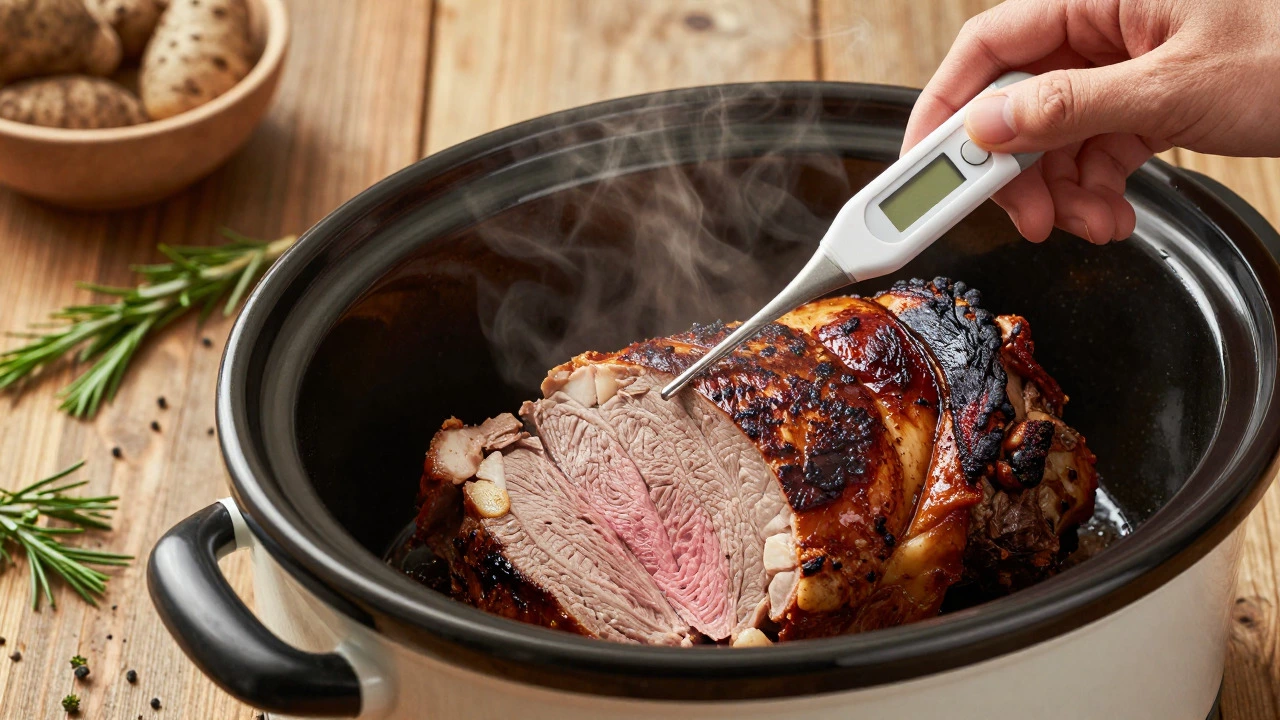
This is the most critical part of the process. You cannot judge safety by smell, color, or texture alone. The only reliable method is using a digital instant-read thermometer. Insert the probe into the thickest part of the meat, avoiding bone and fat. Here are the target internal temperatures for safety according to USDA guidelines:
| Meat Type | Minimum Internal Temp (°C) | Minimum Internal Temp (°F) |
|---|---|---|
| Poultry (Chicken, Turkey) | 74 | 165 |
| Beef, Pork, Lamb (Whole Cuts) | 63 | 145 |
| Ground Meats (Beef, Pork, Lamb) | 71 | 160 |
| Pork Chops/Ribs | 63 | 145 |
Note that these temperatures apply to the *final* state. If you are cooking a stew, ensure every piece of meat hits these marks. For a whole roast, check the center. If you don’t have a thermometer, you are gambling with your health. It’s a cheap tool that pays for itself in peace of mind.
Practical Tips for Success
If you decide to skip the thawing step, follow these practical rules to maximize safety and quality:
- Use Small Cuts: Freeze meat in portion-sized bags. Thawing isn't necessary if the pieces are small (under 200g/7oz each).
- Start on High: Set the cooker to high for the first 2-3 hours to speed up the heating phase.
- Add Liquid First: Pour the broth or sauce into the empty pot before adding the frozen meat. This creates a thermal bridge.
- Don't Overcrowd: Fill the slow cooker no more than 2/3 full. Crowding slows down heat distribution.
- Check Early: Start checking temperatures after 3 hours instead of waiting for the full recipe time. Frozen meat takes longer to cook through than fresh.
Also, consider the texture. Cooking from frozen can sometimes result in slightly tougher meat compared to thawed meat, as the fibers contract differently during the initial rapid heating phase. To mitigate this, choose cuts that benefit from long, slow braising anyway, like chuck roast, brisket, or shoulder. Avoid lean cuts like sirloin or chicken breasts, which dry out easily.
When to Stick to Thawing in the Fridge
Honestly? Most of the time, the best practice is still to thaw your meat in the refrigerator overnight. It’s safer, it yields better texture, and it allows for more precise seasoning control. Use the slow cooker-from-frozen method as a backup plan for emergencies, not as your default routine. If you have the luxury of time, plan ahead. Pull the meat out of the freezer the night before. It costs you nothing but a little foresight and guarantees a superior result.
That said, life happens. Deadlines slip, kids get sick, and plans change. Knowing that you *can* safely use frozen meat in your slow cooker gives you a powerful safety net. Just respect the physics of heat transfer, keep your thermometer handy, and you’ll be fine.
Is it safe to cook a whole frozen turkey in a slow cooker?
Generally, no. A whole frozen turkey is too large and dense to heat evenly in a standard countertop slow cooker. It would spend too long in the danger zone. If you must cook a turkey from frozen, use an oven or a dedicated roaster with a larger capacity and better heat circulation.
Does cooking frozen meat make it taste worse?
Slightly. The rapid temperature change can cause muscle fibers to contract more aggressively, potentially leading to a drier texture. However, for tough cuts like beef chuck or pork shoulder, the difference is minimal because the long cooking time breaks down connective tissue regardless of the starting temperature.
Should I season frozen meat before putting it in the slow cooker?
Yes, but lightly. Heavy salt or sugar rubs can draw out moisture unevenly from frozen surfaces. Instead, add spices and herbs along with the liquid. The liquid will help distribute the flavor evenly as it circulates around the meat during the heating process.
Can I freeze vegetables with the meat in the slow cooker?
Hardy vegetables like onions, carrots, and celery can go in frozen or fresh without issue. They will soften as the pot heats up. Delicate greens or soft fruits should be added at the last hour to prevent them from becoming unrecognizable mush.
What if my slow cooker doesn't have a 'High' setting?
If your model only has 'Low' or 'Warm,' be extra cautious. Only use very small, thin slices of meat. Ensure there is plenty of liquid to facilitate heat transfer, and check the internal temperature frequently. If the meat hasn't reached a safe temperature within 6-8 hours, it may be safer to finish cooking in the oven.