
Vegan Pasta Checker
Check if your pasta is vegan
Select pasta type and check if it's typically vegan
Results will appear here after checking.
When you first go vegan, one of the first questions that pops up is: pasta. Can I still eat it? Is it even allowed? It’s a simple question with a surprisingly complicated answer - mostly because pasta isn’t one thing. It’s a whole category, and what’s in it matters.
Not all pasta contains animal products
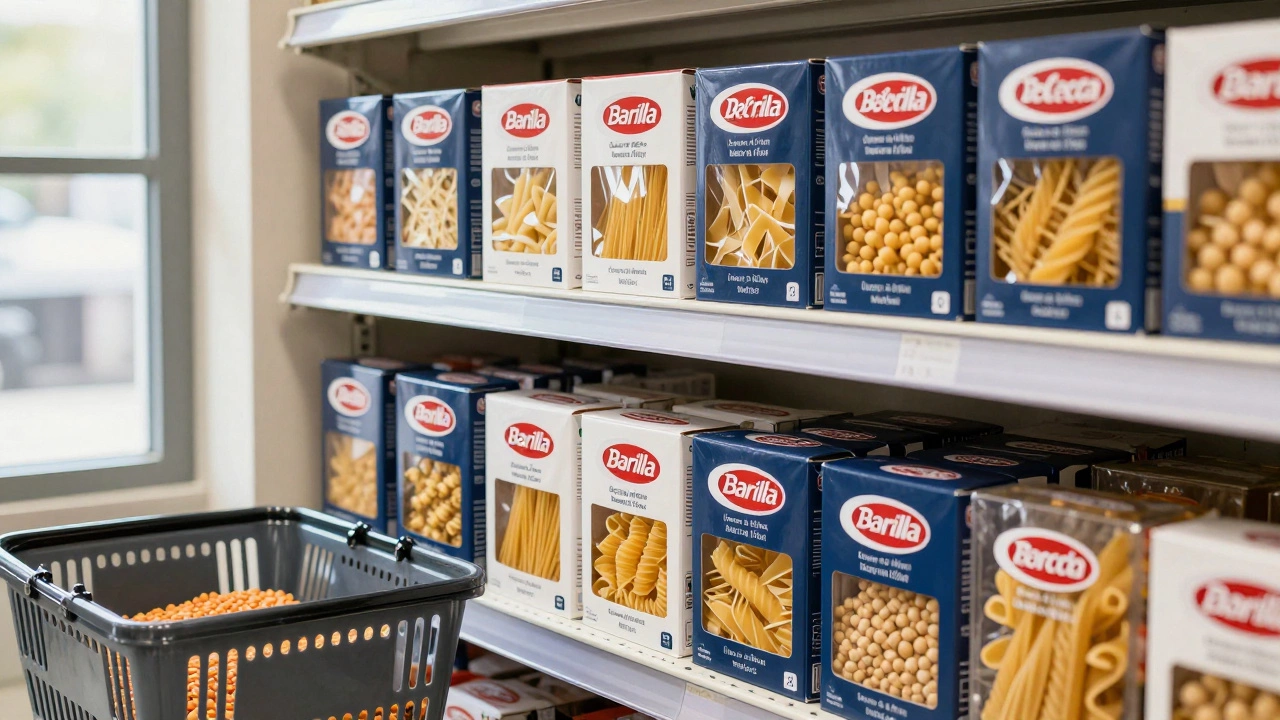
Most dried pasta you find in the grocery store is 100% vegan. It’s made from just two things: durum wheat flour and water. That’s it. No eggs. No dairy. No hidden animal stuff. Brands like Barilla, De Cecco, and Ronzoni make their standard spaghetti, penne, and fusilli without any animal ingredients. You can check the label - if it only lists semolina or durum wheat flour, you’re good.
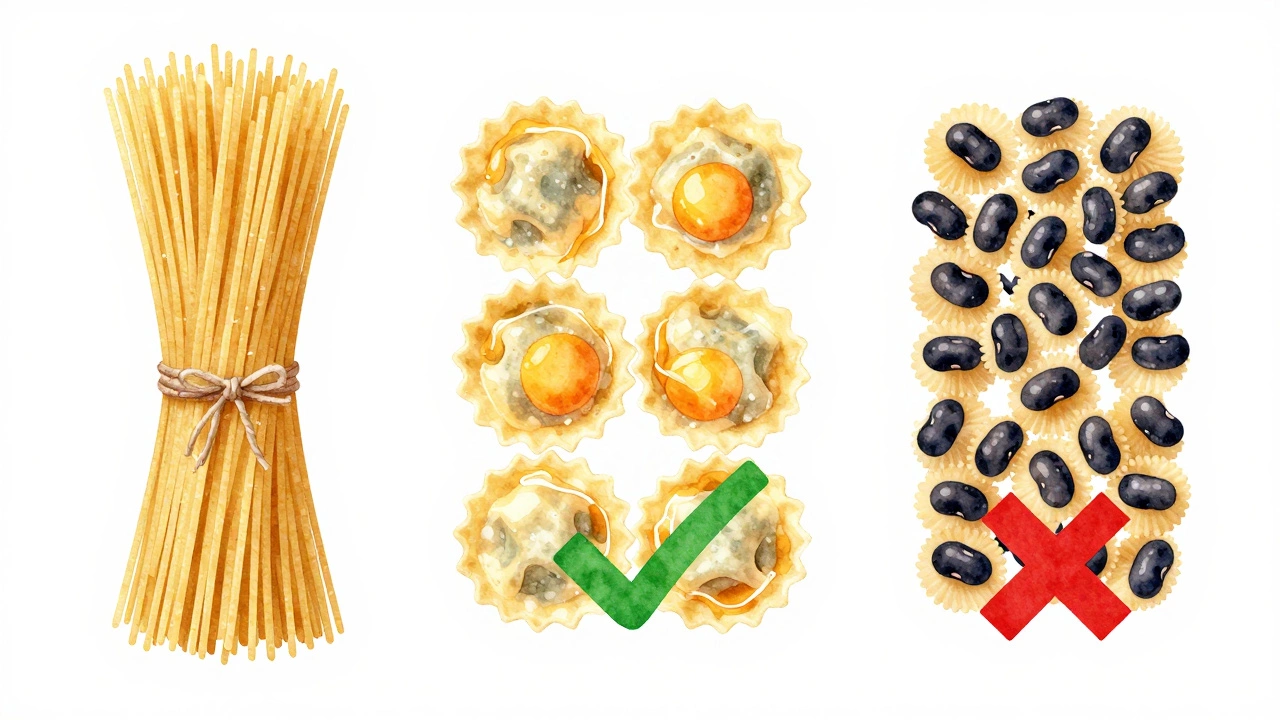
But here’s where people get tripped up: fresh pasta. That’s the kind you see in the refrigerated section, often sold in Italian delis or gourmet shops. That pasta usually contains eggs. Eggs are used to make the dough richer, smoother, and more elastic. So if you’re buying fresh pasta, always read the ingredients. If you see “eggs” or “egg yolks,” skip it.
There’s also stuffed pasta - ravioli, tortellini, cannelloni. These almost always have cheese or meat fillings. Unless it’s specifically labeled vegan, assume it’s not. But don’t panic. There are plenty of vegan versions now. Brands like Beluga and Vedge make ready-to-cook vegan ravioli filled with spinach, mushrooms, or butternut squash.
What about egg noodles?
Egg noodles are a different beast. They’re made with eggs as a core ingredient, not just an additive. That means they’re not vegan. You’ll find them in Asian markets or the international aisle of supermarkets. If you’re craving that chewy, springy texture, look for rice noodles, soba noodles (check the label - some have egg), or gluten-free chickpea or lentil pasta. They’re not the same, but they’re close.
How to pick vegan pasta at the store
Here’s a quick checklist to use when shopping:
- Look for dried pasta first - it’s almost always vegan.
- Check the ingredients list. No eggs, no milk, no whey, no casein.
- Avoid “fresh” or “refrigerated” pasta unless it says “vegan” on the package.
- Stuffed pasta? Only buy if labeled vegan.
- When in doubt, choose brown rice pasta, lentil pasta, or chickpea pasta - they’re naturally egg-free and packed with protein.
Some stores even have vegan-certified labels. That’s a clear green light. Brands like Tinkyada (brown rice pasta) and Banza (chickpea pasta) are widely available in Australia and the US. They’re not just vegan - they’re high in fiber and protein too.
What about pasta sauces?
This is where most vegans run into trouble. You can have perfect vegan pasta, but if you pour on Alfredo sauce made with heavy cream and Parmesan, you’ve got a dairy bomb. Same with marinara that’s been stirred with butter.
Most tomato-based sauces are naturally vegan. Look for simple ones with tomatoes, garlic, olive oil, and herbs. That’s your safe zone. But watch out for:
- “Parmesan” or “Romano” - even if it’s grated, it’s usually made from milk.
- “Creamy” sauces - they’re often dairy-based unless labeled plant-based.
- “Butter” or “browned butter” - butter is dairy.
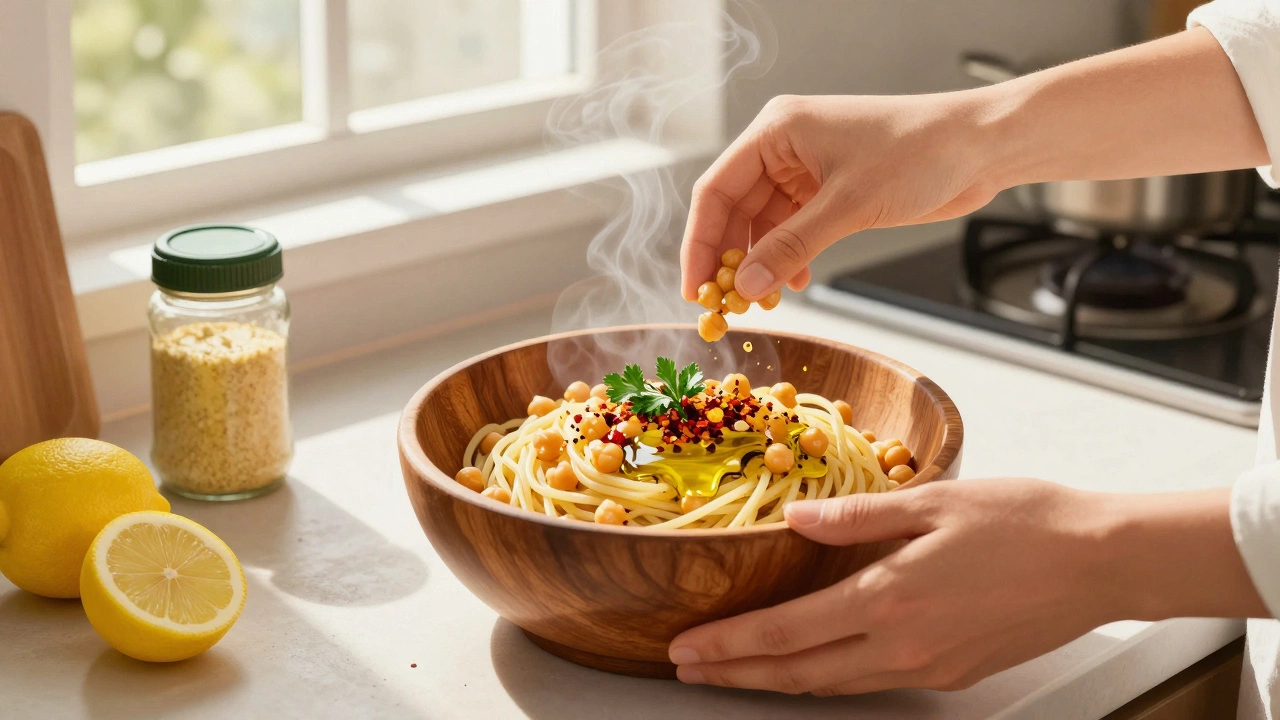
Instead, make your own sauce. Blend roasted red peppers with garlic, olive oil, and a splash of lemon. Or use cashew cream (soaked cashews blended with water) as a dairy-free Alfredo. Add nutritional yeast for that cheesy umami flavor. It’s easy, cheap, and tastes better than store-bought.
What about cross-contamination?
Some vegans worry about pasta cooked in the same water as egg noodles or meat-based sauces. That’s a valid concern - but not a dealbreaker.
If you’re cooking for yourself, just use a clean pot. Boil your pasta in water you know is free of animal products. Rinse it if you’re nervous. Most people don’t need to go this far. The risk of cross-contamination is tiny. Unless you have a severe allergy, it’s not something you need to stress over.
But if you’re cooking for a mixed group - say, a family where one person is vegan and another eats dairy - use separate pots or rinse the pasta well after cooking. It’s a small step that makes a big difference.
Can you eat pasta on a whole-food, plant-based diet?
Here’s a twist: even if pasta is vegan, is it healthy? That depends on what kind you choose.
Regular white pasta is refined. It’s stripped of fiber and nutrients. If you’re following a whole-food, plant-based diet (WFPB), you’ll want to avoid that. Instead, go for:
- Lentil pasta - 13g protein and 11g fiber per serving
- Chickpea pasta - 12g protein, 8g fiber
- Black bean pasta - 15g protein
- Whole grain pasta - still better than white, but less protein than legume-based
These aren’t just vegan - they’re nutrient-dense. They’ll keep you full longer, stabilize your blood sugar, and give you more vitamins. They’re also great for gut health. A 2023 study from the University of Melbourne found that people who replaced refined carbs with legume-based pasta saw improved digestion and reduced bloating within two weeks.
Simple vegan pasta ideas
Here are three easy, real-world meals you can make in under 20 minutes:
- Garlic Oil Pasta - Toss cooked chickpea pasta with olive oil, crushed garlic, red pepper flakes, and a squeeze of lemon. Add chopped parsley. Done.
- Tomato & White Bean Pasta - Simmer canned crushed tomatoes with canned white beans, garlic, and basil. Mix into whole grain pasta. Sprinkle with nutritional yeast.
- Avocado Pesto Pasta - Blend ripe avocado, basil, pine nuts, lemon juice, garlic, and salt. Toss with penne. Add cherry tomatoes.
No cheese. No cream. No eggs. Just flavor, texture, and satisfaction.
What about pasta made from non-wheat flours?
Gluten-free pasta isn’t automatically vegan. Some brands use eggs to bind rice or corn flour. Always check.
But there are great vegan gluten-free options:
- Quinoa pasta - high in protein, nutty flavor
- Buckwheat soba - traditional Japanese, earthy taste
- Chickpea or lentil pasta - naturally gluten-free and packed with nutrients
If you’re avoiding gluten, don’t assume all gluten-free pasta is safe. Stick to brands like Jovial (organic brown rice) or Barilla Gluten-Free (made with corn and rice, no eggs).
Final answer: Yes - but choose wisely
You absolutely can eat pasta as a vegan. In fact, you can eat it often - and healthily - if you know what to look for. Dried pasta? Vegan. Fresh pasta? Usually not. Stuffed pasta? Read the label. Sauce? Make your own. And if you want more nutrition, swap regular pasta for lentil or chickpea versions.
Pasta isn’t the enemy. It’s a blank canvas. And as a vegan, you’ve got more creative freedom than ever to make it delicious, filling, and totally plant-based.
Can vegans eat dried pasta?
Yes, most dried pasta is vegan. It’s typically made from just durum wheat flour and water. Brands like Barilla, De Cecco, and Ronzoni don’t use eggs in their standard dried pastas. Always check the ingredients - if it only lists semolina or durum wheat, it’s safe.
Is fresh pasta vegan?
Usually not. Fresh pasta sold in refrigerated sections often contains eggs to give the dough a richer texture. Always read the label. If it says “eggs” or “egg yolks,” it’s not vegan. Look for brands like Beluga or Vedge that make certified vegan fresh pasta.
What pasta sauces are vegan?
Simple tomato sauces with garlic, olive oil, and herbs are almost always vegan. Avoid creamy sauces unless labeled plant-based, and never assume “parmesan” or “butter” is vegan. Make your own sauces using cashew cream, nutritional yeast, or roasted vegetables for guaranteed vegan flavor.
Are all gluten-free pastas vegan?
No. Some gluten-free pastas use eggs as a binder. Always check the ingredients. Brands like Jovial and Barilla Gluten-Free are egg-free and vegan. Lentil and chickpea pastas are naturally gluten-free and vegan.
Can I eat pasta on a whole-food, plant-based diet?
Yes - but choose wisely. Refined white pasta is low in nutrients. Opt for legume-based pastas like lentil, chickpea, or black bean. They’re high in protein and fiber, support gut health, and align with whole-food principles. A 2023 study from the University of Melbourne showed improved digestion and reduced bloating in people who switched to legume pasta.