
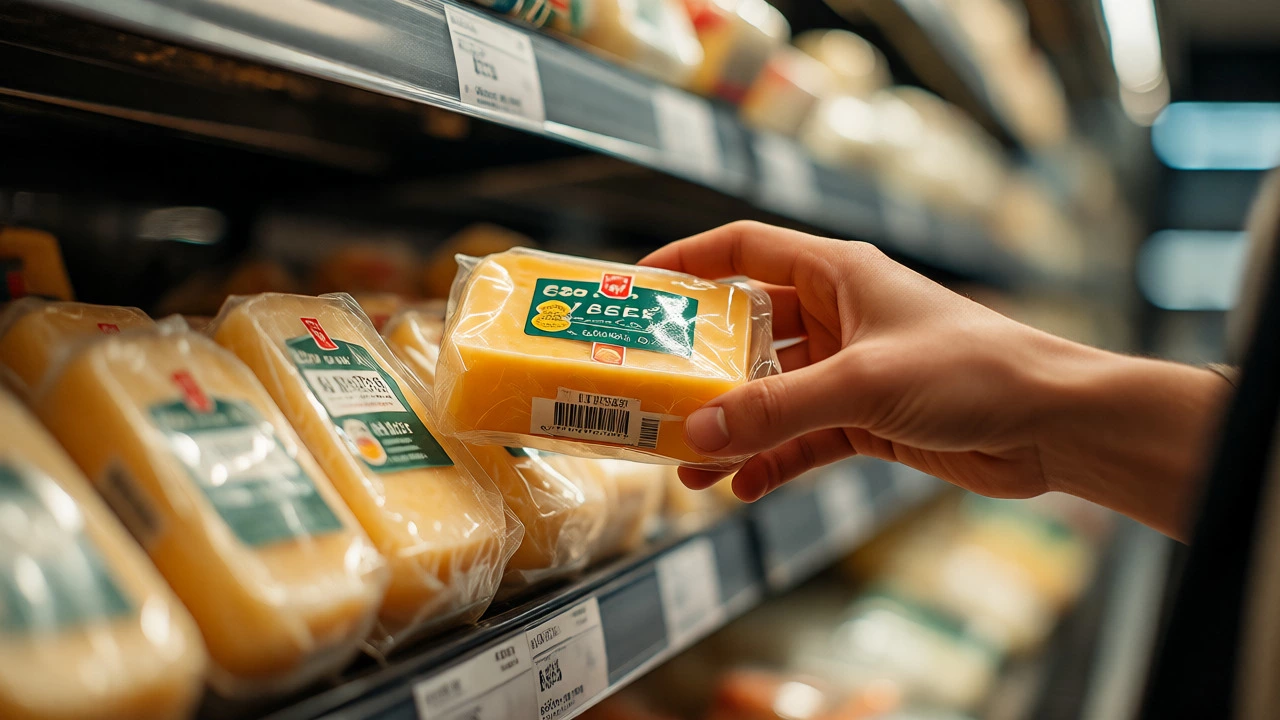
Cheese Vegetarian Checker
Not sure if your favorite cheese is vegetarian? Select a cheese type or enter a label term below to check its status.
Results will appear here after you select an option or enter a term.
Quick Reference Guide
- Safe Look for: "Microbial Enzymes", "Non-Animal Rennet", "Vegetarian Rennet", "Lemon Juice/Vinegar".
- Check Ambiguous terms: "Chymosin" (could be animal), "Coagulant" (vague).
- Avoid Terms: "Animal Rennet", "Calf Stomach", "Abomasum", Traditional DOP seals without veg claim.
You’re at the grocery store, staring at a block of cheddar. You’ve been vegetarian for years, but a friend just told you that most hard cheeses aren’t actually vegetarian because they contain animal rennet. Panic sets in. Did you accidentally eat animal stomach lining for the last decade? Is your grilled cheese sandwich suddenly off-limits?
The short answer is: yes, vegetarians can eat cheese, but not all cheese is created equal. The confusion stems from how cheese is made. While milk is vegetarian-friendly (assuming you don’t mind the ethical implications of dairy farming itself), the coagulant used to turn liquid milk into solid curds often comes from calves. But here’s the good news: technology has changed the game. Today, a huge portion of the world’s cheese is made using non-animal enzymes.
If you want to keep your mac and cheese dreams alive without compromising your dietary ethics, you need to know what to look for on the label. It’s not about avoiding cheese; it’s about knowing which ones are safe. Let’s break down exactly what makes cheese vegetarian or non-vegetarian, so you never have to guess again.
The Core Issue: What Exactly Is Rennet?
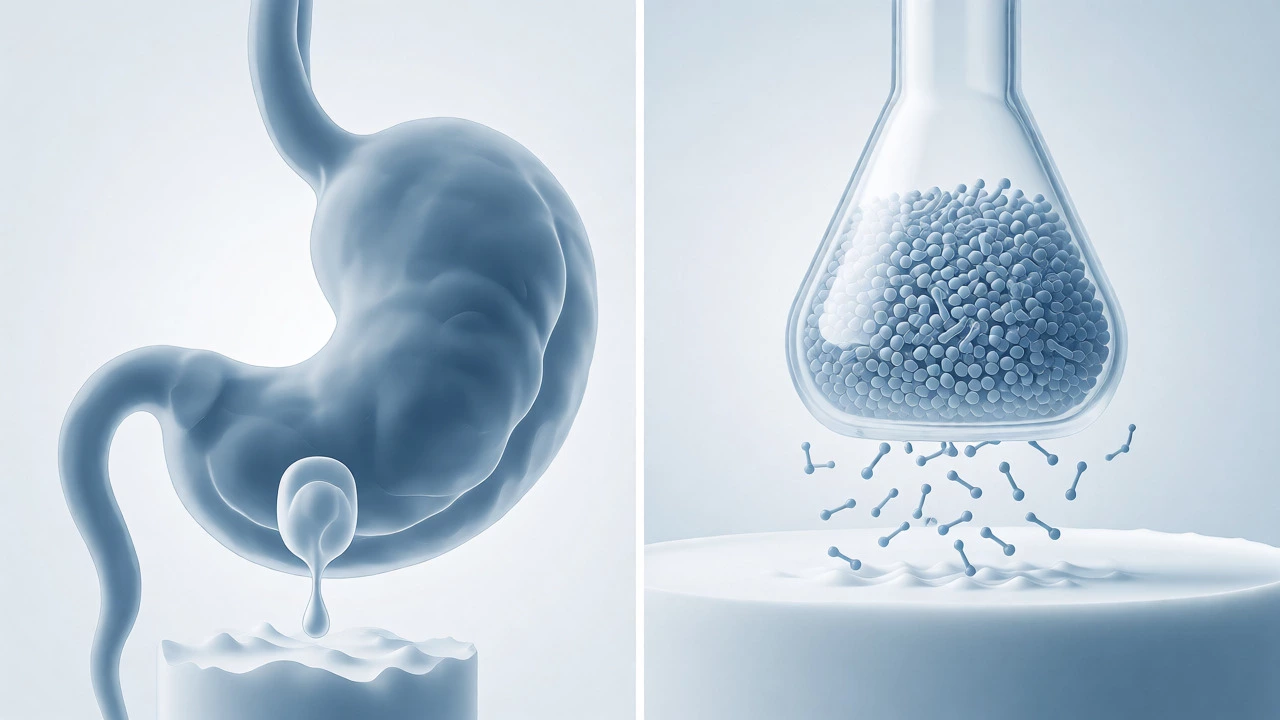
To understand why some cheese isn’t vegetarian, you have to look at the chemistry of cheese-making. Milk is mostly water and protein. To make cheese, you need to separate the solids (curds) from the liquids (whey). This requires an enzyme called rennet.
Traditional rennet is extracted from the fourth stomach of unweaned calves, known as the abomasum. Why calves? Because their stomachs produce high levels of chymosin, an enzyme specifically designed to digest mother’s milk. When this enzyme hits cow’s milk, it clots it instantly. Without this clotting action, you’d just have warm, sour milk forever.
For strict vegetarians, consuming any part of an animal-including the stomach lining used to extract the enzyme-is a no-go. Even though the amount of actual animal tissue in the final cheese is microscopic, the process involves killing the calf. Most traditional European cheeses like authentic Parmigiano-Reggiano, Gorgonzola, and many French Bries rely on this animal-derived ingredient. If you’re eating these, you’re technically eating a product derived from slaughter.
The Vegetarian Alternatives That Actually Work
So, if animal rennet is out, how do we get our cheese fix? Enter the alternatives. The food industry developed three main types of non-animal coagulants, and they work surprisingly well.
- Microbial Rennet: This is the oldest alternative. Scientists found certain molds and fungi that produce enzymes similar to chymosin. These microbes ferment and create a coagulant that works on milk. It’s cheap and widely available. However, it can sometimes leave a bitter aftertaste if the cheese ages too long, which is why you’ll mostly see it in soft cheeses like cottage cheese or fresh mozzarella.
- Fermentation-Produced Chymosin (FPC): This is the gold standard for modern vegetarian cheese. In the 1970s, scientists figured out how to insert the gene for bovine chymosin into bacteria or yeast. These genetically modified organisms then produce the exact same enzyme found in calf stomachs, but they do it in a lab vat. The result? A pure, vegetarian-friendly enzyme that tastes identical to the real thing. No animals are harmed, and the quality is top-tier.
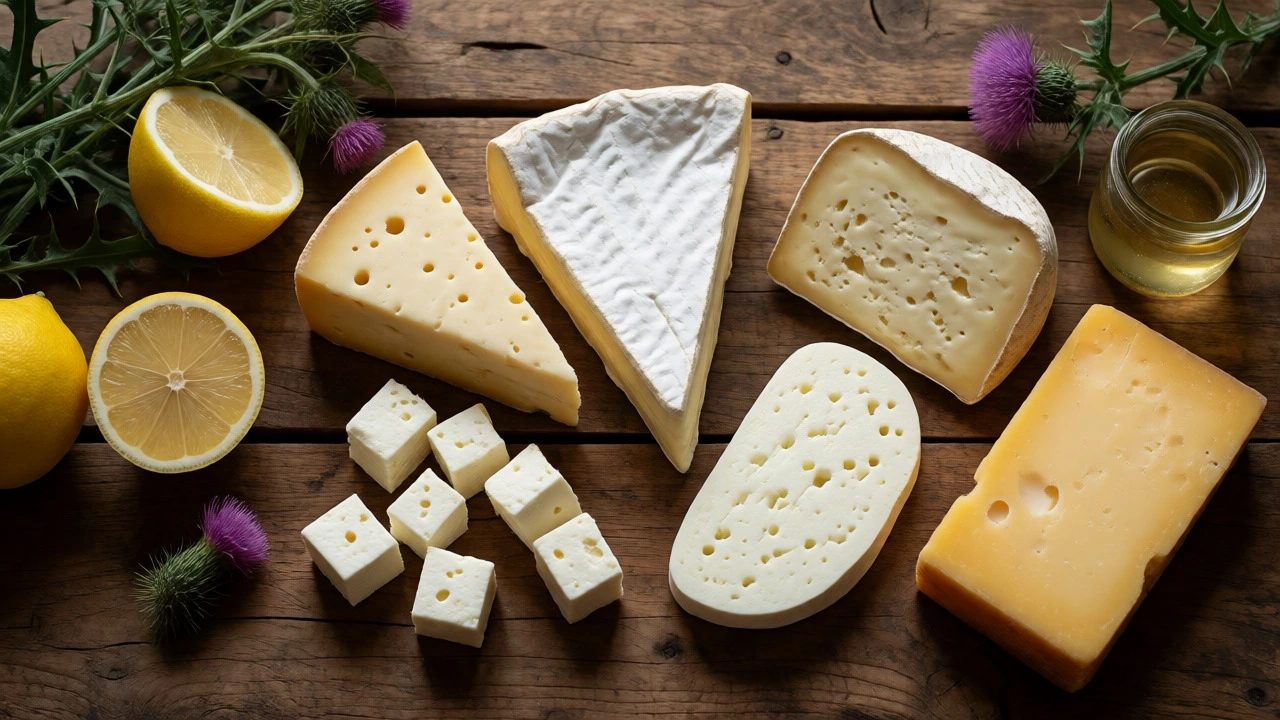
- Plant-Based Coagulants: Some traditional cheeses use plant extracts. Thistle cardoon, fig sap, and nettle stinging hairs have natural clotting properties. You might find these in specific artisanal cheeses, particularly in Spain and Portugal. They give the cheese a distinct, slightly bitter flavor profile that pairs well with strong wines.
Here’s a quick reality check: FPC accounts for over 90% of the cheese market in countries like Australia and the US. So, statistically, if you grab a random block of cheddar from a supermarket shelf, there’s a very high chance it’s already vegetarian-friendly. You just need to verify.
How to Read Labels Like a Pro
Labeling laws vary by country, which makes things tricky. In Australia, where I live, labeling is relatively transparent, but you still need to be vigilant. Here is what you should look for on the packaging.
| Label Term | What It Means | Vegetarian Status |
|---|---|---|
| Animal Rennet | Derived from calf stomachs. | Not Vegetarian |
| Microbial Enzymes | Derived from fungi or bacteria. | Vegetarian Friendly |
| Non-Animal Rennet | Usually Fermentation-Produced Chymosin (FPC). | Vegetarian Friendly |
| Chymosin | Ambiguous. Could be animal or FPC. Check for "non-animal" qualifier. | Check Further |
| Coagulant | Vague term. Often implies animal source unless specified. | Risk Factor |
In Australia, if a cheese uses animal rennet, it must usually be declared. Look for phrases like "contains animal rennet" or "made with traditional rennet." If it says "suitable for vegetarians," you’re in the clear. In the EU, regulations are stricter, requiring clearer origin labeling. In the US, it’s more of a voluntary labeling game, so you often have to contact the manufacturer directly if the label is silent.
Cheeses That Are Almost Always Safe
You don’t need to scrutinize every single wrapper. Some cheeses are almost universally made with non-animal rennets because of their production methods or scale.
- Cream Cheese: Brands like Philadelphia typically use lactic acid fermentation rather than rennet. It’s thickened through bacterial culture, not enzymatic clotting. Safe bet.
- Mozzarella (Mass Market): Most pizza mozzarella sold in supermarkets uses microbial or FPC rennet to ensure consistency and low cost. Check the brand, but it’s likely fine.
- Cottage Cheese: Similar to cream cheese, it relies heavily on acid and bacterial cultures. Rarely uses animal rennet.
- Paneer: This Indian cheese is made by curdling milk with lemon juice or vinegar. No enzymes involved at all. Completely vegetarian.
- Acid-Set Cheeses: Ricotta and Mascarpone are often made by heating whey or cream with acid. Since heat denatures proteins enough to coagulate them, no rennet is needed. Just watch out for added stabilizers if you’re strictly vegan, but for vegetarians, these are great options.
The High-Risk List: Cheeses to Double-Check
On the flip side, some cheeses have protected status or traditional recipes that mandate animal rennet. If you buy these, assume they are not vegetarian unless explicitly stated otherwise.
- Parmigiano-Reggiano: Authentic Italian Parmesan must use calf rennet by law. If it doesn’t say "Parmigiano-Reggiano," it might be generic parmesan made with vegetable rennet. Check the DOP seal carefully.
- Gorgonzola: Traditional blue mold development often relies on animal enzymes, though some modern producers switch to microbial. Always read the label.
- Grana Padano: Another Italian giant that traditionally uses animal rennet.
- Many Artisanal Farmhouse Cheeses: Small-batch producers often pride themselves on traditional methods, which includes sourcing local calf rennet. If you’re buying from a farmers' market, ask the vendor directly. Don’t assume "local" means "vegetarian."
What About Lacto-Vegetarians vs. Vegans?
It’s crucial to distinguish between vegetarianism and veganism here. Vegetarians consume dairy, so they are okay with milk, butter, and cheese produced with non-animal rennet. Vegans avoid all animal products, including milk. Therefore, even if a cheese is made with microbial rennet, it is still not vegan because the base ingredient-milk-comes from a cow.
If you are lacto-vegetarian, your focus is solely on the rennet. If you are vegan, you need to look for plant-based cheese alternatives made from nuts, soy, or coconut oil. But remember, some "vegan cheeses" use casein, a milk protein, which is vegetarian but not vegan. Always read the ingredient list twice.
Practical Tips for Shopping and Cooking
Living as a vegetarian in a cheese-loving culture like Australia’s requires a bit of strategy. Here are some actionable tips to keep your kitchen stress-free.
- Stick to Trusted Brands: Major brands like Bega, Saputo, and Fonterra clearly label their vegetarian status. Once you find a brand you trust, stick with it. Their supply chains rarely change without notice.
- Use Apps: There are apps like HappyCow or specific vegetarian scanner apps that allow you to scan barcodes and check ingredients. This saves time in the aisle.
- Call the Manufacturer: If you fall in love with a small-batch cheese but the label is vague, call them. Customer service lines are usually happy to clarify whether they use animal or microbial rennet. This builds a relationship with local producers who appreciate conscious consumers.
- Cook with Acid: When making homemade cheese, skip the rennet entirely. Use lemon juice or white vinegar to curdle hot milk. You’ll get a simple ricotta or paneer that is guaranteed vegetarian and takes less than 30 minutes.
Don’t let the fear of hidden ingredients ruin your appetite. Cheese is a staple of vegetarian diets for a reason-it provides protein, calcium, and fat-soluble vitamins. By understanding the role of rennet and learning to read labels, you reclaim control over your diet. You can enjoy a rich, creamy brie or a sharp cheddar without wondering if you broke your own rules. It’s not about restriction; it’s about informed choice.
Is all cheese vegetarian?
No. Traditional cheeses often use animal rennet, which is derived from the stomach lining of calves. However, many modern cheeses use microbial or fermentation-produced chymosin, which are vegetarian-friendly. You must check the label to be sure.
Does vegetarian cheese taste different?
Generally, no. Fermentation-Produced Chymosin (FPC) creates the same chemical reaction as animal rennet, resulting in identical texture and flavor. Microbial rennet can sometimes cause bitterness in aged cheeses, but mass-market products are formulated to minimize this.
Can vegans eat cheese?
No, traditional cheese is not vegan because it is made from animal milk. Vegans consume plant-based cheese alternatives made from ingredients like cashews, almonds, soy, or coconut oil. Note that some plant-based cheeses contain casein (a milk protein), which is vegetarian but not vegan.
Why is Parmesan cheese not vegetarian?
Authentic Parmigiano-Reggiano is protected by Italian law, which mandates the use of traditional animal rennet. Generic "parmesan" found in shakers may use vegetable rennet, so always check the specific product label.
What does "microbial rennet" mean?
Microbial rennet is an enzyme derived from fungi or bacteria that mimics the action of animal rennet. It is suitable for vegetarians because no animals are killed or injured in its production.