
Meat Alternative Matchmaker
Staring at the supermarket aisle? Let's find the right substitute for your meal.
Chef's Tip:
Select options to see recommendations.
You’re standing in the supermarket aisle, staring at a wall of products that claim to taste like steak but cost more than the real thing. You want the savory depth of meat without the ethical or health baggage, but you don’t know where to start. Is it tofu? Seitan? Those weird frozen nuggets? The truth is, there is no single "best" meat alternative because each one serves a different purpose on your plate. Choosing the right one depends entirely on what you are cooking and what texture you crave.
Think about why people miss meat. It’s rarely just about flavor; it’s about the mouthfeel-the chew of a burger, the flake of a fish fillet, or the crisp of bacon. If you swap a soft tofu cube into a stir-fry expecting the bite of beef, you’ll be disappointed every time. But if you press that tofu first, marinate it, and pan-sear it until golden, suddenly it transforms. This guide breaks down the top contenders in the plant-based pantry, not by hype, but by how well they actually perform in your kitchen.
Understanding the Plant-Based Protein Landscape
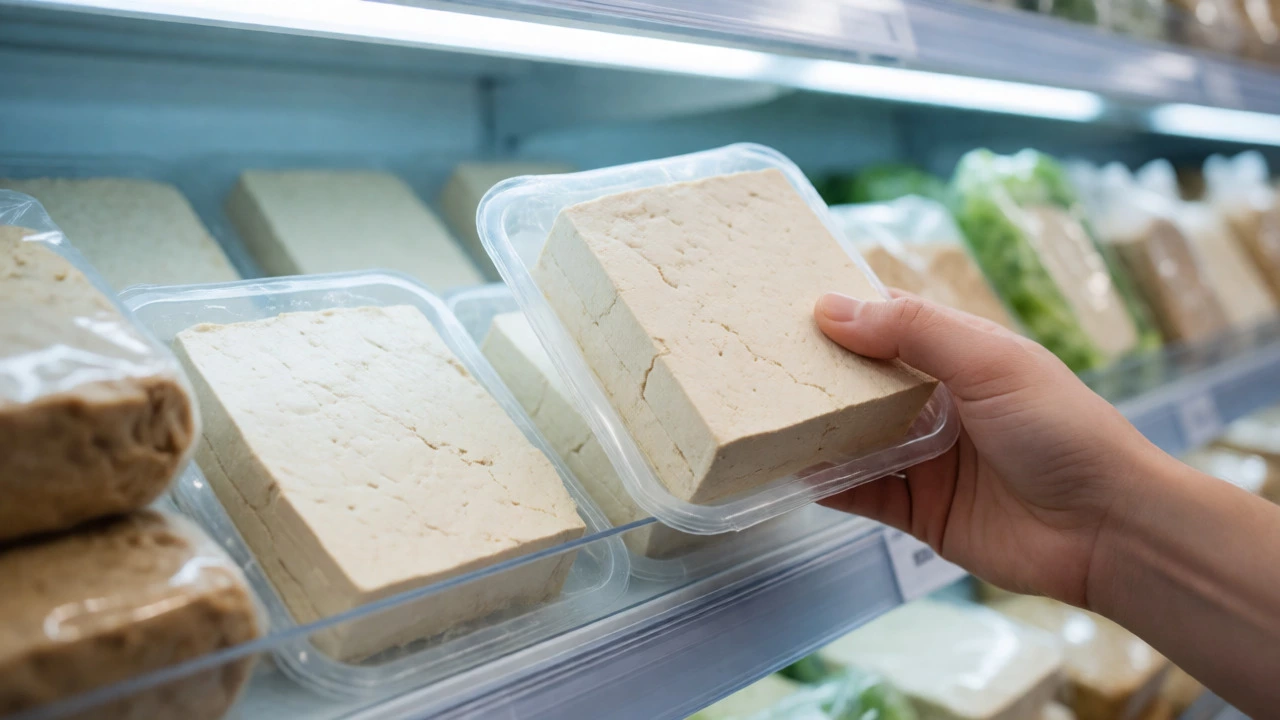
Before we pick a winner, let’s look at the field. Tofu is made from curdled soy milk, pressed into blocks. It’s mild, absorbs flavors like a sponge, and comes in silken, firm, and extra-firm varieties. Unlike meat, which has its own strong identity, tofu is a canvas. This makes it versatile but also tricky; bad tofu preparation is the number one reason people give up on vegetarianism.
Then there is Seitan, often called "wheat meat." It’s made from vital wheat gluten, washed to remove starch, leaving behind pure protein strands. The result is dense, chewy, and incredibly high in protein-about 25 grams per 3-ounce serving. If you love the texture of chicken breast or beef jerky, seitan is your closest ally. However, it contains gluten, so it’s off the table for anyone with celiac disease or gluten sensitivity.
Don’t forget Tempeh. Originating from Indonesia, this fermented soy product has a nutty, earthy flavor and a firm, sliceable texture. Because it’s fermented, it’s easier to digest for many people and offers probiotic benefits. It doesn’t mimic meat perfectly, but it brings a unique complexity that works beautifully in hearty stews and sandwiches.
Texture Matchmaking: Which Alternative Fits Your Dish?
The biggest mistake vegetarians make is treating all meat substitutes as interchangeable. They aren’t. Here is how to match the substitute to the dish:
- For Stir-Fries and Skewers: Use Extra-Firm Tofu or Tempeh. Press the water out of tofu before cooking to ensure it browns rather than steams. Tempeh holds its shape better under high heat and adds a nice crunch.
- For Burgers and Patties: Go for Black Beans, Lentils, or Commercial Blends. Homemade bean burgers need binders like oats or breadcrumbs. Commercial options often use pea protein or methylcellulose to mimic the juiciness of beef fat.
- For Fajitas and Tacos: Jackfruit is the star here. Young green jackfruit has a fibrous texture that shreds exactly like pulled pork or chicken when cooked with spices. It’s low in protein but high in fiber and potassium.
- For High-Protein Needs: Choose Seitan or Edamame. If you’re an athlete or trying to hit macro targets, these are your heavy hitters. Seitan can be sliced thin for Philly cheesesteaks or cubed for skewers.
| Alternative | Primary Ingredient | Protein (per 100g) | Best For | Key Consideration |
|---|---|---|---|---|
| Tofu | Soybeans | 8-15g | Stir-fries, scrambles, smoothies | Mild flavor; requires marinating |
| Seitan | Wheat Gluten | 25g | Chewy textures, sandwiches, grilling | Contains gluten; high sodium |
| Tempeh | Fermented Soy | 19g | Hearty bowls, marinades, frying | Nutty flavor; distinct texture |
| Lentils | Legumes | 9g | Bolognese, soups, patties | Breaks down easily; earthy taste |
| Jackfruit | Fruit | 1.7g | Pulled "pork," tacos, curries | Low protein; high carb/fiber |
Nutritional Reality Check: Are You Getting Enough?
Let’s address the elephant in the room: protein quality. Animal meat provides all nine essential amino acids in perfect ratios. Most plants do not. Soy (tofu and tempeh) is a complete protein, meaning it has them all. Quinoa and buckwheat are too. But if you rely solely on lentils or beans, you might miss out on certain amino acids unless you pair them with grains. Rice and beans together form a complete protein profile, a staple in cuisines worldwide for good reason.
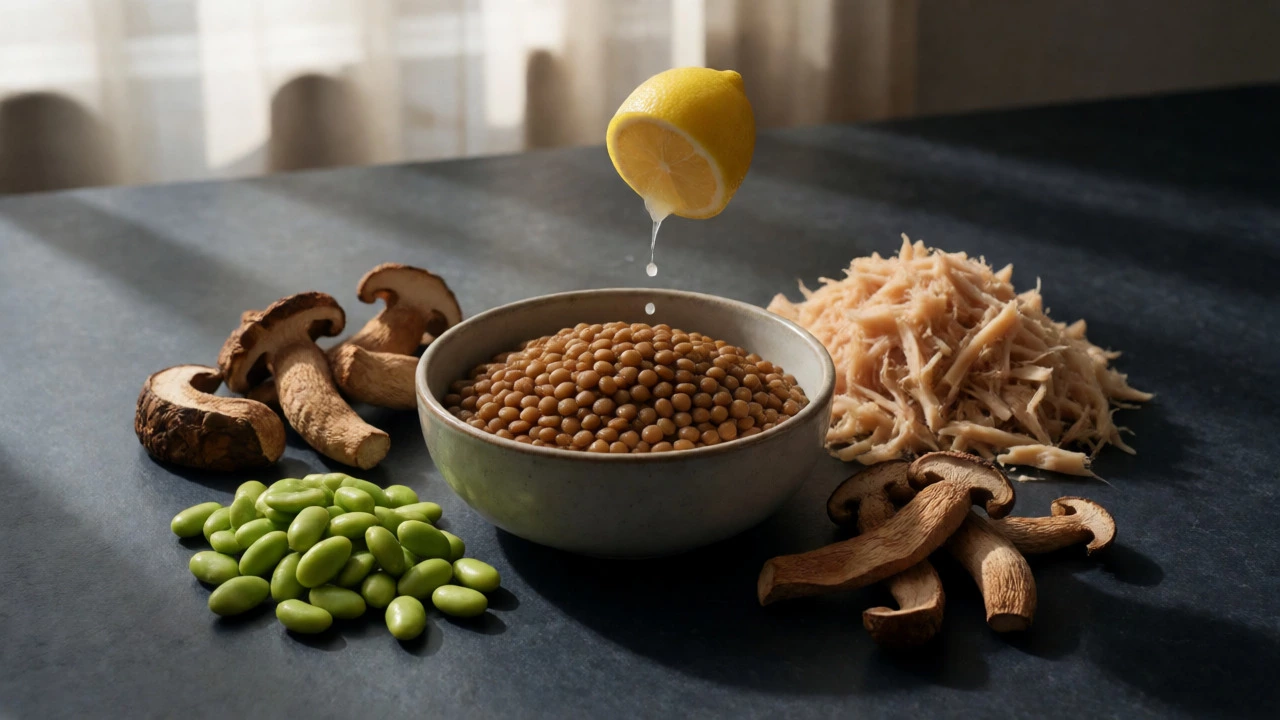
Another factor is bioavailability. Iron from plants (non-heme iron) is harder for your body to absorb than iron from meat. To fix this, always pair iron-rich foods like spinach, lentils, or fortified cereals with vitamin C. Squeeze some lemon juice over your salad or have an orange with your breakfast. This simple trick can increase iron absorption by up to six times. Many vegetarians skip this step and end up feeling tired, blaming the diet instead of the pairing.
Watch out for sodium. Processed meat alternatives, especially seitan and store-bought veggie burgers, are often loaded with salt to enhance flavor and preservation. A single serving of commercial seitan can contain nearly half your daily recommended limit. Always check the label. If you’re making seitan at home using vital wheat gluten flour, you control the sodium content completely.

Cooking Techniques That Transform Texture
Even the best ingredient fails if cooked poorly. Here are three techniques that separate amateur attempts from restaurant-quality results:
- The Freeze-Thaw Method for Tofu: Buy firm tofu, freeze the whole block overnight, then thaw it. The freezing process creates pockets inside the tofu, making it spongier. When you press it, it releases more water and absorbs marinade deeply. The texture becomes chewier, closer to chicken. This takes zero effort and changes everything.
- Dehydrating Mushrooms: While not a direct meat replacement, dried porcini or shiitake mushrooms offer umami bombs that mimic the savory depth of meat broth. Rehydrate them and chop finely to add to lentil loaves or sauces. They provide the "meaty" satisfaction without being a primary protein source.
- High-Heat Searing: Don’t crowd the pan. Whether you’re cooking tempeh slices or seitan strips, give them space. Moisture is the enemy of browning. If the pan is crowded, the food steams instead of searing. Wait for the Maillard reaction-that brown crust-to develop before flipping. That crust carries the flavor.
When to Choose Whole Foods Over Processed Options
There is a growing market for hyper-processed plant-based meats-those bleeding beetroot burgers and chicken-like nuggets. They taste surprisingly close to animal products, thanks to advanced food science involving heme proteins and extrusion technology. But should you eat them daily?
If you’re transitioning from a carnivorous diet and struggling with cravings, these products are excellent tools. They bridge the psychological gap. However, relying on them exclusively isn’t ideal for long-term health. They often contain refined oils, stabilizers, and additives. Aim for a balance. Use a processed patty for a backyard BBQ where social norms matter, but stick to whole-food bases like lentils, beans, tofu, and vegetables for your weeknight dinners.
Consider your budget, too. A block of tofu costs less than $2. A box of premium plant-based chicken strips can cost $8-$10. If you’re feeding a family, those costs add up quickly. Learning to cook with basic ingredients saves money and gives you control over what goes into your body.
Common Pitfalls and How to Avoid Them
The most common complaint from new vegetarians is blandness. Why? Because they removed the meat but didn’t replace the seasoning. Meat carries fat, and fat carries flavor. Without it, dishes can feel dry and flat. Compensate by using healthy fats: avocado oil, olive oil, nuts, seeds, and tahini. These add richness and help carry spices.
Another pitfall is ignoring acidity. Vinegar, citrus juice, and tomatoes brighten plant-based dishes. A squeeze of lime on black bean tacos cuts through the heaviness of the beans. A splash of balsamic vinegar on roasted mushrooms enhances their earthiness. Taste your food critically. Does it need salt? Acid? Heat? Adjust accordingly.
Finally, don’t underestimate the power of smoke. Smoked paprika, liquid smoke, or chipotle peppers can replicate the charred flavor of grilled meat. Sprinkle smoked paprika on roasted cauliflower steaks, and you’ll swear you’re eating something else entirely.
Frequently Asked Questions
Is tofu healthier than meat?
Generally, yes. Tofu is lower in saturated fat and calories compared to most cuts of red meat. It also contains no cholesterol. However, meat provides higher levels of vitamin B12, heme iron, and zinc. A balanced vegetarian diet should include fortified foods or supplements to cover these gaps.
Can I get enough protein from vegetarian sources alone?
Absolutely. By combining various plant proteins like legumes, grains, nuts, seeds, and soy products throughout the day, you can meet your protein needs. Athletes may need to plan meals more carefully, focusing on high-protein options like seitan, tempeh, and edamame.
What is the easiest meat substitute for beginners?
Lentils and canned beans are the easiest starting points. They require minimal prep, are inexpensive, and work in almost any savory dish. If you prefer a meat-like texture, try pre-marinated tofu or tempeh from the refrigerated section, as they already have flavor built-in.
Why does my tofu taste bitter?
Bitterness usually comes from old tofu or improper storage. Check the expiration date and ensure the package was sealed properly. Also, rinsing tofu thoroughly after pressing can remove any residual coagulant taste. Cooking it with strong aromatics like garlic and ginger masks any subtle off-flavors.
Is seitan safe for everyone?
No. Seitan is made from wheat gluten, so it is unsafe for people with celiac disease or non-celiac gluten sensitivity. For those who tolerate gluten, it is a highly nutritious, low-fat protein source, though it can be high in sodium depending on the brand or recipe.