
Slow Cooker Meat Selector
Not sure which cut to buy? Select what you want to make, and we'll recommend the best meat for the job.
Quick Reference Guide
| Cut Name | Best For | Fat Content | Why It Works |
|---|---|---|---|
| Beef Chuck | Pot Roast, Stews | High | Collagen melts into gelatin; very forgiving. |
| Pork Shoulder | Pulled Pork, Carnitas | Very High | Becomes fall-apart tender; rich flavor. |
| Lamb Shanks | Risotto, Ragù | Moderate | Bone-in adds richness; elegant result. |
| Chicken Thighs | Tacos, Curries | Moderate | Stays juicy unlike breasts; great texture. |
| Lean Steaks | Avoid in Slow Cooker | Low | Dries out; becomes tough/stringy. |
You’ve probably been there. You throw a lean, expensive steak into the slow cooker and walk away for eight hours, only to come back to a pot of dry, stringy disappointment. It’s frustrating because you did everything right by the clock, but wrong by the biology of the meat. The truth is, not all beef is created equal when it comes to low-and-slow cooking. In fact, the cheaper cuts are almost always better than the premium ones.
Here is the secret that grocery store marketing won’t tell you: collagen is your best friend in a slow cooker. When you cook tough muscles with lots of connective tissue at low temperatures for a long time, that collagen melts into gelatin. This process does two things: it makes the meat incredibly tender and it creates a rich, silky sauce without needing any added thickeners. If you use a lean cut like a sirloin or a pork loin, you miss out on this magic. The muscle fibers tighten up and squeeze out their moisture, leaving you with something resembling shoe leather.
Why Tough Cuts Win in the Pot
To understand what works, you have to look at where the animal uses its muscles. Animals like cows and pigs have muscles they use constantly for standing and walking. These muscles get strong and develop dense networks of connective tissue to support the weight. Think about the leg or the shoulder area. These parts are hardworking, so they are tough raw but become fall-apart delicious when braised slowly.
On the flip side, muscles that don’t do much work-like the back or the loin-are tender naturally. They are perfect for grilling quickly over high heat. But if you subject them to ten hours of gentle simmering, they overcook internally even though the temperature is low. The proteins coagulate too tightly, and the juices evaporate. So, when you’re picking out your next dinner, ignore the price tag and look for marbling and toughness instead.
The Gold Standard: Beef Chuck Roast
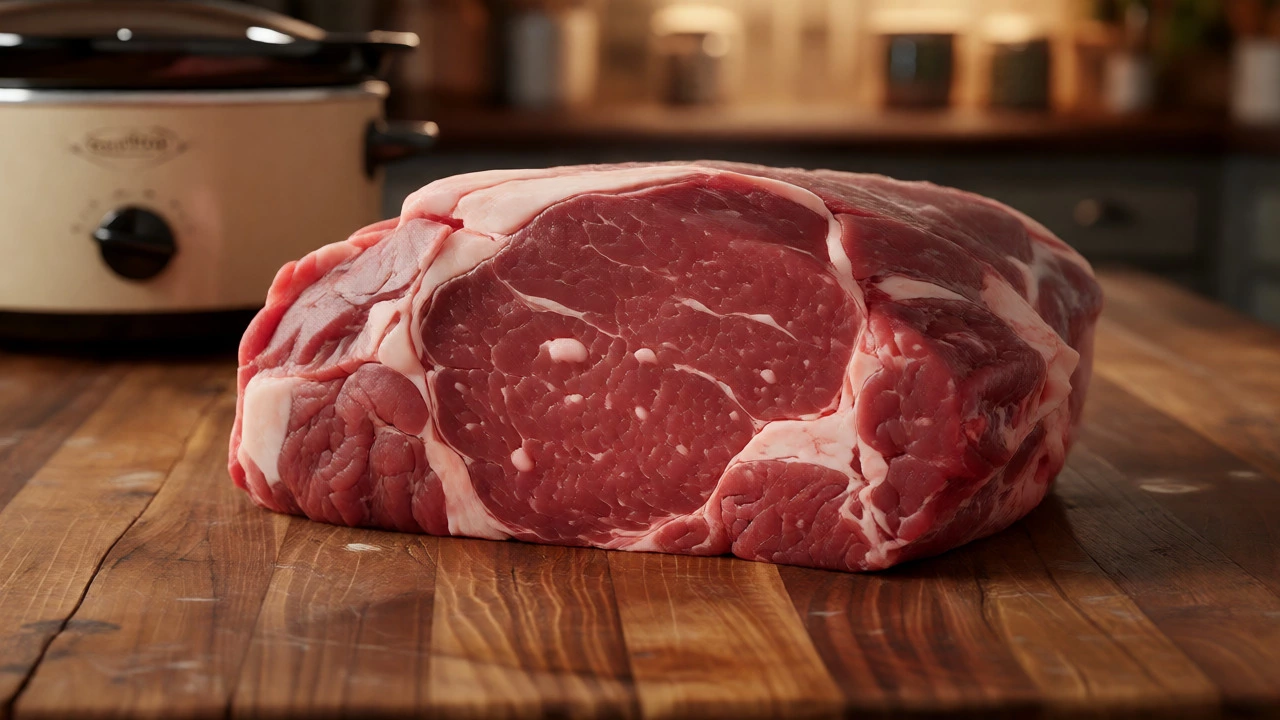
If you ask any experienced home cook for the number one answer to "what cut of meat is good for slow cooker," they will almost certainly say beef chuck. Also known as chuck roast or bottom blade, this cut comes from the shoulder region of the cow. It is arguably the most forgiving and flavorful option available.
Beef chuck has a high fat content interspersed with heavy connective tissue. As it cooks, the fat renders down and bastes the meat from the inside, while the collagen breaks down into that glorious gelatin mentioned earlier. This results in a dish that is moist, savory, and deeply satisfying. It’s the classic choice for pot roasts, stews, and pulled beef sandwiches.
- Best for: Pot roast, beef stew, pulled beef for tacos or sliders.
- Cooking Time: 8-10 hours on Low.
- Prep Tip: Sear the chunks in a hot pan before adding them to the pot. This adds depth of flavor through the Maillard reaction, which the slow cooker alone cannot achieve.
Don’t be afraid of the fat cap. While some people trim it off, leaving a little bit ensures the final dish isn’t dry. If you find the finished gravy too greasy, you can simply chill the liquid and skim the solidified fat off the top before reheating.
Pork Shoulder: The King of Pulled Pork
Moving away from beef, pork shoulder (often sold as Boston butt or pork butt) is another heavyweight champion of the slow cooker world. Despite the name "butt," this cut actually comes from the upper part of the pig's front leg, just above the shoulder joint.
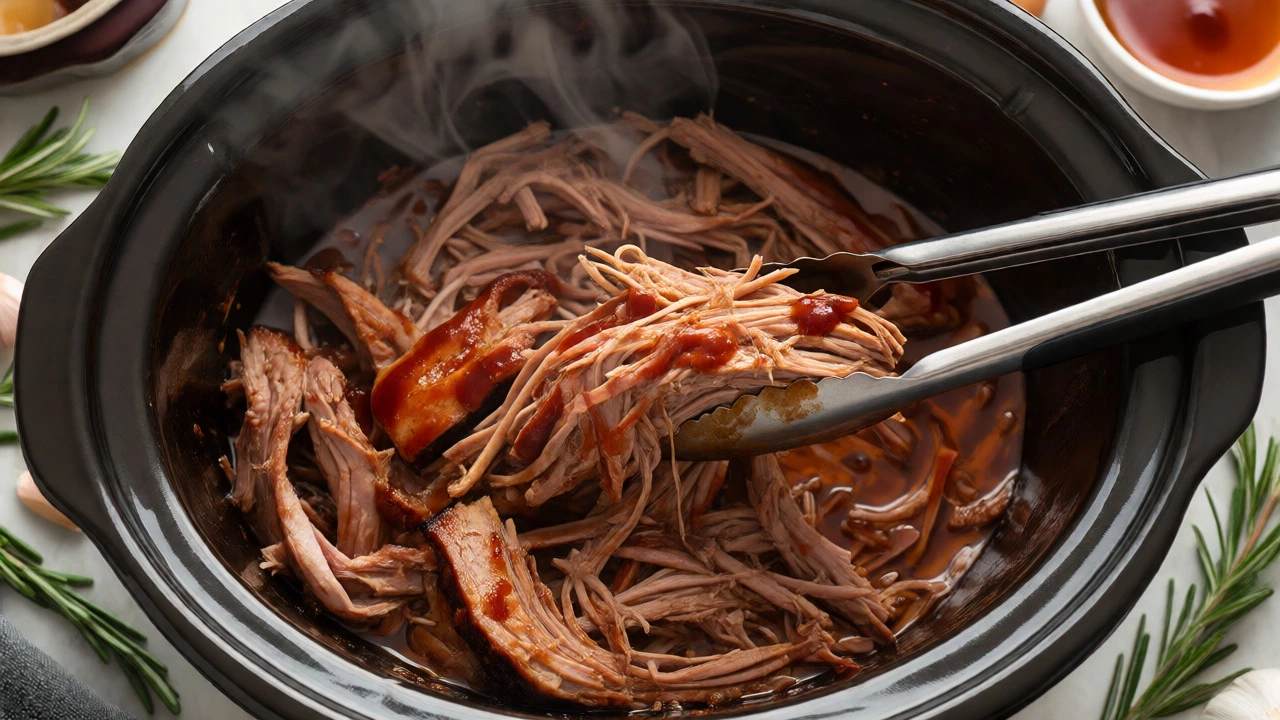
This cut is heavily marbled with fat and connective tissue, making it ideal for long cooking times. It is the definitive choice for pulled pork. When cooked correctly, the meat separates easily into strands with just a fork. The flavor is robust and pairs beautifully with sweet and tangy barbecue sauces, apple cider vinegar-based marinades, or Asian-inspired hoisin glazes.
| Cut Name | Animal Source | Fat Content | Best Use Case |
|---|---|---|---|
| Beef Chuck | Cow (Shoulder) | High | Pot Roast, Stew |
| Pork Shoulder | Pig (Upper Leg) | Very High | Pulled Pork, Carnitas |
| Lamb Shanks | Sheep (Lower Leg) | Moderate | Risotto, Ragù |
| Chicken Thighs | Chicken (Leg) | Moderate | Tacos, Curries |
A common mistake with pork shoulder is trying to slice it after cooking. Because the structure breaks down so completely, slicing usually results in messy, uneven pieces. Instead, plan to shred it. This texture is perfect for sandwiches, loaded nachos, or serving over rice bowls.
Lamb Shanks: Elegant and Easy
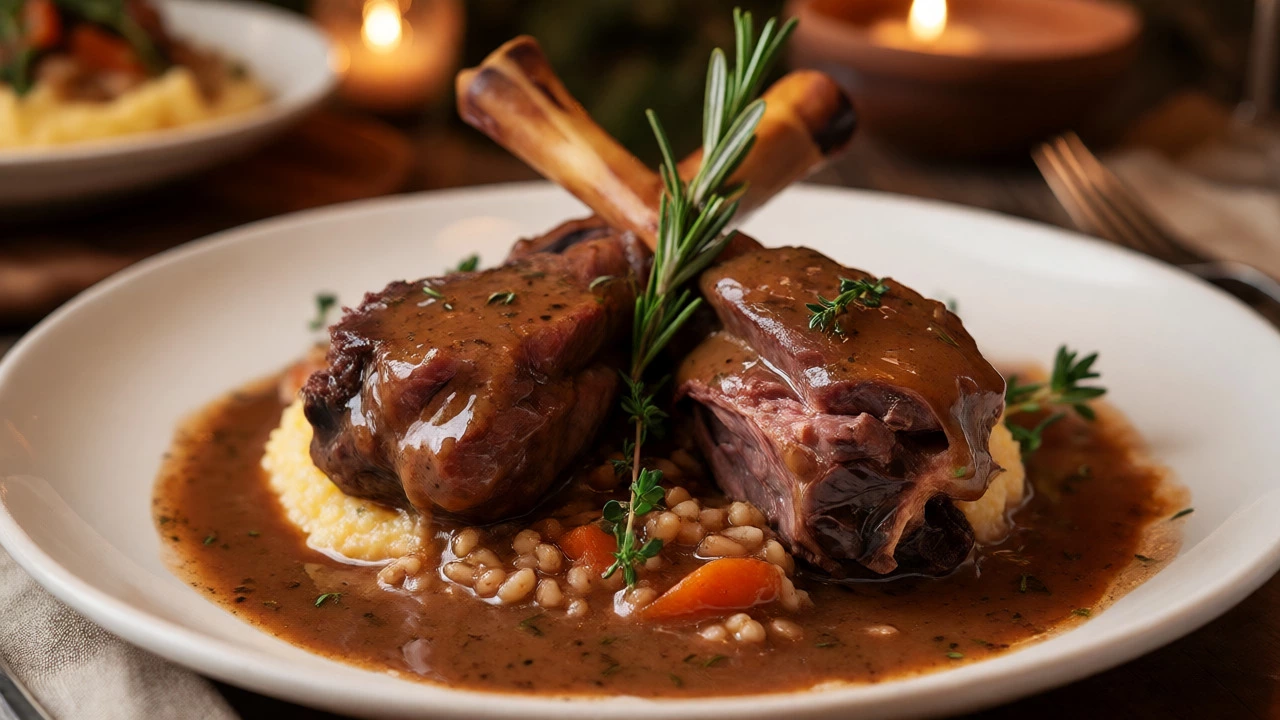
If you want to impress guests without spending all day in the kitchen, grab some lamb shanks. These are the lower legs of the sheep, containing a central bone surrounded by meat and tendon. Lamb is naturally tougher than chicken or pork, requiring longer cooking times to break down those stubborn fibers.
The slow cooker handles lamb shanks exceptionally well. The result is meat that falls off the bone with zero effort. The gelatin released during cooking thickens the surrounding liquid, creating a luxurious sauce that coats vegetables and grains perfectly. Serve these over creamy polenta, mashed potatoes, or couscous for a meal that feels far more upscale than the effort required.
One tip for lamb: it can sometimes taste "gamey" if not seasoned properly. Use strong aromatics like rosemary, garlic, red wine, or cumin to balance the flavor profile. Acidic ingredients like tomatoes or lemon juice also help cut through the richness of the lamb fat.
Chicken Thighs Over Breasts
When it comes to poultry, many people instinctively reach for boneless skinless chicken breasts because they think they are healthier. For the slow cooker, however, breasts are often a trap. They are very lean and prone to drying out if left in the pot for too long.
Chicken thighs are the superior choice. They contain more intramuscular fat and connective tissue, which keeps them juicy and tender throughout the long cooking process. Bone-in thighs add even more flavor to the broth, though boneless skinless thighs are convenient and easier to eat.
If you absolutely must use chicken breasts, reduce the cooking time significantly. Four hours on Low is usually enough for diced breasts to stay moist. But if you leave whole breasts in for eight hours, they will likely turn chalky and fibrous. Thighs, on the other hand, are forgiving; you can leave them in longer, and they often taste better as they sit.
What About Ground Meat and Veal?
Ground meat, such as ground beef or turkey, works well in slow cookers for dishes like chili, sloppy joes, or Bolognese sauce. However, there is a catch. If you put raw ground meat directly into the pot, it tends to clump together into large, unappetizing balls. To fix this, brown the ground meat in a skillet first, breaking it up into small crumbles. Drain the excess grease if necessary, then transfer it to the slow cooker. This step ensures an even distribution of meat throughout your sauce.
Veal shanks are another excellent option, similar to lamb shanks but with a milder flavor. They are traditionally used for Osso Buco, an Italian classic. The marrow inside the bone adds richness to the sauce, and the meat becomes incredibly soft. Just be aware that veal is more expensive than beef or pork, so save this cut for special occasions.
Cuts to Avoid
While the list of good cuts is extensive, the list of bad ones is specific. Avoid using lean steaks like filet mignon, ribeye, or T-bone. These are designed for quick, high-heat cooking. In a slow cooker, they lose their desirable texture and become bland and tough.
Similarly, avoid pork loin chops or pork tenderloin unless you are planning a very short cooking time (under four hours). Tenderloin is extremely lean and will dry out rapidly. If you want to use pork loin, consider cutting it into smaller cubes and reducing the cook time, but expect a less juicy result compared to shoulder.
Seafood is also tricky. Delicate fish like cod or tilapia will disintegrate if cooked for too long. Squid and calamari can become rubbery. If you want seafood in your slow cooker, stick to hearty options like mussels or clams, and add them only in the last 30 minutes of cooking.
Practical Tips for Success
Now that you know which cuts to buy, here are a few rules of thumb to ensure your slow cooker meals turn out perfectly every time.
- Sear Your Meat: As mentioned, browning meat before slow cooking adds complex flavors. It doesn't seal in juices-that's a myth-but it creates tasty brown bits called fond that dissolve into your sauce.
- Don't Overfill: Fill your slow cooker between half and three-quarters full. If it's too full, the food won't heat evenly. If it's too empty, it might cook too fast or burn.
- Add Dairy at the End: Milk, cream, and sour cream can curdle if boiled for hours. Stir them in during the last 15-30 minutes of cooking.
- Use Cold Liquids: Adding boiling water or stock can shock the ceramic insert of some older models. Room temperature or cold liquids are safer and help regulate the temperature rise.
Remember, the goal of slow cooking is convenience and flavor development. By choosing the right cuts-those with built-in insurance against drying out-you set yourself up for success. Next time you're at the butcher counter, skip the premium steaks and head straight for the chuck, the shoulder, and the shanks. Your taste buds will thank you.
Can I use frozen meat in a slow cooker?
It is generally recommended to thaw meat before placing it in a slow cooker. Frozen meat takes a long time to reach a safe internal temperature, staying in the "danger zone" (between 40°F and 140°F) for too long, which can allow bacteria to grow. Additionally, frozen meat releases excess water as it thaws, potentially diluting your sauce and leading to a soggy texture.
Do I need to trim the fat from beef chuck?
You should trim large, hard chunks of fat, especially around the edges, but leave the intramuscular marbling intact. The fat inside the muscle renders down and keeps the meat moist. If you remove all visible fat, the meat may end up dry. After cooking, you can easily skim any remaining surface fat from the gravy before serving.
Why is my slow cooker meat dry?
Dry meat is usually caused by using a lean cut that lacks sufficient fat and connective tissue, or by overcooking it beyond the point where the proteins hold moisture. Switching to fattier cuts like chuck or shoulder, and ensuring you aren't cooking for significantly longer than the recipe suggests, will solve this issue.
Is pork butt the same as pork shoulder?
Yes, they come from the same general area-the upper front leg of the pig. "Pork butt" is a historical term referring to the barrel-like shape of the cut, not the rear end of the animal. Both terms refer to a well-marbled, tough cut that becomes incredibly tender when slow-cooked.
Can I put raw chicken in the slow cooker?
Yes, you can put raw chicken in the slow cooker. However, searing it first adds flavor and improves texture. If you use boneless skinless breasts, watch the cooking time closely to prevent drying out. Chicken thighs are more forgiving and remain juicy even with extended cooking times.