
Vegan Bagel Checker
Is Your Bagel Vegan?
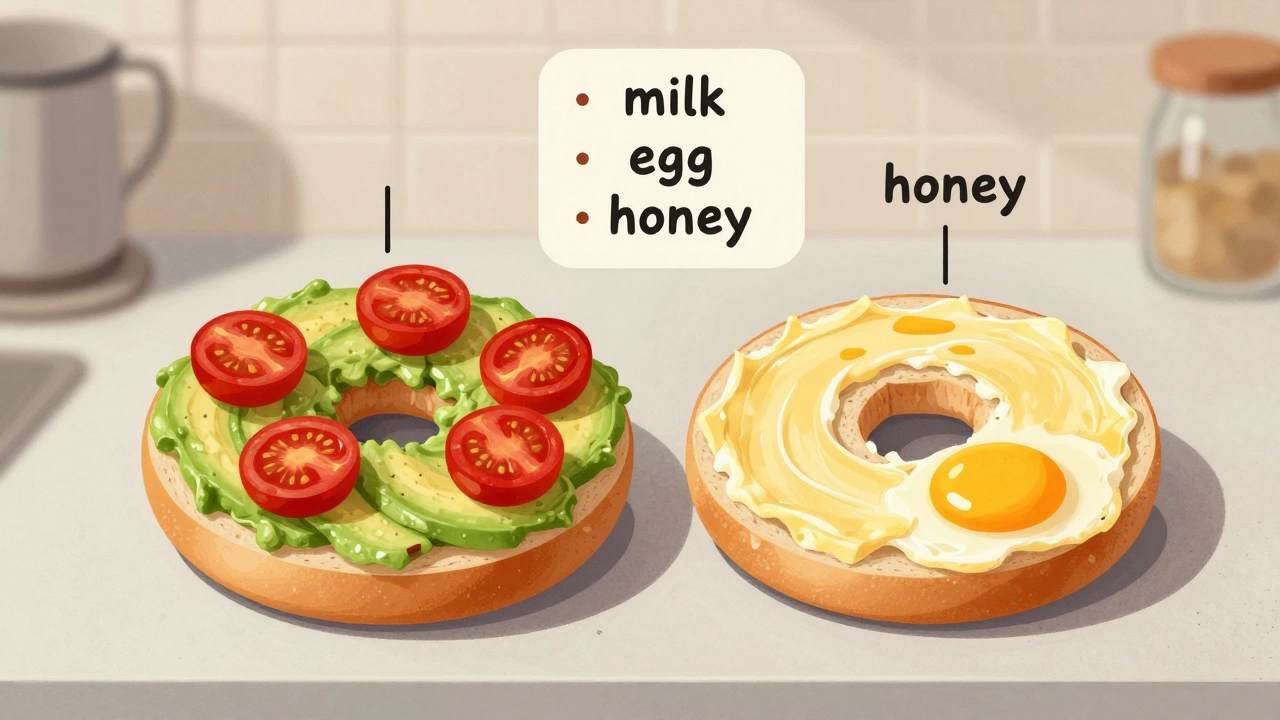
Check if your favorite bagel is vegan based on brand and flavor type. The most common non-vegan ingredients are eggs, milk, honey, and butter.
Most people assume bagels are vegan. After all, they’re just dough, right? But here’s the truth: not all bagels are vegan. Some of your favorite bagels - even the ones at popular chains - contain eggs, milk, honey, or butter. If you’re eating plant-based, you need to know what’s actually in that chewy, round bread before you bite in.
What Makes a Bagel Not Vegan?
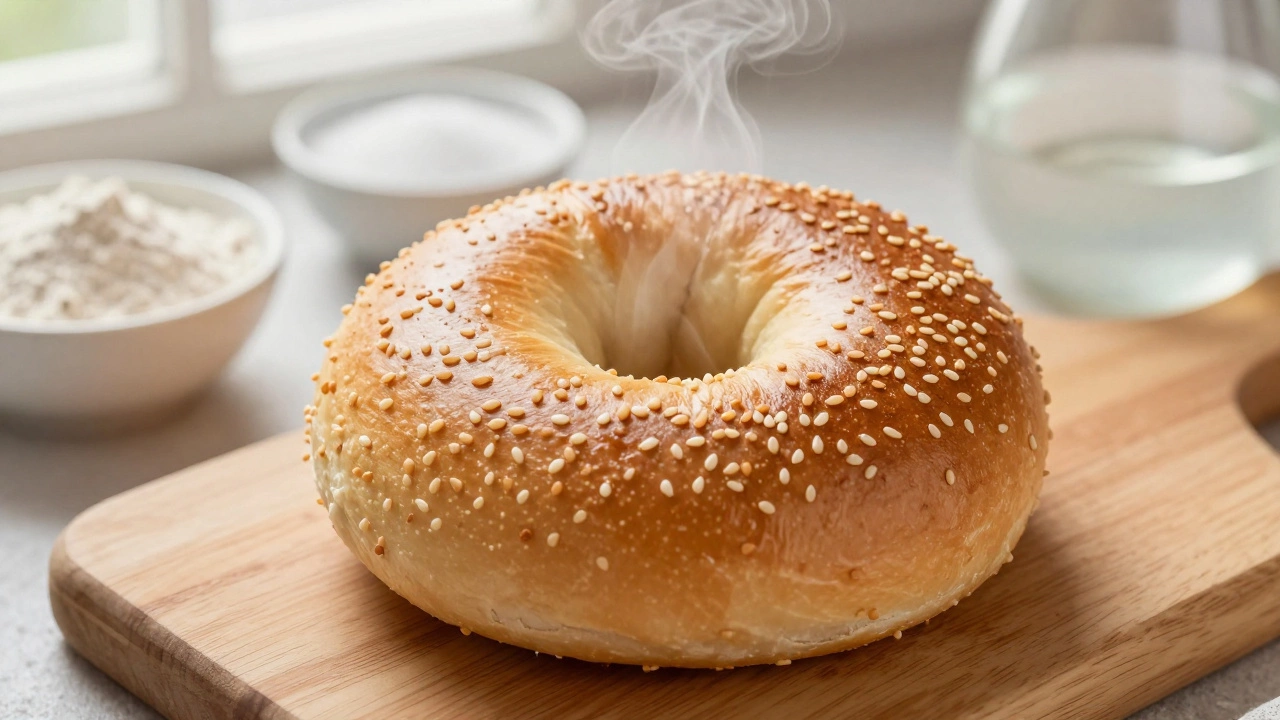
The basic recipe for a bagel is simple: flour, water, yeast, and salt. That’s it. But modern commercial production adds extras for flavor, texture, or shelf life. The most common non-vegan ingredients you’ll find are:
- Eggs - used in egg bagels and sometimes brushed on top for shine
- Milk or whey - added to dough for softness or richness
- Honey - used as a sweetener in flavored bagels like blueberry or cinnamon raisin
- Butter or lard - sometimes used in the boiling water or brushed on after baking
- Casein - a milk protein sometimes hidden in “natural flavors”
Even if a bagel doesn’t look like it has dairy or eggs, those ingredients can be hiding in plain sight. A bagel labeled “plain” might still contain milk powder. A “whole wheat” bagel could have honey. Always check the label - don’t trust the name.
Which Bagel Brands Are Vegan?
Some brands make it easy. In Australia, Manhattan Bagel and Bagel Boss list several vegan options on their websites. In the U.S., Thomas’ plain, everything, and sesame bagels are vegan (but their honey oat and cinnamon swirl are not). Starbucks offers vegan bagels like the plain, everything, and blueberry (but verify with staff - recipes change by region).
Small local bakeries are trickier. Many still use traditional recipes passed down for generations - which often include egg wash or milk in the dough. Always ask: “Is this bagel made without eggs, dairy, or honey?” Don’t be shy. Most bakers will tell you honestly.
How to Make Your Own Vegan Bagels
Once you realize how simple vegan bagels are to make, you’ll never go back to buying them. Here’s a basic recipe that works every time:
- Combine 4 cups of bread flour, 1½ tsp salt, 1 tbsp sugar (or maple syrup), and 1 packet (2¼ tsp) active dry yeast.
- Add 1¼ cups warm water and mix until a shaggy dough forms.
- Knead for 8-10 minutes until smooth and elastic.
- Let rise for 1 hour in a covered bowl.
- Shape into 8 balls, poke holes in the center, and let rest for 20 minutes.
- Boil each bagel for 1 minute per side in water with 1 tbsp baking soda.
- Drain, top with sesame seeds, poppy seeds, or nothing at all.
- Bake at 200°C for 20-25 minutes until golden brown.
No eggs. No milk. No honey. Just flour, water, yeast, salt, and a little patience. The result? Chewy inside, crisp outside, and 100% plant-based. You can even make everything bagels by mixing in dried garlic, onion, salt, and sesame seeds before baking.
What About Bagel Shops and Coffee Chains?
Starbucks, Tim Hortons, and local cafes often serve bagels with cream cheese - which is fine if you’re vegan and use plant-based spreads. But the bagel itself? That’s the problem.
Tim Hortons’ plain, sesame, poppy, and whole grain bagels are vegan in Australia. Their blueberry and cinnamon raisin? Not - they contain honey. Starbucks’ plain and everything bagels are vegan in most locations, but their multigrain has honey. Always ask for the ingredient list. Staff may not know, so ask to see the packaging or check online.
Some places now label vegan items clearly. Others don’t. If you’re unsure, order a plain bagel with avocado or hummus - it’s safer than guessing.
Hidden Vegan Bagel Ingredients to Watch For
Here’s what you might not expect to find:
- Enriched flour - sometimes contains vitamin D3 derived from lanolin (sheep wool)
- Natural flavors - could include animal-derived compounds
- Monoglycerides - often made from animal fat, though plant-based versions exist
- Enzymes - used to improve texture; some are derived from animals
These aren’t always listed as “dairy” or “egg.” They’re buried under vague terms. If you’re strict, stick to brands that clearly label vegan products or make your own.

Why This Matters Beyond Just Ingredients
Choosing vegan bagels isn’t just about avoiding animal products. It’s about supporting food systems that are kinder to animals, the planet, and your health. Animal agriculture uses 83% of farmland but provides only 18% of calories globally. Choosing plant-based bread reduces your footprint.
Plus, vegan bagels are often lower in saturated fat and cholesterol. A plain vegan bagel has about 260 calories, 1g of fat, and zero cholesterol. A typical egg bagel? 290 calories, 4g fat, and 20mg cholesterol.
And let’s be real - vegan bagels taste just as good. The chew, the crust, the texture - none of that requires dairy or eggs. It’s all about technique.
What to Do When You’re Not Sure
If you’re at a café, bakery, or grocery store and can’t find clear labeling:
- Ask: “Is this bagel made without eggs, milk, honey, or butter?”
- Look for a vegan certification logo - it’s rare, but it’s a guarantee.
- Check the brand’s website - most list allergens and vegan options.
- When in doubt, pick plain or sesame. Those are least likely to have hidden ingredients.
- Bring your own vegan cream cheese or nut butter. It’s easier than arguing with a barista.
Don’t feel bad for asking. You’re not being difficult - you’re being informed. And the more people ask, the more brands will start labeling clearly.
Final Verdict: Are Bagels Vegan?
Some are. Some aren’t. It depends on the brand, the recipe, and the baker. Plain bagels are your safest bet - but even then, double-check. Don’t assume. Don’t guess. Read the label. Ask the question. Make your own.
Once you learn how easy it is to bake vegan bagels at home, you’ll realize you don’t need to compromise on taste or texture. You just need to know what to look for.