
The Ultimate Cookie Matchmaker
According to the article, Americans consume roughly six billion chocolate chip cookies annually. But what kind of cookie are you? Take this quick quiz to find your ideal bake.
Question 1: The Ideal Bite
When you bite into a cookie, what is your primary desire?
Question 2: Chocolate Preference
How do you feel about the chocolate chips themselves?
Question 3: Baking Effort
How much time are you willing to spend prepping the dough?
Your Perfect Cookie
Loading analysis...
Baker's Tip:
Tip loading...
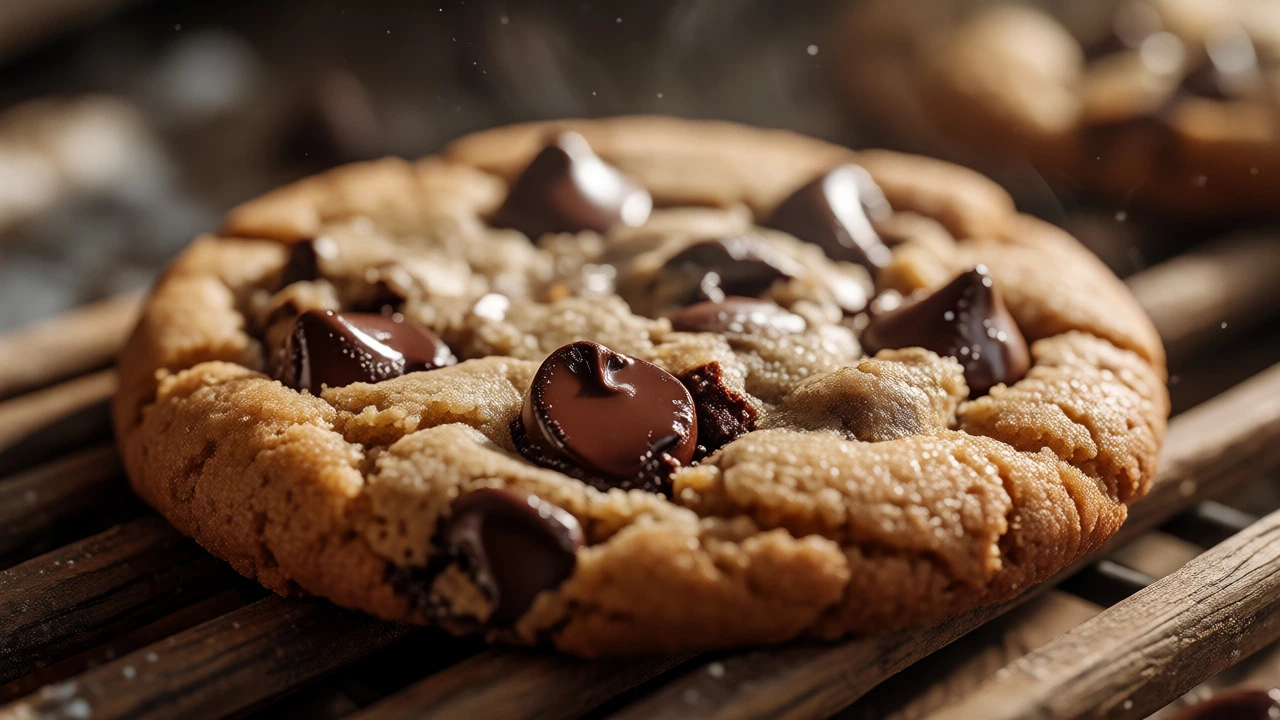
You walk into a bakery in New York, a diner in Texas, or a family kitchen in Ohio. What do you see? Chances are, it’s not the towering red velvet cake or the intricate lemon meringue pie that dominates the counter. It’s the humble, golden-brown chocolate chip cookie, a drop cookie featuring small pieces of chocolate embedded in the dough. While many assume fancy pastries hold the crown, data from major food retailers and consumer surveys consistently points to this simple treat as the undisputed king of American sweets.
Why does a recipe invented by accident in 1938 still beat out thousands of sophisticated alternatives? The answer isn’t just about taste; it’s about accessibility, nostalgia, and the unique way Americans interact with their sugar. If you’re looking to bake something that guarantees smiles at your next potluck, or you’re just curious about the culinary habits of your neighbors across the Atlantic, understanding the dominance of the cookie reveals a lot about American culture itself.
The Undisputed Champion: Chocolate Chip Cookies
Let’s cut through the noise. When Nestlé introduced the Toll House Cookie recipe on their packaging during World War II, they didn’t just sell chips; they sold an idea. The idea was that anyone could make a professional-quality dessert with pantry staples. Today, estimates suggest Americans consume roughly six billion chocolate chip cookies every year. That’s nearly twenty cookies per person annually.
This statistic matters because it highlights the barrier to entry. Unlike cheesecake, which requires precise temperature control to avoid cracks, or apple pie, which demands skillful crust work, a cookie forgives mistakes. Burnt edges? Still tasty. Underbaked center? Trendy "gooey" style. This low-stakes nature makes it the default choice for home bakers who might otherwise skip dessert entirely.
| Dessert Type | Avg. Annual Consumption (per capita) | Primary Occasion | Complexity Level |
|---|---|---|---|
| Chocolate Chip Cookie | ~20 units | Casual Snacking / Holidays | Low |
| Ice Cream | ~48 lbs | Summer / Everyday | Very Low (Store-bought) |
| Brownies | ~5 lbs | Potlucks / School Events | Low-Medium |
| Apple Pie | ~1.5 slices | Holidays (Thanksgiving) | High |
Notice the distinction between consumption volume and cultural status. Ice cream is eaten more frequently, but it’s rarely considered a "recipe" people compete over. The cookie is different. It’s a badge of honor. Ask any American grandmother for her secret ingredient-brown butter? Cornstarch? Espresso powder?-and she’ll debate it with the passion of a sports fan discussing their team.
Regional Rivalries and Cultural Nuances
While the cookie wins nationally, regional pride runs deep. In the South, pecan pie holds a sacred spot, especially around Thanksgiving. It’s rich, sticky, and heavily reliant on local agriculture. Move to the Midwest, and you’ll find bar cookies like blondies and snickerdoodles dominating church socials because they travel well in aluminum pans.
The Northeast offers its own contenders. Boston’s Boston Cream Pie is technically a cake, a fact that confuses non-locals endlessly. Meanwhile, California has pushed avocado mousse and fruit-based sorbets into the mainstream, reflecting a health-conscious trend that clashes slightly with the traditional heavy cream and sugar approach. Yet, even in these regions, if you survey what people *actually* eat most often versus what they *wish* they ate, the cookie usually retains its lead due to sheer convenience.
Why Home Baking Persists Despite Convenience
We live in an era where you can have artisanal macarons delivered to your door in thirty minutes. So why do millions still preheat their ovens? Two reasons: cost and customization.
- Cost Efficiency: A batch of homemade cookies costs pennies per unit compared to $4-$6 per store-bought gourmet cookie. For large families or frequent hosts, this difference adds up quickly.
- Texture Control: You decide if your cookies are cake-like, chewy, or crispy. Store-bought options force a compromise. Homemade allows for the exact "crunch-to-chew" ratio you prefer.
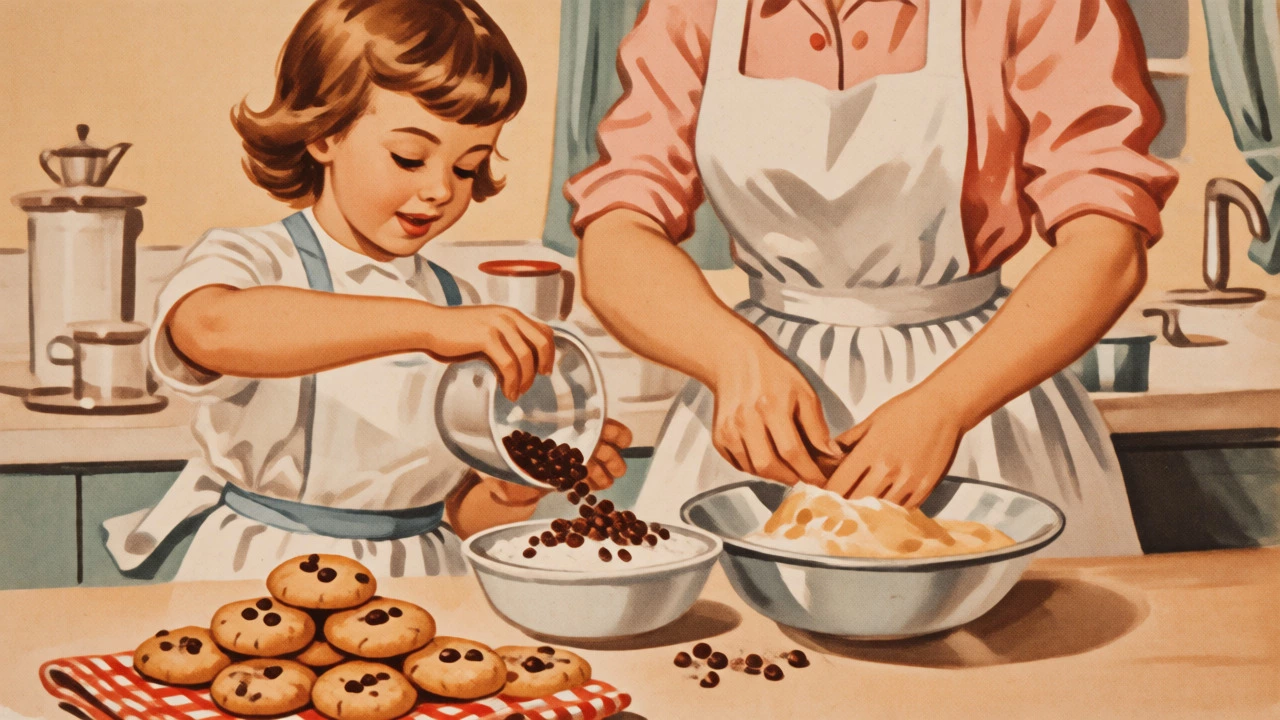
Furthermore, the act of baking serves a social function. It’s a communal activity. Kids help measure flour; parents handle the oven. This ritualistic aspect transforms the dessert from mere calories into a shared experience. No one gathers around a bag of ice cream with the same ceremonial reverence they show a fresh tray of warm cookies.
The Science Behind the Crave
Is there a biological reason we love this specific combination? Yes. The interplay of fat, sugar, and salt triggers dopamine release in the brain more effectively than many other foods. Chocolate contains compounds like phenylethylamine, which is associated with feelings of attraction and excitement. Combine that with the textural contrast of crisp edges and a soft center, and you have a sensory profile designed for addiction.
Food scientists note that the Maillard reaction-the browning process during baking-creates hundreds of flavor compounds that don’t exist in raw ingredients. This complexity is why a baked good tastes richer than its sum of parts. When you bite into a brownie, you’re tasting those complex reactions, but the cookie distributes them evenly throughout each bite, ensuring consistent satisfaction without the risk of dry corners.
How to Elevate Your Standard Cookie
If you want to join the ranks of America’s favorite dessert lovers, you need to know how to upgrade the basic formula. Here are three tweaks that separate amateur bakers from pros:
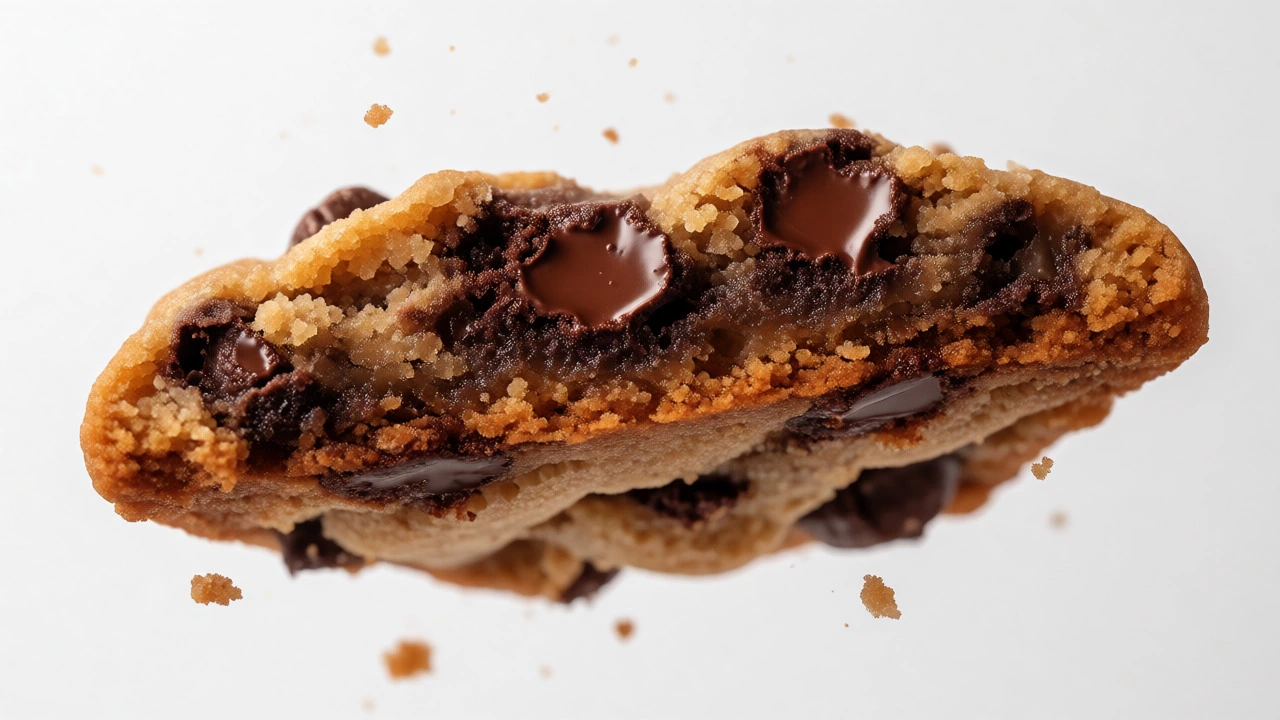
- Chill the Dough: Letting your dough rest in the fridge for 24 hours hydrates the flour fully and solidifies the butter. Result? Thicker, chewier cookies with deeper flavor development.
- Mix Sugars: Don’t use just white sugar. Use a 70/30 ratio of brown to white sugar. The molasses in brown sugar adds moisture and acidity, which helps tenderize the gluten.
- Underbake Slightly: Pull the tray out when the centers still look slightly underdone. They will continue cooking on the hot sheet pan for another two minutes. This prevents the dreaded rock-hard texture.
These steps aren’t just tips; they’re adjustments based on chemical principles. Understanding the "why" behind them gives you control over the final product, turning a simple snack into a deliberate culinary achievement.
Frequently Asked Questions
What is the actual number one dessert in America?
While rankings vary by source, the chocolate chip cookie is widely cited as the most popular homemade dessert. However, in terms of total volume consumed, ice cream often tops the list. But when considering "recipes" people actively cook and share, the cookie holds the top spot.
Why is apple pie considered iconic if cookies are more popular?
The phrase "As American as apple pie" is symbolic rather than statistical. Apple pie represents tradition and holiday gatherings, whereas cookies represent everyday casual eating. Symbolism drives cultural identity, but convenience drives daily consumption.
Do Americans prefer sweet or savory desserts?
Americans generally prefer high-sugar profiles, but there is a growing trend toward balanced sweetness. Many now add sea salt to chocolates or use dark chocolate to cut through the sugar intensity, moving away from cloyingly sweet varieties.
What is the second most popular dessert after cookies?
Brownies typically rank second among baked goods. They offer similar ease of preparation and portability as cookies, making them ideal for school events and office parties.
Are healthy desserts gaining popularity in the US?
Yes, alternatives using almond flour, monk fruit sweetener, and avocado bases are rising. However, they remain niche compared to traditional wheat-flour-and-sugar recipes, which still dominate mainstream grocery sales.