
Slow Cooker Mistake Checker
Answer these questions about your slow cooker habits to discover potential mistakes and get personalized fixes.
There is nothing quite like the smell of a hearty stew or shredded chicken drifting through your kitchen after a long day. The promise of a slow cooker, also known as a crockpot, is simple: dump ingredients in, walk away, and come home to dinner. But if you’ve ever opened that lid to find mushy vegetables, dry meat, or a watery mess, you know the reality can be different.
The device itself isn’t broken; usually, it’s just being used wrong. Cooking with low heat over many hours requires a different set of rules than stovetop or oven cooking. If you treat a slow cooker like a microwave or a standard pot, you will get disappointing results every time. Let’s look at the specific habits that ruin meals and how to fix them so your next batch of chili or pot roast turns out perfect.
Crowding the Pot Too Much
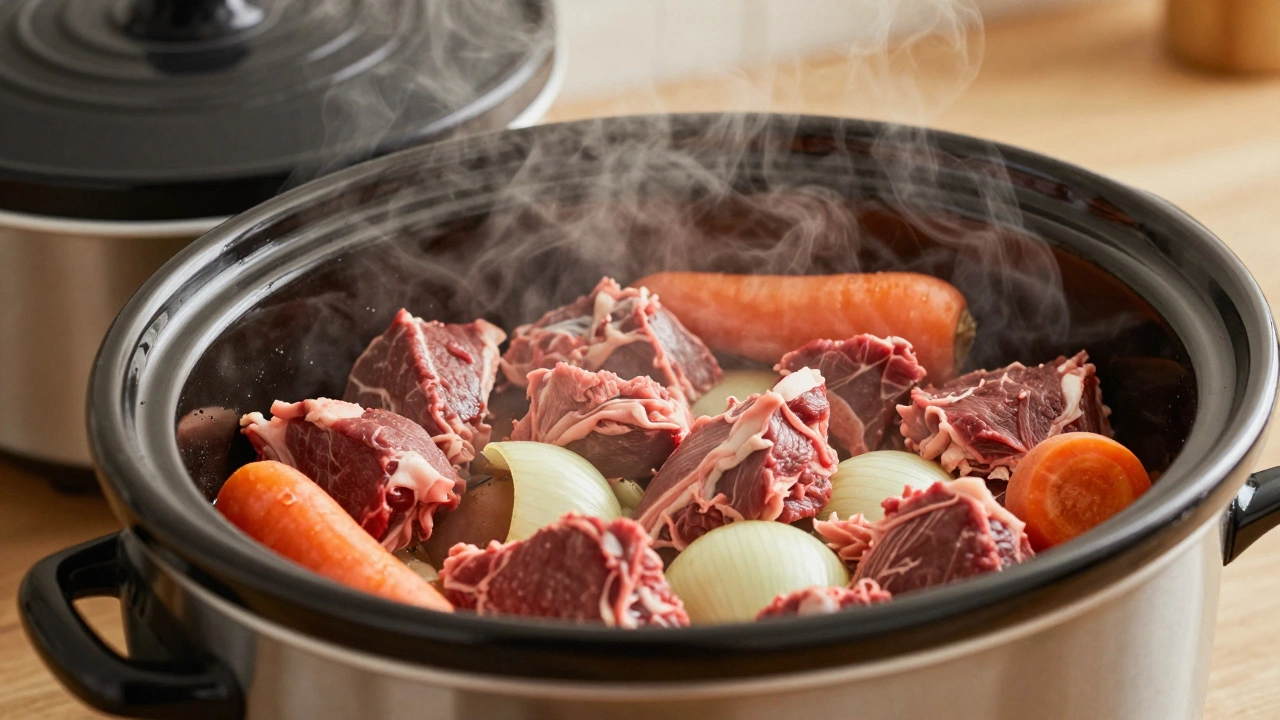
One of the biggest reasons people fail with their slow cooker is trying to fit too much into it. It feels logical to fill the ceramic insert to the brim to maximize efficiency, but this actually stops the food from cooking evenly. Heat needs space to circulate around the ingredients. When the pot is packed tight, the center stays cold while the edges overcook.
You should aim to fill your slow cooker between one-half and three-quarters full. If you are making a large family-style meal for eight people, consider using two pots or scaling the recipe down. Overcrowding traps steam in a way that prevents browning and leads to uneven texture. For example, if you pile raw chicken breasts on top of each other, the ones in the middle might remain undercooked while the outer layer becomes rubbery. Leaving that extra headspace allows the moisture to evaporate properly, concentrating flavors rather than diluting them.
Skiping the Sear Step
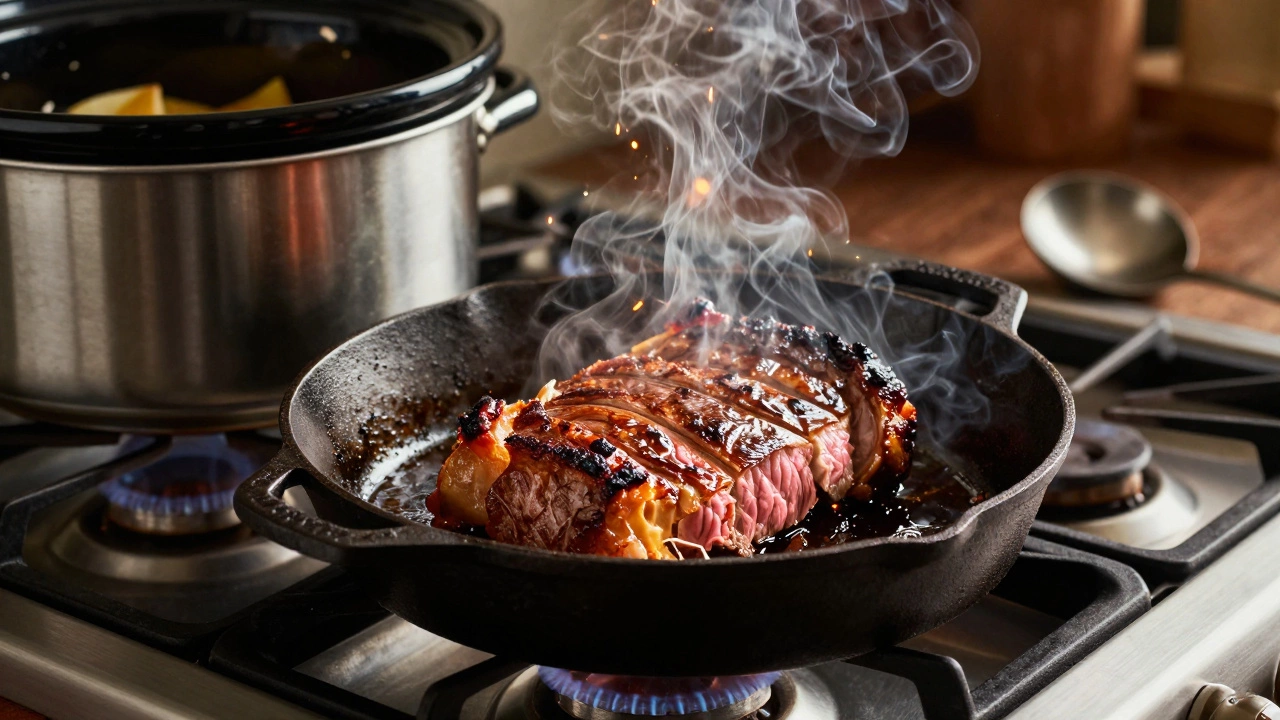
Many recipes tell you to brown meat before adding it to the slow cooker, and then many people skip this step because they want to save time and dishes. This is a critical error. While the slow cooker will technically cook the meat through, it cannot create the complex flavors that come from high-heat searing.
Browning triggers the Maillard reaction, a chemical process that creates hundreds of new flavor compounds. Without it, your beef stew tastes boiled, not roasted. Take ten minutes to sear your chuck roast or pork shoulder in a hot skillet with a little oil until a deep crust forms. Then transfer it to the slow cooker. This single step transforms the final dish from bland to rich. You don’t need to cook the meat all the way through during searing; you just need that color. The residual heat in the pan continues to work while the slow finish takes over.
Adding Delicate Ingredients Too Early
Slow cookers operate at low temperatures for extended periods, which is great for tough cuts of meat but terrible for delicate vegetables. A common mistake is throwing everything into the pot at once. If you add peas, spinach, zucchini, or dairy products at the start of an eight-hour cook, they will disintegrate into a green sludge or curdle by dinner time.
Hard root vegetables like carrots, potatoes, and onions can handle the full duration, especially if cut into large chunks. However, softer vegetables should be added in the last 30 to 60 minutes of cooking. Dairy products like cream, sour cream, or yogurt should always be stirred in after the cooking cycle is complete. Adding milk-based sauces early can cause them to separate and look grainy. Treat your slow cooker like a timeline: hard items first, soft items last, and dairy never until the end.
Lifting the Lid Frequently
It is human nature to check on your food. You wonder if it smells right, if there is enough liquid, or if the meat looks done. Every time you lift the lid of a slow cooker, you release a significant amount of heat. Because these appliances rely on maintaining a steady, low temperature, losing that heat can drop the internal temperature by up to 25 degrees Fahrenheit instantly.
This means the appliance has to work harder to recover, potentially extending the cooking time by 20 to 30 minutes per peek. If you are following a recipe that calls for six hours on low, checking it five times could mean your food hasn't reached the safe internal temperature required for tenderness. Resist the urge. Trust the timer. If you must check, do it quickly and only near the end of the cooking window. The opaque ceramic lid is designed to keep heat in; respect its function.
Using the Wrong Cut of Meat
Not all meat is created equal for slow cooking. Using lean cuts like chicken breast, sirloin steak, or pork loin often results in dry, stringy, and inedible food. These cuts lack the connective tissue and fat needed to break down slowly without drying out. Slow cooking is best suited for tougher, cheaper cuts that benefit from long, moist heat.
Look for cuts labeled "shoulder," "chuck," "brisket," or "shank." Beef chuck roast is ideal for pot roasts because its collagen melts into gelatin, creating a rich sauce. Pork shoulder (Boston butt) is perfect for pulled pork. Chicken thighs are far superior to breasts because they retain moisture better. If you insist on using chicken breasts, switch to the "High" setting and reduce the time to three or four hours maximum, but even then, they risk drying out. Match the cut to the method: tough and fatty for long cooks, lean and tender for short bursts.
Making Sauces Too Thin
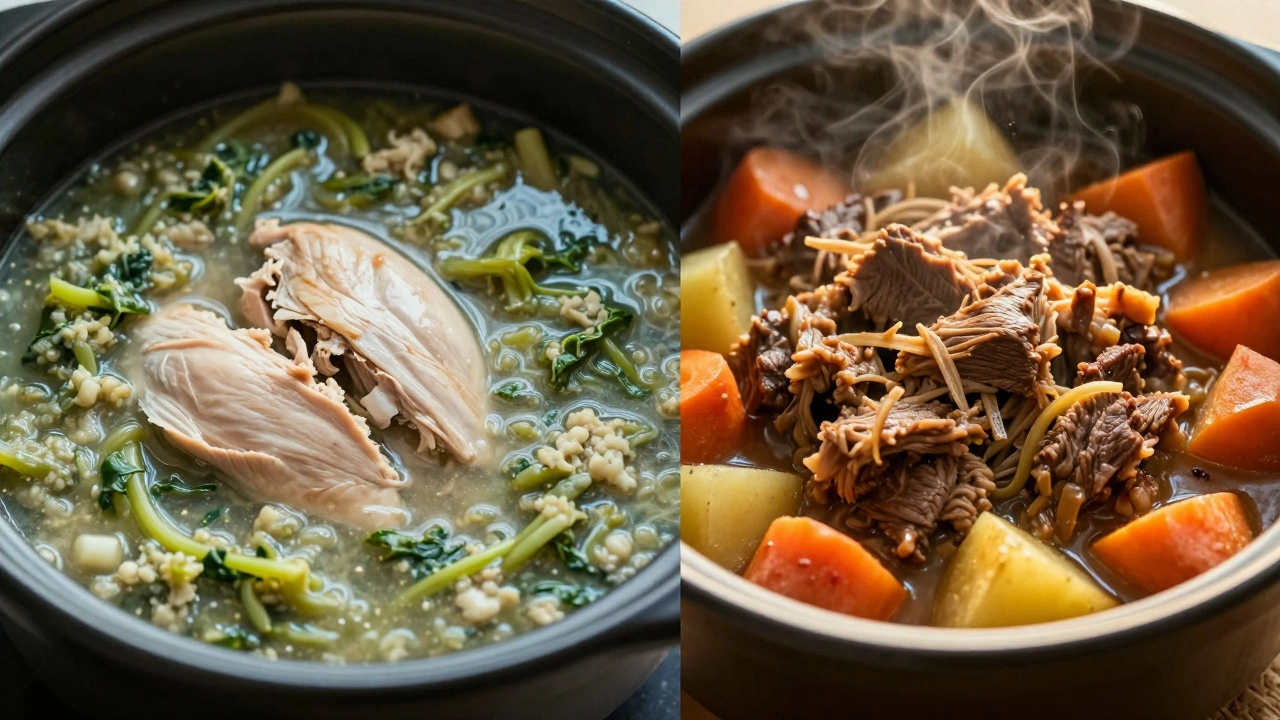
Slow cookers trap almost all the moisture released by vegetables and meat. Unlike an open pot on the stove where evaporation thickens sauces, a slow cooker keeps everything inside. This often leads to soupy, watery results that lack body. Many people try to fix this by adding more seasoning at the end, but salt doesn't thicken liquid.
To avoid a watery mess, start with less liquid than you think you need. Use broths, stocks, or tomato paste as bases, but hold back on water. If your sauce is still too thin after cooking, remove the meat and vegetables, place the liquid in a saucepan on the stove, and boil it down rapidly. Alternatively, mix a tablespoon of cornstarch with cold water to make a slurry and stir it into the hot liquid in the slow cooker for the last 15 minutes. This technique gives you control over the consistency instead of leaving it to chance.
Ignoring Food Safety Temperatures
While slow cookers are generally safe, they are not immune to bacterial growth if used incorrectly. The danger zone for food safety is between 40°F and 140°F (4°C and 60°C). Bacteria multiply rapidly in this range. A common misconception is that the "Warm" setting is sufficient for holding food for hours. It is not. The warm setting is meant for short-term holding after cooking is complete, not for the cooking process itself.
Always use the "Low" or "High" settings for actual cooking. Never thaw frozen meat directly in the slow cooker unless the manufacturer explicitly states it is safe for that model, as the meat may sit in the danger zone for too long while thawing. Always thaw meat in the refrigerator overnight before adding it to the pot. Additionally, ensure your slow cooker reaches at least 165°F (74°C) for poultry and 145°F (63°C) for whole cuts of beef, pork, and lamb. Investing in a cheap instant-read thermometer is the best way to verify this peace of mind.
| Mistake | Why It Happens | The Fix |
|---|---|---|
| Watery Sauce | Trapped steam and excess liquid | Reduce liquid; thicken with cornstarch slurry at the end |
| Dry Meat | Using lean cuts or overcooking | Use fatty cuts (chuck, shoulder); check temp early |
| Mushy Veggies | Added too early in the process | Add delicate veggies in the last 30-60 minutes |
| Bland Flavor | Skipping the sear step | Brown meat in a skillet before adding to pot |
| Undercooked Center | Pot overcrowded | Fill only 1/2 to 3/4 full; chop ingredients smaller |
Understanding Low vs. High Settings
Many users assume that "Low" is just a slower version of "High," but the difference is more nuanced. Generally, one hour on High equals two to two-and-a-half hours on Low. However, this conversion isn't perfect for all foods. Tougher cuts of meat often benefit from the longer, gentler breakdown provided by the Low setting, which preserves texture better. Quick-cooking proteins or pre-cooked ingredients fare better on High.
If you are short on time, you can start a recipe on High for the first hour to bring the temperature up quickly, then switch to Low for the remainder. This hybrid approach helps ensure food safety while still achieving the tender results associated with slow cooking. Just remember to adjust your total time accordingly. Don't simply double the time if switching from High to Low; account for the initial rapid heating phase.
Can I put frozen meat directly in the slow cooker?
It is generally not recommended to put large blocks of frozen meat directly into a slow cooker. The meat may stay in the "danger zone" (40°F-140°F) for too long while it thaws, allowing bacteria to grow. Always thaw meat in the refrigerator overnight. If you must cook from frozen, use small, individual portions like ground meat patties and ensure the cooker reaches a safe internal temperature quickly.
Why is my slow cooker food coming out watery?
Slow cookers trap steam and moisture released by vegetables and meat. To prevent watery results, reduce the amount of added liquid in your recipe by about half compared to stovetop instructions. You can also thicken the sauce at the end by removing the lid for the last 30 minutes to allow evaporation, or by stirring in a cornstarch slurry.
Do I need to cover the slow cooker with foil?
No, you do not need to cover the slow cooker with foil. The glass or ceramic lid is designed to fit snugly and retain heat and moisture. Adding foil can interfere with the fit and potentially block vents if your model has them. Only remove the lid briefly to add ingredients or check progress.
Is it safe to leave a slow cooker on overnight?
Most modern slow cookers are designed to be left unattended for several hours, but leaving them on for 8+ hours overnight can lead to overcooked, mushy food. It is safer and tastier to use a programmable slow cooker that switches to "Warm" automatically when cooking is done. Never leave a slow cooker on High overnight.
What vegetables should I avoid putting in a slow cooker?
Avoid adding delicate vegetables like leafy greens (spinach, kale), peas, zucchini, and bell peppers at the beginning of the cook. They will turn to mush. Add these in the last 30 to 60 minutes of cooking. Root vegetables like carrots, potatoes, and parsnips can go in at the start.